

BOJ may raise interest rates twice by March 2027, says former policymaker
He expects a hike by the central bank to around 2% by early 2028
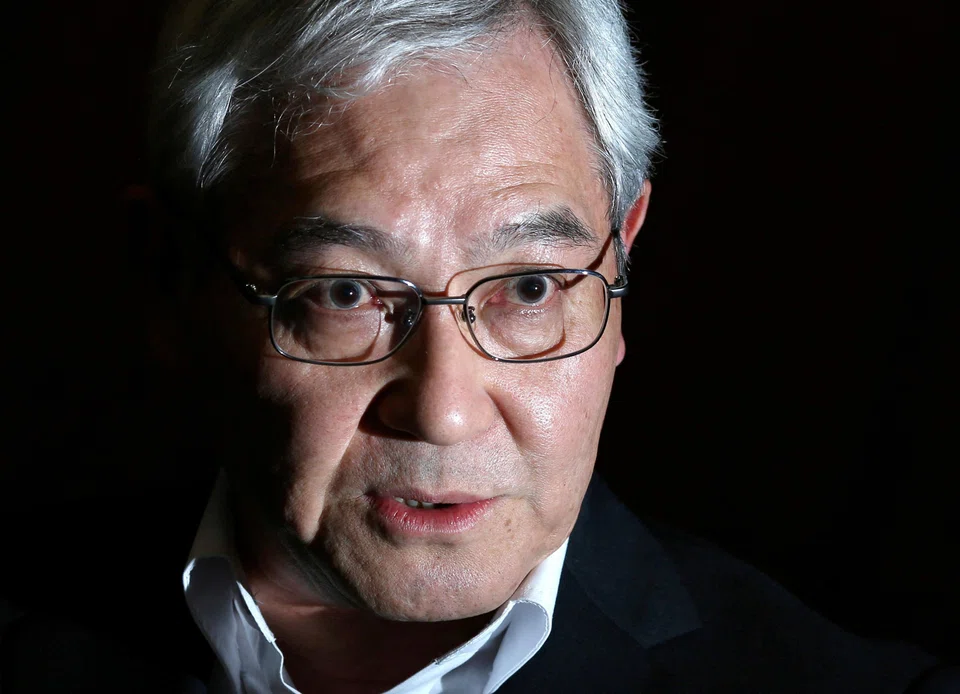
[TOKYO] The Bank of Japan (BOJ) may raise interest rates twice by the end of the current fiscal year, after making a landmark shift in its policy focus towards mounting inflation risk, former board member Makoto Sakurai said on Friday (Jun 19).
The central bank justified Tuesday’s decision to raise its short-term policy rate to a 31-year high of 1 per cent, by stating it is to forestall the risk of underlying inflation exceeding its 2 per cent target.
That contrasted with the way the bank explained past hikes as reflecting confidence in progress towards durably achieving its 2 per cent target.
“It was a major turning point in monetary policy, as it meant the BOJ was now clearly shifting focus to beating inflation,” Sakurai said.
“It showed the bank’s growing alarm over inflation risk. The implication for future rate decisions could be huge,” he added, having retained close contact with incumbent policymakers.
A recent spike in wholesale inflation is likely to broaden to consumer prices in coming months, and key to the timing of the next hike would be the extent to which consumer inflation accelerates over the July-to-September period, he added.
“Another hike by year-end is pretty much locked in. The BOJ will probably raise rates either in October or December with a close eye on upcoming inflation data,” Sakurai said.
Wary of pricking an asset-price bubble, the bank may tread cautiously and wait until December to hike again if the rise in the inflation rate is within expectations, he said.
But if inflation accelerates at an alarming pace, the bank could hike in October and again by the end of the current fiscal year ended March.


“Corporate profit is strong and the labour market is tight, so inflationary risk will outweigh the risk of economic downturn,” he added. “If so, the BOJ will maintain its focus on combating inflation.”
Sakurai expects the central bank to raise its policy interest rate to around 2% by early 2028, when governor Kazuo Ueda’s five-year term ends.
Middle East conflict complicating decisions
Conflict in the Middle East has complicated decisions on the timing and pace of rate hikes, as the higher cost of energy fuels inflation while squeezing an economy dependent on oil imports.
A stubbornly weak yen has also pushed up the cost of imports and propelled broader inflation.
Still, Sakurai said rate hikes or intervention in the currency market is not likely to shift the weak yen tide, which he said is largely driven by market concern over Prime Minister Sanae Takaichi’s expansionary fiscal policy.
An advocate of loose fiscal and monetary policy, Takaichi has major spending plans and has deployed subsidies to curb fuel bills. The administration has compiled a three trillion yen (S$24 billion) extra Budget funded by additional debt issuance.
If Takaichi decides to compile a second extra Budget this year, concern over worsening finances could lead to a downgrade in Japan’s credit rating and a drop in the value of the yen, he said.
“The problem with Japan is a lack of consistency between the BOJ’s efforts to tame inflation and expansionary fiscal policy that works to fuel inflation,” Sakurai noted. “Unless this is fixed, there is no way out from Japan’s weak-yen problem.” REUTERS
Decoding Asia newsletter: your guide to navigating Asia in a new global order. Sign up here to get Decoding Asia newsletter. Delivered to your inbox. Free.
Share with us your feedback on BT's products and services
TRENDING NOW
Companies still in search of AI use cases with worthwhile ROI, says Broadcom’s CEO

Malaysian king buys stake in Singapore-listed mining firm expanding into rare earths

Once staunchly pro-China, Malaysian Chinese businesses are now distancing themselves from Beijing

Singapore’s wealth management success should extend to everyday families

