

BOJ’s new trend gauge shows inflation exceeding target
At 2.8% in April, it is higher than 2.5% in March, the central bank reveals
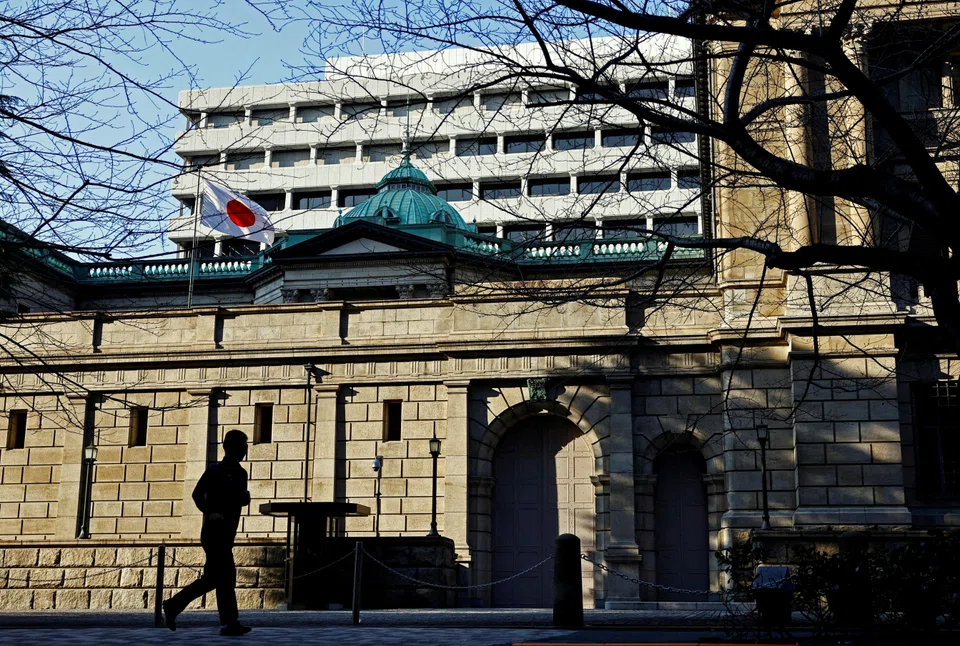
[TOKYO] Japan’s core inflation, as measured by a new central bank gauge, accelerated in April and blew past its 2 per cent target, data showed on Tuesday (May 26).
This assists in making the case for an interest-rate hike as soon as June.
The reading underscored intensifying inflationary pressures in the economy.
It came just after the Bank of Japan (BOJ) deputy governor Ryozo Himino stressed that central banks must preserve market confidence in their commitment to rein in inflation.
He added: “With real interest rates remaining very low, our policy rate is expected to continue rising in accordance with economic, price and financial developments.”
The core consumer inflation rate – excluding one-off factors, as measured by the central bank’s new gauge – hit 2.8 per cent in April, accelerating from 2.5 per cent in March, BOJ data revealed.
The new index strips out institutional factors, such as education and energy-related subsidies.
It showed a much faster year-on-year rise than the 1.4 per cent rate in the benchmark core consumer price index figure the government announced on May 22.
The BOJ began disclosing the data from March to enhance communication on underlying inflation, which is estimated to be crucial to its rate-hike decisions.


The reading for April may cement market expectations for a rate hike in June by showing the way inflation has remained above its target when excluding the effect of government subsidies, analysts say.
The government has also introduced various temporary subsidies to cushion the economic blow from rising living costs.
Such costs have weighed on inflation and made it more difficult for policymakers to gauge the broader price trend.
The administration of Prime Minister Sanae Takaichi also announced a plan on Monday to compile an extra Budget to subsidise fuel costs and assist in tackling cost of living pressures.
Critics warn that the additional spending could backfire.
It might spur inflation in an economy already strained by high fuel costs, rising import prices due to a weak yen, and mounting wage pressures from a tightening labour market.
Market concern over Japan’s worsening finances and slow BOJ rate hikes helped lift the benchmark 10-year Japanese government bond yield to 2.8 per cent on May 18, the highest since 1996.
The BOJ ended a decade-long, massive stimulus in 2024 and raised rates several times, including in December, on the view that Japan is on the cusp of durably hitting its 2 per cent inflation target.
With the Middle East conflict is driving up fuel costs, markets have priced in a roughly 80 per cent chance the central bank will raise its short-term policy rate to 1 from 0.75 per cent in June.
A Reuters poll also showed nearly two-thirds of economists projecting a rate hike in June. REUTERS
Decoding Asia newsletter: your guide to navigating Asia in a new global order. Sign up here to get Decoding Asia newsletter. Delivered to your inbox. Free.
Share with us your feedback on BT's products and services
TRENDING NOW

Grab CEO’s wife Chloe Tong on life with Anthony Tan and finding her purpose

Hwa Seng Builder, two China companies win S$1.2 billion Tuas Road Viaduct phase two contracts

Deal between tycoon friends sparks scrutiny of Philippine power sector

Canada is upping oil flows to Asia, but South-east Asia’s refineries aren’t ready to handle them yet

