

Yen’s week-long slide puts traders on guard for intervention
The currency has now retraced more than half of the gains triggered by multiple rounds of intervention
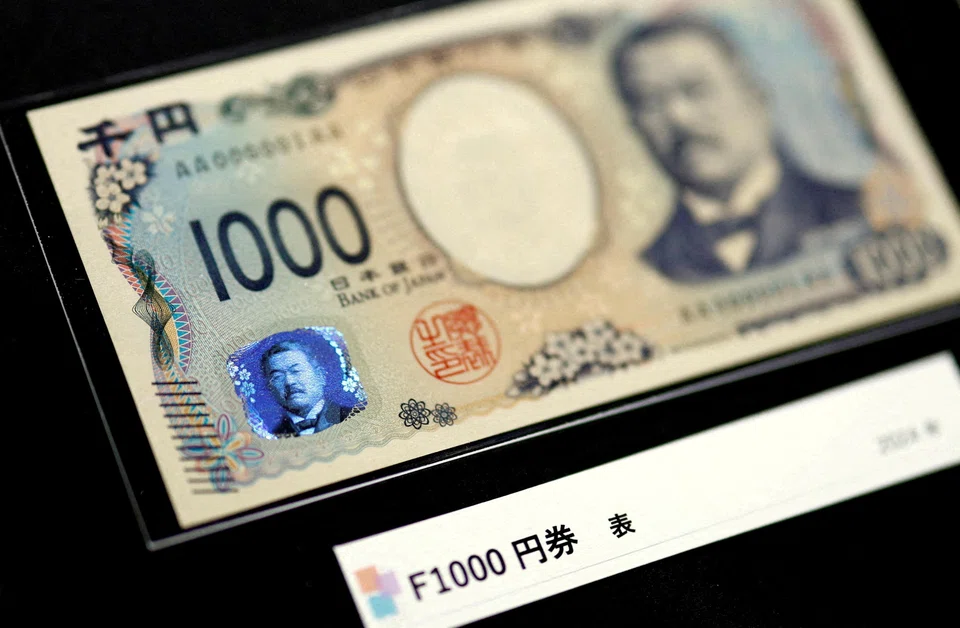
[TOKYO] Currency traders are increasingly alert to the risk of further market intervention by Japan following a 1 per cent slide in the yen this week that has pushed it to 158 per US dollar.
The yen has now retraced more than half of the gains triggered by multiple rounds of intervention in the period from Apr 30 through Japan’s Golden Week holidays. It traded at 158.47 as of 10.17 am in Tokyo on Friday (May 15), putting it on track for its biggest weekly loss in two months.
Elevated oil prices, broad US dollar strength and the Iran conflict continue to weigh on the yen, along with the impact of Japan’s wide interest-rate gap with the US. Given that there is little prospect of an early end to tension in the Middle East, and that the Bank of Japan (BOJ) won’t decide on interest rates again until mid June, market intervention looms as the obvious tool for authorities to use to stem yen weakness.
The threat of Japan wading into the market is for now reducing the likelihood of US dollar-yen going to 160, according to Vincent Chung, a portfolio manager at T Rowe Price. “The effectiveness of further intervention will likely be determined by whether there is US dollar weakness as well,” he said. “An accelerated hiking cycle for BOJ would also help close the interest rate differential gap.”
While Japan has continued to decline to comment directly on whether it intervened to prop up the yen, people familiar with the matter have said authorities came into the market on Apr 30. Analysis of the central bank’s accounts indicates likely intervention of around as much as 10 trillion yen (S$80.6 billion) from then through to the end of Japan’s Golden Week holidays on May 6.
Bank of Japan board member Kazuyuki Masu on Thursday called for interest rates to be increased as soon as possible, provided there is no indication of the economy running into trouble, citing more enduring inflationary risks from the war in Iran.



Overnight index swaps imply traders are pricing in a 77 per cent chance of a June rate hike. At the same time, one-month US dollar-yen risk reversals remain skewed towards yen calls, suggesting markets are still wary of further intervention. BLOOMBERG
Decoding Asia newsletter: your guide to navigating Asia in a new global order. Sign up here to get Decoding Asia newsletter. Delivered to your inbox. Free.
Share with us your feedback on BT's products and services
TRENDING NOW

First Resources blames El Nino, outside fires for Kalimantan hotspots amid haze scrutiny

High Court rules against Julius Baer’s Singapore trust arm in US$50 million family trust dispute

Singapore key exports jump by higher-than-expected 68.4% in September, led by non-electronics

MSCI proposes standalone status for Indonesia; Jakarta stocks plunge 8%

