

The end of Dubai? After the war, the UAE faces a hard road back to its shining past
Not just energy flows, but business confidence also needs to return – and that will take time
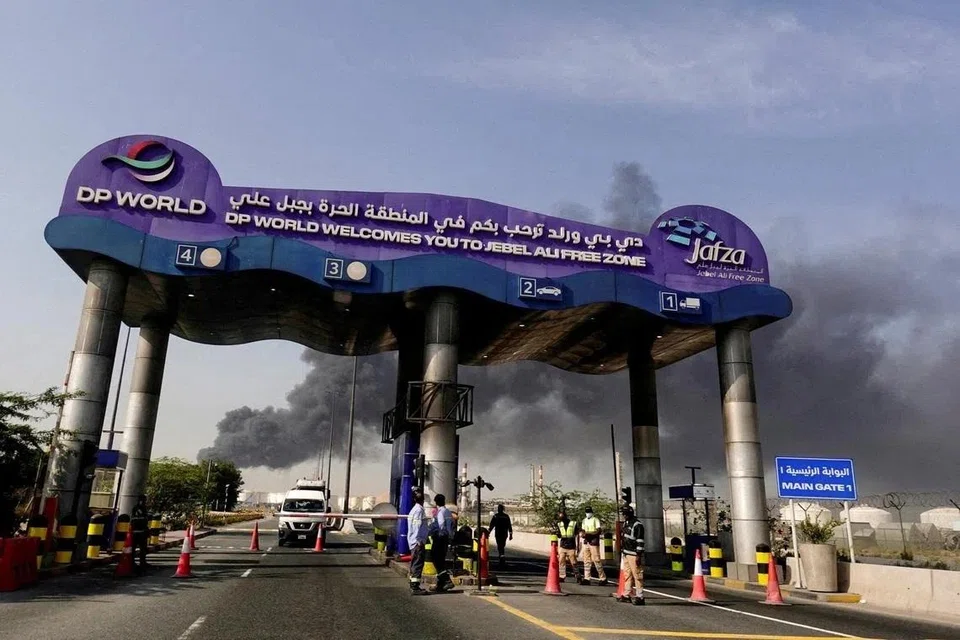
OF ALL the countries drawn into the vortex of the Iran war, none has paid a higher price than the United Arab Emirates (UAE). It was not a combatant, nor did it seek the fight. But its geography, alliances and ambitions made it the most frequently targeted nation in the Gulf, subjected to a relentless barrage of Iranian missiles and drones, totalling over 2,800 – more than even fired at Israel.
The physical damage, though partly contained by capable air defences, has been severe. Estimates put the total cost to infrastructure at close to US$60 billion (S$76.3 billion). Oil production dropped by up to 800,000 barrels per day. Dubai International Airport, the world’s busiest hub, was shut on and off for weeks, with more than 30,000 flights cancelled since the conflict began.
The Price of Ambition
The UAE’s vulnerability is not accidental. It is the product of deliberate strategic choices. Among all the Gulf states, it has pushed hardest to align itself with Israel, cementing ties through the 2020 Abraham Accords. It hosts the US Al Dhafra Air Base, one of America’s key military installations in the region. In Iran’s calculus, these choices made Abu Dhabi and Dubai legitimate targets.
Geography did the rest: the UAE sits closer to the Iranian coast than any other major Gulf state except Bahrain, within easy reach of even relatively unsophisticated Iranian weapons. Its desalination plants and power stations – the infrastructure on which human life in this largely waterless country depends – are exposed and difficult to fully protect. Iran did not strike those critical facilities, but the threat is real.
The US military presence that was supposed to guarantee the UAE’s security proved to be a double-edged sword. The bases that were meant to deter aggression became magnets for it. The lesson the UAE draws from this will shape its future security policy.
Two emirates, two recoveries
Not all of the UAE’s seven emirates will recover at the same pace; each has different economic profiles and political weights.
Abu Dhabi controls most of the country’s oil and gas wealth. When the Strait of Hormuz eventually reopens and energy exports resume, Abu Dhabi will enjoy a significant revenue surge. Its finances, already among the most robust in the region, will strengthen further.
Dubai’s recovery will be harder and slower. Its economy is built not on oil but on the movement of people, capital, goods and ideas. Trade, finance, transportation and tourism account for most of its gross domestic product.
The war has punctured Dubai’s model. Goods could not flow freely from its ports, capital inflows dried up and tourism all but disappeared. Dubai’s recovery depends not just on oil prices normalising but on the return of business confidence which, once shaken, is slower to restore than hard infrastructure.


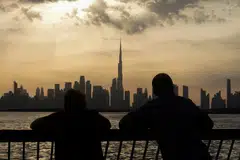
This divergence will have political consequences within the federation. Abu Dhabi, which has always held ultimate power by virtue of its oil wealth, will emerge from the war in an even stronger position relative to Dubai and the smaller emirates. The political balance, already tilted, will tilt further. But Abu Dhabi will also face pressure to direct its revenues inward, to repair damaged infrastructure, replenish depleted missile interceptors and rebuild oil facilities – which may force it to cut back on its longstanding and expensive support for proxy forces in Sudan and Libya.
The talent question
The UAE was built on foreign talent, which is visible at all levels. Of its roughly 11.5 million residents, approximately 10 million are expatriates. Foreigners are the main human resource engine that drives the economy. The question the war has raised is how well that engine will run.
Tens of thousands of expats have left the UAE since fighting broke out on Feb 28. The departures have been concentrated among western professionals, families with school-age children, and entrepreneurs reassessing long-term plans.
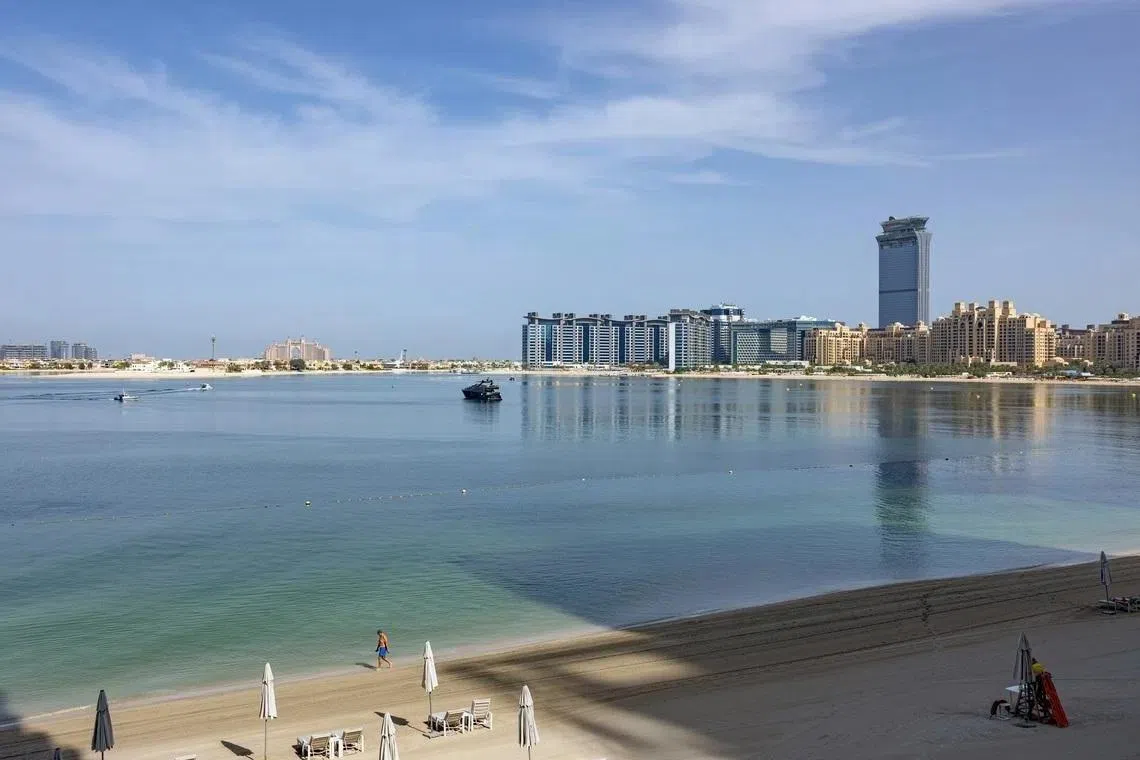
Yet the picture is less dire than the departures suggest. The vast majority of expats have stayed, and the UAE has advantages that its competitors cannot easily replicate: it still offers a compelling deal for internationally mobile capital and talent, with no taxes on income or capital gains, world-class infrastructure, excellent recreational facilities, a legal system that functions and a government that is competent at economic management.
Marco Papic, chief strategist at BCA Research, makes the point bluntly: for every Western expat contemplating leaving because of the geopolitical turbulence, there are many more highly educated professionals from Asia, Africa and Russia for whom some geopolitical risk is an acceptable price. The UAE’s longer-term play, he notes, is not to be a financial centre for western capital, but to be the financial capital of the Global South — and for those investors, the UAE’s risk profile remains far more attractive than the alternatives they are used to at home.
The seven to eight million low-income migrant workers who form the backbone of the UAE’s construction, hospitality and service economy have largely stayed put, despite being among the worst hit by the war’s economic disruption. For them, returning home – to India, Pakistan, Bangladesh, the Philippines and various African countries – is rarely a viable option. Many arrived having taken on heavy debts to secure their jobs in the UAE. Moreover, unemployment rates in their home countries are high, and rising because of the war.
Rethinking security
But the most profound challenge the UAE faces is strategic rather than economic. Its security architecture needs to be rebuilt almost from scratch – or at least from different foundations.
In the short term, there is no alternative to continued dependence on the US. The UAE needs American missile defence systems, aircraft, munitions, intelligence and training. That relationship will not dissolve, but it will need to change. The Gulf states were drawn into the conflict precisely because of the US bases on their soil. Abu Dhabi will likely seek arrangements that preserve American protection without making UAE territory the primary target of Iranian retaliation in future conflicts.
This points toward a diversification of security partnerships that is already under way. Over recent years, the UAE has deepened military cooperation with Turkey, re-engaged France and is exploring a free trade agreement with the European Union, which might also sell it weapons. Its security ties with Israel, which provide crucial intelligence and advanced arms, will continue. Israel also benefits by having the UAE, so geographically close to Iran and a significant power in the Gulf Cooperation Council (GCC), as an ally. But the Emirates’ Israel links will need to be managed with greater care given the hostility they generate in the wider region.
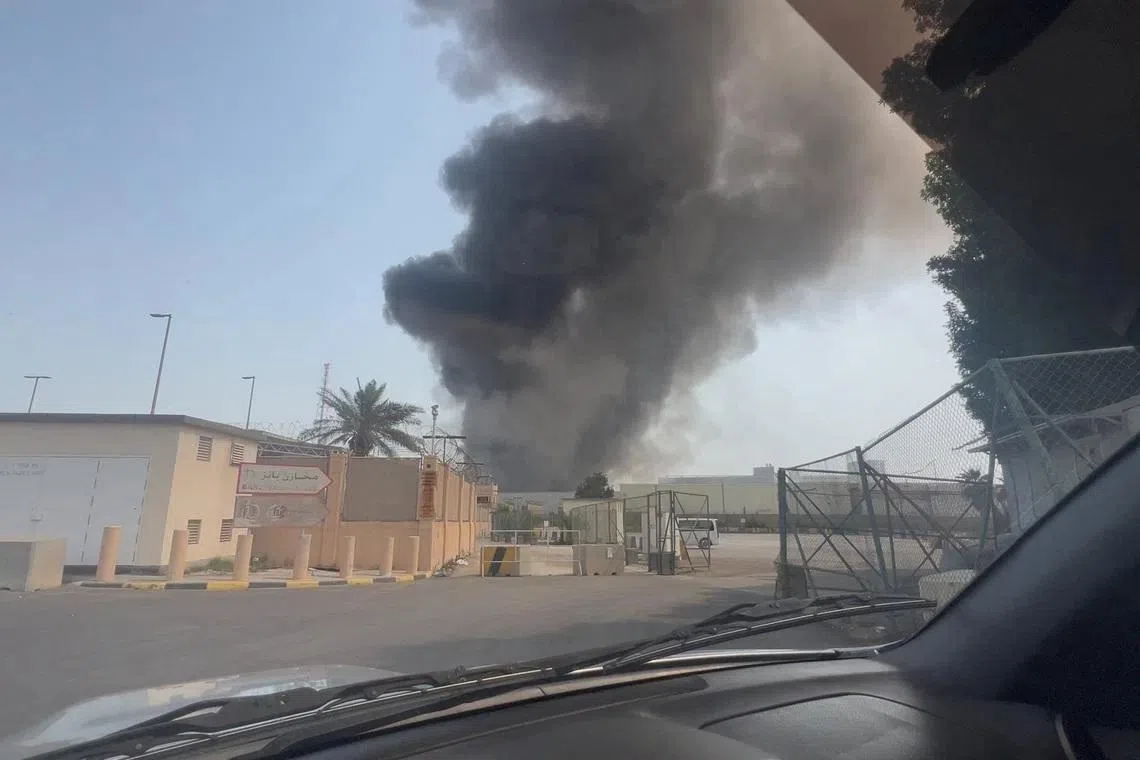
The case for a Gulf-wide collective security architecture has never been stronger, but the obstacles remain formidable. The six GCC states are not a unified bloc. Oman maintains a working relationship with Teheran with which it jointly controls the Strait of Hormuz – it will not sign up to anything that looks like an anti-Iran alliance. Qatar’s relations with the UAE, once rocky, have improved during the war, but are not fully trustful.
Saudi Arabia, which signed a detente with Teheran in 2023, has had troubled relations with the UAE in recent years, partly because the two countries backed opposite sides in the wars in Yemen and Sudan. The UAE and Bahrain, most exposed to Iranian hostility and most aligned with Israel, occupy a very different position from their neighbours. Forging collective security out of these divergent postures will require diplomatic creativity of a high order.
Iran, meanwhile, is likely to emerge from the war as a damaged but significant regional power, even though its military and nuclear programmes have been set back and its economy devastated. Its pre-war leadership under Ayatollah Ali Khamenei, which maintained pragmatic, if transactional, relations with the UAE, has been decapitated and replaced by a new Supreme Leader, Mojtaba Khamenei, reportedly more hardline and more closely aligned with the Revolutionary Guard.
The UAE will need to find some form of working relationship with this Iran – not warmth, but at least a managed coexistence that reduces the risk of future conflict. That may require Abu Dhabi to reappraise its alignment with Israel, which has been the single greatest source of Iranian hostility toward the UAE.
Revival, not reinvention
There is a question that often gets asked as a result of the war: Is this the end of Dubai? The answer is almost certainly no.
The UAE has some enviable strengths. It ranks 16th in the world for ease of doing business and fifth in the IMD World Competitiveness Ranking, has 26 Comprehensive Economic Partnership Agreements and its ports and logistics infrastructure are among the most advanced in the world. The formula that drove the UAE’s rise – good governance, low taxes, the rule of law, and an openness to talent and capital – has not been invalidated. It has been stress-tested, and most of its components have held.
The UAE’s challenge is not development. It does not need to discover what it wants to be. It needs only to revive what it already was, and to do so in a region that has been irreversibly changed. That is a harder task than it might sound. Business confidence is fragile. Long-term investment decisions – building a data centre, buying a property, opening a regional headquarters – require conviction about the future that the war has shaken.
Confidence will return, but slowly, unevenly, and contingent on things the UAE cannot fully control: the terms on which the conflict ends, the durability of any ceasefire, the posture of the new Iranian leadership, and the willingness of its Gulf neighbours to build something more than a loose and quarrelsome federation.
The UAE has surprised the world before. It turned fishing villages into global cities in the space of two generations. It has the resources, the governance and the ambition to recover from this war. But the road back to its shining past will be measured in years, not months, and it will require the kind of strategic rethinking that comes only when a comfortable country is forced, suddenly and violently, to confront its vulnerabilities. THE STRAITS TIMES
Decoding Asia newsletter: your guide to navigating Asia in a new global order. Sign up here to get Decoding Asia newsletter. Delivered to your inbox. Free.
Share with us your feedback on BT's products and services






