

EU lawmakers clear US trade deal to avert return to trade conflict
The US struck a deal with the European Union in Scotland last July
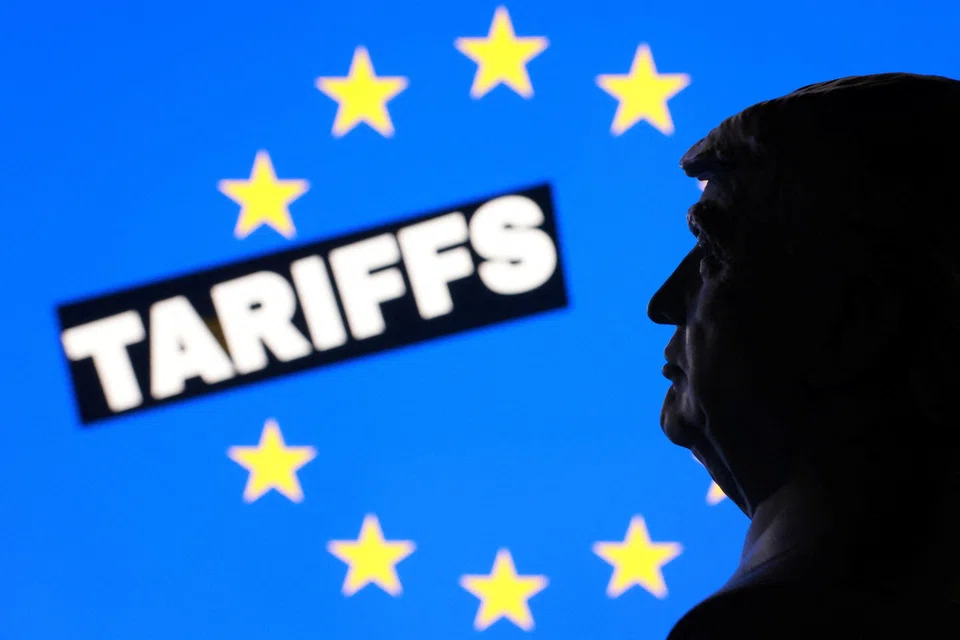
[BRUSSELS] The European Parliament approved on Tuesday (Jul 16) cutting duties on many US goods imports to fulfill the European Union’s side of a trade deal struck last year, and avert a new round of tariff conflict between the world’s largest trading partners.
US President Donald Trump struck a deal with the European Union at his Turnberry golf course in Scotland last July under which the EU agreed to remove import duties on US industrial goods and provide preferential access to US farm produce in return for US tariffs of 15 per cent on most EU goods.
Almost 11 months after that framework agreement, the EU had yet to pass legislation to implement those duty reductions.
Trump threatened to impose “much higher” tariffs if the EU did not act by July 4.
The EU should meet that deadline after the EU assembly backed implementing the import duty cuts by 440 votes for to 151 against. They also extended duty-free imports of US lobsters, a mini-deal struck with Trump in his first term as president. Securing parliamentary approval was the legislation’s last significant hurdle.
The United States needs to put in place the broad 15 per cent tariffs on EU goods. They were at that level until the US Supreme Court struck down Trump’s global tariffs in February.
The Trump administration plans to replicate the Turnberry deal tariffs by July 24, when an interim 10 per cent rate regime expires.
Tuesday’s vote should avert Trump’s July 4 tariff threat, but leaves many uncertainties. Only on Monday, Trump said he would impose 100 per cent tariffs on French wine unless Paris eliminated its digital sales tax.
The EU legislation passed by the European Parliament expires at the end of 2029 and includes multiple safeguards allowing the EU to suspend concessions if the United States breaches the Turnberry terms.


It also calls for an EU response if Washington does not reduce tariffs of above 15 per cent on metal derivative products, such as washing machines and cutlery, by the end of the year. REUTERS
Decoding Asia newsletter: your guide to navigating Asia in a new global order. Sign up here to get Decoding Asia newsletter. Delivered to your inbox. Free.
Share with us your feedback on BT's products and services
TRENDING NOW

CapitaLand Investment’s retrenchments: Mind the downsides of a profitable business laying off staff

‘Low hire, low fire’ labour market: Britain’s boomers cling to jobs as young get locked out
Singapore’s new data centres must use renewables. Can they overcome the hurdles?

Will the US-Canada tariff war irrevocably damage bilateral ties?

