



China confirms Xi-Trump summit that was delayed by Iran war
Talks are expected to veer into areas that have long been a source of tension, including Iran, Taiwan and nuclear arms
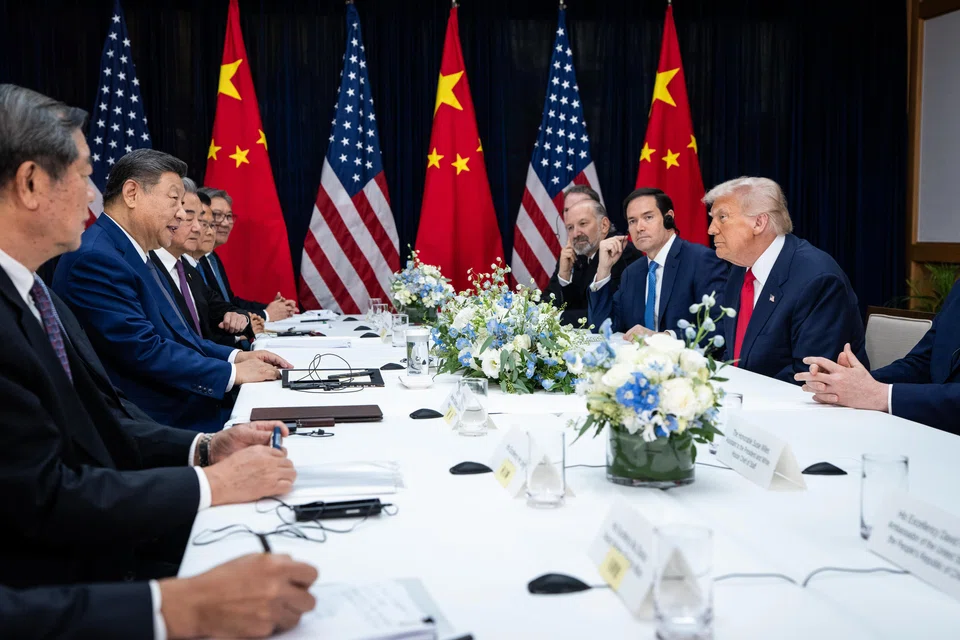
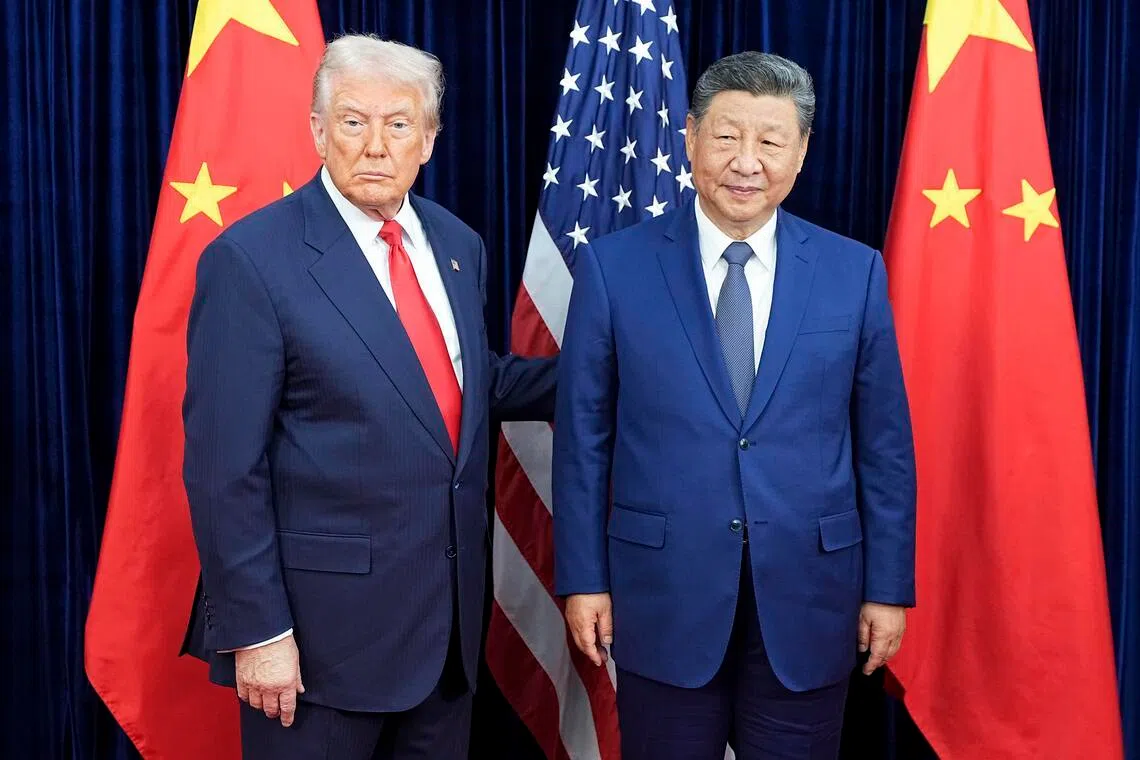
BEIJING officially announced the date of Donald Trump’s state visit this week, publicly green-lighting the first US presidential trip to China in nearly a decade despite tensions over the Iran war.
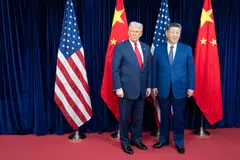
Trump, who last visited China in 2017, will meet Xi Jinping in a much-anticipated summit that’s already been rescheduled once due to the war. The White House had said the summit will be held on May 14 and15.
“At the invitation of President Xi Jinping, President Donald Trump of the United States of America will pay a state visit to China from May 13 to 15,” China’s state news agency Xinhua said Monday (May 11), citing a spokesperson for the Foreign Ministry.
Xi’s government had been wary about proceeding with the visit until the conflict – now in its third month – is settled, people familiar with the matter said earlier. China never announced or commented on the dates of Trump’s previously delayed visit in April, following its usual practice of announcing plans for its top leaders only days ahead for security reasons.
Fragile ceasefire
Trump and Iran have rejected each other’s latest peace proposals to end the conflict as the two sides struggle to maintain a fragile ceasefire.
The pomp and pageantry of the state visit will now unfold against the backdrop of a fragile ceasefire between China’s top geopolitical rival and its key strategic partner in the Middle East.
Tensions between the US and China – one of Iran’s biggest diplomatic backers and its top oil buyer – had been rising in recent weeks as the Trump administration struggles to end a war that has triggered a global energy crisis.
The US Treasury has recently sanctioned five Chinese private oil refiners, including one of the country’s largest, for processing Iranian crude. Beijing responded publicly with unprecedented defiance, ordering companies to ignore US sanctions, though its financial regulator privately advised large state-owned banks to suspend new loans to the blacklisted refiners.
The Iran war is expected to be high on the summit’s agenda. A week before Trump was scheduled to land in Beijing, China flaunted its close ties and coordination with Iran by hosting the Islamic Republic’s foreign minister.
The US and China both want to see the reopening of the Strait of Hormuz, through which a fifth of global oil and gas flows passed before the conflict. The key question for Beijing is whether it is prepared to put pressure on Teheran, and what quid pro quo it would seek from Washington in return.
The two leaders are expected to seek an extension to a trade truce they reached in South Korea in October 2025, which rolled back export controls including shipments of rare earths to the US. Ensuring the steady supply of these minerals, essential for making everything from iPhones to fighter jets, will be a key priority for Washington.
The issue of Taiwan is also set to feature prominently during the talks. Beijing is concerned about US arms sales to the self-ruling island and may seek to push the Trump administration to express opposition to Taiwan independence, Chinese analysts have said.
China views Taiwan as its territory and has vowed to take control of it eventually, by force if necessary. The government in Taipei rejects that view out of hand, insisting that Taiwan is a de facto independent country that deserves greater international recognition.
The two sides are also expected to sign a flurry of deals ranging from purchases of agricultural products to Boeing planes. An American business delegation is expected to join Trump for the trip, including Blackstone chief executive officer Steve Schwarzman and Citigroup CEO Jane Fraser, according to people with knowledge of the matter. BLOOMBERG
Decoding Asia newsletter: your guide to navigating Asia in a new global order. Sign up here to get Decoding Asia newsletter. Delivered to your inbox. Free.
Share with us your feedback on BT's products and services
TRENDING NOW

DBS, OCBC, UOB rout lops billions off STI as inflation, rate concerns spook investors

Grab CEO’s wife Chloe Tong on life with Anthony Tan and finding her purpose

OCBC sheds S$8 billion in value as shares close nearly 6% down; analysts cautious on banks
Deal between tycoon friends sparks scrutiny of Philippine power sector

