



How the jet fuel supply crunch triggered by Iran war threatens summer travel plans in Asia, Europe
Airlines have been leaning on customers to absorb the extra billions of dollars in jet fuel costs
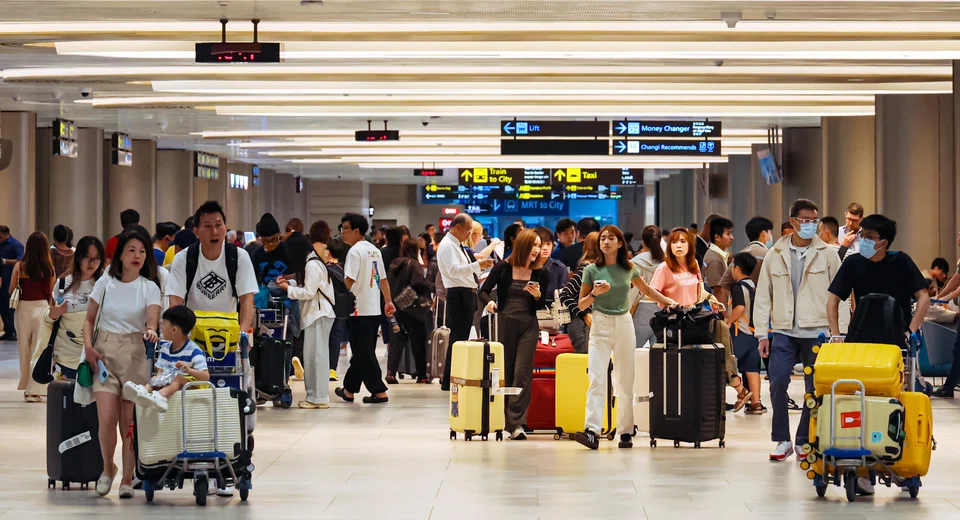
THE IRAN war has squeezed global supplies of jet fuel, threatening to upend vacation plans as the peak summer travel season approaches in the Northern Hemisphere.
The near-halt of shipping through the Strait of Hormuz has disrupted oil exports from the Persian Gulf, forcing refineries elsewhere to cut production of jet fuel and its base ingredient, kerosene. Compounding the problem, refiners in the Middle East, where more than 10 per cent of the world’s jet fuel and kerosene is typically produced, have struggled to deliver cargoes to buyers outside the region.
Jet fuel prices have risen even more than those of crude oil since the conflict started. They have surged to records, topping US$200 a barrel in Europe. Faced with higher fuel costs and lower supply, airlines have axed thousands of flights; grounded older, less-efficient aircraft; and raised airfares. Further cancellations may be around the corner.
Which markets are seeing the biggest disruption?
Asia has been hit particularly hard since it normally receives the majority of the crude oil shipped through the Strait of Hormuz. Asian refineries’ output of jet fuel and kerosene fell to 2.9 million barrels a day in April, a decline of more than 500,000 barrels a day from February, according to figures from the OilX service of Energy Aspects.
Europe is under pressure, as well. Refineries there have been closing for years, unable to compete with bigger and more-efficient plants in Asia. About 40 per cent of the jet fuel used by the European Union is imported, and half of that typically comes through Hormuz.
Shell said refineries in Europe are maximising jet-fuel production. The region has also been purchasing more barrels from North America and Africa, according to data from Vortexa. But it is unclear how well these supplies will hold up going forward, especially as jet fuel demand typically rises during the summer.
If Europe is unable to replace more than half of its lost Middle East supply, its jet fuel inventories could reach critical levels in June, according to the International Energy Agency, at which point “physical shortages may emerge at select airports, resulting in flight cancellations, and demand destruction.”
US President Donald Trump has said the US has “plenty” of jet fuel. He has rejected the idea of export curbs to protect domestic supply and previously called on nations to buy from America. But US refiners are already churning out record volumes, leaving limited room to ramp up production further, and are selling most of their jet fuel domestically.
North America routinely uses “Jet A” fuel. This has a higher freezing point than “Jet A1,” which is traditionally used in Europe and other parts of the world. The European Commission, the EU’s executive arm, said in May that there are “no regulatory obstacles to the use of Jet A fuel imported to Europe.”
SEE ALSO
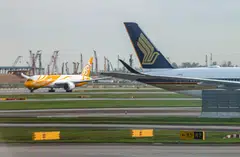
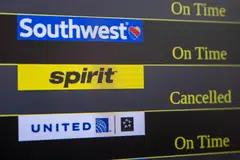
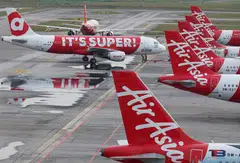
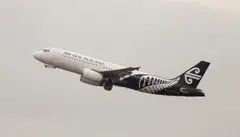

While the US is more cushioned from the global supply crunch as a net exporter of jet fuel, the US West Coast still imports about 15 to 20 per cent of its jet fuel, largely from South Korea, versus 5 per cent or less for other states, according to the American Petroleum Institute.
Which airlines are most affected?
Jet fuel is the second-largest expense for airlines after labour. It can account for as much as 30 per cent of operating costs, according to the International Air Transport Association.
Many carriers engage in fuel hedging, locking in a price now for jet fuel to be delivered at a later date. This protects them from price increases down the line, although the strategy can backfire if jet fuel becomes cheaper. European airlines have hedged a significant portion of their fuel requirements for the coming months.
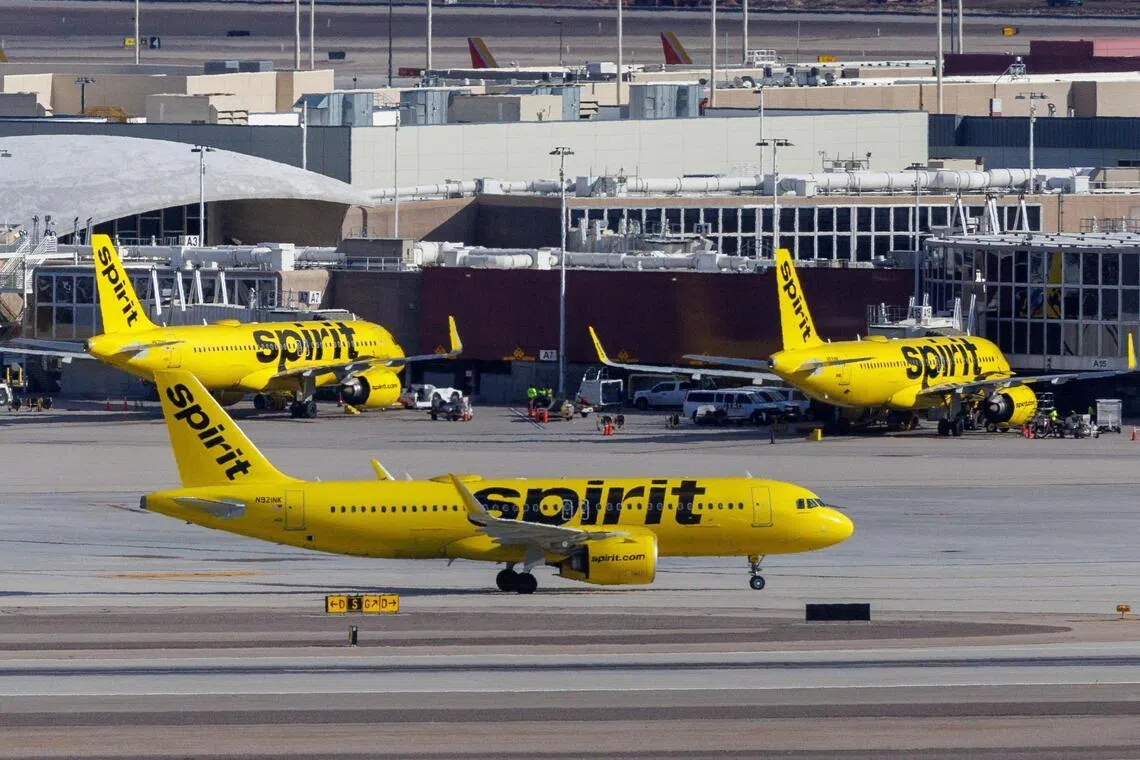
By contrast, most US carriers – the largest in the world by capacity – stopped hedging after suffering losses during the oil price swings around the 2008 financial crisis. That has left them more exposed to the war-driven jet fuel price surge. American Airlines Group said it faces more than US$4 billion in additional costs in 2026, while British Airways owner IAG said it expects to pay about €2 billion (US$2.4 billion) more for fuel in 2026.
Budget airlines are being squeezed because their business models are based on keeping costs low so they can offer cheap fares and frequent flights. US-based Spirit Aviation Holdings shut down in early May after the increase in fuel prices complicated its plans to emerge from bankruptcy, and it failed to secure a federal bailout. It was not the only one seeking financial assistance. A group of carriers asked the Trump administration for US$2.5 billion, according to people familiar with the discussions.
Have airfares increased?
Airlines have been leaning on customers to absorb the extra billions of dollars in jet fuel costs, adding fuel surcharges to tickets and raising fees to check bags and select seats. Some airline bosses have urged travellers to book flights sooner rather than later to avoid even bigger price increases if the war in the Middle East drags on.
The fare jump has been prominent in Asia. Hong Kong’s Cathay Pacific Airways has been adjusting its fuel levies, which will amount to around US$350 for long-haul, round-trip flights from mid-May.
In the US, as of Apr 27, the average cost of a round-trip international flight had risen 16 per cent from 2025 to US$1,101, according to travel comparison site Kayak. The average price of a domestic round-trip ticket increased 24 per cent to US$365.
Even if the Strait of Hormuz reopens, it will take time for Gulf flows of oil and jet fuel to return to normal. Even then, airfares are expected to remain elevated for some time as airlines try to recoup their additional expenses. United Airlines Holdings anticipates it can recapture as much as 100 per cent of the higher fuel costs by the end of 2026 by increasing prices for customers.
Have flights been cancelled?
Airlines have reduced their summer capacity by almost 4 per cent, removing 9.3 million seats from their schedules, according to analytics firm Cirium. Carriers have focused their cuts on less-profitable routes and off-peak flights. Deutsche Lufthansa, Europe’s largest airline group, said it is scrapping 20,000 uneconomic short-haul flights in the region this summer. It is also preparing for potential refuelling stopovers for direct flights.
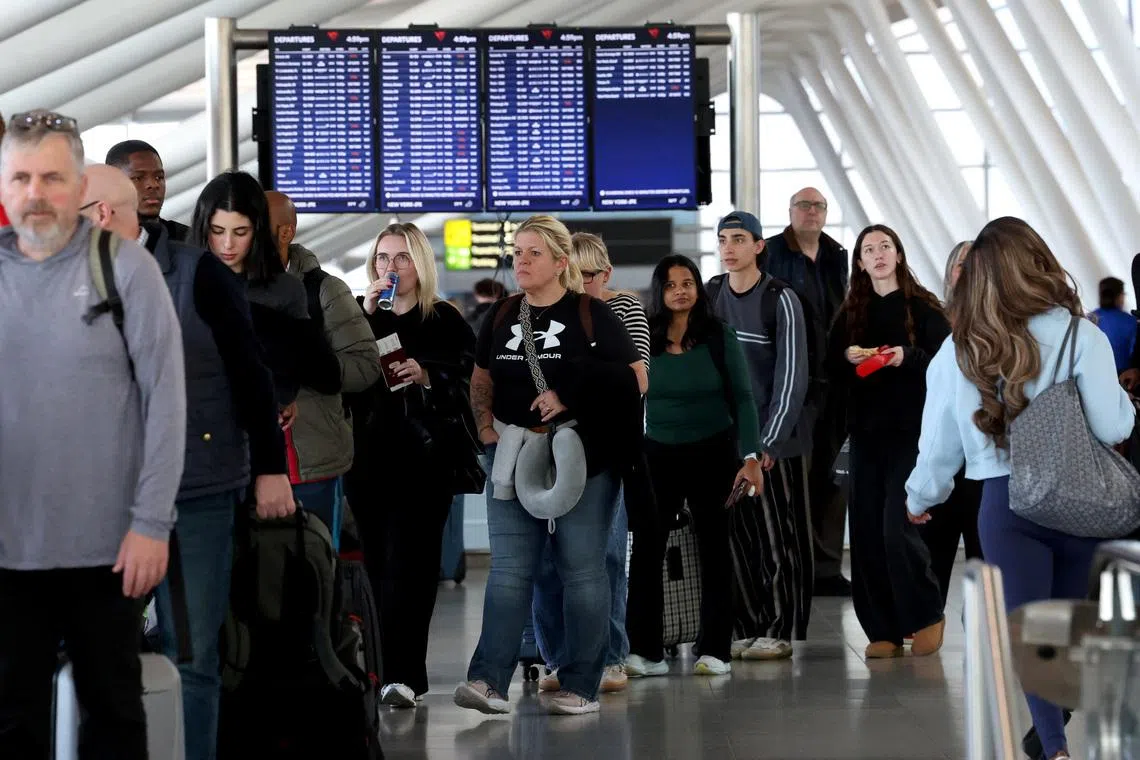
The trimming of itineraries may ease the pressure on jet fuel supply. That will be of little comfort to passengers whose travel plans are disrupted. Protections for consumers in the event of flight cancellations vary by country. Most airlines issue refunds, provide credit for another booking or offer an alternative flight if the original journey is cancelled.
Whether passengers are entitled to compensation for the inconvenience depends on if disruption from jet fuel shortages or high fuel costs is considered within the carrier’s control under local law. Airlines are exempted from providing compensation during extraordinary circumstances, which include war and extreme weather events.
The European Commission said local fuel shortages meet this threshold but high jet fuel costs do not. That means if a flight within or from the EU is cancelled due to fuel costs less than 14 days before the scheduled departure date, customers could be entitled to as much as €600. The same applies to passengers traveling to the bloc but only when booked on an EU carrier. BLOOMBERG
Decoding Asia newsletter: your guide to navigating Asia in a new global order. Sign up here to get Decoding Asia newsletter. Delivered to your inbox. Free.
Share with us your feedback on BT's products and services
TRENDING NOW

DBS, OCBC, UOB rout lops billions off STI as inflation, rate concerns spook investors

Grab CEO’s wife Chloe Tong on life with Anthony Tan and finding her purpose

OCBC sheds S$8 billion in value as shares close nearly 6% down; analysts cautious on banks

Deal between tycoon friends sparks scrutiny of Philippine power sector

