Putin leaves Beijing after Xi meeting with little progress on key China-Russia gas pipeline project
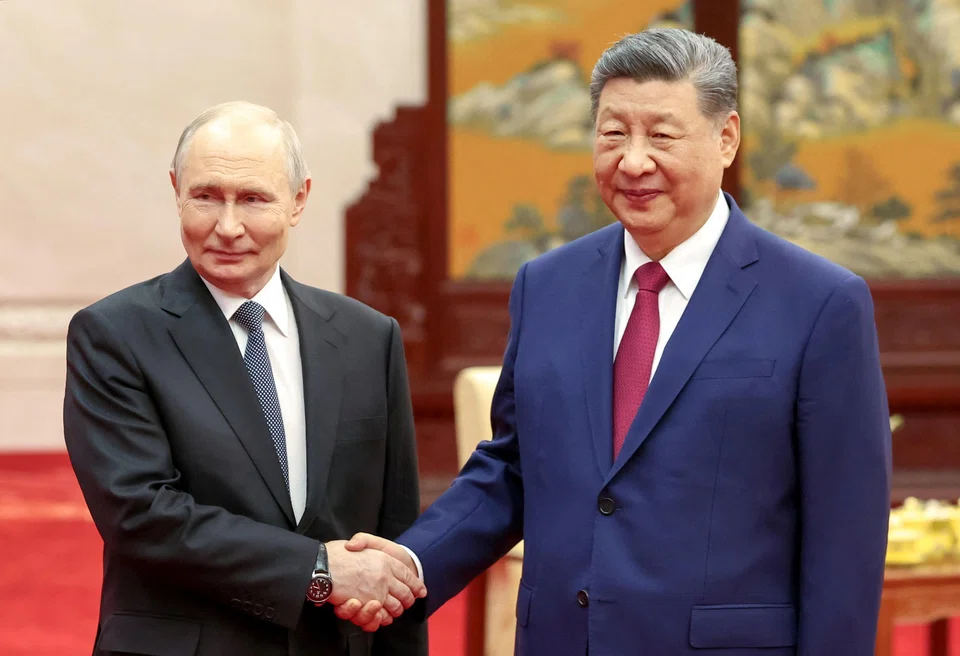
RUSSIAN President Vladimir Putin left Beijing on Wednesday night (May 20) with no sign of a breakthrough on a natural gas pipeline project with the potential to reshape global energy flows and geopolitics.
Russia has been trying for years to reach a deal on the Power of Siberia 2 link that would more than double its current gas exports to China. Putin’s state visit to the capital was expected to feature discussions as the Strait of Hormuz’s de-facto closure cast doubt on the long-term reliability of seaborne liquefied natural gas.
“There is an understanding regarding all the key parameters for Power of Siberia 2,” Kremlin spokesman Dmitry Peskov told Russian media in Beijing. “There are just some details left to be finalised,” he said, adding that the timeframe for the link has not been determined.
While Peskov called this “quite a big achievement”, in fact, officials in Moscow have been making similar statements for years. Such key details as pricing and volume flexibility for Power of Siberia 2 have yet to be decided and so far have proven to be stumbling blocks.
Gazprom has said it would sell to China at prices lower than what the remaining clients in Europe pay. But China is wary of becoming overly dependent on a single gas supplier, and Russia is already one of its top energy sources.
Discussions have accelerated since September 2025, when Russia’s Gazprom said it signed a legally binding agreement to construct the link. China did not confirm a deal then, but in March said it aimed to make progress on a Russian gas pipeline during its five-year plan through 2030.
The link would shipup to 50 billion cubic metres a year from gas fields in western Siberia that until a few years ago had served dozens of European customers. That is equivalent to more than 10 per cent of current Chinese demand. The conduit would cross Mongolia. The project would complement the existing Power of Siberia pipeline and bolster China’s energy security. It would increase Beijing’s reliance on Russia as a supplier, but offset concerns about LNG flows from the Middle East, which have slowed to a trickle since the closure of the Strait of Hormuz.
For Russia, it would provide a massive alternative market after gas sales to Europe were largely cut off over the war in Ukraine. With its economy under growing strain, Russia is heavily reliant on trade with China to weaken the impact of Western sanctions over the full-scale invasion of Ukraine that’s in its fifth year.
In the long run, the Kremlin aims to supply more than 100 billion cubic metres of pipeline gas to China every year, compared with almost 40 billion cubic metres in 2025. The flows would go via the first and the second Power of Siberia pipelines as well as the so-called Far Eastern route, according to Russian plans.
SEE ALSO


The Far Eastern route is designed to start operations in early 2027, carrying as much as 12 billion cubic metres of gas to the Asian nation every year. BLOOMBERG
Decoding Asia newsletter: your guide to navigating Asia in a new global order. Sign up here to get Decoding Asia newsletter. Delivered to your inbox. Free.
Share with us your feedback on BT's products and services