


Rise of student hostels helps add fuel to Hong Kong property boom
Analysts project a housing shortfall for as many as close to 150,000 students by 2030
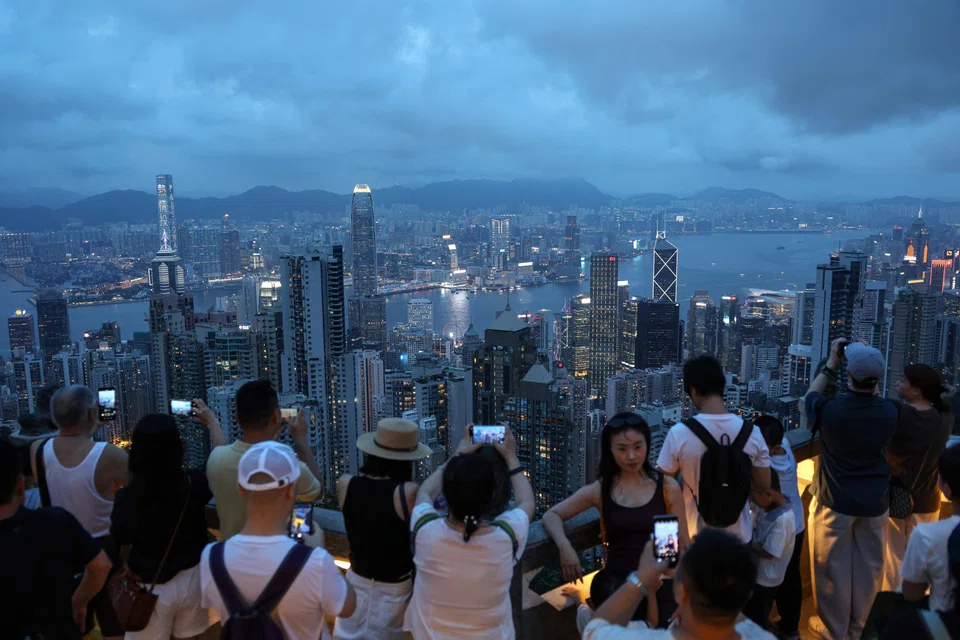
[HONG KONG] As universities in Hong Kong began the new academic year in September, many welcomed an influx of non-local students – the majority from the mainland across the border – as enrolment figures reached a new high.
According to observers, this is largely due to ongoing geopolitical tensions and tightened immigration policies in some countries that have resulted in many mainland students choosing to stay in the Asia-Pacific region rather than heading to universities in the West.
One sector in Hong Kong that is feeling the impact is student accommodation, with analysts projecting a housing shortfall for as many as close to 150,000 students by 2030.
“The supply shortfall is a very big number, and we continue to see the demand increasing,” said Kavis Ip, the chief executive officer of Centaline Investment.
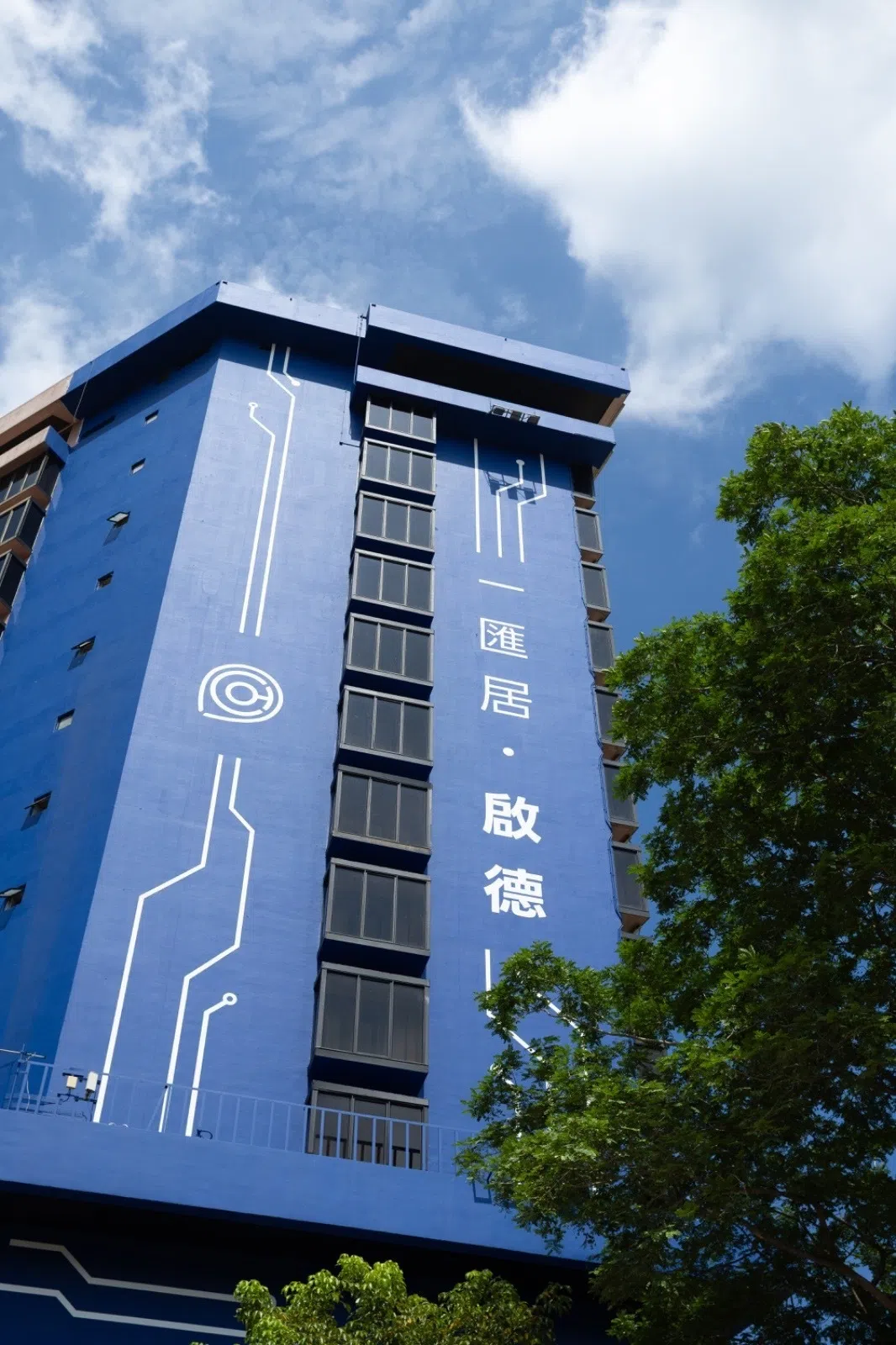
Her company – the real estate investment and asset management subsidiary of the Centaline Group – is building Hong Kong’s largest such student housing project, the redevelopment of the former Regal Oriental Hotel in Kowloon that will have about 1,500 beds.
Centaline bought the hotel in April this year for HK$1.52 billion (US$193.8 billion), with further planned investment of HK$2 billion. The first phase of the project, now known as One Hub Kai Tak, opened in September with about 500 students already moved in.
Thomas Chak, head of capital markets and investment services at consultancy Colliers Hong Kong, said that student housing has emerged as “the most sought-after asset class” in Hong Kong today.
“Most of the institutional money that’s coming in is from overseas. This is mainly because the government has rolled out new initiatives over the past two years,” he noted.
These include the relaxation of quotas for non-local undergraduate students from the previous 20 per cent threshold to 50 per cent now. There is no quota restriction for those enrolled in post-graduate programmes.
SEE ALSO
In September this year, the government released its first five-year plan for economic and social development, which provides a policy package combining land premium waivers, government-backed loans, self-financing and bond issuance by institutions, and the participation of private capital.
“This approach has successfully injected new market momentum into Hong Kong’s education real estate sector,” Chak added.
“Education assets in Hong Kong are no longer merely ancillary facilities for tertiary institutions. They have now emerged as a high-yield alternative asset class with growing appeal to institutional investors. Supported by the land premium waiver policy, the upfront development costs of new projects can be significantly reduced,” he explained.
Many investors are already taking a bet on the shifting terrain. Colliers’ research points to a trend evident in capital flows, with HK$11.1 billion in education-related commercial investments recorded in the first five months of 2026, and HK$4 billion transacted in 2025, accounting for 11 per cent of total commercial real estate investment volume in Hong Kong in 2025.
In terms of leasing transactions, some international schools and tertiary education institutions have inked several of Hong Kong’s largest leasing deals in recent years.
International appeal
Glenne Li, a 24-year-old student from China’s Henan province, currently stays in a student housing unit at One Pace 117 in the bustling Tsim Sha Tsui area, a five-minute walk from the Polytechnic University campus where he is pursuing a master’s degree.
He chose Hong Kong over Australia and the UK after considering Hong Kong’s lower costs and the proximity to his hometown, which takes about eight hours on the high-speed rail. He pays about HK$10,000 in rent for a shared room with another student.
Li estimates that over 95 per cent of the 122 tenants in the fully-occupied, 19-storey building are from mainland China. There are many others who do not live in Hong Kong itself, but choose to commute to Polytechnic University daily from neighbouring Shenzhen.
A spokesperson from the University of Hong Kong told The Business Times that applications this year came from more than 150 countries and regions from as far away as Peru, Honduras, Luxembourg, Latvia, Georgia and Algeria.
Last year the university admitted 1,600 new non-local undergraduate students. This year’s admission figures will be released in November.
Overall, student visas to Hong Kong reached a record of 94,517 in 2025, up from 46,821 in 2022. Non-local students now account for nearly 30,000 enrolments in international schools, an increase of 11 per cent from 2022, according to data from Colliers.
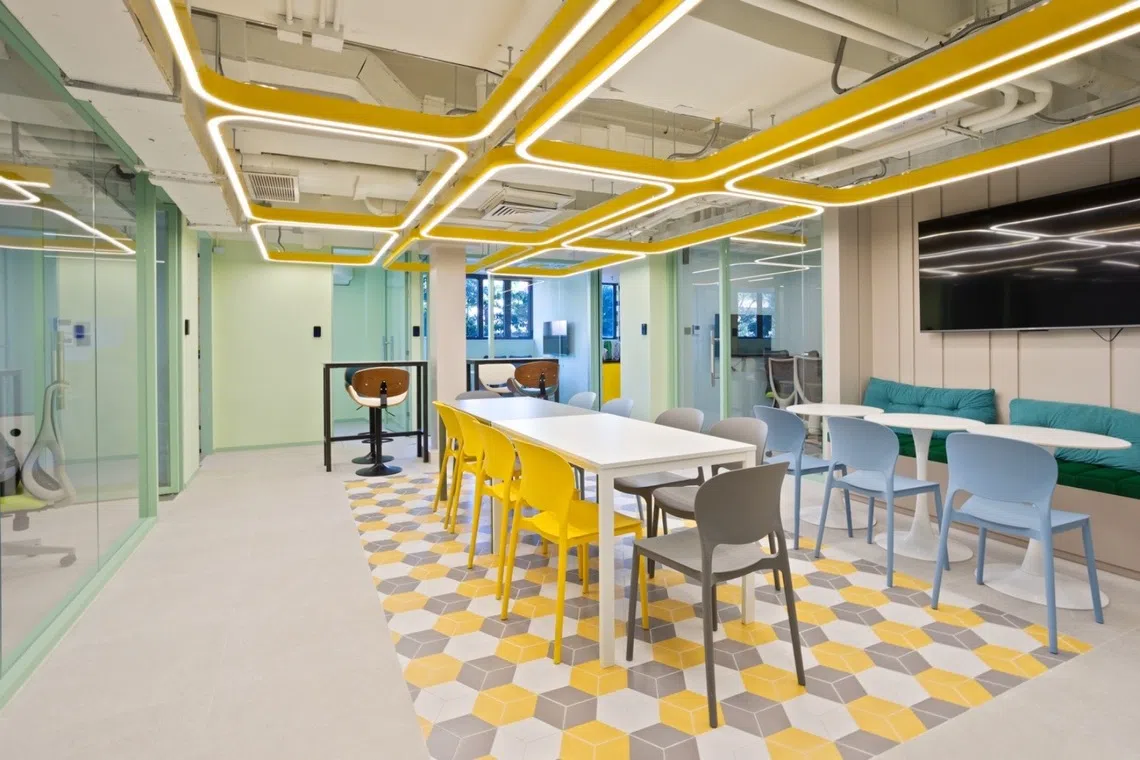
International students who previously might have settled in a sub-divided flat now have the option of living in one of the student housing buildings recently converted from hotels, in rooms of varying sizes.
Such student accommodation projects are part of the Hong Kong government’s “Hostels in the City Scheme” that was launched in 2025. As of July this year, some 40 venues have applied to be under this scheme, of which 38 have been confirmed. Collectively, they are expected to supply about 9,100 student beds.
Centaline spotted the student housing surge in Hong Kong in 2018, but was deterred by sky-high property prices at the time. Instead, it turned to investing in the US that year, followed by the UK a year or so later.
“All universities in Hong Kong combined provide accommodation for only about 20 per cent to 25 per cent of their student population. Their dormitories cannot accommodate all non-local students because they must prioritise local students,” said Ip from Centaline.
Ensuring adequate student housing capacity will be critical to Hong Kong’s ongoing drive to be a top educational hub in the region.
Quacquarelli Symonds, an industry analyst and service provider, ranked the city 17th globally on the Best Student Cities rankings, released in July this year, behind Seoul, Tokyo, Singapore and Beijing.
In a December 2025 report, it noted that “Hong Kong’s academic ambition is unquestionable, but capacity remains the main issue”.
For major investors like Centaline, Hong Kong’s push to be more hospitable to international students has been a long time coming.
Even during the Covid-19 pandemic, Ip pointed out that Centaline sold two student housing properties in the US and achieved annualised returns of more than 15 per cent.
“Student housing is super insensitive to economic cycles; there’s a very low correlation. The rent collection rate across our portfolio has been as high as 98 per cent, even during the pandemic,” she added.
Decoding Asia newsletter: your guide to navigating Asia in a new global order. Sign up here to get Decoding Asia newsletter. Delivered to your inbox. Free.
Share with us your feedback on BT's products and services
TRENDING NOW

If Europe goes to war, the fallout will be felt in East Asia

Singapore government slaps loan curbs on individual private-hire car buyers

Wider talent pools, smoother operations: What these S’pore firms gain from inclusive hiring

Philippines’ FDI slowdown exposes uneven investment prospects across S-E Asia

