



Xi signals defiance as US threatens further sanctions over China’s Iran ties
Any major concession on Iran by China would likely require a US offer of equal magnitude
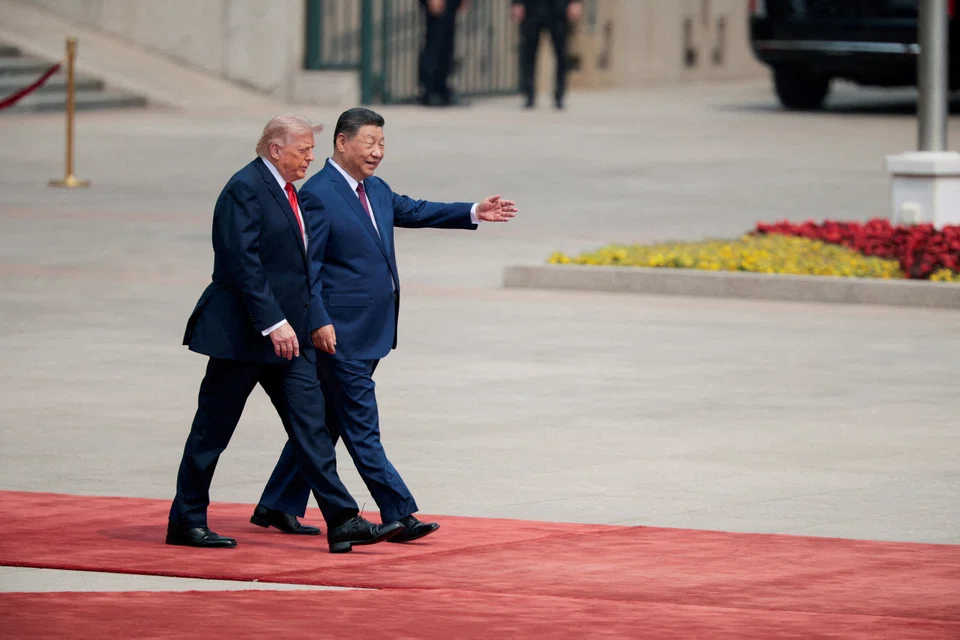
XI JINPING’S government is sending a message of defiance to Donald Trump over China’s economic ties with Iran.
Hours after the US sanctioned dozens of Chinese entities and threatened to target an unspecified “major financial institution” for its dealings with Teheran, Beijing responded by saying its relationship with Iran “should not be disrupted or undermined.”
China will take “all necessary measures” to safeguard its interests, Foreign Ministry spokesperson Lin Jian warned.
The response underscores the risk of another clash between the superpowers as Trump promotes an economic onslaught against Iran in a bid to pressure the Islamic Republic into a deal.
China has thrown Teheran an economic lifeline as its biggest buyer of oil, and Xi appears in no rush to help Trump end a conflict that is pulling US resources from Asia while giving him more bargaining power before a leaders’ summit in September.
For the US, taking action against any major Chinese bank supporting Iran’s wartime economy would invite bigger blowback from its Asian rival.
“China wants the conflict contained, but it has little reason to help Trump end it without receiving something in return,” said Jesse Marks, founder of Rihla Research & Advisory and a former Middle East policy adviser in the US government.
For Xi, there are benefits to Trump being focused on Iran.
The US in August redeployed its lone Asia-based aircraft carrier to the Middle East, while American forces later announced they were scrapping an exercise with South Korea over shortages related to deployments to the region around Iran.

That could give China a freer hand as it continues to assert its territorial claims in the South China Sea and around self-ruled Taiwan.
While Xi will not cut ties with Teheran, Beijing could decide to further reduce purchases of Iranian oil or keep income from such transactions locked in Chinese banks, Marks said. Pledging tighter controls on Chinese-made dual-use components that could reach Iranian weapons programmes is another option ahead of the summit.
Ignoring Washington completely could antagonise the US leader weeks before the Sep 24 meeting in Washington designed to preserve a trade truce between the world’s biggest economies. Ahead of that sit-down, China is already buying less discounted Iranian crude, as the US naval blockade squeezes supply.
China retains economic leverage over the US, constraining Trump from following through on more meaningful sanctions.
Beijing dominates the global rare earths supply chain critical to producing everything from mobile phones to missiles. Xi used that tool in 2025 to stop the US president’s sweeping tariff war, and it has since been effective in keeping guardrails on the relationship.
Underscoring that mutual desire to prevent ties from spiralling, the US is planning to limit pending overcapacity tariffs on China at a level Beijing previously approved, according to people familiar with the matter.
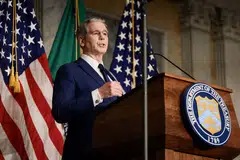
Bessent himself hinted at the US desire to avoid more economic upheaval, telling reporters on Monday that he did not “want to blow up the global financial system,” comments that come as US long-term borrowing costs soar to decade highs.
Washington likely knows China will not comply with America’s requests on Iran, but is hoping it can push Beijing into making some smaller concessions, said John Gong, a professor at the University of International Business and Economics in Beijing.
“Iran has been subject to sanctions for so long and the country never buckled. Why would it be different this time?” added Gong, who has worked as a consultant for China’s commerce ministry.
Chinese policymakers also have reasons to want global stability, as elevated prices threaten to damage demand for exports critical to growth.
Any major concession on Iran would likely require a US offer of equal magnitude.
Taiwan remains China’s brightest red line in bilateral ties, with Beijing repeatedly demanding Washington stop selling the chip hub weapons. A US$14 billion US arms package is still pending to Taiwan – the self-governed island the Communist Party considers its territory despite never having ruled it.
Diplomacy offers Xi another way to be seen as contributing to finding a solution to the war. Chinese officials, including Xi, have recently held discussions with leaders from Jordan, Kuwait and other Arab states.
China is also due to host a summit with Arab nations in 2026, while regional meetings such as a Shanghai Cooperation Organization huddle in Kyrgyzstan over Aug 31-Sep 1 could give Xi a fresh opportunity to engage Iranian representatives.
Ultimately, Bessent’s failure to take stronger action encourages China to see the US as overstretched by bond market turbulence, domestic political concerns over affordability and a new trade dispute with Canada, said Derek Scissors of the American Enterprise Institute.
“Beijing certainly won’t move early,” he added. “The US will have to show commitment to the new policy, which it hasn’t yet – and is something Trump rarely does.” BLOOMBERG
Decoding Asia newsletter: your guide to navigating Asia in a new global order. Sign up here to get Decoding Asia newsletter. Delivered to your inbox. Free.
Share with us your feedback on BT's products and services
TRENDING NOW

Government to bring forward raising of retirement age, give employers more financial support to create flexi-load jobs
If Europe goes to war, the fallout will be felt in East Asia
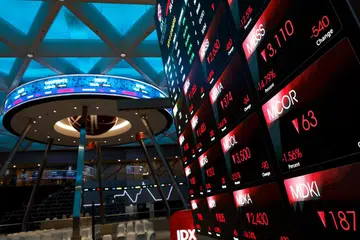
Indonesia stocks suffer worst plunge in nearly 30 years as MSCI proposes standalone status

Vietnam’s northern provinces, not Hanoi or Ho Chi Minh City, are powering near 10% GDP growth

