

US probes Iran wedding strike that analysis shows was likely direct hit by US munition
Weapons experts say damage is consistent with a direct strike, not a ricochet off another target
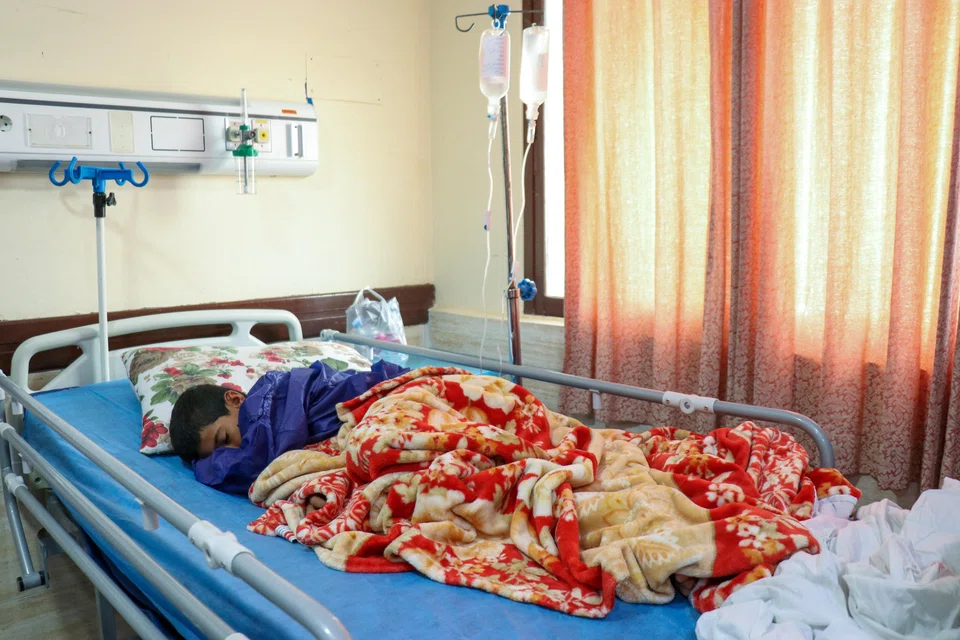
[DUBAI] US Vice-President JD Vance said that the US was investigating a deadly strike on an Iranian wedding earlier this week that an analysis published by Reuters showed likely resulted from a direct hit by a US munition.
An explosion that ripped through a wedding celebration in southern Iran on Tuesday (Sep 1) likely resulted from a direct hit by a US munition and not a ricochet off another target, according to an analysis on Thursday by weapons experts who reviewed images and video verified by Reuters.
The US has not accepted responsibility for the incident. US President Donald Trump’s administration is facing growing domestic public pressure to end a war that is weighing on his approval ratings ahead of crucial November midterm elections.
Iranian state television on Thursday said that a 22-year-old woman had died in hospital following the strike that hit a home during a wedding, taking the total reported death toll to five. Iranian officials said that nearly 70 were wounded.
Funeral-goers assembled in the late afternoon on Thursday outside the village of Kuhestak in Sirik County, along a stretch of the Strait of Hormuz coast that was hit by heavy US airstrikes late on Tuesday to mourn their loved ones.
Vance told reporters on Thursday that the US was looking into the incident. “We’re investigating it because obviously we care. We want to know,” he said.
“If we do make mistakes, again, this is a big difference between us and Iran, when our military makes mistakes, they learn from them to try to get better from them,” Vance added.
The US military said it was aware of the Iranian reports but it “never targets civilians”.
A US official speaking on condition of anonymity said the government is looking at various scenarios related to the casualties at the wedding, including whether they were caused by a US strike, some sort of ricochet of an Iranian air defence missile, or an errant interceptor itself.
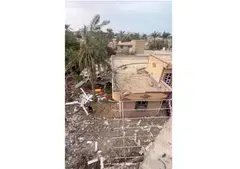
Reuters shared videos and images of the incident with four military weapons experts who said the damage was consistent with a direct hit, as opposed to secondary damage from a munition ricocheting off a different target.
Three of the experts said the munition was likely a US weapon, rather than an errant Iranian air defence missile. One of the experts said the weapon may have simply missed its objective.
The incident came some six months after a missile destroyed a primary school in an incident that Iranian officials said killed more than 175 children and teachers.
Reuters previously reported that an initial, internal US military investigation showed US forces were likely responsible for that strike. The Pentagon has not publicly released the findings of its probe.
Mourning the victims
Iranian mourners carried caskets at a funeral on Thursday for victims of a US airstrike said to have struck a wedding party, and Teheran launched missiles and drones overnight at a US base in Kuwait, after the war’s biggest escalation in more than a month.
Mourners assembled in the late afternoon outside the village of Kuhestak in Sirik County, along a stretch of the Strait of Hormuz coast that was hit by heavy US airstrikes late on Tuesday.
At the funeral for four victims from the wedding, Iran’s Mehr news agency video showed a pickup truck carrying a flag-draped coffin beneath a canopy of palm fronds.
A reporter in front of the truck said, “This is the body of Martyr Amir-Mohammad Karimi, a 4-year-old child who was martyred in an attack on the country’s south by the criminal American regime.”
In other footage of the funeral, mourners threw petals into the air as doleful music played from a loudspeaker. A casket was carried past a row of soldiers standing at attention with rifles.
“If it was a military location, it wouldn’t be so painful. This was a wedding ceremony, but they turned people’s joy into mourning,” the semi-official Tasnim news agency quoted a local man as saying.
US carried out heavy bombardment on Tuesday
Washington launched the airstrikes on Tuesday, hitting what it said were military targets along the coast in retaliation for Iranian attacks on shipping in the Strait of Hormuz.
The sudden escalation of the Iran war has caused a surge in oil prices to levels unseen since July. Prices rose for a fourth straight day on Thursday, taking Brent crude futures over US$96 a barrel.
Iran reported 18 dead in the last US assault. It responded on Wednesday to the US strikes with attacks on US bases in Iraq, Jordan, Qatar, Kuwait and Bahrain, and carried out further attacks early on Thursday, saying it was targeting another US base, in Kuwait.
Kuwait’s military said its air defences had intercepted missiles and drones. But following that, the war’s biggest flareup since July appeared to subside, with no more major attacks from either side reported as Thursday wore on.
The month of August was largely quiet in the Gulf after Trump abruptly halted two weeks of intensive airstrikes in July, having been warned by his military that Washington was running low on munitions.
Trump has yet to achieve the aims he set out when he launched Operation Epic Fury in February: to end Iran‘s nuclear programme, halt its ability to attack its neighbours and create conditions for Iranians to topple their leadership.
Iran‘s economy has suffered severely from a US blockade. But its clerical rulers remain in power and aim to emerge from the war stronger than before, demanding the lifting of sanctions and hoping to collect fees from ships that use the strait, which carried a fifth of global oil and gas shipments before the war. REUTERS
Decoding Asia newsletter: your guide to navigating Asia in a new global order. Sign up here to get Decoding Asia newsletter. Delivered to your inbox. Free.
Share with us your feedback on BT's products and services






