

Iran receives Vance letter, signals no shift in peace deal terms
The Islamic Republic’s parliament speaker says a ‘carrot-and-stick approach’ has no effect on it
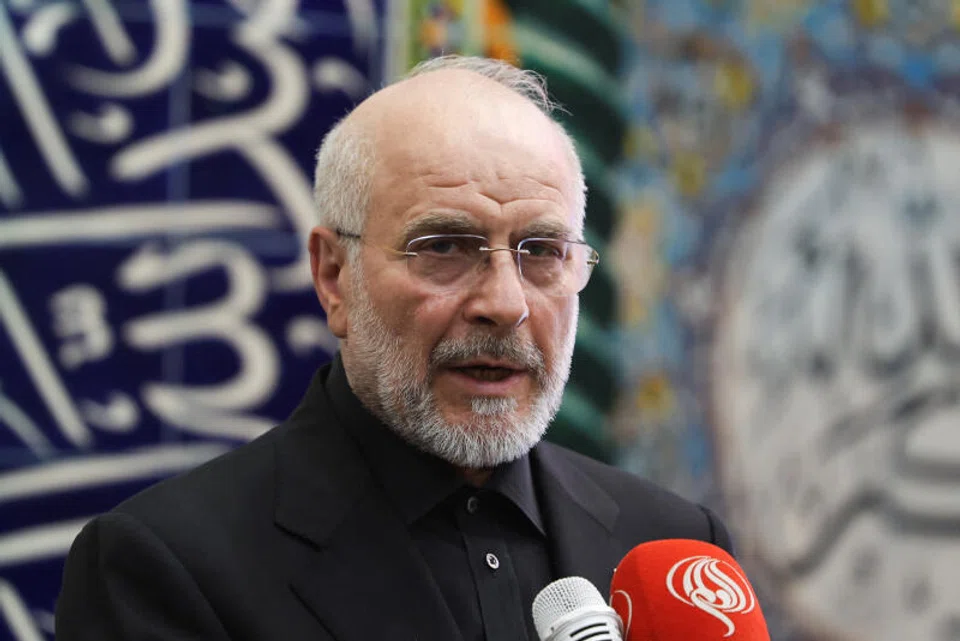
[TEHERAN] Iran received a letter sent by US Vice-President JD Vance to its top security official, the semi-official Tasnim news agency reported, with one of the country’s top negotiators later suggesting Teheran’s positions on ending the war will not be compromised.
Tasnim did not disclose the contents of the letter addressed to Mohsen Rezaee, the hardline chief of the Supreme National Security Council, or say whether Teheran is preparing a reply.
But in a post on X after the letter was reportedly received, Iranian Parliament Speaker Mohammad Bagher Ghalibaf, one of Iran’s negotiators in previous talks to end the war, wrote that “Iran’s conditions have been repeatedly and clearly stated to the mediators”.
“The carrot-and-stick approach has no effect on Iran,” Ghalibaf continued without mentioning Vance’s letter or saying if his comments constituted a formal reply.
The highly unusual approach by Vance comes as US President Donald Trump repeatedly threatens to resume airstrikes on Iran amid an impasse in negotiations to end the eight-month war.
Trump told reporters on Wednesday he authorised Vance to contact Tehran, saying the letter was meant to assist Iran with “medical supplies and various things”, without providing specifics.
The Wall Street Journal earlier reported that Vance had written to Rezaee in a bid to revive peace negotiations.
The development follows high-level talks in Teheran this week with officials from Saudi Arabia, Turkey, and Pakistan. The parties described the meeting as positive and agreed to continue discussions, though no formal second round has been set.
Iran’s Supreme Leader Mojtaba Khamenei reiterated earlier this week that his country has certain conditions that must be met before an end to the war can be agreed.

At the heart of the impasse is Teheran’s ongoing attacks on ships passing through the Strait of Hormuz, while the US has imposed a naval blockade on Iran’s ports.
Iran has repeatedly said in recent weeks that it remains open to diplomacy, with Foreign Minister Abbas Araghchi writing on X on Thursday that while “our Brave Armed Forces are fully prepared to defend the Homeland, Iran continues to give diplomacy a chance to succeed”.
The US and Israel started bombing Iran in late February, triggering retaliatory strikes by Teheran on Gulf nations hosting US military bases.
The war has killed thousands – mostly Iranian civilians – while disrupting energy shipments through the Strait of Hormuz and roiling global markets. BLOOMBERG
Decoding Asia newsletter: your guide to navigating Asia in a new global order. Sign up here to get Decoding Asia newsletter. Delivered to your inbox. Free.
Share with us your feedback on BT's products and services
TRENDING NOW

If Europe goes to war, the fallout will be felt in East Asia

Singapore government slaps loan curbs on individual private-hire car buyers

Wider talent pools, smoother operations: What these S’pore firms gain from inclusive hiring

Philippines’ FDI slowdown exposes uneven investment prospects across S-E Asia

