

Japan’s 2026 wage talks end in third year of gains above 5%
It was a significant result toward a society where wage increases are the norm
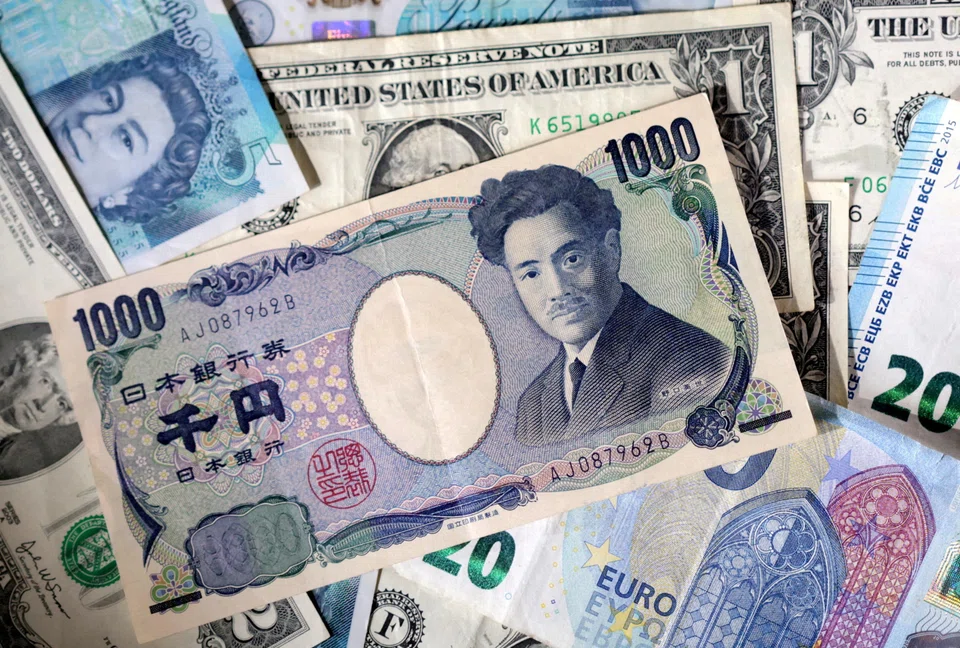
[TOKYO] Japan’s annual wage negotiations concluded with average pay gains topping 5 per cent for a third year, underscoring the economy’s resilience and reinforcing the Bank of Japan’s stance to keep raising interest rates.
Workers at 5,368 companies affiliated with Rengo, the country’s largest labour union group, secured an average wage increase of 5.01 per cent, according to the group’s final tally released on Friday (Jul 3). While the figure came in lower than last year’s 5.25 per cent, it met Rengo’s 5 per cent target for a third straight year – the first such streak since 1989-1991.
It was a significant result in terms of taking another step forward toward a society where wage increases are the norm, a ministry official told reporters on Friday.
Rengo represents roughly 7 million workers, or about 10 per cent of Japan’s labour force. The group released its first tabulation of results in March and has updated the figure several times after gathering data from a widening pool of companies. Typically the result slips with each update, as more smaller companies report.
The base-pay increase came to 3.5 per cent, topping the group’s target of at least 3 per cent. In a Bloomberg survey of economists in March, the median forecast called for an overall wage increase of 5.05 per cent and a base-pay increase of 3.5 per cent.
The results reinforce the BOJ’s view that Japan’s wage-price cycle remains intact, which should keep the central bank on track toward further interest-rate increases. Markets are currently pricing in roughly a 93 per cent chance of another BOJ rate hike by December, with recent data strengthening the case to move earlier.
This year’s negotiations produced resilient wage gains despite a series of headwinds. Companies had to contend with supply-chain disruptions amid the war in Iran, the weak yen-driven inflation and higher borrowing costs following the BOJ’s earlier rate hikes.
Those challenges intensified after mid-March, meaning smaller firms – which typically conclude negotiations in April or later – were more exposed than large companies, whose talks had mostly wrapped up earlier. Among unions with fewer than 300 members, the average wage increase was 4.69 per cent, while the base-pay increase was 3.51 per cent.
The wage settlements are also expected to support Japan’s steady economic expansion, which is on track to become the country’s longest postwar growth streak. Robust corporate earnings and persistent labour shortages have continued to put upward pressure on wages as companies compete to attract and retain workers.



Still, stronger pay packets may not translate fully into higher purchasing power, as inflation could accelerate if firms pass on higher labour, import and energy costs to consumers. While real wages have risen for four consecutive months thanks to government subsidies easing inflationary pressures, it remains uncertain whether that momentum can be sustained.
Despite emphasising economic growth, Prime Minister Sanae Takaichi’s administration has placed less emphasis on wage targets than its predecessor.
In its draft growth strategy release last month, the government pledged to raise Japan’s nationwide average minimum wage to 1,500 yen (S$12.01) an hour “as early as possible, and no later than the first half of the 2030s.” That effectively pushed back former Prime Minister Shigeru Ishiba’s goal of reaching the target in the current decade. BLOOMBERG
Decoding Asia newsletter: your guide to navigating Asia in a new global order. Sign up here to get Decoding Asia newsletter. Delivered to your inbox. Free.
Share with us your feedback on BT's products and services
TRENDING NOW

Once staunchly pro-China, Malaysian Chinese businesses are now distancing themselves from Beijing

Looking beyond looming CEO succession, should UOB potentially pursue a transformative merger?

Could stablecoins be the future of money?

Grab CEO’s wife Chloe Tong on life with Anthony Tan and finding her purpose

