JB-Singapore RTS Link delayed by a month due to safety, testing needs; to start in Feb 2027
All systems tests and trial runs are expected to be completed by the end of this year

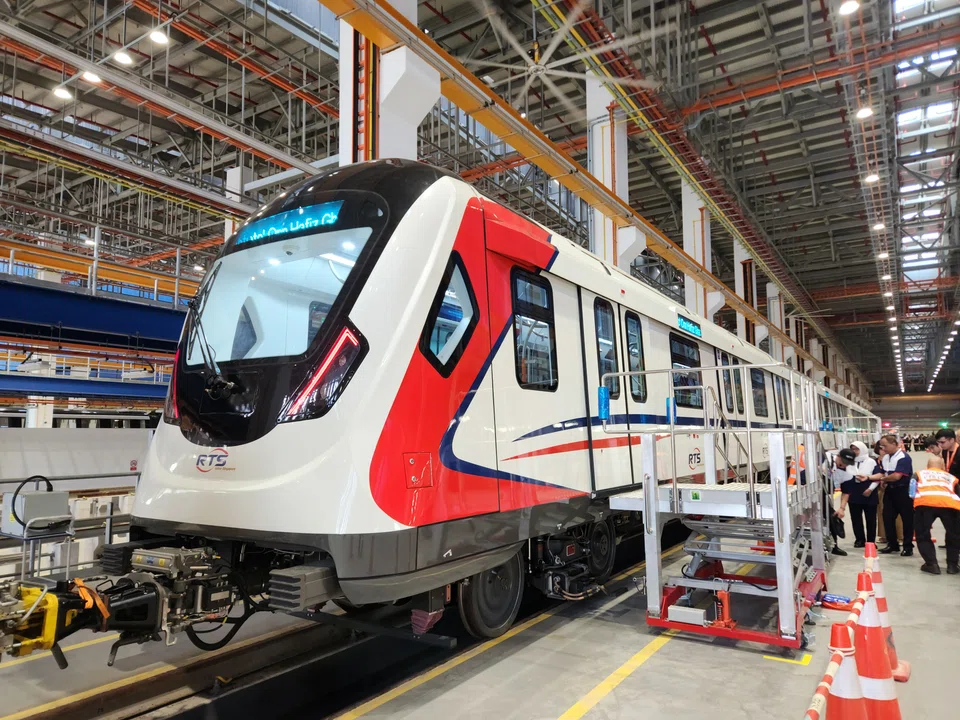
[SINGAPORE] The opening of the Johor Bahru-Singapore Rapid Transit System (RTS) Link will be delayed by a month to February 2027, the rail system’s operator, RTS Operations (RTSO), said on Friday (Oct 2).
RTSO added that it expects to complete all systems tests and trial runs by Dec 31, 2026.
However, taking into account “expected duration of works and time needed to obtain certification from a third party and approval by both grantors”, passenger service will commence in February 2027.
Originally, the RTS was slated to start in January 2027.
In a separate joint statement on Friday, the two grantors of the project – Singapore’s Land Transport Authority and Malaysia’s Ministry of Transport – said that they had been informed of the new timeline by RTSO. “The revised timeline remains subject to RTSO obtaining independent safety certification for the RTS Link and securing final regulatory approvals,” they noted.
The system’s infrastructure in both countries is “substantially complete and (remains) on track to support passenger service upon the satisfactory completion of the remaining testing and commissioning activities”.
After final system tests and trial runs by Dec 31, RTSO will need to obtain safety certification from an independent safety assessor, they added.
“Regulatory approvals to commence passenger operations can then be granted after authorities from both countries have reviewed and satisfied themselves with the independent safety certification.”
In a social media post, Singapore’s Transport Minister Jeffrey Siow said: “The teams have been working hard on the project. The plan was for safety certification and licensing to have been completed before the end of this year, but it was not to be.”
SEE ALSO



He added that services are targeting a start before Hari Raya Puasa, which is on Mar 10, 2027.
In an interview with The Straits Times, Malaysia’s Transport Minister Anthony Loke said: “To be safe, RTSO has pushed it to mid-February 2027.”
Singapore-Malaysia joint venture
RTSO is a joint venture between Malaysian public transport provider Prasarana Malaysia, which owns 52 per cent, and Singapore rail operator SMRT Corp, which owns 48 per cent.
In August, Malaysia’s Transport Minister Anthony Loke said that the rail system was in its final integration testing stages between Singapore and Malaysia.
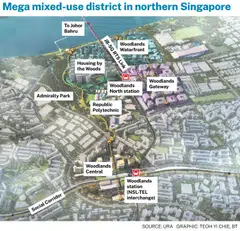
The RTS is a 4 km light-rail system that will shuttle passengers between Woodlands North station in Singapore and Bukit Chagar station in Johor Bahru.
The project was first announced in 2010. After delays, construction began in 2021. Bukit Chagar station was completed on Aug 18, while Woodlands North station was completed on Sep 4.
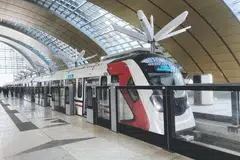
The RTS will have eight trains manufactured by China Railway Rolling Stock Corporation Zhuzhou Locomotive, with a peak capacity of 10,000 passengers an hour, in each direction.
The RTS, a major cross-border infrastructure project involving the governments of both countries, will boost connectivity and potentially reduce Causeway congestion by up to 35 per cent.
At the unveiling of the first RTS train in June 2025, Transport Minister Siow said: “The RTS Link will boost connectivity between our two countries. It will foster stronger ties between our peoples, and it will also generate shared economic and social benefits, be it travelling to and from work, exploring the wide range of leisure options on both sides, or staying connected with loved ones.”
Loke, at the same event, pointed out: “Let’s be clear – this project is no ordinary infrastructure. It represents strengthening ties of friendship, trust and mutual respect between Malaysia and Singapore, showcasing to a world of increasing trade protectionism what we can achieve when we work together.”
He added that the RTS Link is a “major component of the Johor-Singapore Special Economic Zone”.
Decoding Asia newsletter: your guide to navigating Asia in a new global order. Sign up here to get Decoding Asia newsletter. Delivered to your inbox. Free.
Copyright SPH Media. All rights reserved.