

Oil settles flat as Hormuz disruptions offset global surplus fears
Brent crude futures are up US$0.03, or 0.03%, at US$91.98 a barrel
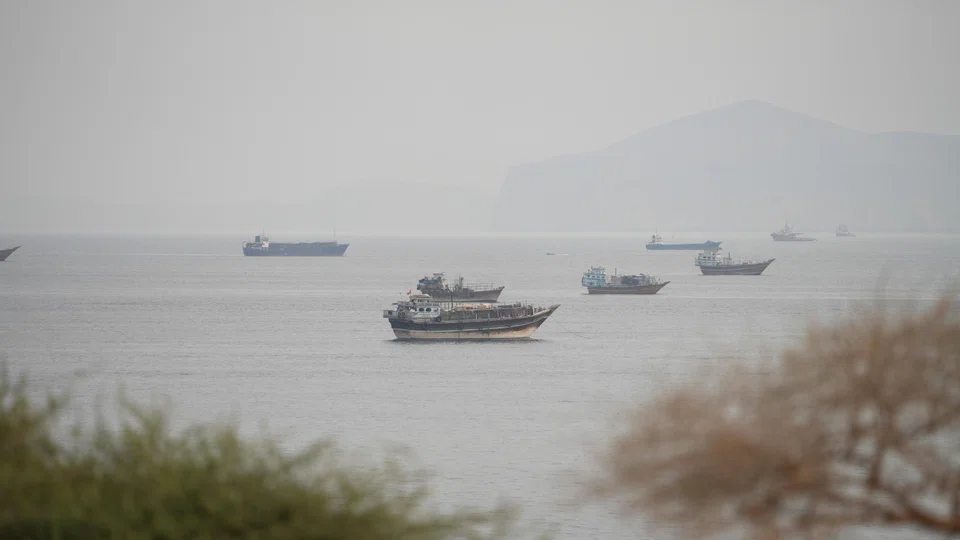
[NEW YORK] Oil prices settled little changed on Thursday (Nov 19), as reports of tanker disruptions in the Strait of Hormuz offset pressure from rising US crude inventories and forecasts for a global oil surplus.
Brent crude futures settled up US$0.03, or 0.03 per cent, at US$91.98 a barrel. US West Texas Intermediate crude eased US$0.05, or 0.06 per cent, to settle at US$83.21 a barrel, the lowest since Aug 26.
Two oil tankers hit naval mines in the Strait of Hormuz on Thursday and “exploded”, Iran’s navy said in a statement carried by state media. Reuters could not independently verify the report.
The Iran-aligned Houthi movement also fired missiles at the Saudi Arabian capital Riyadh.
Saudi Arabia’s civil defence said on Thursday that the attack damaged several floors of Riyadh’s tallest skyscraper, headquarters of the Saudi sovereign wealth fund and nearby buildings, but no injuries were reported, state news agency SPA reported.
Earlier, two Western officials briefed by the Saudis said the kingdom is preparing for war against Yemen’s Houthis to stretch well into next year.

“Rising Iranian attacks are weighing on Middle Eastern exports just as China ramps up crude imports, reducing oil on water and tightening the oil market,” said UBS analyst Giovanni Staunovo.
Cumulative losses from the Middle East conflict have now reached 2.8 billion barrels of oil and 60 billion cubic metres of gas supply from the Gulf, the International Energy Agency (IEA) said on Thursday.
The IEA, however, added that the conflict could cut world oil demand by more than 4 per cent by 2035 if governments accelerate electrification, efficiency and fuel-switching measures in response.
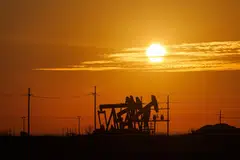
Russia’s crude oil output could fall again as Ukrainian attacks on refineries and export infrastructure intensify. Reuters, citing industry sources, reported on Wednesday that Ukrainian drone attacks have reduced Russian oil refineries’ combined crude processing volumes by 45 per cent since late October.
Separately on Thursday, Russian President Vladimir Putin said that Moscow would hit back hard after Ukraine struck the bridge linking Russia and Crimea for a third time this week and said he was dropping any idea of a moratorium on attacking energy sectors and shipping.
Surplus supply
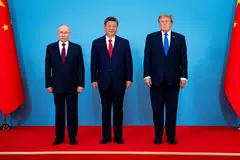
Despite geopolitical risks, signs of ample supply and a meeting between US President Donald Trump and his Chinese and Russian counterparts, Xi Jinping and Putin, weighed on the market.
The three leaders agreed on a symbolic “peace declaration” at an unprecedented three-way meeting on Thursday and reaffirmed that nuclear war should never be fought and pledged to increase fuel products for all countries.
Trump said both he and Xi felt strongly about oil having to flow through the Strait of Hormuz, and separately said the US would “see what happens” in its conflict with Iran after Jan 1, without explaining what the significance of that date might be.
Republicans in the US Senate rejected legislation directing Trump to end the war in Iran or obtain Congress’ approval to continue it.
Elsewhere, a report from the Joint Organizations Data Initiative reinforced concerns of a supply glut after it reported that Saudi Arabia’s crude exports rose nearly 21 per cent in September from August to 5.38 million barrels a day, the highest level since February.
On Wednesday, the Energy Information Administration reported a larger-than-expected build in US oil inventories.
Adding to expectations of surpluses, US Energy Secretary Chris Wright said Washington was considering ramping up diesel and oil exports to Europe, where the US has become the leading supplier since the US-Iran war began.
“Crude oil is caught between growing supplies and the continuing threat of war-related disruptions. Markets crave stability, and right now, they’re finding very little of it,” Tim Snyder, chief economist at Matador Economics, said. REUTERS
Decoding Asia newsletter: your guide to navigating Asia in a new global order. Sign up here to get Decoding Asia newsletter. Delivered to your inbox. Free.
Share with us your feedback on BT's products and services
TRENDING NOW

Demand, tech capabilities position Apac and AI as Skyscanner’s next growth frontiers: CEO Bryan Batista
Motoring tycoon Peter Kwee is back in court: Here are his previous legal battles

South-east Asia has lost Nvidia’s best salesman

Could Jensen Huang work for Elon Musk? It would be ‘a titanic ego death match’, says biographer

