

Surge in software patches likely behind recent tech outages, experts say
The advent of easily accessible AI tools and large language models has supercharged the discovery of vulnerabilities in software
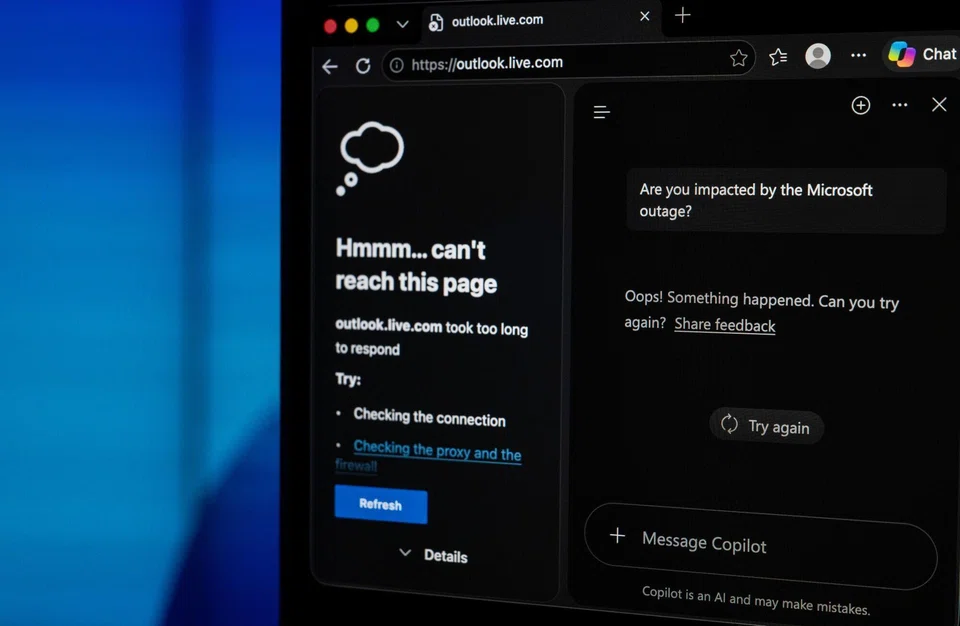
WHILE the causes of recent disruptions to the way people work, access bank accounts and travel remain unclear, increased efforts to rapidly patch newly discovered vulnerabilities in the AI age are likely a major factor, according to cybersecurity experts and US officials.
US Secretary of State Marco Rubio, speaking to reporters in Manila this week, said company patching efforts are, at times, “creating short-term disruption in the way the system works.”
Patches are software and operating system updates intended to fix security vulnerabilities found within a program or product.
A string of technology outages affecting airlines, workplaces and online banking has intensified concerns that organisations are struggling to keep pace with the flood of software vulnerabilities being uncovered and patched in the AI era.
Banking executives said that they were rushing to fix the patches after a technical outage disrupted online operations earlier this week.
Director of National Intelligence Jay Clayton told a House of Representatives Homeland Security Committee hearing on worldwide threats on Wednesday that there is so far no indication that the tech outages are related.

But Clayton said the speed and level of capability of computer systems are “increasing substantially,” so legacy computer systems and equipment that already were old are aging much more quickly.
The advent of easily accessible AI tools and large language models has supercharged the discovery of vulnerabilities in software.
Microsoft this month has addressed more than 1,200 software vulnerabilities, nearly 20 times higher than in the same month a year ago, according to cybersecurity firm Qualys.
SEE ALSO





“AI has made finding critical vulnerabilities fast and cheap, and the number of flaws that demand immediate patching has grown with it,” said Yuval Itzchakov, CTO and co-founder of autonomous offensive security company A Security.
“Emergency patches go into core infrastructure within hours, often without the full testing cycle, and they are intrusive by design: they change runtimes, kernels and network components that everything else depends on. That speed and scale of change is itself a source of failure,” Itzchakov said.
Josh Bressers, director of coordinated vulnerability disclosure at cybersecurity firm VulnCheck, said that in 2026 there have been 100,000 publicly disclosed vulnerabilities, tracked by industry as Common Vulnerabilities and Exposures, or CVEs. Of those, Bressers said, 1,363 were known to have been exploited in the real world.
“Given tight resources for defenders, understanding which vulnerabilities need attention first is critical,” Bressers wrote in a LinkedIn post. “Not all vulnerabilities are created equal.”
Anne Neuberger, general partner at Andreessen Horowitz, said that AI is helping attackers find and weaponise vulnerabilities, but is a more “valuable friend” to those tasked with defending key computer networks.
“AI is enabling enterprises to find 10 times more vulnerabilities,” said Neuberger, who served as deputy national security adviser under former President Joe Biden and led incident response to serious national incidents. “And when patching at scale, some can cause problems.”
Bank vulnerabilities
At least one major bank was rushing to address a wave of recent patches and there is a lot of work needed, a source at the bank said, speaking on condition of anonymity.
Lenders had also received inquiries from the banking regulator, Office of the Comptroller of the Currency, after the outages, another source said. The US regulator was trying to assess the impact and also asked about increased customer communication, the source added.
The OCC did not immediately respond to a request seeking comment.
“The banks and everyone else have had a short-term goal on efficiency and cutting costs when it comes to AI, and that has built a technical deficit,” said John Cosgrove, head of Walden Advisory, an enterprise security and resilience advisory firm. “That might have not been a problem on its own, but AI is now introducing a speed and scale of changes that you can’t keep up with,” Cosgrove said.
Ronald Gestiehr, director of wealth management at Luttner Financial, said technology has made banking “incredibly convenient, and while occasional outages can be frustrating, I don’t believe the outages will have a significant impact on consumer confidence or change how most people manage their money.”
“Financial institutions have invested heavily in technology and security, and, unfortunately, occasional disruptions will happen,” Gestiehr said. “What matters most is how quickly those issues are identified, resolved and communicated to customers.” REUTERS
Decoding Asia newsletter: your guide to navigating Asia in a new global order. Sign up here to get Decoding Asia newsletter. Delivered to your inbox. Free.
Share with us your feedback on BT's products and services
TRENDING NOW

Peter Kwee loses appeal to reclaim properties in daughter’s name; judges rule trust was ‘illegal’

South-east Asia has lost Nvidia’s best salesman

Demand, tech capabilities position Apac and AI as Skyscanner’s next growth frontiers: CEO Bryan Batista

Could Jensen Huang work for Elon Musk? It would be ‘a titanic ego death match’, says biographer

