

Trump says US-Iran deal ‘largely negotiated’, would reopen Hormuz
Plans for Teheran’s uranium would be negotiated within 30 to 60 days: media reports
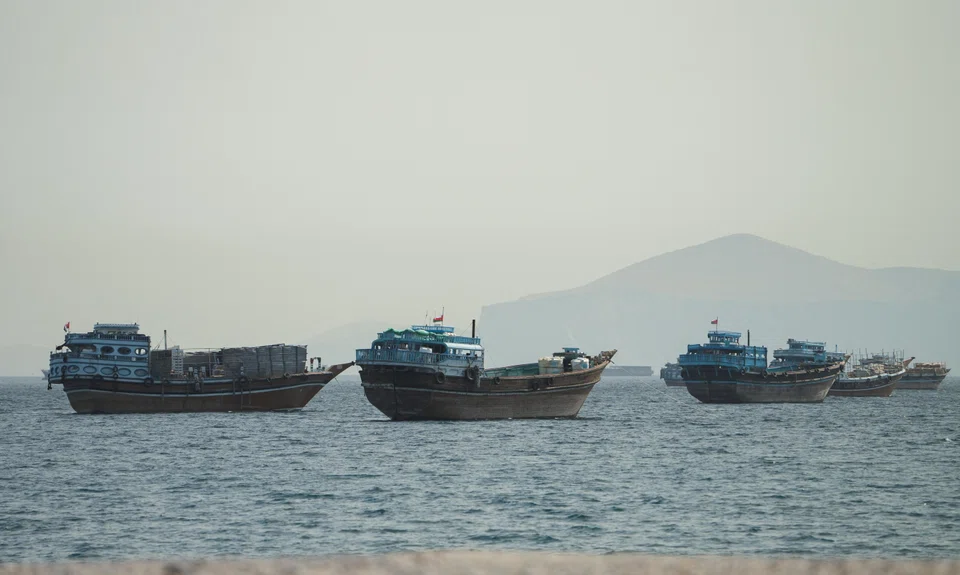
[WASHINGTON/ISLAMABAD] A “largely negotiated” memorandum of understanding on an Iran peace deal would reopen the Strait of Hormuz, US President Donald Trump said on Saturday (May 23), as expectations rose that a turning point might be imminent in the three-month-old war.
Trump posted on social media that the emerging agreement would reopen the strait, the vital shipping passage whose closure has sparked a global energy crisis since the US and Israel launched the war on Iran in February. He did not say what else would be included in an agreement.
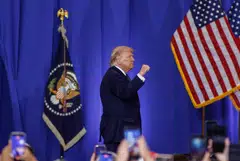
“Final aspects and details of the deal are currently being discussed, and will be announced shortly,” Trump wrote on Truth Social.
Various media in the US and Iran said the memorandum that could yield an agreement lays out a phased framework for ending months of fighting, reopening the strategic waterway soon and lifting a US blockade on Iran.
Plans for Iran’s stockpile of enriched uranium, which Washington has insisted it give up, would be negotiated within 30 to 60 days, the reports said.
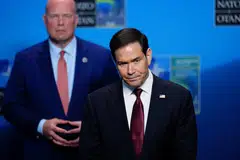
US Secretary of State Marco Rubio, on a visit to India, said more news on Iran could come on Sunday and there was a possibility of good news on the strait over the next few hours.
Iran’s nuclear programme in focus
A deal cementing a fragile ceasefire in the war that the US and Israel launched on Feb 28 would bring relief to markets but would not immediately quell a global energy crisis, which has driven up costs of fuel, fertiliser and plastics.
Even if the war ended now, full oil flows through the strait would not return before the first or second quarter of 2027, the head of the United Arab Emirates’ state oil firm Adnoc said last week.
Axios reported late on Saturday that the US and Iran were close to a deal, which it said would include no tolls on ships transiting the strait, while Iran would be able to freely sell oil and negotiations would be held on curbing Iran’s nuclear programme.
SEE ALSO

In exchange, the US would lift its blockade on Iranian ports and issue some sanctions waivers on Iranian oil, the US news outlet said, citing a US official.
The draft agreement also includes commitments from Iran never to pursue nuclear weapons and to negotiate over a suspension of its uranium enrichment programme and the removal of its stockpile of highly enriched uranium, Axios said.
Trump, while offering various war aims during the three-month-old conflict, has repeatedly said the US struck Iran to prevent it from obtaining nuclear weapons. Iran has denied it is pursuing nuclear weapons and says it has a right to enrich uranium for civilian purposes.
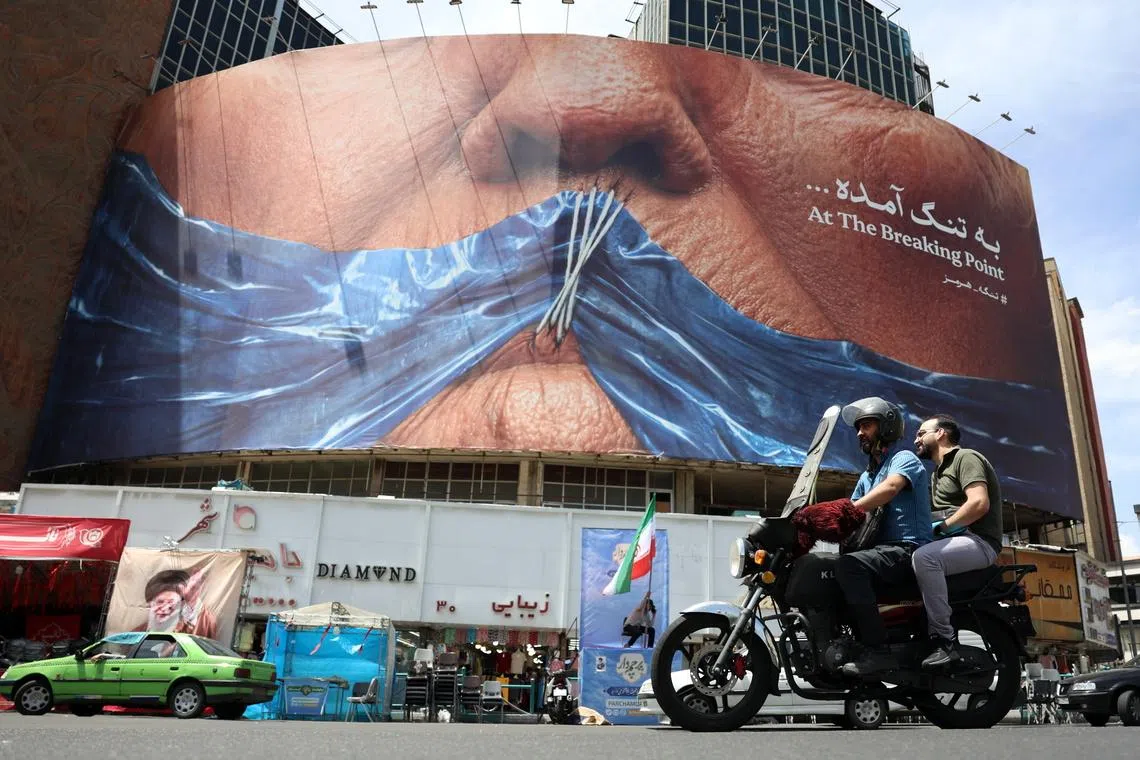
Iran’s Fars news agency said on Sunday that the draft agreement also stipulates the US and its allies will not attack Iran or its allies, and in return Iran pledges not to launch any pre-emptive attacks on the US or its allies.
Prominent Israeli politician Benny Gantz said Israel must not accept a ceasefire in Lebanon as part of a deal with Iran, calling such an agreement a strategic mistake. He posted on X that Israel has an obligation to protect residents near the border and should tell the US “no” to such a proposal.
Sources have told Reuters the proposed framework would unfold in three stages: formally ending the war, resolving the crisis in the Strait of Hormuz and launching a 30-day window for negotiations on a broader agreement, which can be extended.
One of the Pakistani sources said that if the US accepts the memorandum, further talks could take place after the Eid holiday ends on May 29.
Trump, whose approval ratings have been hit by the war’s impact on US energy prices, said on Friday that he would not attend his son’s wedding this weekend, citing Iran among the reasons he planned to stay in Washington.
Iran’s Tasnim news agency said any changes in passage and navigation through the Strait of Hormuz were conditional on implementation of other commitments by the US.
It also said some Iranian funds that have been frozen globally as part of sanctions must be released in the first phase of the deal.
“Issues still need to be discussed”: Iran
Trump spoke on Saturday with leaders from Saudi Arabia, Qatar, the United Arab Emirates, Jordan, Egypt, Turkey and Pakistan, who encouraged Trump to agree to the emerging framework, Axios reported.
A separate call with Israeli Prime Minister Benjamin Netanyahu went “very well”, Trump wrote.
Pakistan has aimed to narrow differences between Iran and the US after weeks of war have left the vital Hormuz waterway closed to most shipping despite a nervous ceasefire.
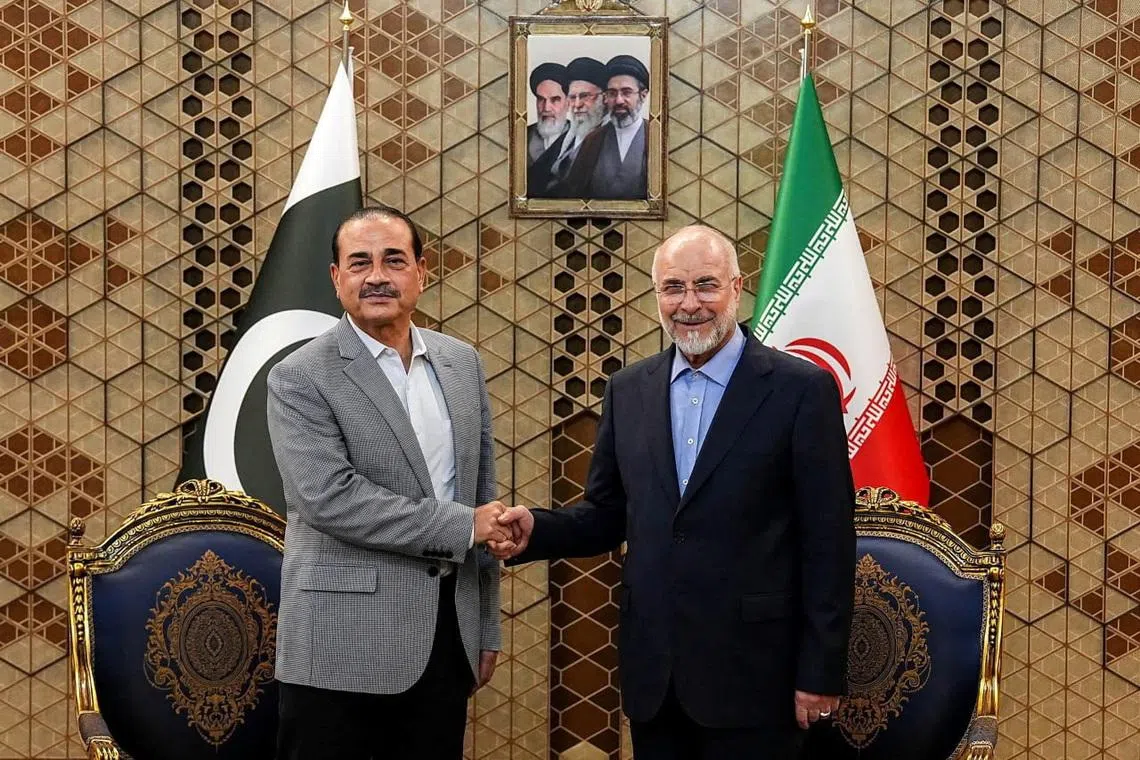
“The trend this week has been towards a reduction in disputes, but there are still issues that need to be discussed through mediators. We will have to wait and see where the situation ends in the next three or four days,” said Iranian Foreign Ministry spokesperson Esmail Baghaei.
Iran has demanded supervision of the strait, an end to the US blockade on its ports and the lifting of sanctions on Iranian oil sales.
Baghaei said the issue of the US blockade on Iran’s shipping was important, but that its priority was ending the threat of new US attacks and the ongoing conflict in Lebanon, where Iran-allied Hizbollah militants are fighting Israeli troops who have moved into the south.
Pakistan’s army chief Munir left Teheran on Saturday after talks with Iran’s top negotiator Mohammad Baqer Qalibaf and Foreign Minister Abbas Araqhchi.
Qalibaf said Iran’s armed forces had rebuilt their capabilities during the ceasefire and that, if the US “foolishly restarts the war”, the consequences would be “more forceful and bitter” than at the start of the conflict. REUTERS
Decoding Asia newsletter: your guide to navigating Asia in a new global order. Sign up here to get Decoding Asia newsletter. Delivered to your inbox. Free.
Share with us your feedback on BT's products and services
TRENDING NOW

DBS, OCBC, UOB rout lops billions off STI as inflation, rate concerns spook investors

Grab CEO’s wife Chloe Tong on life with Anthony Tan and finding her purpose

OCBC sheds S$8 billion in value as shares close nearly 6% down; analysts cautious on banks

Deal between tycoon friends sparks scrutiny of Philippine power sector

