A UK Budget with ‘breathing space’ in a time of rising energy costs
The measures introduced involve a £2.6 billion cash payment to 20 million households
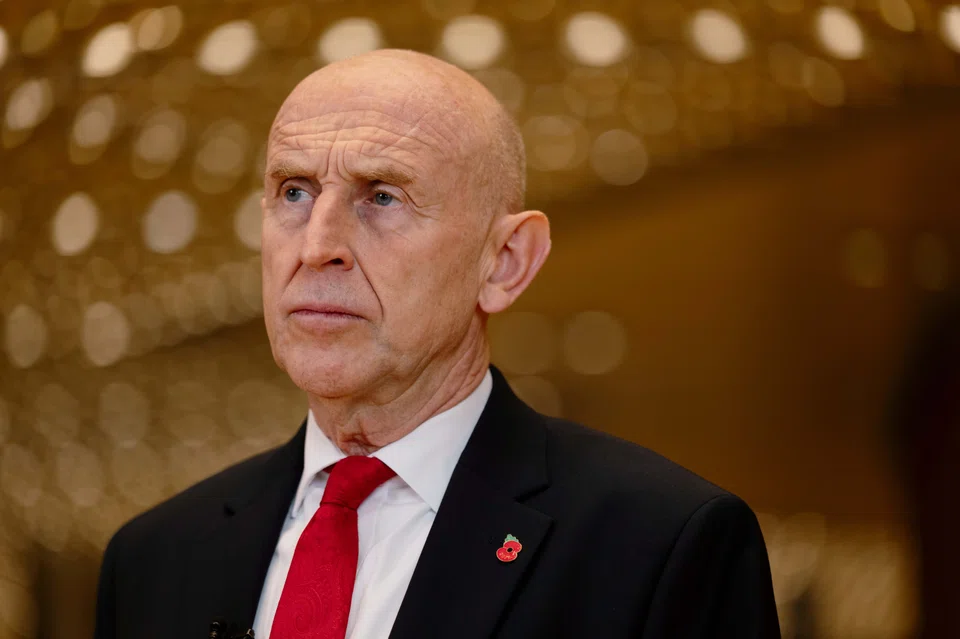
[LONDON] The British government set out a modest tax-and-spend plan on Wednesday (Oct 28) focused on lowering bills, as the country contends with high energy costs, rising interest rates and an increasingly volatile global economy.
In the first Budget under UK Prime Minister Andy Burnham, the top finance official, John Healey, aimed to give Britons “breathing space”, including a cash payment to 20 million households to help with energy bills, which will cost £2.6 billion (US$3.5 billion).
The government is also extending tax cuts for drivers. A temporary increase on taxes paid by banks will pay for some of the cost-of-living measures.
The plan was notable for its restrained scope, a sign of how constrained this new government feels by the global economic environment. Burnham came to power just over three months ago with a promise to restore hope and make what he called “radical” changes to the country’s economy. But those changes will come slowly.
The Budget was “delivered at a time when global uncertainties and pressures are swirling worldwide and hitting people here in Britain”, Healey told lawmakers in parliament, adding that he designed it to “steer us through the global economic storms today” and then set a “clear direction” for the future.
The British economy has performed better than expected so far this year.
Some of this was reflected in a modest upgrade to economic growth for 2025 by the Office for Budget Responsibility, an independent body that evaluates the economic and fiscal impact of the government’s plans.
But it was just a short-term boost. Growth is expected to slow to 1 per cent in 2027 from 1.2 per cent this year.
Despite the government measures announced on Wednesday, the energy shock will still be felt by households. The average energy bill could rise about 16 per cent in January, recent forecasts suggest.

Disposable income for each person adjusted for inflation, one measure of living standards, is set to drop over two years, the Office for Budget Responsibility said. After some recovery, disposable income will be only 1 per cent higher in 2030 than it was a decade earlier, before the pandemic.
A jump in borrowing costs has also exacerbated the challenges, by eating into Britain’s fiscal buffer and limiting how much the government can spend on public services and other priorities.
It will spend £14 billion more on debt interest this year than previously forecast, added the Office for Budget Responsibility. NYTIMES
Decoding Asia newsletter: your guide to navigating Asia in a new global order. Sign up here to get Decoding Asia newsletter. Delivered to your inbox. Free.
Share with us your feedback on BT's products and services