



US Fed’s Kevin Warsh inherits economy increasingly squeezed by inflation
Inflation has been above the central bank’s 2% target for more than five years
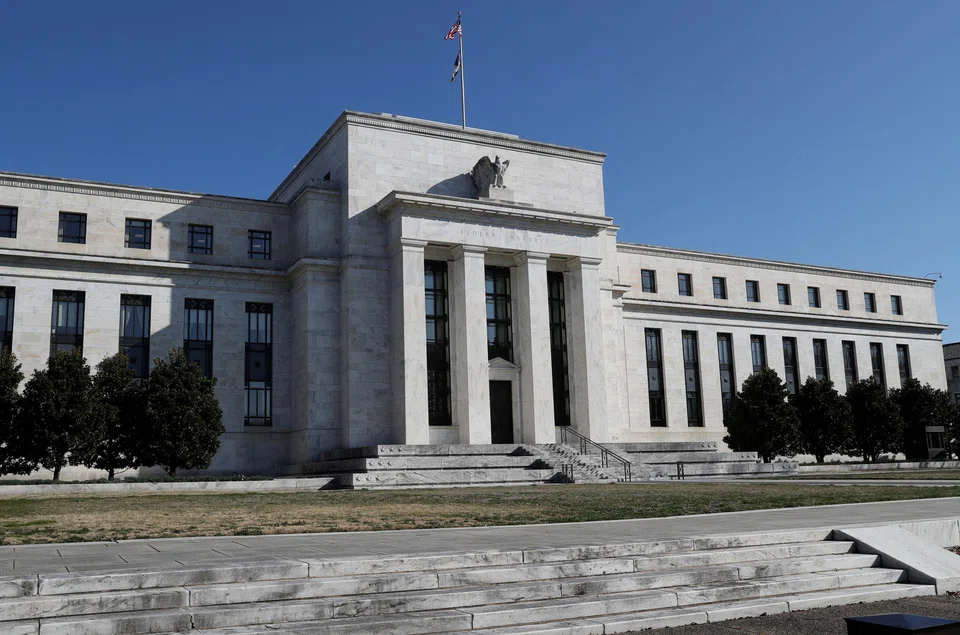
US FEDERAL Reserve chairman Kevin Warsh inherits an economy bolstered by an artificial intelligence investment boom but pinched by rising prices from the Iran war, a Fed survey showed on Wednesday (Jun 3), setting up a fight over an interest rate hike at his debut policy meeting in two weeks.
Most US regions experienced higher inflation from late April to late May due to energy-related costs tied to the Iran war “with spillovers into shipping, packaging, groceries, and fertiliser”, according to the Beige Book, a roundup of qualitative economic data from the Fed’s 12 regional banks.
“Overall, there were reports of increased credit card usage, fewer retail visits, and stronger demand for necessities,” the report found, sobering signals for an economy that has long been sustained by consumer spending.
Across sectors, the report pointed to a stagflationary combination of weakening consumer demand and rising cost pressures, an unwelcome scenario for any new Fed chair, particularly one picked by a president who has said he expects his new chief central banker to deliver an interest rate cut.
In a sign of the strain that surging gas and other prices are exerting on average families, one contact told the Kansas City Fed: “Middle-income households are squeezing more life out of every dollar before deciding to spend it.”
Navy Federal Credit Union chief economist Heather Long said the report’s findings were “the latest warning sign that inflation is quickly turning into a sticky problem...New Fed chair Kevin Warsh has to come out at the June meeting showing his firm commitment to containing inflation”.
Some of Warsh’s colleagues are already portraying the fight against inflation as gaining urgency.
“I am increasingly concerned that higher interest rates could be necessary later this year,” Dallas Fed president Lorie Logan said on Wednesday, noting that inflation is stubbornly high even as AI investment continues to boom.
The Beige Book offered fresh evidence that AI is fuelling what it characterised as overall “moderate” US economic growth, with nine of the Fed’s 12 regional banks citing data centre construction as driving demand for investment as well as labour. But it was also rife with examples of inflationary pressures and pullbacks in spending in other sectors.



With higher gas prices, consumers are shifting towards hybrid cars or buying fewer new cars altogether, it found. Fewer empty shipping containers are being exported as shippers hold them back due to expectations of weak domestic demand.
Higher energy costs have also increased fertiliser prices. New York apple growers anticipated a much smaller harvest later this year because fertiliser has become too expensive to use.
Manufacturing firms told the Richmond Fed that demand had weakened due to consumer caution, and one equipment producer in the plastics industry said its customers were delaying capital investments due to expected oil shortages.
In the West, tourism-related demand was solid for specific events like concerts and corporate gatherings, the San Francisco Fed said. But demand at “value-oriented venues” declined as consumers cut back on driving and weekend trips.
Some young workers see hiring slow
Warsh replaced Jerome Powell as Fed chief in late May just as many central bank policymakers were starting to get more nervous about inflation, which has reaccelerated in recent months due to the US-backed war with Iran. Inflation has been above the Fed’s 2 per cent target for more than five years.
Inflation by the Fed’s targeted measure jumped to 3.8 per cent in April from 3.5 per cent in March, while the labour market, which looked to be faltering last year as the Fed cut rates in response, has appeared to stabilise. Economists polled by Reuters expect the unemployment rate to remain at 4.3 per cent when May jobs data is released on Friday.
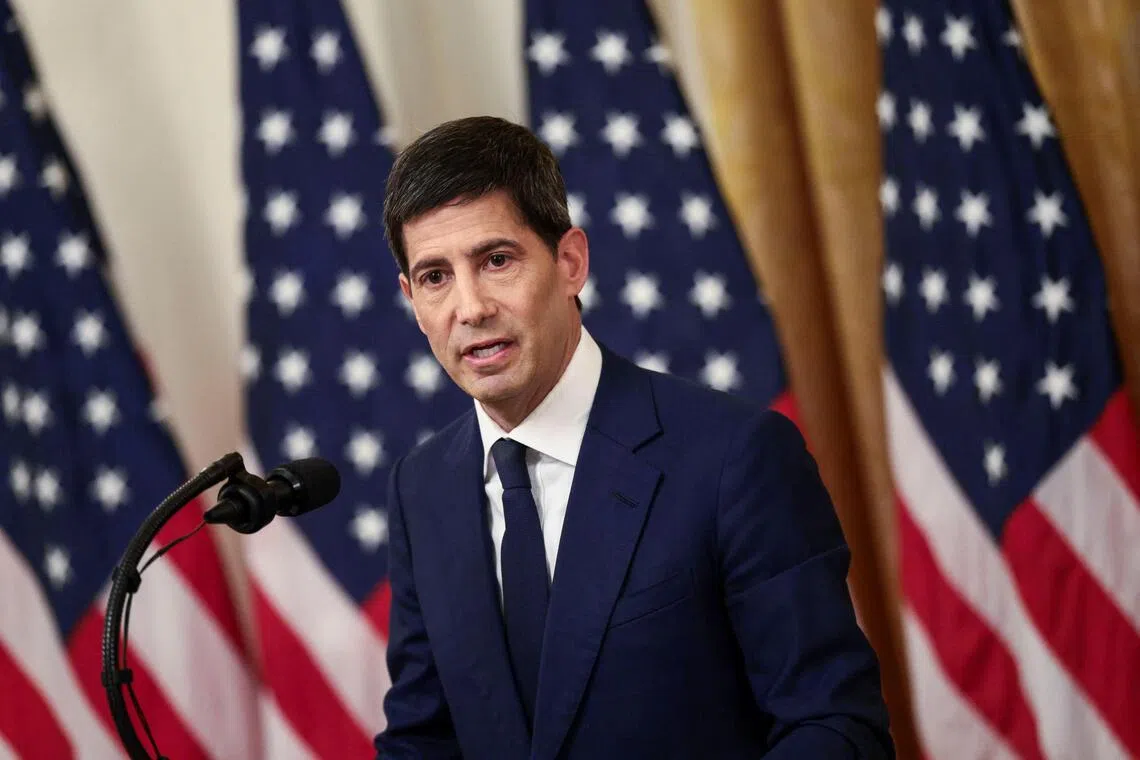
Warsh has embraced the idea that AI is a disinflationary force that potentially allows the Fed to cut rates. On Wednesday, Logan argued that the size and timing of AI-driven productivity gains are uncertain, but the boost to demand has already arrived, adding to upward price pressure that is already too high.
Other Fed policymakers have expressed similar views.
In the Beige Book, several Fed districts reported that increased use of AI has slowed hiring for early-career workers, a potential structural change to the labour market that a rate cut would not solve. Several districts reported that defence-related activity and rising data centre demand were supporting hiring in manufacturing.
But more broadly, most regions continued to see a low-hire, low-fire environment with workers reluctant to change jobs.
Wage growth was modest to moderate, the Beige Book said.
In a hint of additional inflation pressures to come, Fed banks reported “more frequent wage adjustments and cost-of-living increases to manage increasing fuel and other household cost pressures”. REUTERS
Decoding Asia newsletter: your guide to navigating Asia in a new global order. Sign up here to get Decoding Asia newsletter. Delivered to your inbox. Free.
Share with us your feedback on BT's products and services
TRENDING NOW

Britain’s mansion tax shows the difficulty of targeting wealth

Once staunchly pro-China, Malaysian Chinese businesses are now distancing themselves from Beijing

The only common thing in S-E Asia is that we all eat rice: Cisco’s Asean president

Singapore data centre operator DayOne opts for US IPO at likely US$20 billion valuation

