US Treasuries yields fall from 2002 high as oil prices dip
It marks a pause in the global bond rout driven by Iran war-related inflationary fears
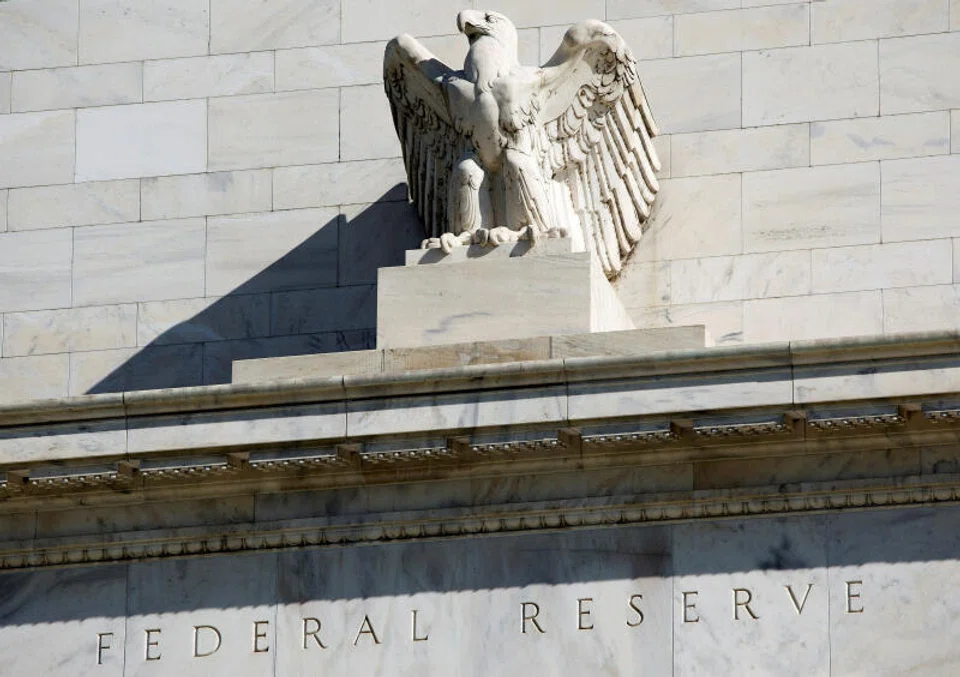
[NEW YORK] US bond yields fell from their highest levels since 2002 as oil prices stabilised and US Treasury Secretary Scott Bessent insisted the government’s debt load can be tamed.
It marked a pause in the global bond rout that has been driven by inflationary fears from the US-Iran war as well as bets on more aggressive tightening from the US Federal Reserve as US economic data comes in strong.
Bessent tried to reassure investors that a mix of economic growth and spending restraints will “very quickly” start to alter the path of US government borrowing.
Speaking at a fireside chat in Pennsylvania on Monday (Oct 5) night, he said the government would start “bending that curve”.
Yields on 10-year notes dropped by three basis points to 5.27 per cent, while two-year yields dropped by about two basis points to 4.8 per cent.
Crude prices retreated early on Tuesday on signs more supplies were getting through the Strait of Hormuz, but have since erased the decline.
Yields remained steady after the US$58 billion auction of three-year notes was awarded at 4.932 per cent, slightly below the 4.934 per cent yield immediately before the bidding deadline.
Direct bidders – a category that includes large investment funds that bypass dealers – took down 31.7 per cent of the sale, the second-largest on record.
Concerns about the US fiscal trajectory have kept investors wary.
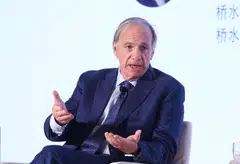
Bridgewater Associates founder Ray Dalio warned that the US is approaching the limits of its debt cycle and potentially faces a crisis within three years if spending continues to outpace revenue.
Treasuries are vulnerable to a pullback of demand from China and Japan, two of the US’s largest foreign creditors, he said.
Investors are also doubtful that Bessent can ease the fiscal strains meaningfully any time soon and were reluctant to call an end to the bond sell-off.
“The market is likely to be very sceptical, given the deficit is 6 per cent and there is no plan to reduce it,” said Gareth Berry, a strategist at Macquarie. “A stated ambition is not a plan.”
Bloomberg strategists noted: “The past week’s data has been doveish leaning making an October hike less likely, but they haven’t been weak. The economy is holding up against high yields and financial conditions remain loose. Until there’s evidence that rates are actually biting, which is unlikely in a data-light week, it’s hard to see a significant Treasury rally.”
HSBC strategists concurred that longer-term bonds would underperform, calling for the gap between five- and 30-year Treasury yields to move wider.
“The surge in volatility, coupled with a lack of any clear technical resistance at these levels from recent history has, in our view, kept many investors on the sidelines despite the growing optical appeal of elevated long-end rates,” Dhiraj Narula, US rates strategist at HSBC, wrote in a note.
The strategists also called current market pricing for about 80 basis points of Fed hikes over the course of 2027 “excessive”.
Beyond longer-term concerns about the fiscal outlook, a more immediate driver of the bond market is energy prices, which have been a dominant force since the US-Iran conflict began in late February.
James Ringer, a fund manager at Schroders, said lower prices for crude oil and refined products, such as diesel, are necessary conditions for the bond market to stabilise.
“To see a meaningful rally across the curve, the number one thing you need to see is energy prices starting to decline,” he said. “That’s not just crude, that’s got to be the refined products as well.” BLOOMBERG
Decoding Asia newsletter: your guide to navigating Asia in a new global order. Sign up here to get Decoding Asia newsletter. Delivered to your inbox. Free.
Share with us your feedback on BT's products and services