

A Bruce Lee ballet? Hong Kong bares its global arts ambitions
The city is betting on home-grown shows to wow the world

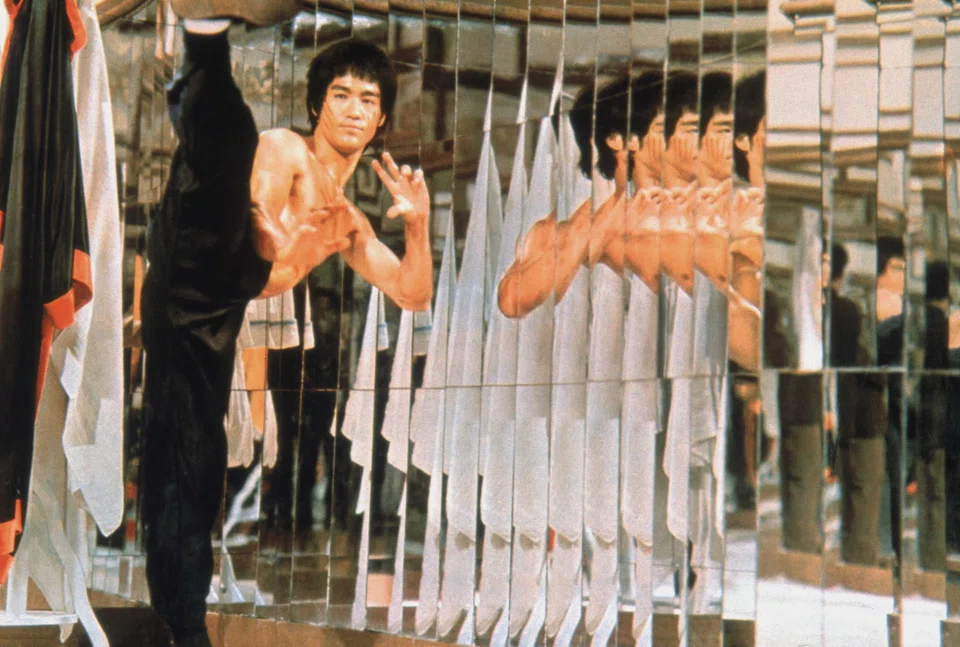
[HONG KONG] Imagine a stage. The curtain rises on a man in a recognisable yellow jumpsuit with black stripes. He drops into a fighting stance, unleashes a lightning-fast kick, then a flurry of punches.
Yes, it’s Bruce Lee. But this isn’t gongfu. It’s contemporary ballet.
As the orchestra swells, martial arts meets classical dance in a blur of explosive kicks, soaring leaps and graceful turns. Lee, the late screen legend who turned fighting into an art form, is becoming the subject of a ballet.
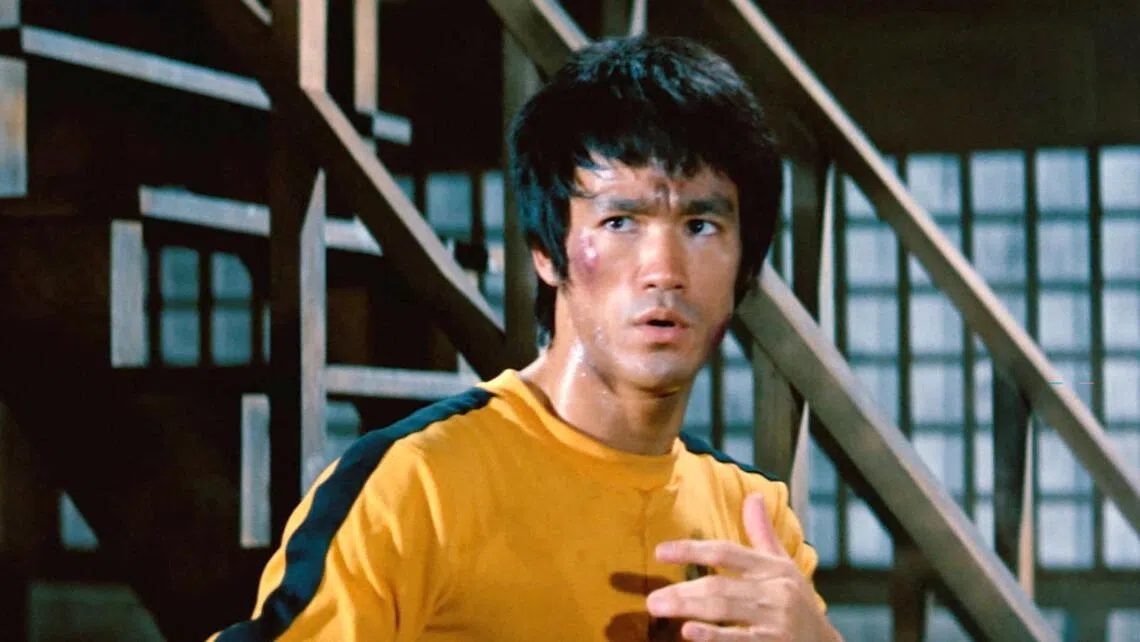
Though the scene above is imagined, the production is very real: Bruce Lee: A Hong Kong Legend will premiere at Hong Kong’s grand WestK Performing Arts Centre in September 2027, and subsequently tour the world.
The creative team is top-shelf: Oscar-winning Crouching Tiger, Hidden Dragon designer Tim Yip will create the sets and costumes. Tony-winning M Butterfly playwright David Henry Hwang will write the libretto. Hong Kong Ballet artistic director Septime Webre will choreograph.
The score will fuse a full orchestra, Chinese instruments and a rock band – a recipe for either creative fireworks, or chaos.
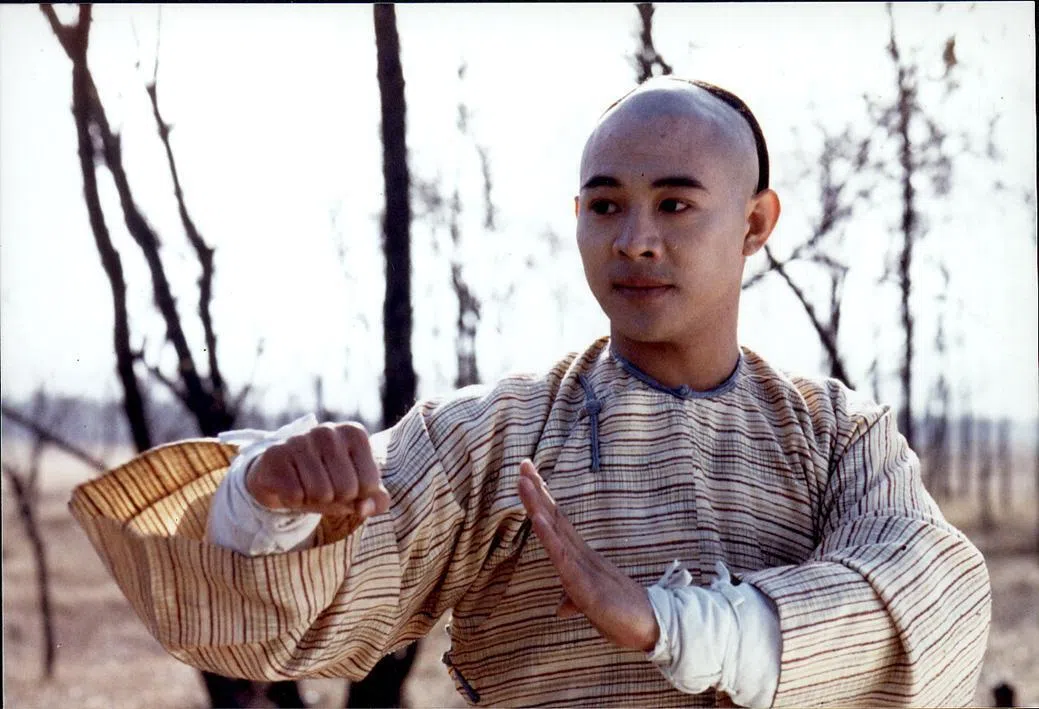
But Lee is just one of the marquee attractions of WestK’s opening programme. Another gongfu hero, Wong Fei Hung – immortalised on screen by Jackie Chan and Jet Li – will be transformed into a dance-drama by a creative team spanning Hong Kong, Shanghai and Guangdong.
And there might even be a mahjong-inspired Cantonese musical in future.
“Our programme is a love story with the city of Hong Kong,” says Paul Tam, executive director of performing arts at the West Kowloon Cultural District Authority.
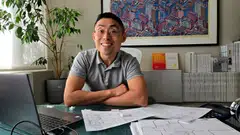
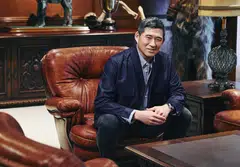
“Everything we put on stage has something to do with Hong Kong. And there’s nothing more quintessentially Hong Kong than martial art and mahjong.”
For years, Hong Kong has been a formidable marketplace for visual arts: It is home to Art Basel Hong Kong, the region’s biggest art fair, as well as major auction houses and museums, including the monumental M+ and Hong Kong Palace Museum.
But now, Hong Kong also wants to be the global centre where live performances are created, commissioned, bought, sold and exported.
It isn’t satisfied with just importing a Broadway or West End musical, or a Bolshoi Ballet production – no ambitious city should be – it wants to make original musicals that other cities import.
“Performing arts in Hong Kong is as old as time, as old as the city,” Tam says.
“Chinese opera was here long before what we today refer to as the visual arts... So from an infrastructural perspective, what we want to do is push the performing arts sector to the forefront of the city’s cultural ambitions.”
The business of show business
But creating world-class productions is only half the battle. Hong Kong also wants to make sure buyers come to the city to see them.
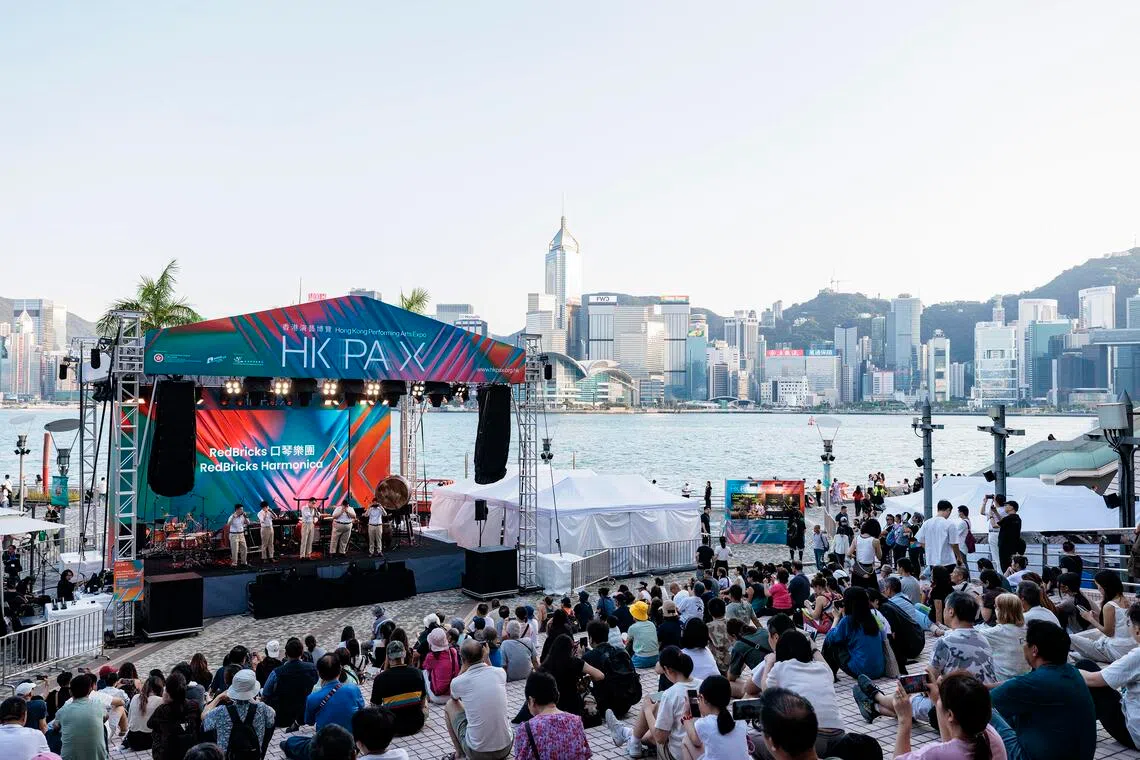
That’s where the Hong Kong Performing Arts Expo (HKPAX) comes in. If WestK provides the stage on which new productions are mounted, HKPAX is providing the marketplace where they’re sold to international buyers.
The expo’s second edition, which recently concluded, turned the city into an extended meeting place for festival directors, theatre managers, producers, agents and artists.
It drew more than 2,000 participants from 60 countries and regions, including Singapore art leaders such as Esplanade chief executive Yvonne Tham and Singapore International Festival of Arts festival director Chong Tze Chien.
Organised by the Hong Kong Arts Development Council (HKADC) and sponsored by the government, its ticketed programme included 14 splashy international showcases and 18 projects pitched to presenters and funders.
A new dedicated “Hong Kong Chapter” gave 10 local artists and small companies an opportunity to show excerpts of their works before visiting programmers.
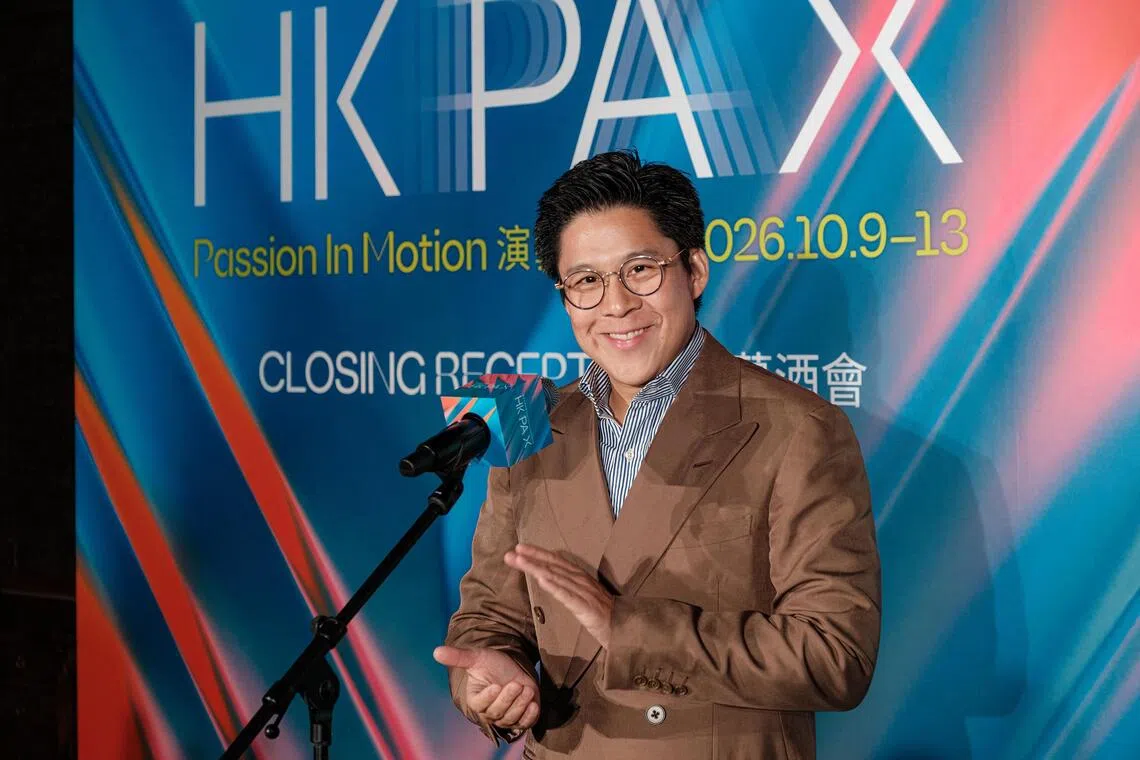
HKADC chairman Kenneth Fok says international showcase applications have doubled from roughly 400 in 2024 to more than 800 this year.
He adds: “HKPAX is not simply a marketplace, it has become a platform where ideas are exchanged, partnerships are forged, and tangible outcomes are achieved, including new memorandums of understanding (MOUs) between Hong Kong arts organisations and international counterparts...
“The strong international participation and engagement we have witnessed this year reflect the growing significance of HKPAX within the global performing arts landscape.”
Asked what he thought of competition from regional arts hubs such as Tokyo, Seoul and Singapore, Fok rejected a zero-sum premise. “I think that, while we have healthy competition, we also want more collaboration. I think that we in Asia can work together to make the pie bigger. How do we make... one plus one larger than two?”
For Singapore theatre maker Danny Yeo, that maths is appealing.
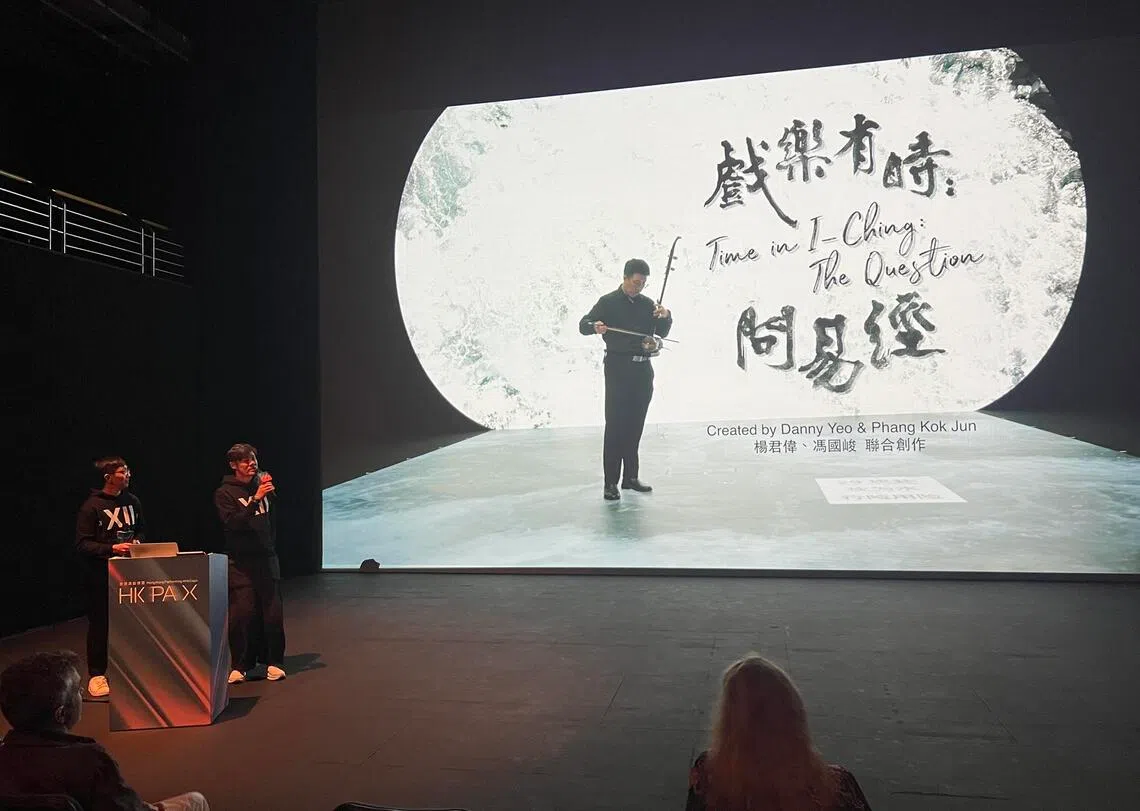
His project proposal, TIME in I Ching: The Question, developed with Phang Kok Jun, was one of 18 projects selected for HKPAX’s international pitching sessions.
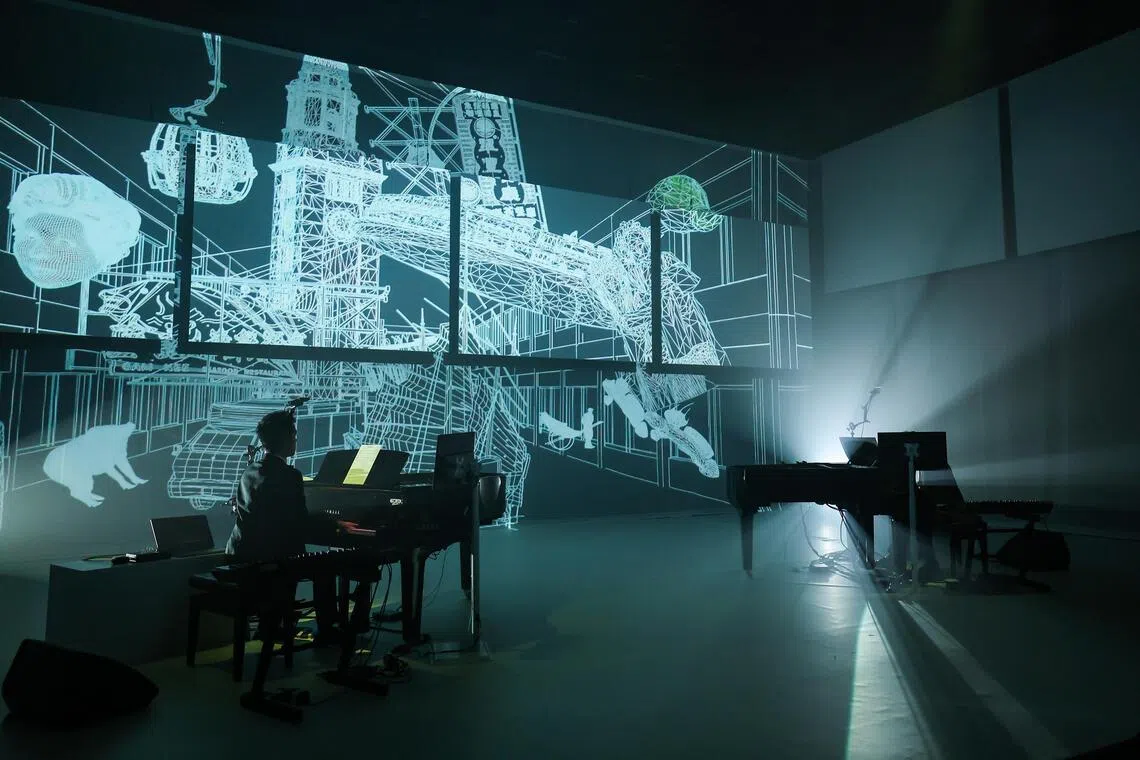
The immersive music-theatre work reimagines the ancient Chinese divination text through traditional instruments, projection mapping and audience participation – an unlikely marriage of old wisdom and new technology.
“We have traditional music, but we also have modern technology – all coming together to create a visual and aural work that can entertain just about anyone,” says Yeo.
“We met several interested agents from mainland China... and what a lot of people tell us is that our piece has a strong sense of universality.”
To him, Hong Kong has lived up to its reputation as a springboard. “Hong Kong has greater access to mainland China. And a lot of the European participants here do want to go into Asia and see Hong Kong as a gateway.”
The economics of a hit
Yet, a successful arts marketplace cannot live on introductions alone. It needs productions that audiences will pay to see – ideally more than once.
And Hong Kong has been able to prove it. WestK’s The Impossible Trial, an original Cantonese musical commissioned by WestK and co-produced with Hong Kong Repertory Theatre, premiered in 2022 and has since clocked 110 performances.
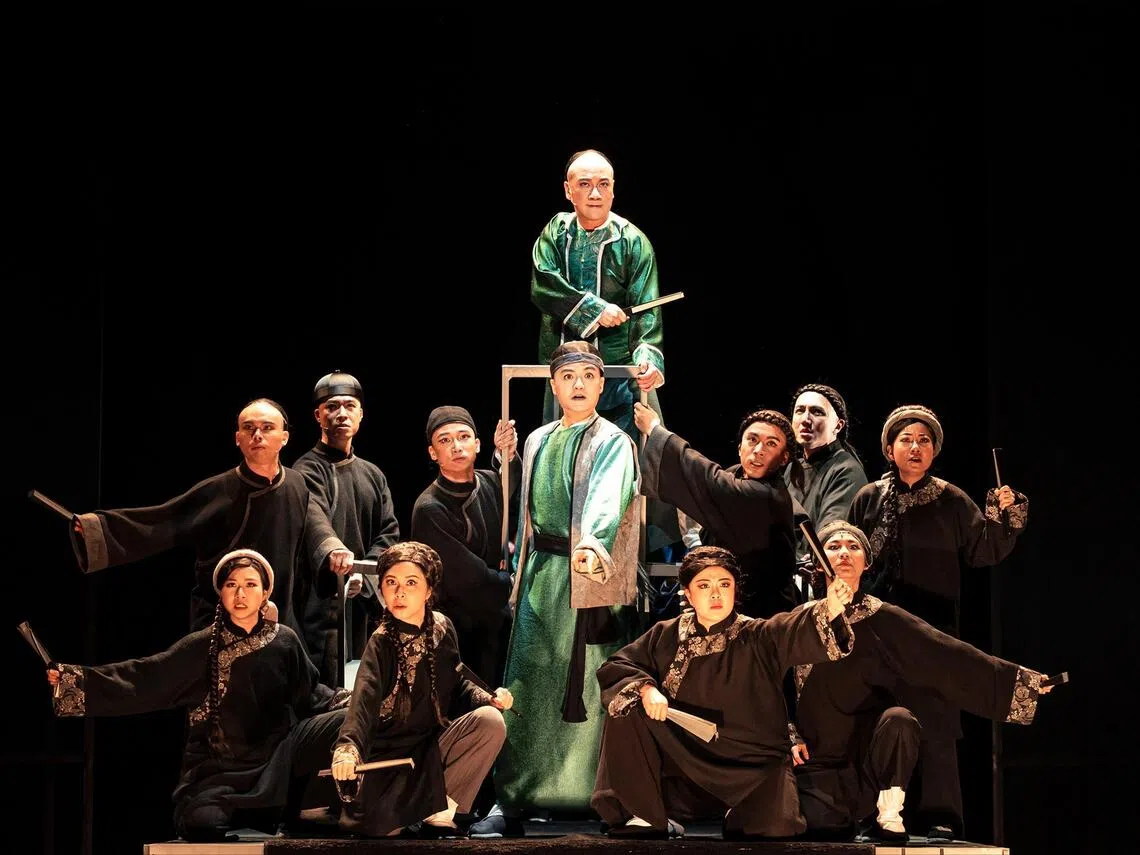
In 2025 alone, its engagements in Shanghai, Beijing and Hong Kong attracted nearly 65,000 spectators in 53 performances; a 20-show return to Shanghai this August was sold out.
A musical in Cantonese finding enthusiastic audiences beyond Cantonese-speaking Hong Kong is no small feat.
It suggests that cultural specificity need not be a barrier to export. And the longer a production lives, the more opportunities there are to recoup development costs, employ artists and build a reputation abroad.
For Tam, that is the point of creating intellectual property, rather than simply renting stages to visiting stars. “The most important thing is to build the following and support in Hong Kong, the support in Hong Kong – and then we can launch,” he says, adding that WestK is already exploring the possibility of Western markets for The Impossible Trial.
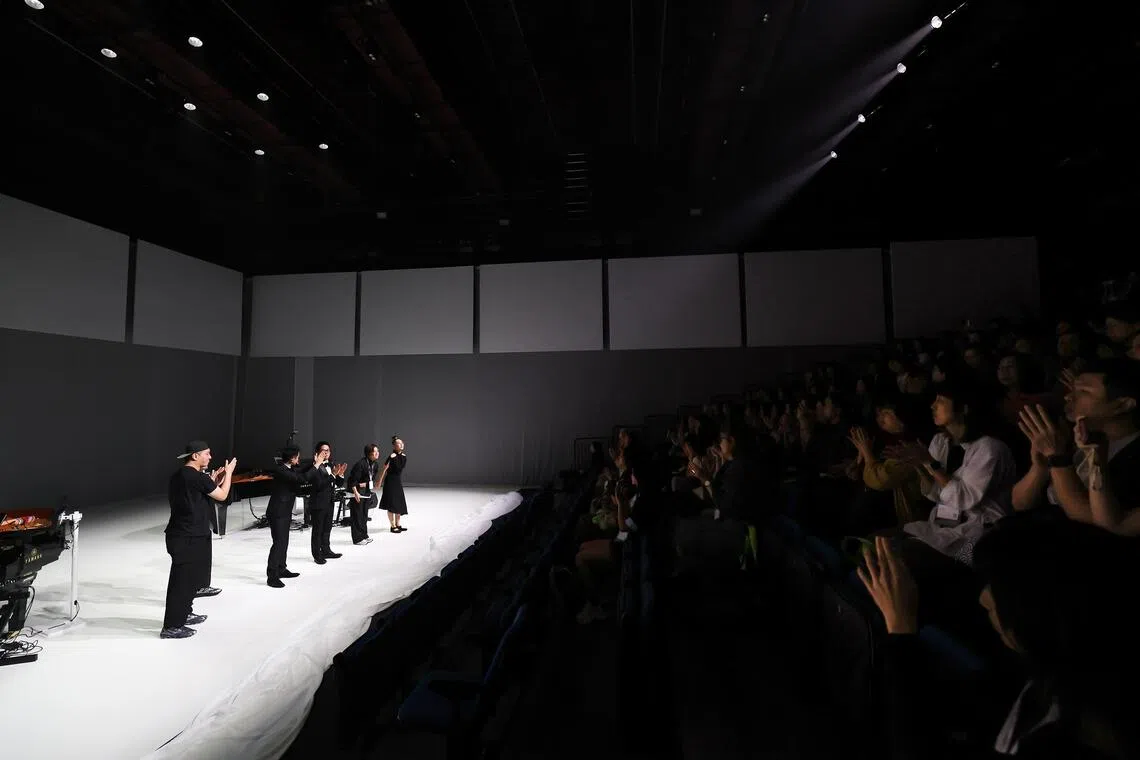
The stakes are substantial. Hong Kong’s government has introduced a Signature Performing Arts Programme Scheme offering selected large-scale productions up to HK$10 million (US$1.3 million) in direct subsidy and another HK$5 million in matching support.
But the economics remain stubborn: WestK reported an operating deficit of HK$998 million in its 2026 financial year while performing arts box-office takings at 28 major Hong Kong facilities fell 5.4 per cent to HK$520 million in 2025, going by an arts council survey covering 28 major facilities.
Even the agreements announced at this year’s HKPAX – involving Hong Kong companies and partners in Singapore and the US – are MOUs, and not yet evidence of ticket sales or international touring revenues.
For now, martial arts superstar Lee may be an easy sell: The world already knows his face, moves and mythology. But Hong Kong’s biggest challenge is to make the world want to see the performers and stories it doesn’t yet know.
Decoding Asia newsletter: your guide to navigating Asia in a new global order. Sign up here to get Decoding Asia newsletter. Delivered to your inbox. Free.
Copyright SPH Media. All rights reserved.
TRENDING NOW

If Europe goes to war, the fallout will be felt in East Asia
Singapore universities could do more to shed light on endowment returns

MAS urges banks to limit exposure or cut ties with clients over clear environmental breaches linked to haze
Keppel posts 20% rise in Q3 net profit; New Keppel earnings up 15%

