

Sifa 2026: What an arts festival learnt from Netflix
The Singapore International Festival of Arts has become broader, browsable and harder to ignore

[SINGAPORE] For years now, the Singapore arts scene has been fighting a formidable opponent: the couch. It is comfortable, cheap and accommodating.
Streaming services such as Netflix and social media sites like YouTube offer information and entertainment you can enjoy on your couch – and at a much lower cost than a live performance.
So how does a live arts festival persuade people to get dressed, book a ticket, leave the house and sit among strangers for two hours? For the Singapore International Festival of Arts (Sifa) 2026, the answer seemed to be: make art browsable.
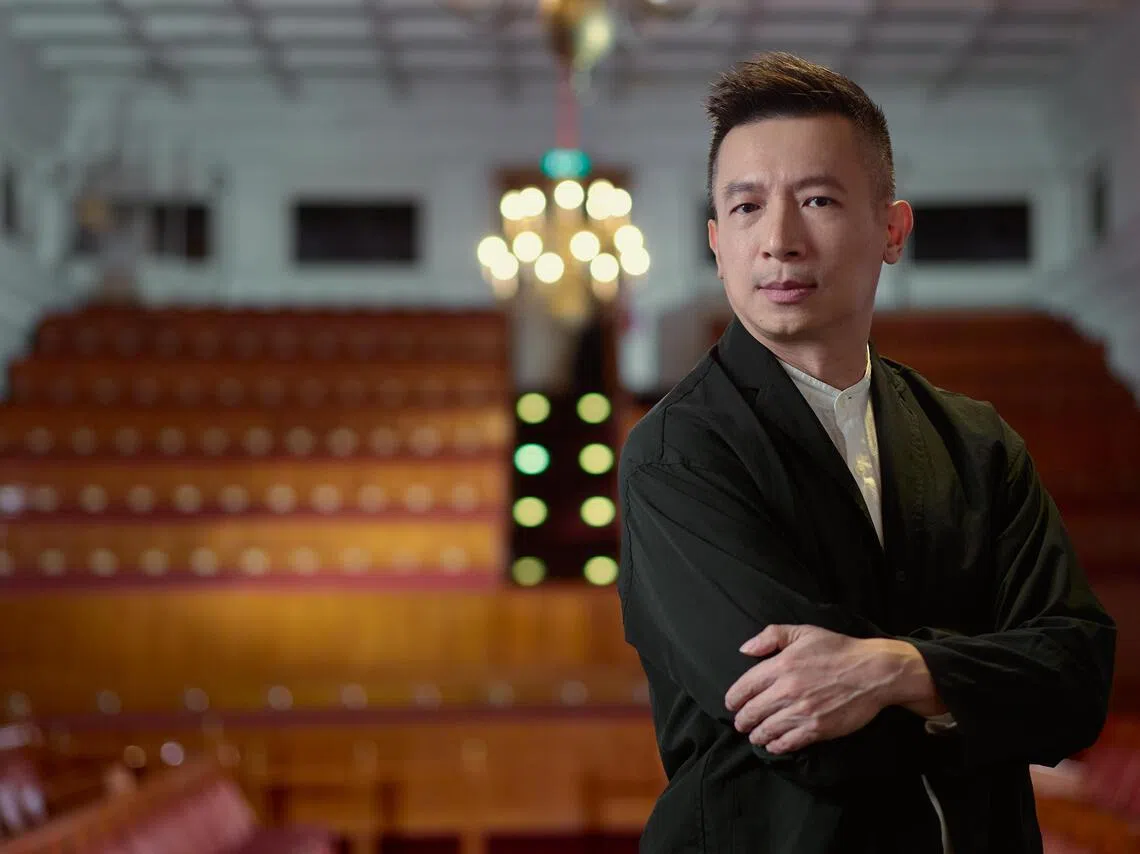
In his first run as festival director, Chong Tze Chien appeared to take a leaf from the streaming playbook. Sifa 2026, which ran from May 15 to 30, offered a wide variety of options, genres, moods, formats and entry points. It was less a single curatorial vision than a platform of eclectic, segmented and discoverable offerings.
There were prestige productions (Hedda Gabler, Salesman之死 and Planet [wanderer]), nostalgia performances (Lush Life and Last Rites), a serious international import with three languages and three hours without an intermission (Lacrima); and inclusive shows (Hamlet had performers with Down syndrome, while Year Zero had performers with disabilities).
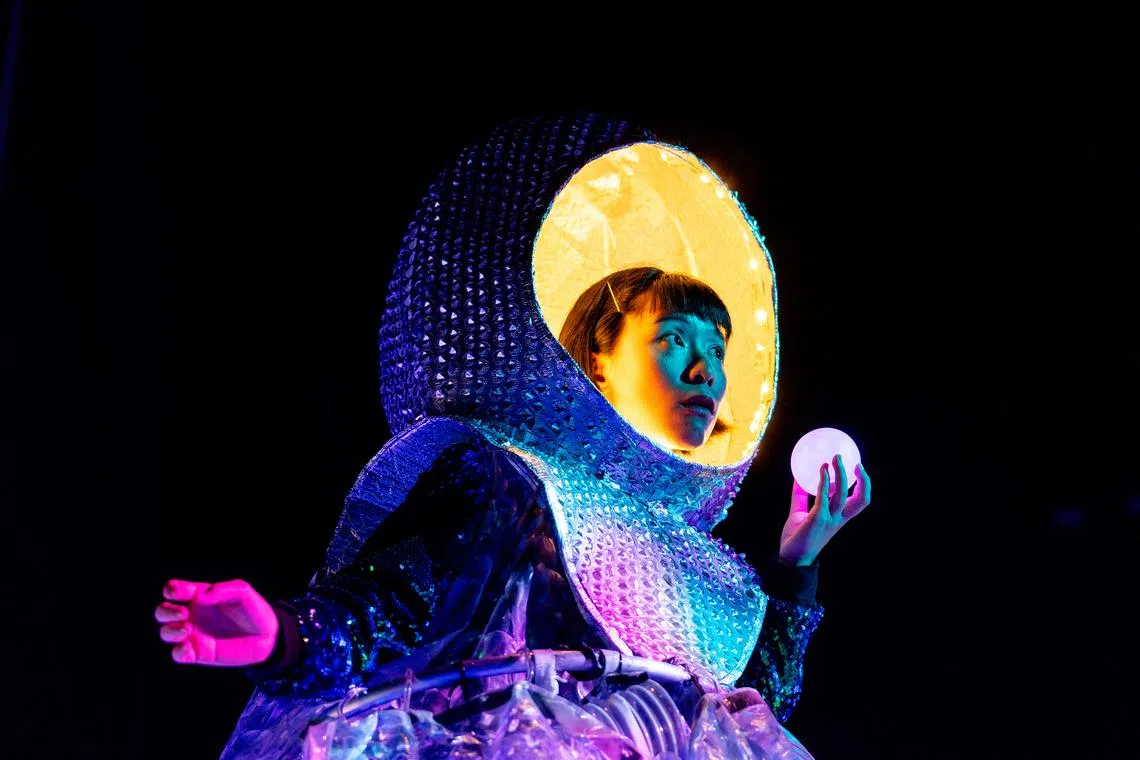
There was also the celebration of Singapore’s favourite pastime in Makan Culture and You Are (Not) What You Eat; the outdoorsy social happenings at the Festival Village; and the family-friendly light show that let parents feel cultured while snapping photos of their cute kids (The Lighthouse).
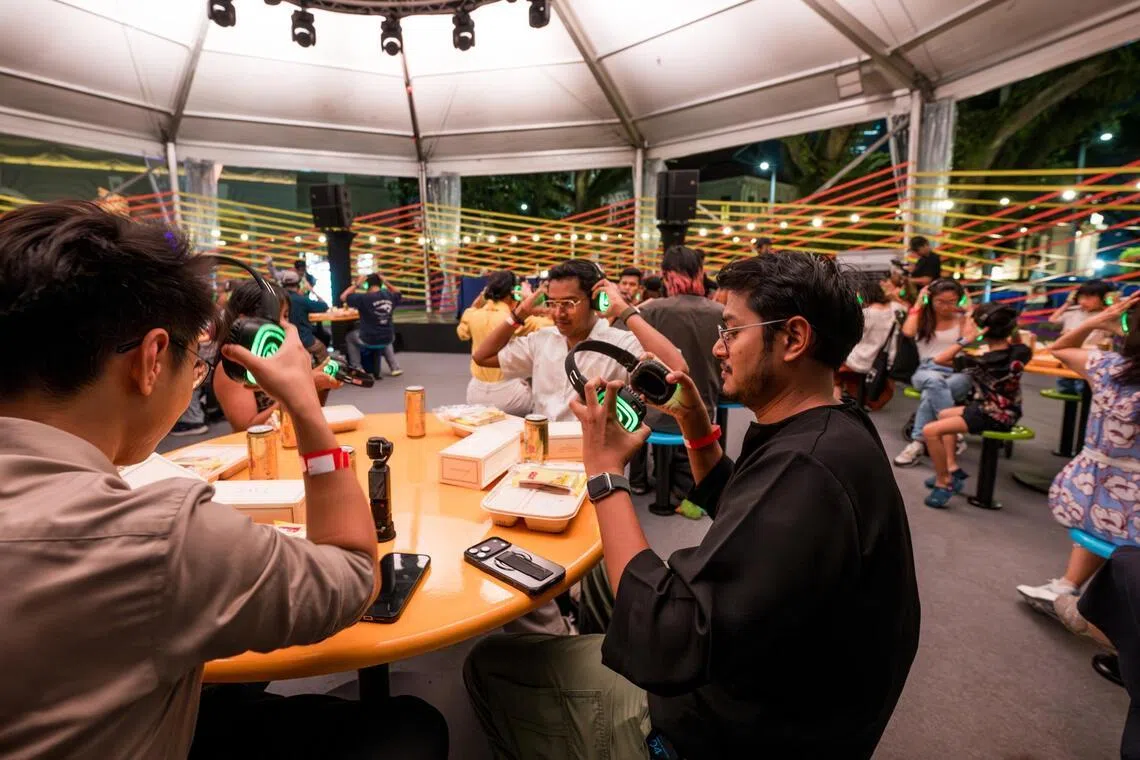
There was the early-morning surreal concert by The Observatory, the all-evening surreal play by The Theatre Practice, and the late-night surreal performances curated by Hothouse.
Chong gave the audience all these and more – with results. According to organiser Arts House Group, the recently concluded festival drew an audience base of more than 100,000 with a 40 per cent jump in ticket sales.
The organiser declined to provide more exact figures, but the general direction was clear enough: This was a livelier, more publicly legible Sifa than the festival has been in some time.
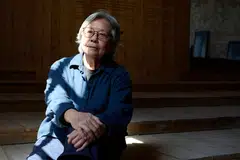
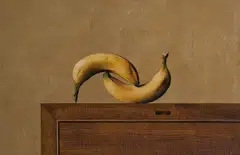
The Ministry of Culture, Community and Youth’s SG Culture Pass scheme certainly helped sales. But Sifa 2026 also benefited from Chong’s unusually eclectic artistic temperament.
Unlike other festival directors who arrive with a firmer aesthetic, Chong has spent much of his career moving between worlds. He has worked with The Necessary Stage, The Finger Players and Sight Lines Entertainment – each for several years.
He has written small, provocative plays such as Charged, which is returning to the stage soon, and large-scale spectacles such as the National Day Parade.
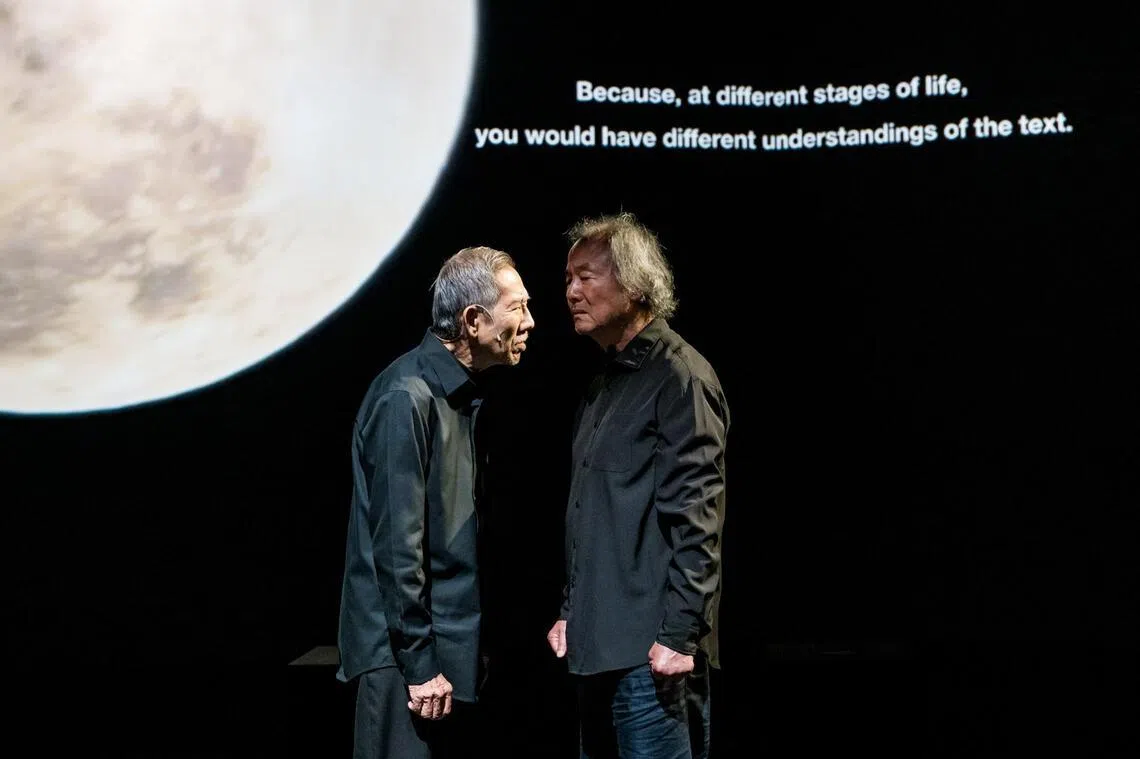
He has directed Mandarin plays for children, worked with the Tamil television channel Vasantham Central, and collaborated with Malay theatre company Teater Ekamatra. He has operated inside companies, beside companies and outside them altogether.
He has learnt to move between many rooms.
Before him, Sifa’s festival directors were all esteemed arts leaders heading their own companies – Ong Keng Sen of T:>Works, Gaurav Kripalani of Singapore Repertory Theatre, and Natalie Hennedige of Cake – and they each gave the festival their own authorial stamp.
Chong’s version is harder to pin down – and that may be precisely its strength. He seems to understand that the audience is fragmented and cultural habits run the gamut. The festival, he realises, needs to speak in many registers in order to survive.
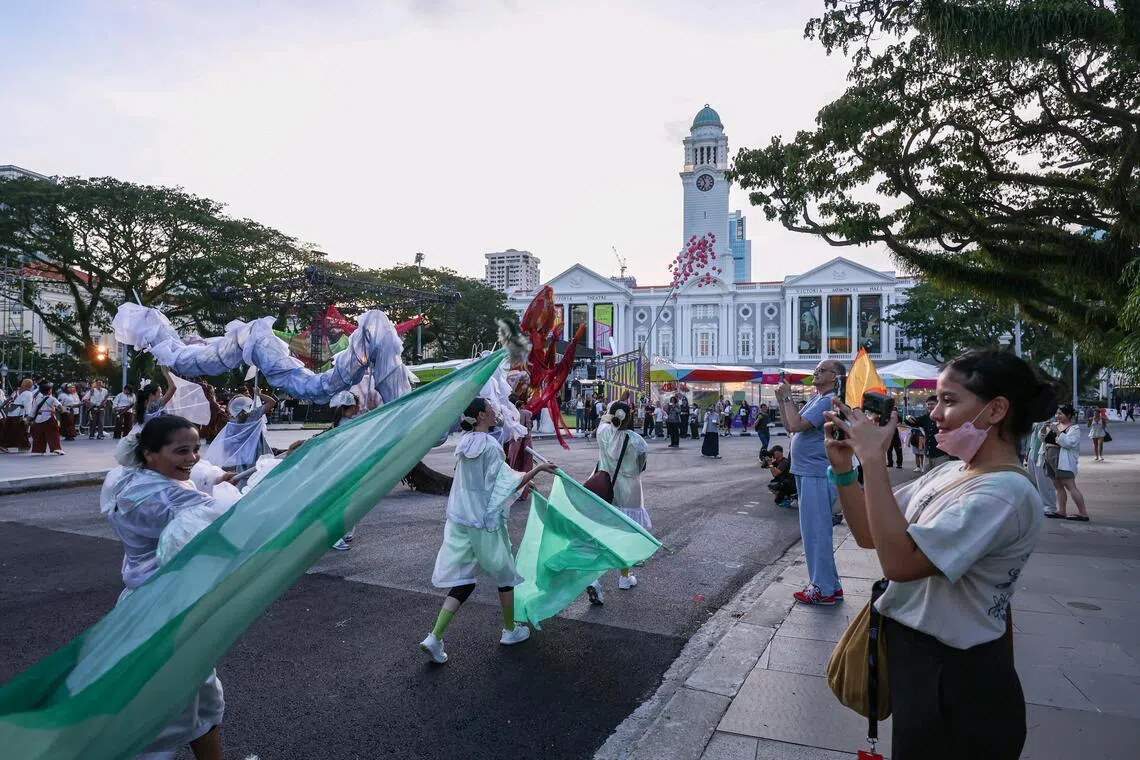
Of the four festival directors since 2014, Chong also seems to be the least bothered by the word “international” in its name.
His 2026 edition naturally included major works from abroad. But some of his programming choices were strikingly local, such as Makan Culture and You Are (Not) What You Eat – unburdened by the need to perform international sophistication.
This was actually refreshing and relaxing, and no doubt went down well with casual arts-goers.
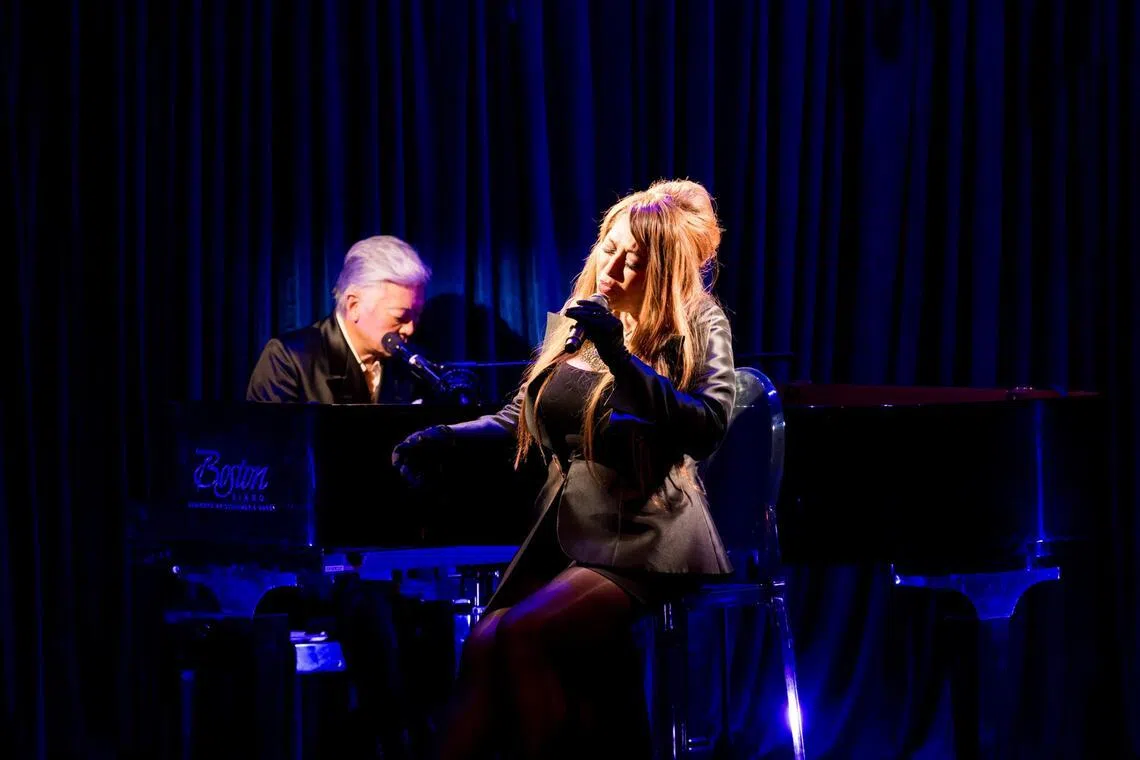
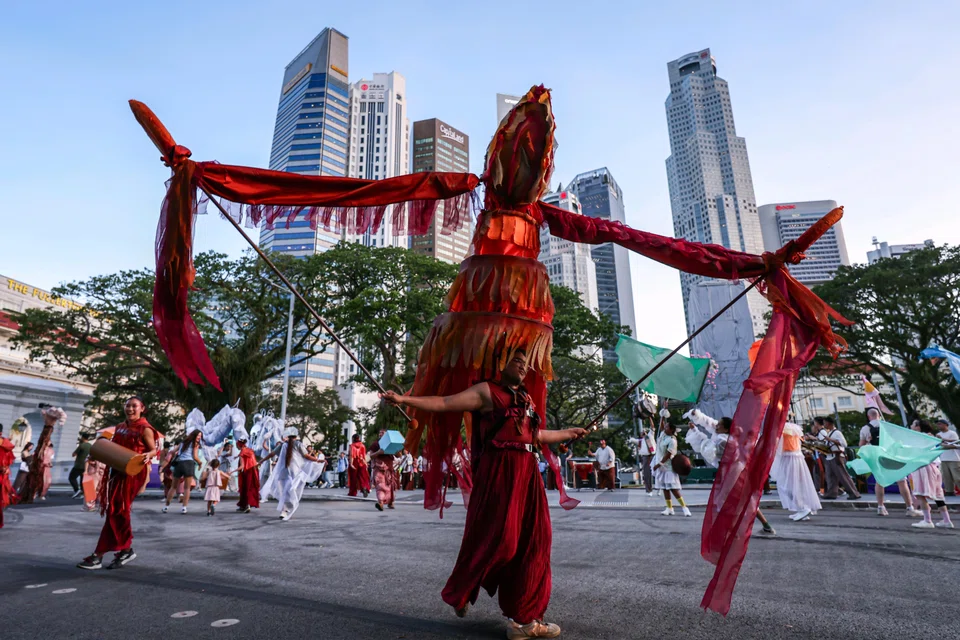
That is why Chong’s first Sifa felt significant. It understood that it was competing with Netflix, TikTok, YouTube and other distractions. So it decided to draw audiences not just with serious art, but also with kaya toast, fried laksa, aerial performers, giant puppets, theatre processions, late-night happenings – and Jacintha Abisheganaden.
Chong will continue to lead Sifa until 2028. For his first edition, at least, he has succeeded in persuading the public to leave their couches and show up for live art.
In an era of infinite entertainment to stream or scroll at home, that’s not a small achievement.
Decoding Asia newsletter: your guide to navigating Asia in a new global order. Sign up here to get Decoding Asia newsletter. Delivered to your inbox. Free.
Copyright SPH Media. All rights reserved.
TRENDING NOW

Government to bring forward raising of retirement age, give employers more financial support to create flexi-load jobs
If Europe goes to war, the fallout will be felt in East Asia
Indonesia stocks suffer worst plunge in nearly 30 years as MSCI proposes standalone status

Vietnam’s northern provinces, not Hanoi or Ho Chi Minh City, are powering near 10% GDP growth

