

Reinventing an icon
How the legendary Raffles Hotel turns heritage into a contemporary form of luxury
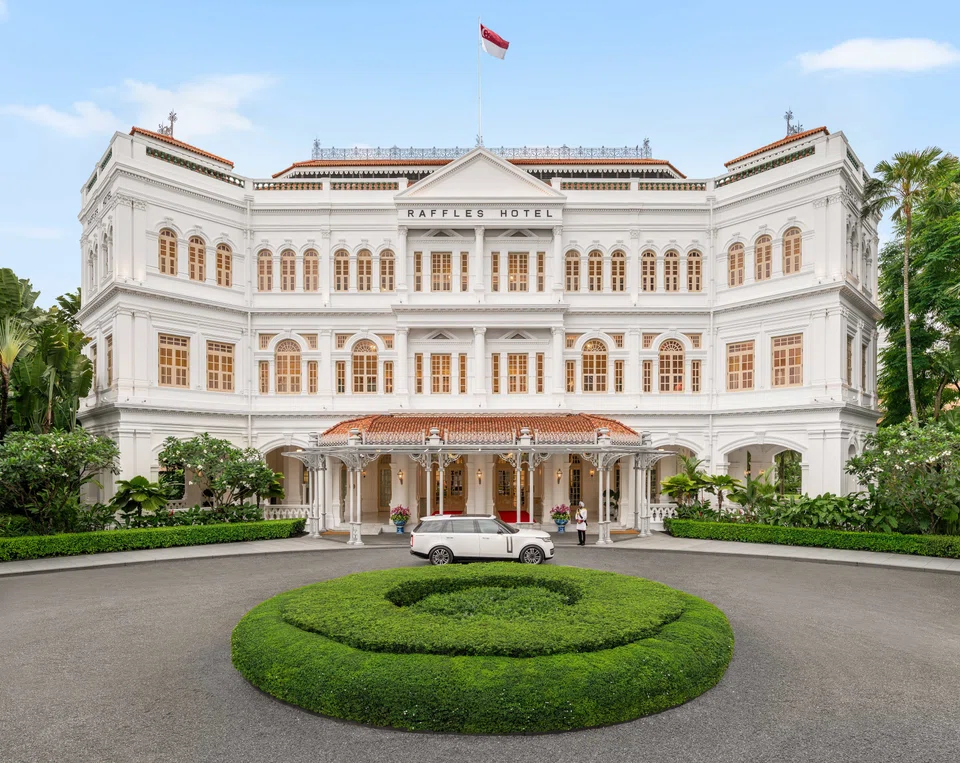
LONG BEFORE “LUXURY LIFESTYLE” ENTERED the hospitality lexicon, Raffles Hotel Singapore was already defining what it could mean: highly personalised service, distinctive social rituals, dining and culture that turn a hotel stay into an occasion.
Since 1887, the hotel has been synonymous with everything from the Singapore Sling to its intuitive butler service. Yet, its longevity has depended on more than maintaining well-loved traditions.
For Raffles, staying relevant has meant deciding what should remain unchanged – and what can be reinterpreted for a new generation.
A template for luxury
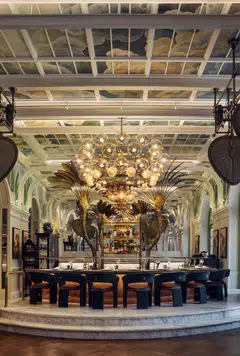
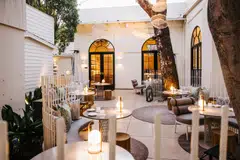
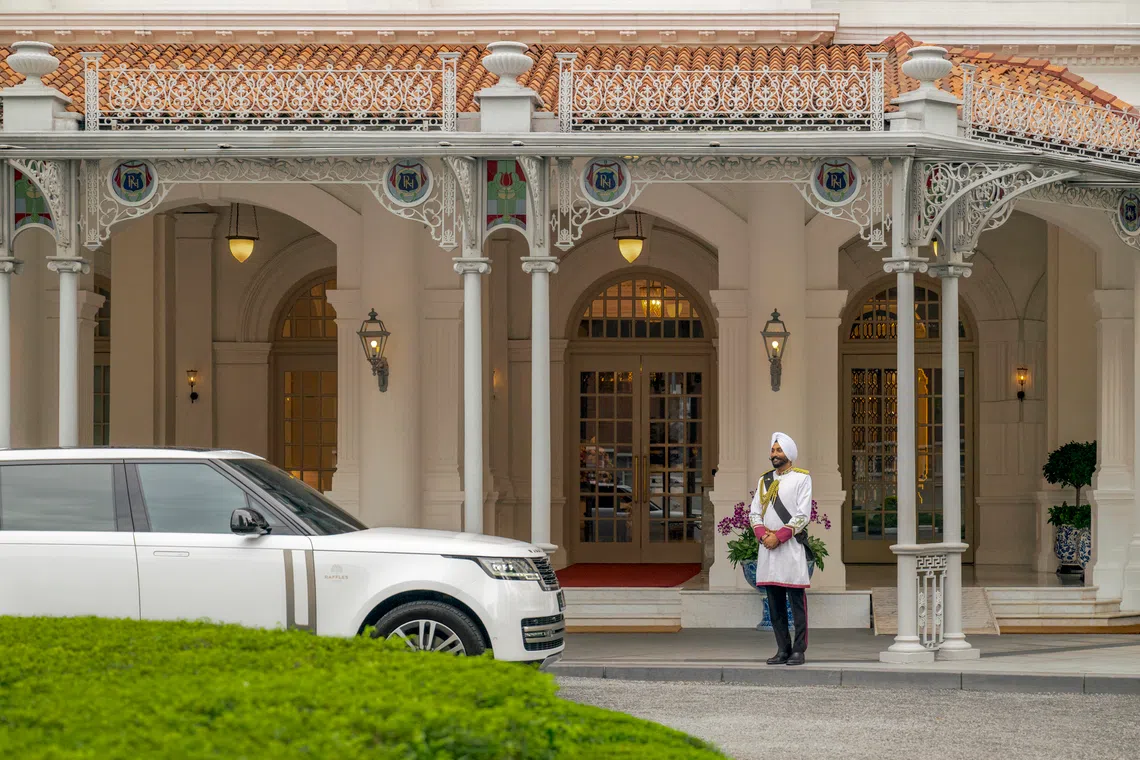
The hotel’s resident historian, Leslie Danker, says: “Looking back at historical archives and accounts, Raffles was never simply a place to stay. It was a place to see and be seen, to socialise, dine, celebrate and experience Singapore.
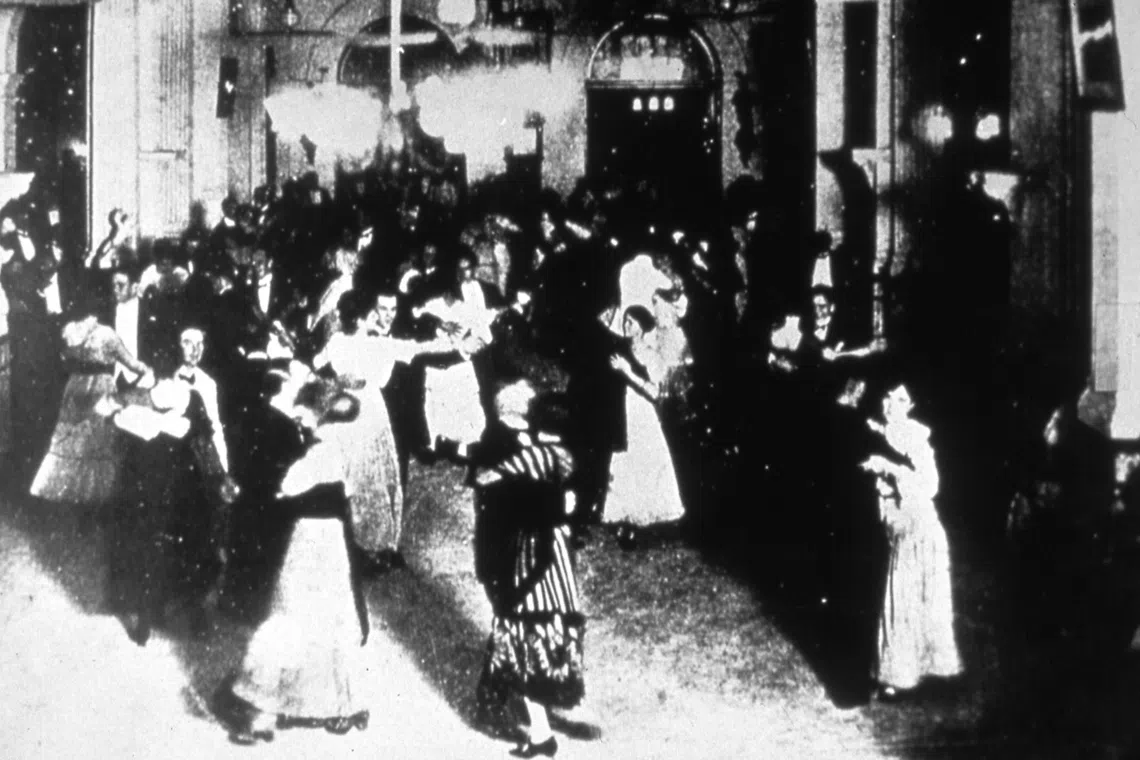
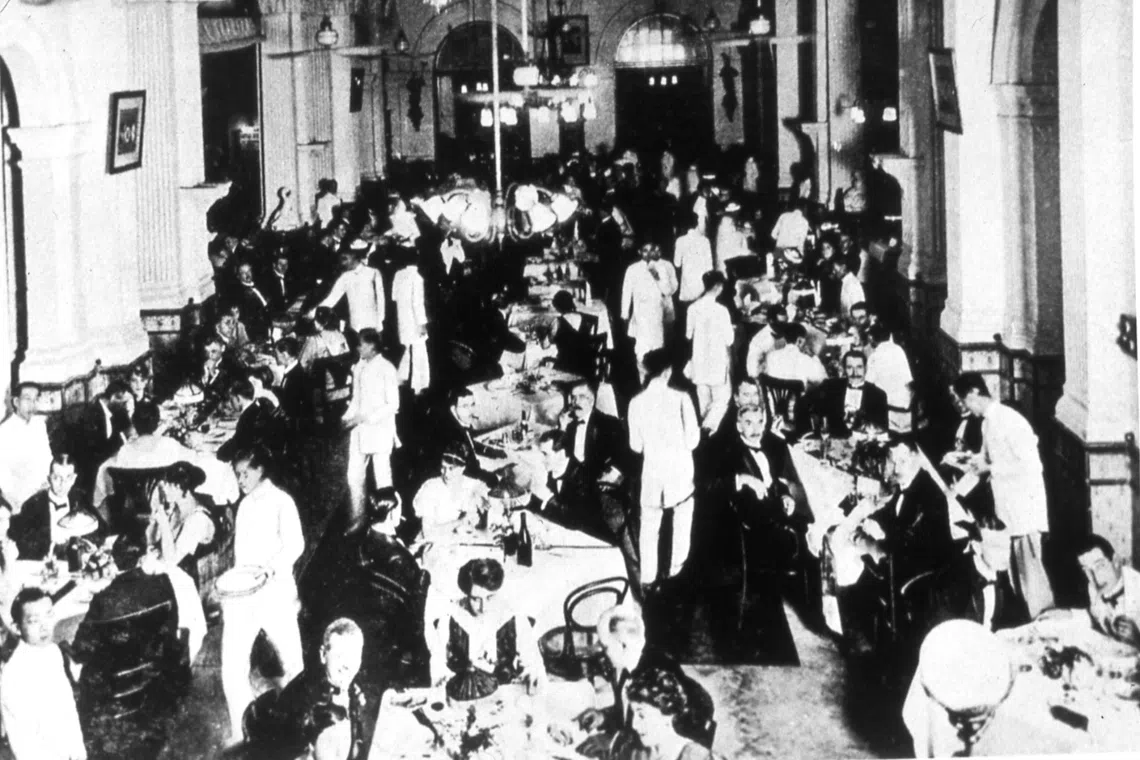
“By the early 20th century, the hotel had established itself as a social destination, hosting lavish dinners, balls and celebrations alongside fine dining and spaces for leisure and conversation.”
Its founders, the Sarkies brothers, introduced a number of traditions that shaped Singapore’s early luxury hospitality scene. Afternoon tea became a refined social ritual, while personalised valet service evolved into today’s Raffles Butler.
The hotel also developed a strong association with the literary world, with writers including Joseph Conrad, Rudyard Kipling and Noel Coward passing through its doors. This legacy continues today through Writers Bar and the Raffles Writer-in-Residence programme.
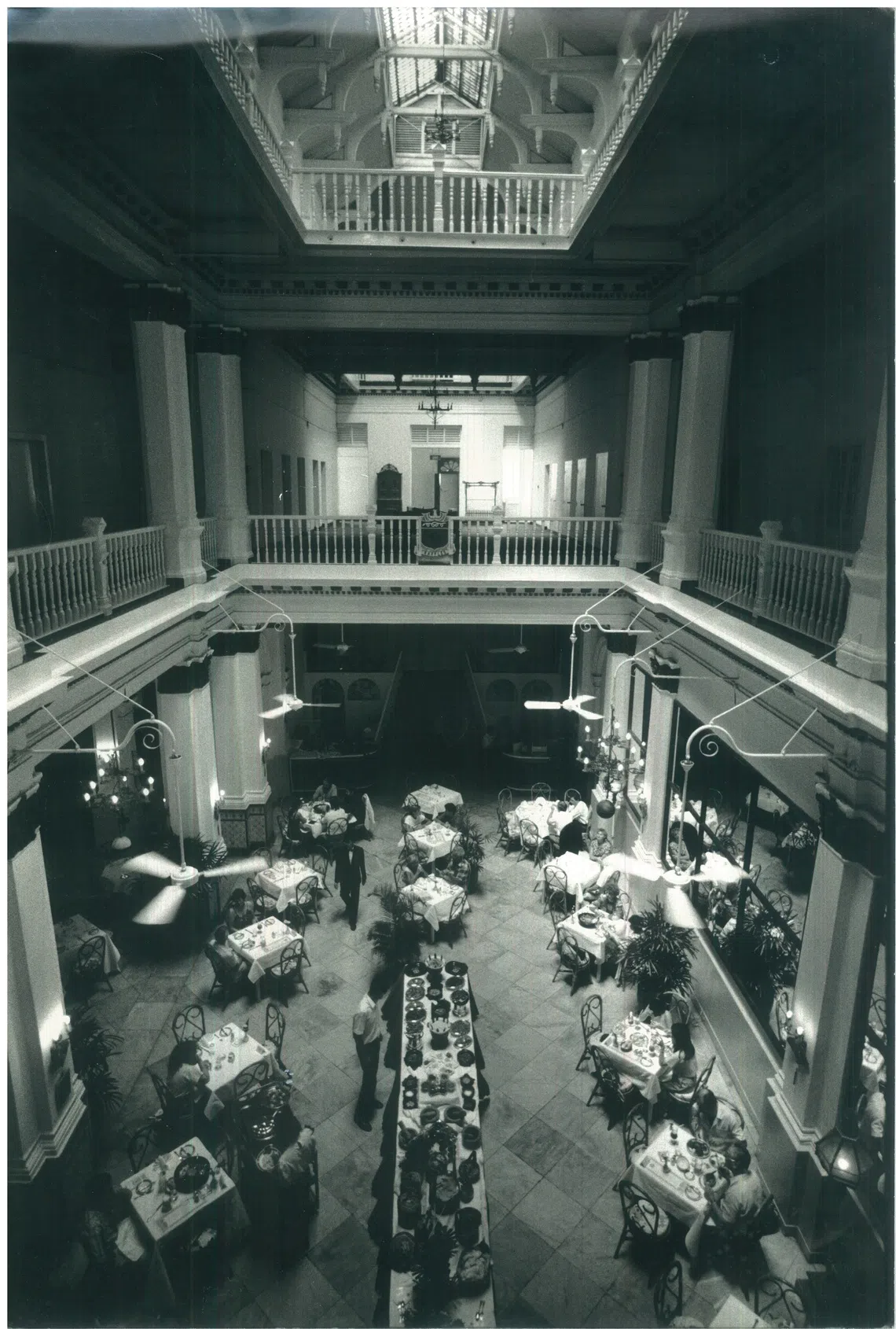
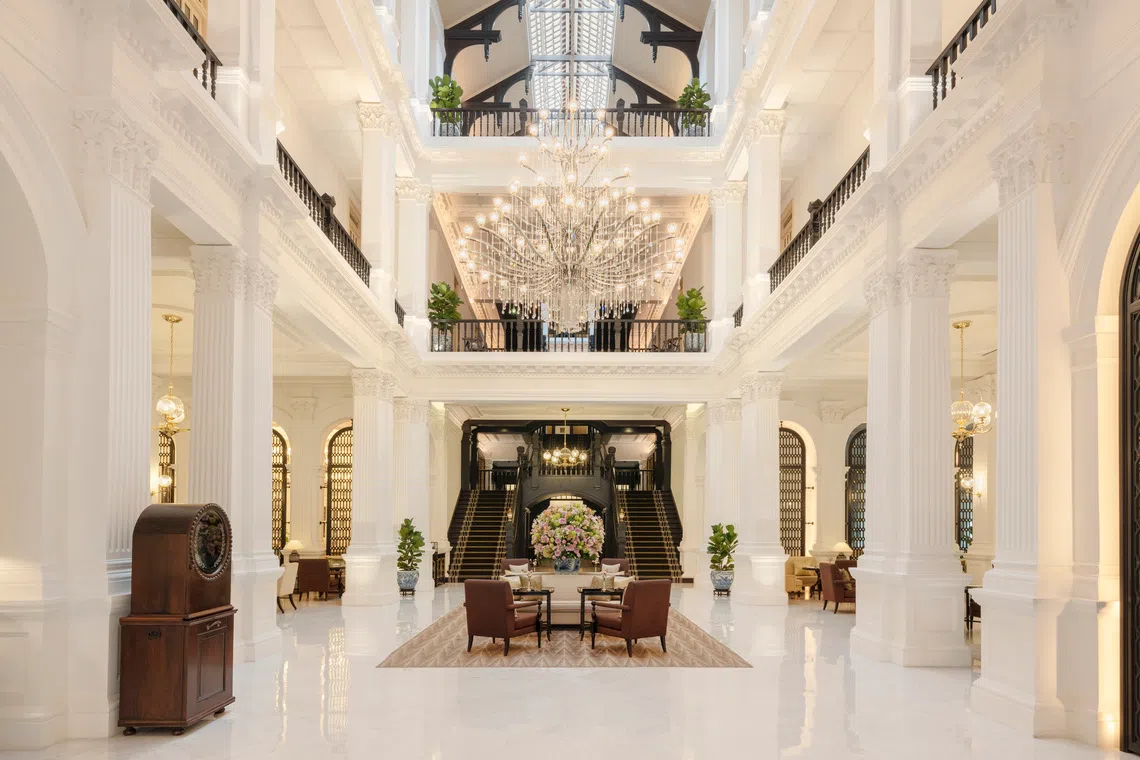
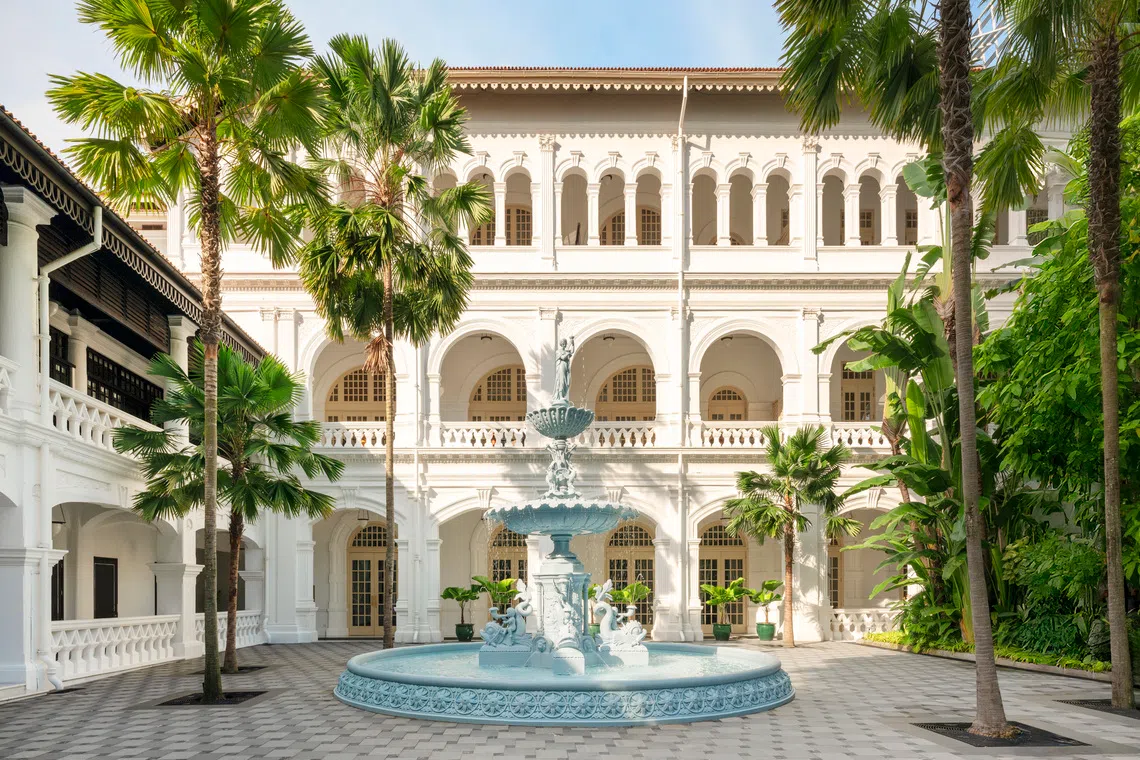
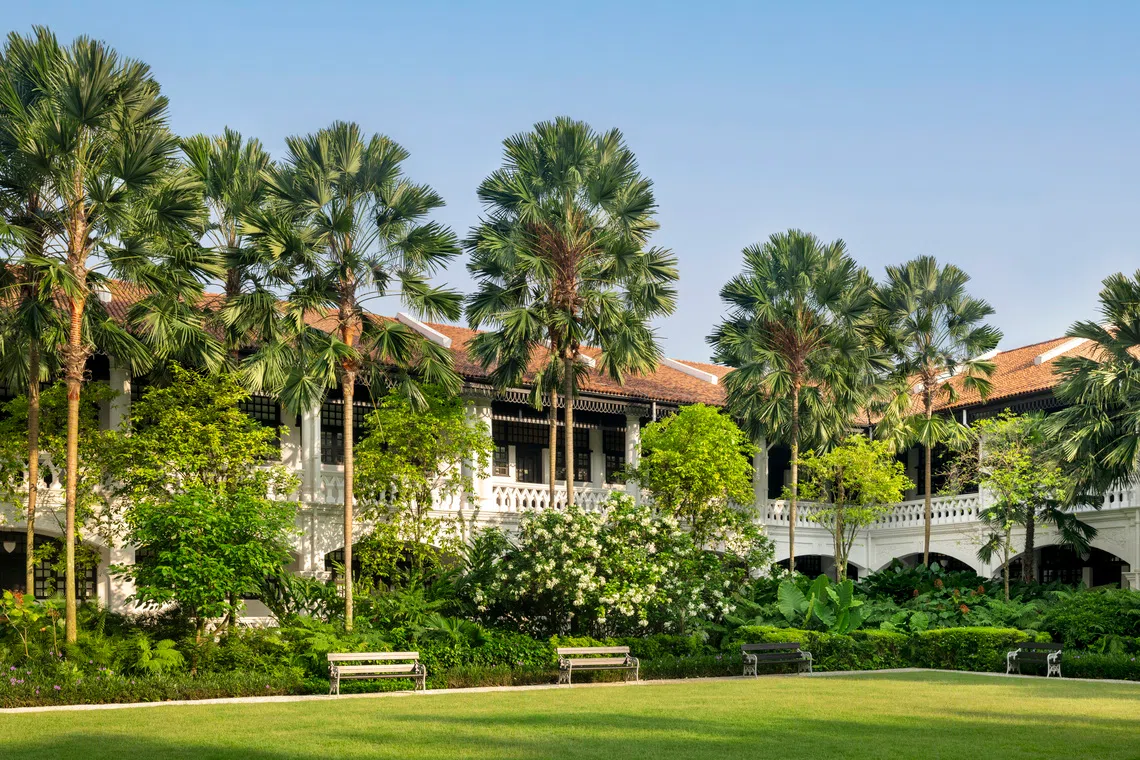
According to Danker, the Sarkies were creating a grand hotel that could stand alongside the world’s great hotels that welcomed international travellers, but was distinctly adapted to Singapore’s tropical setting.
“The architecture eventually became inseparable from Singapore’s identity. The hotel’s designation as a national monument in 1987 formally recognised that significance,” he adds.
What guests today seek
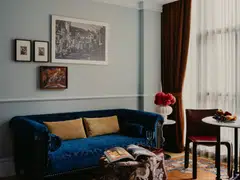
“The Raffles guest today cannot be defined simply by age or nationality. What connects our guests is a desire for meaning, individuality and a genuine sense of place,” the historian notes.
“Many have experienced exceptional luxury hotels around the world, so beautiful rooms, fine materials and outstanding restaurants are expected. What they seek from Raffles is something that cannot be newly constructed: layers of memory.”
Those layers might include sipping a Singapore Sling, having afternoon tea in rooms that have hosted generations before them, or walking along corridors once frequented by writers, actors and dignitaries – all while being cared for within a service culture developed over more than a century.
“This heritage is brought to life through people,” Danker says.
“Legendary service is often expressed through small, emotionally intelligent gestures: remembering how a returning guest takes their tea, recreating an anniversary moment, helping a family revisit a cherished memory, or anticipating a need before it is voiced.”
This accumulated sense of history is also among the most difficult qualities to replicate. “A new hotel can create beautiful architecture and exceptional service from its first day. What cannot be created overnight is memory,” Danker adds.
“At Raffles, guests become part of a story that began in 1887.”
Reinterpreting the past
Raffles has also found ways to turn its past into something more dynamic than nostalgia. An obvious example is 1887 by Andre, the hotel’s collaboration with chef Andre Chiang, who first visited Raffles some 25 years ago.
In 2025, Chiang became the hotel’s first chef writer-in-residence, and spent the time researching its culinary and cultural history.
“That experience laid an important foundation for 1887 by Andre, allowing him to engage deeply with Raffles’ archives and understand its heritage from within,” says Jesmine Hall, the hotel’s director of commercial marketing.
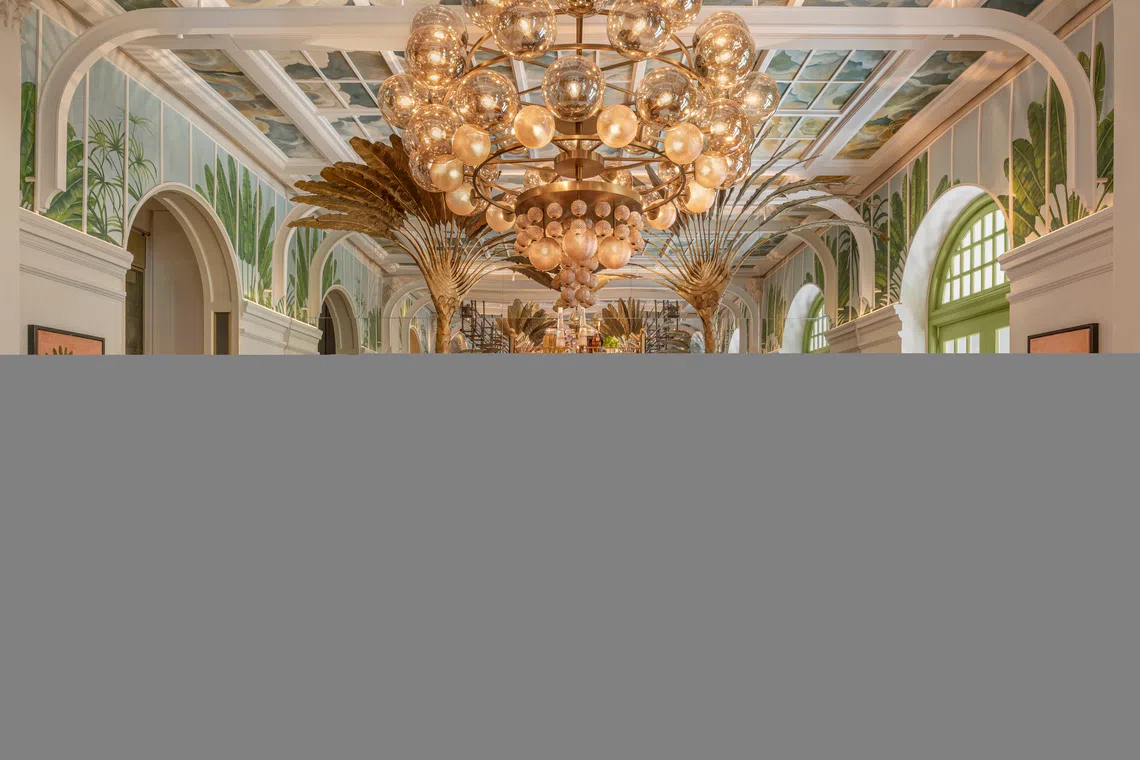
The intention was never to recreate the past, but to reinterpret it for the present. Chiang describes the restaurant as a “taste of time”, drawing on 139 years of archival references, Singapore’s multicultural flavours and his own culinary journey.
The research went far beyond historical recipes to encompass old menus, ingredients and culinary traditions, service rituals and even the hotel’s silverware.
One example is turtle soup, a dish that appeared historically at Raffles. Rather than reproduce it literally, Chiang reinterprets its taste, texture and character without using the actual reptile.
This allows diners to experience part of the hotel’s culinary history in a contemporary form.
“This is what made the collaboration particularly meaningful for us: it demonstrated that preserving heritage does not mean preserving everything exactly as it was,” says Hall.
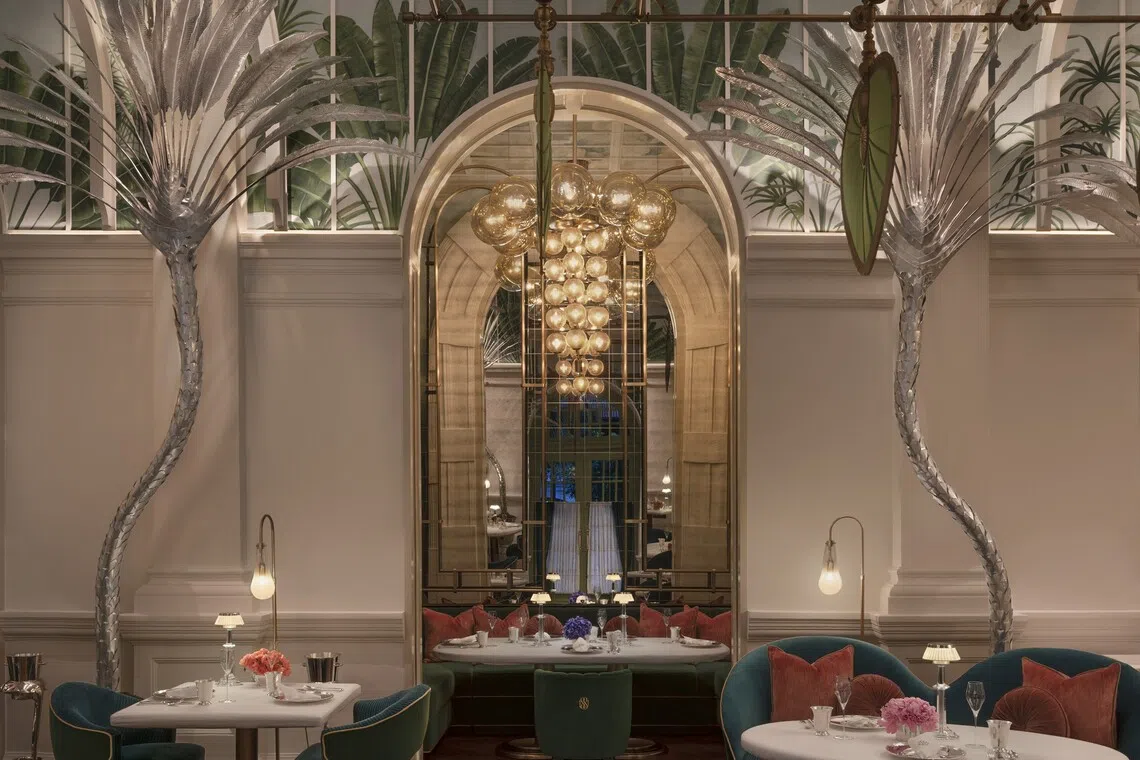
The restaurant, which recently earned two Michelin stars, offers a blueprint of sorts for how a heritage hotel can evolve. Raffles’ philosophy has remained relevant since its beginnings: “Arrive as guests, leave as friends, return as family.”
“As we look ahead, we will continue to build on that spirit, finding new ways to create meaningful, personal experiences while remaining true to what makes Raffles, Raffles,” says Hall.
Beyond 1887 by Andre, other familiar Raffles rituals have been allowed to evolve through the decades.
The Singapore Sling is a case in point. Conceived at Long Bar in 1915, when social convention made a fruit-based cocktail a more acceptable choice for women drinking in public, it has become a Singapore icon and a welcome ritual for visitors from around the world.
More recently, the offering has expanded to include the Singapore Sling Zero. Likewise, Tiffin Room and Writers Bar continue to reinterpret their culinary and literary legacies for contemporary audiences.
A quieter kind of luxury
These changes also reflect a shift in what luxury travellers now value. “For decades, luxury hospitality was largely defined by more: larger rooms, more elaborate materials, more amenities and more visible service,” notes Hall.
She believes the next era will focus more on “meaning, expressed through privacy, time, space, personalisation, cultural connection and intuitive service”.

At Raffles, that extends to technology. The 2019 restoration was designed to ensure that the hotel remained relevant to a new generation of guests.
During the refurbishment, contemporary connectivity, mechanical blinds, lighting and suite controls were incorporated alongside antique-style switches and historic interiors.
“Technology will play an important role, but at Raffles, it should largely disappear into the background. Guests receive 21st-century functionality without feeling as though they are staying inside a piece of technology,” says Hall.
“Raffles helped define luxury in Singapore more than a century ago through innovation, graciousness and a profound sense of place. Those principles have not changed; what changes is how we express them.
“The future of luxury will be more about what it can make a guest feel: understood, connected and part of something meaningful. Our role is not simply to preserve the past, but to also keep writing the next chapter.”
Decoding Asia newsletter: your guide to navigating Asia in a new global order. Sign up here to get Decoding Asia newsletter. Delivered to your inbox. Free.
Share with us your feedback on BT's products and services
TRENDING NOW

Once staunchly pro-China, Malaysian Chinese businesses are now distancing themselves from Beijing

Looking beyond looming CEO succession, should UOB potentially pursue a transformative merger?

Could stablecoins be the future of money?

Grab CEO’s wife Chloe Tong on life with Anthony Tan and finding her purpose

