

UOB CEO’s youngest child Grant Wee turns burnout into a wellness business
Hideaway brings massage, cold plunges and recovery to New Bahru

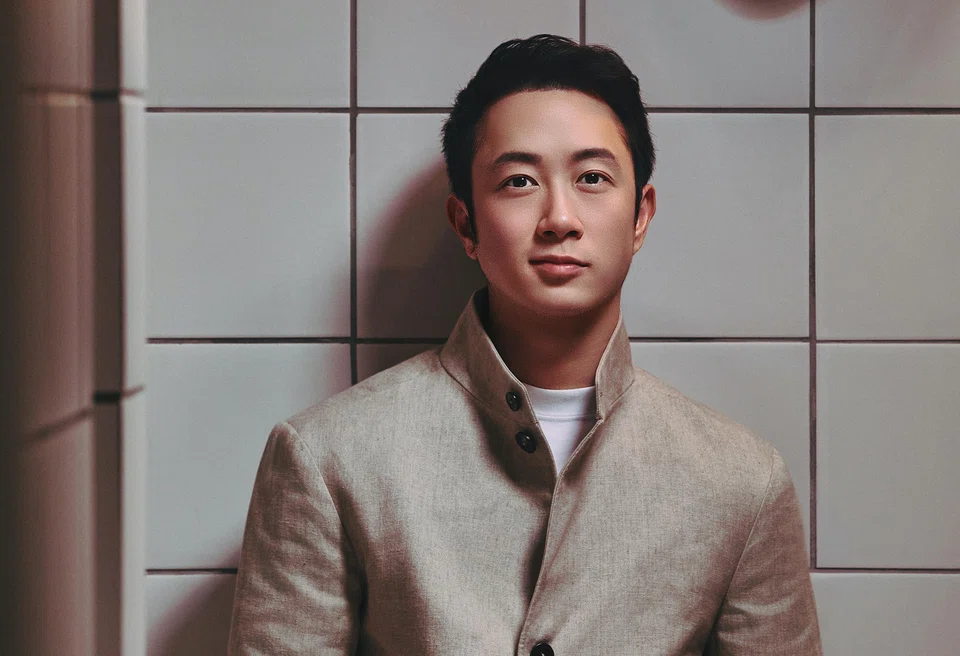
GRANT WEE WAS ONLY 11 when he first understood the power of a well-designed space.
It was Loof, Singapore’s first standalone rooftop bar, opened in 2005 by his older brother, Wee Teng Wen, then 25.
Grant arrived with his parents, too young to drink but old enough to sense that something interesting had been created above Odeon Towers: music, light, skyline, mood and a crowd made more glamorous by its surroundings.
This was long before Teng Wen built his Lo & Behold Group into one of Singapore’s most admired hospitality companies – and long before New Bahru, his latest project, became one of the city’s most talked-about lifestyle enclaves.
But Loof gave the younger Wee an early education in atmosphere. A space, he realised, could do more than contain people. It could change how they felt.
“I remember thinking, oh my God, this is my first time in a bar,” Grant says. “But what stayed with me was how cool the whole experience felt – how you could create a whole world seemingly out of nothing. It was like magic.”
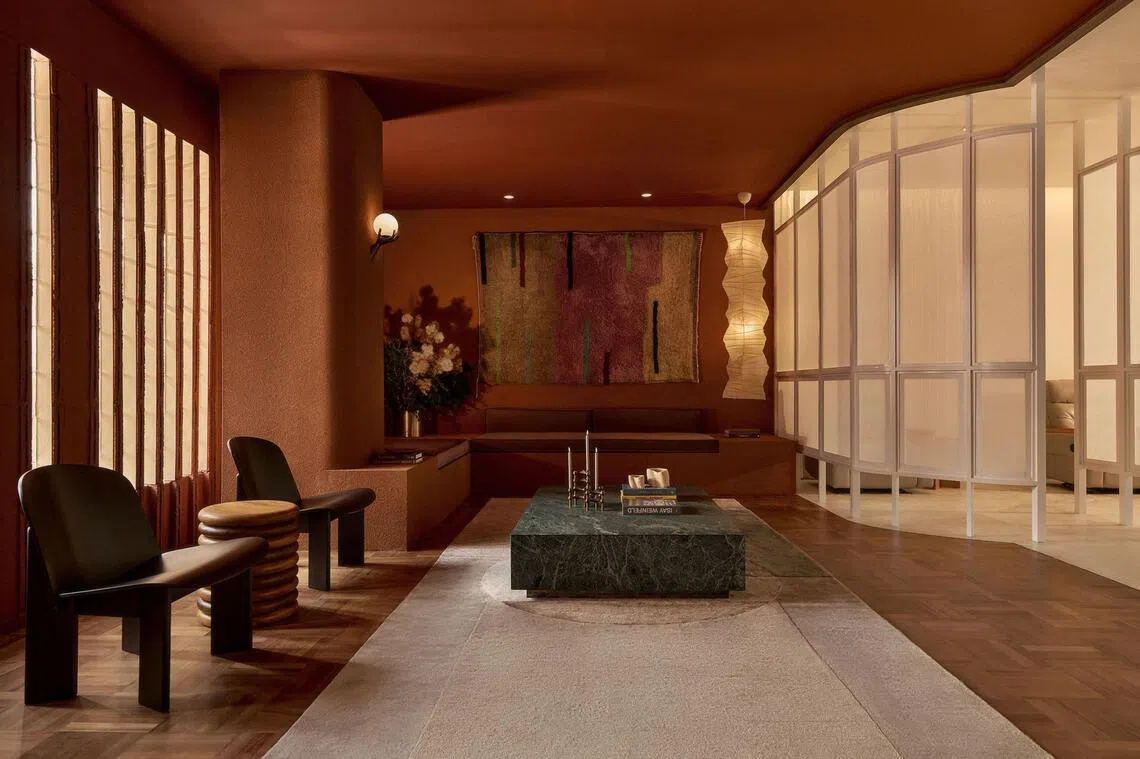
Some 20 years later, Grant is attempting his own kind of conjuring. Not with cocktails, restaurants or hotels, but with infrared saunas, cold plunges, massage beds and soft lighting.
At Hideaway, his 3,500 square foot massage-and-bathhouse concept at New Bahru, the spell is quieter than Loof’s but no less deliberate. The rooftop buzz has been replaced by warm oil, heavy curtains, low voices and the bracing shock of cold water.
If Teng Wen created spaces for dining, drinking and being seen, Grant is building rooms for hiding and recovery.


The weight of a name
The Wee brothers, of course, carry one of Singapore’s most recognisable business names. Their father, Wee Ee Cheong, is the long-time CEO of UOB. Their grandfather was the late banking patriarch Wee Cho Yaw. Their other brother, Wee Teng Chuen, went into banking too.
But Teng Wen and Grant chose a different route. Their careers are not in finance but in feeling: restaurants, hotels and wellness spaces designed to make urban life more pleasurable, or at least more bearable.
For Grant, that mission is “rather personal”. After graduating from Durham University, he joined Boston Consulting Group, where the travel, poor eating habits and lack of exercise gradually took a toll.
Then, at 23, he suffered vertigo so severe that he landed in hospital. His blood pressure was high, and a doctor warned that without lifestyle changes, he might need medication. “I realised this was not sustainable,” he says.
He left consulting soon after and began thinking about wellness not just as something he needed, but as something he could build a business around.
His first major venture was Trapeze Rec Club (TRC), a four-storey club in Tanjong Pagar that brought together fitness, martial arts, yoga, physiotherapy, recovery, mental well-being and a cafe. It was energetic, social and almost idealistic in its belief that health could be built through community.
“I built TRC for 20-year-old Grant,” he says, referring to his younger self at Durham, where he struggled with depression and loneliness but found refuge in therapy, fitness and community.
But in March 2026, he closed TRC, citing rising rent, higher operating costs and the complexity of running a business housing many services under one roof.
He compares the closure to leaving a first relationship: “You think it’s going to last forever. But sometimes you need to say goodbye. And saying goodbye enables you to grow.”
A place to vanish
Hideaway belongs to another version of him: “the burnt-out consulting-era Grant”.
Located on the fifth floor of New Bahru’s School Block, it features four semi-private bathhouse pods, each with its own infrared sauna and cold plunge, a private bathhouse suite, five single treatment rooms, two couple rooms and a reflexology lounge.
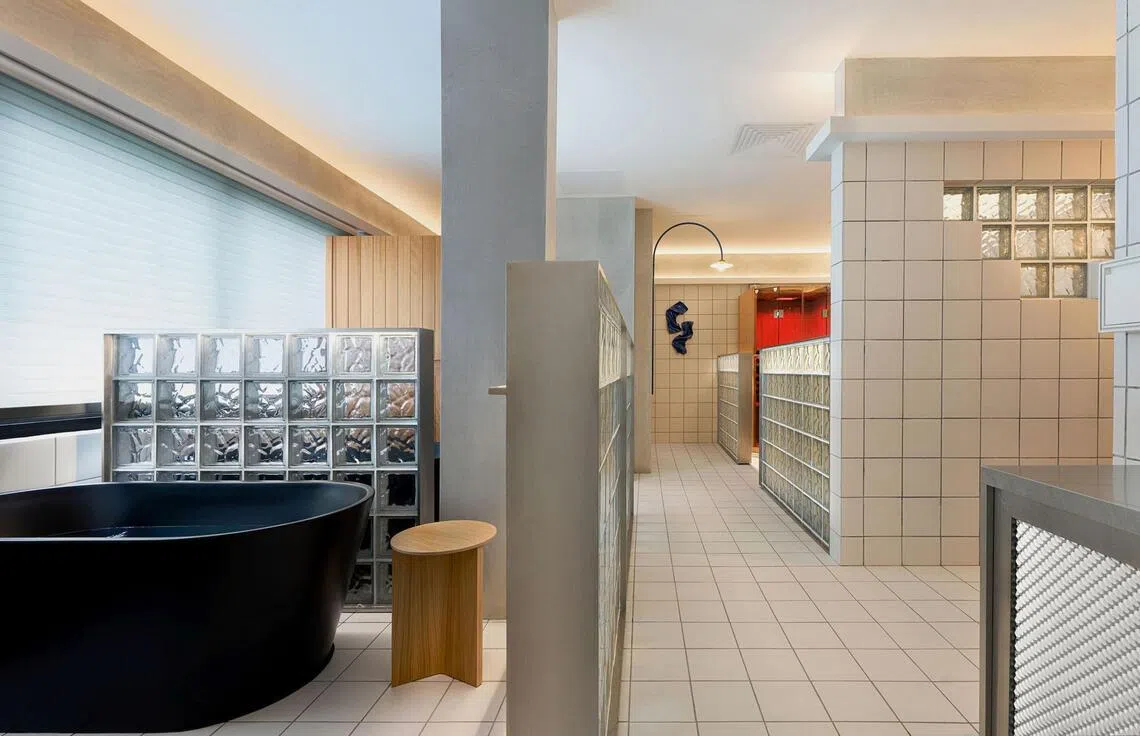
The menu ranges from Swedish-style body massage and deep-tissue work to guasha head-and-scalp treatments, herbal compresses, hand and foot reflexology, and longer rituals built around sleep, cleansing and athletic recovery. It is wellness made tangible: heat, cold, pressure, scent, silence.
“We created Hideaway as a place where you can access the parasympathetic nervous system,” says Grant. “From the moment you walk in, the scents, sounds and sights put you in a more restful state. Then comes the massage. To me, there’s nothing more relaxing than a good massage.”
Unlike TRC, which was built around community, Hideaway is designed for withdrawal: “We want it to be an urban escape. A place where you can spend an hour or two by yourself, recalibrating. This is wellness in its quieter form.”
Grant’s own personal routine is disciplined. He strength-trains four times a week, runs in the morning, does weekly physiotherapy and deep-tissue massage, and uses sauna and cold plunge.
He used to be a night owl, but gave that up just so he could wake at 6 am for a run. “It hasn’t been easy. But you have to find the discipline and do it. These are the building blocks of living well.”
The recovery economy
Grant believes Singapore is catching up with the global wellness movement. Covid-19 made people more intentional about their health. Run clubs multiplied, Hyrox gyms appeared and strength training entered the mainstream.
Cold plunges and saunas became part of the vocabulary of a high-income, high-stress city that has learnt to optimise almost everything, including recovery.
“Singaporeans are very overworked,” he says. “We definitely need to do more to address mental health and burnout.”
He is not blind to the contradiction. Premium wellness spaces can resemble expensive private solutions to public problems: overwork, loneliness, social pressure, a shortage of mental-health practitioners and the expectation that people should keep performing even when they are exhausted.
Hideaway cannot change office culture, he says. A sauna cannot solve burnout. A massage cannot remove the pressures of a modern life lived chronically online, where everyone else appears to be richer, fitter and happier.
But he thinks a room can still offer temporary relief: an hour or two to “reset and escape from the world”.
Grant learnt about business from his family – though not only in the obvious ways.
From his father, he inherited discipline and an interest in health. Wee Ee Cheong, he says, was serious about exercise, longevity and supplements long before such things became fashionable.
“Beyond that, my father also always made time for the family,” he says. “To be a banker and still find time to be present for the family – that’s something I hope to emulate.”
From Teng Wen, Grant learnt entrepreneurship and hospitality – though he understands now what his 11-year-old self did not: The magic of hospitality is never only magic.
“I realise now it takes grit, a strong team, and the willingness to abandon something when it no longer works.”
Hideaway is his current answer to that lesson. It is quieter than Trapeze, less socially ambitious, and perhaps more realistic about what wellness can and cannot do.
It cannot make Singapore less relentless. But it can offer a curtain, a therapist’s hands, a plunge into cold water, a return to breath.
Not magic, exactly. But after the city has had its way with you, perhaps close enough.
Photography: Darren Gabriel Leow Fashion direction: CK Assistant stylist: Haz Grooming: Sveta Klyn, The Suburbs Studio, using Dior Beauty and Kevin Murphy.
Decoding Asia newsletter: your guide to navigating Asia in a new global order. Sign up here to get Decoding Asia newsletter. Delivered to your inbox. Free.
Copyright SPH Media. All rights reserved.
TRENDING NOW

DBS, OCBC, UOB rout lops billions off STI as inflation, rate concerns spook investors

Grab CEO’s wife Chloe Tong on life with Anthony Tan and finding her purpose

OCBC sheds S$8 billion in value as shares close nearly 6% down; analysts cautious on banks

Deal between tycoon friends sparks scrutiny of Philippine power sector

