

New restaurants – finding fresh opportunities in Singapore’s volatile dining scene
Veterans such as Ebb & Flow, wine club 67 Pall Mall and chef Willin Low add to the stream of openings
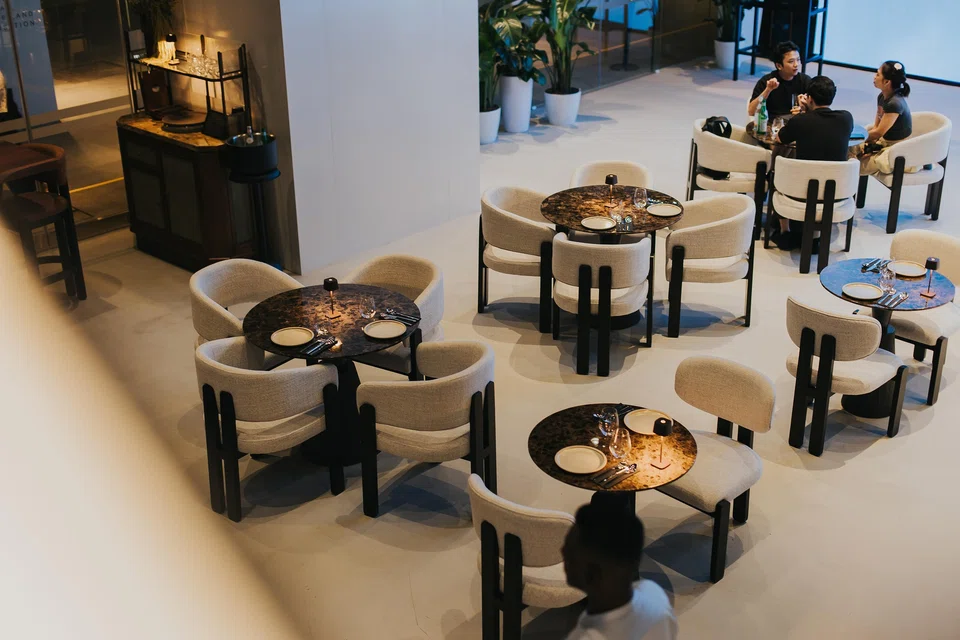
[SINGAPORE] One door closes, but another opens. That sums up the state of Singapore’s food and beverage (F&B) industry, where more restaurants and food businesses are opening than closing, undeterred by the notoriously high attrition rate.
Data from the Accounting and Corporate Regulatory Authority showed that there were 3,074 closures in 2025, compared with 4,100 new eateries registered.
The trend of openings outpacing closures continued from January to May this year, when 1,800 new businesses were registered, versus 1,515 that gave up.
It doesn’t necessarily mean that there are more fresh entrants to the F&B scene; established players also add to the mix even as they juggle the challenges of market uncertainty and high operating costs.
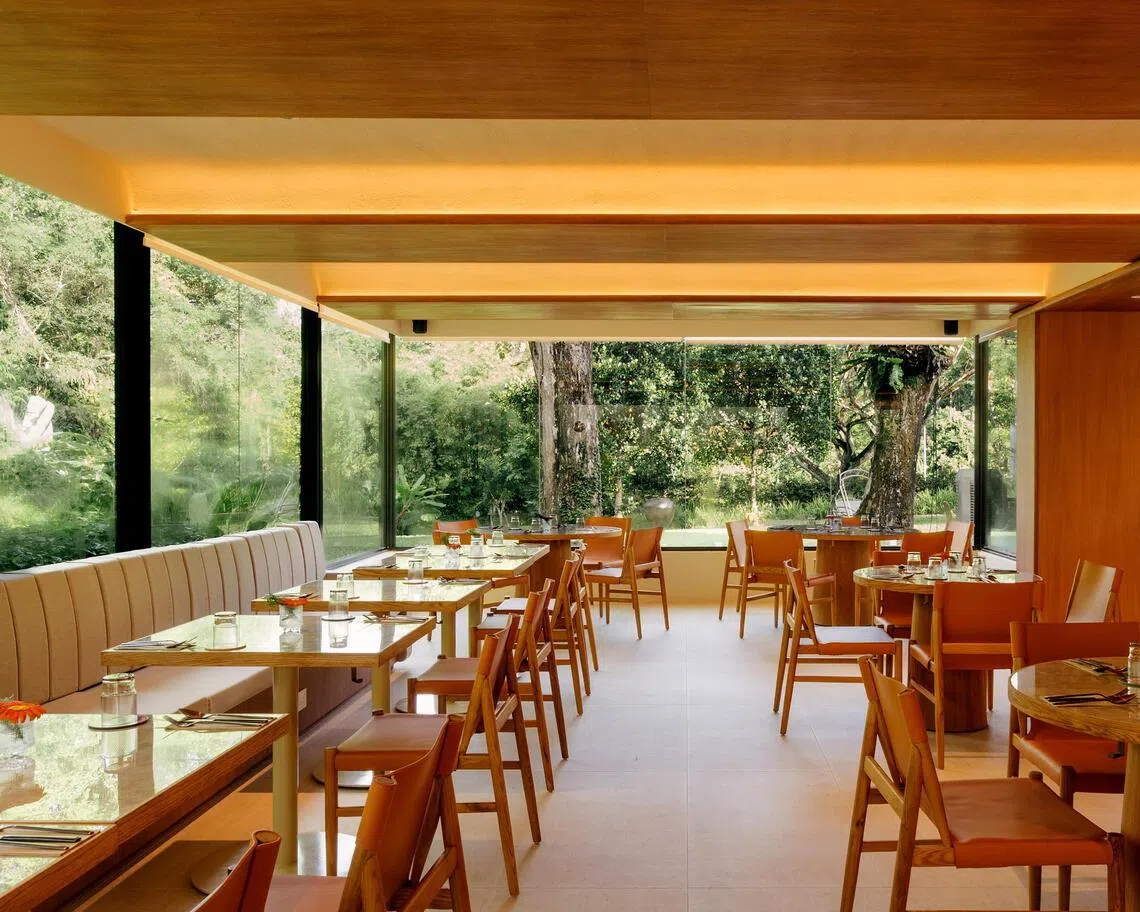
Recent activities by established F&B players show that they’re not sitting still, even if it means making tough decisions to close and rethink concepts in their own stable.
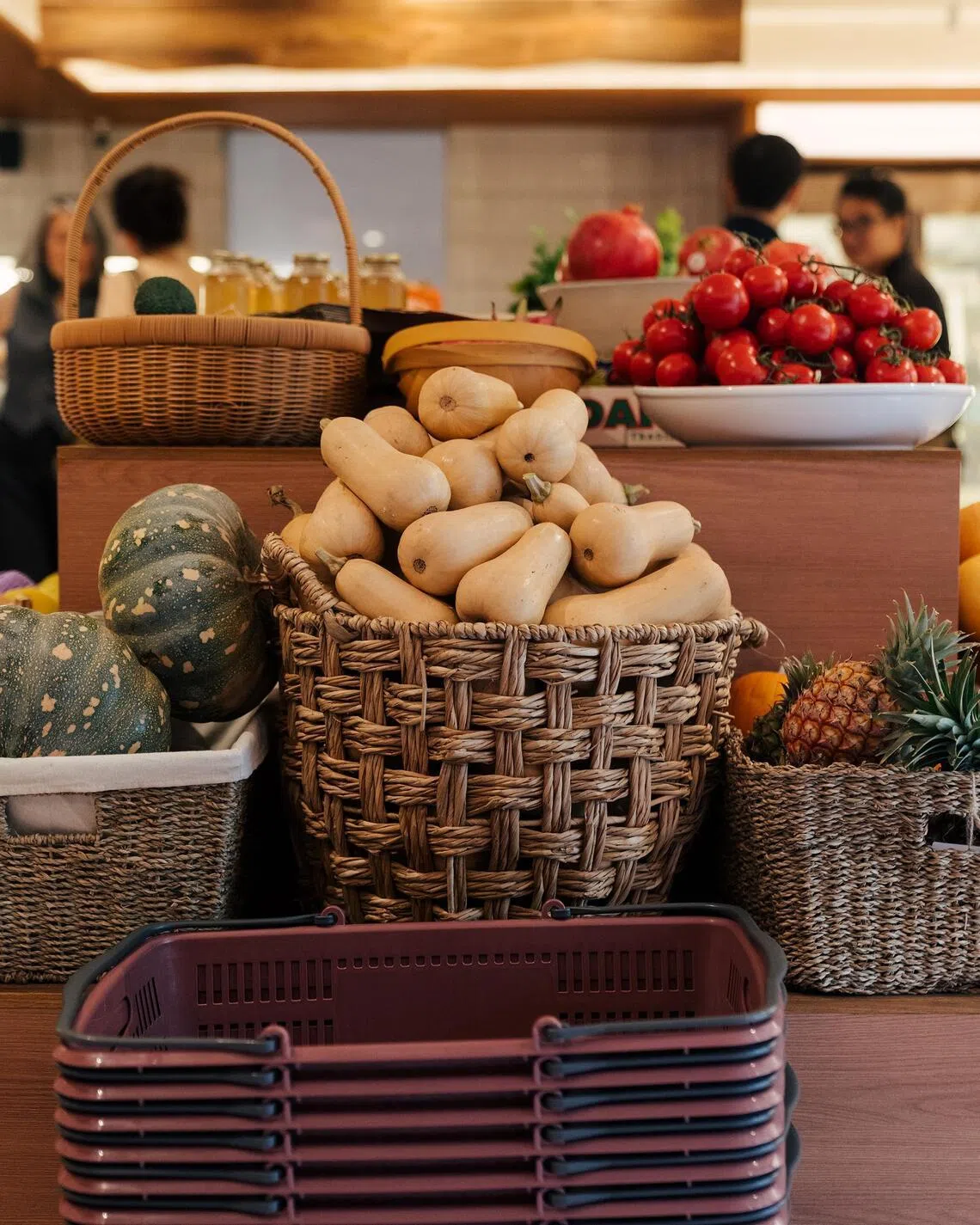
Ebb & Flow, for example, recently announced the closure of Curly’s – its ambitious organic gourmet grocer and pet-friendly dining space in Dempsey – just seven months after its opening in November 2025.
New moves at Ebb & Flow
Curly’s closure was not so much about depressed market conditions but its fit in Ebb & Flow’s eco-system, says group co-founder and CEO Lim Kian Chun.
The idea had been to “create a grocer and retail business that would allow us to become a vertically integrated F&B group that could source responsibly”, but the reality was not what they expected.
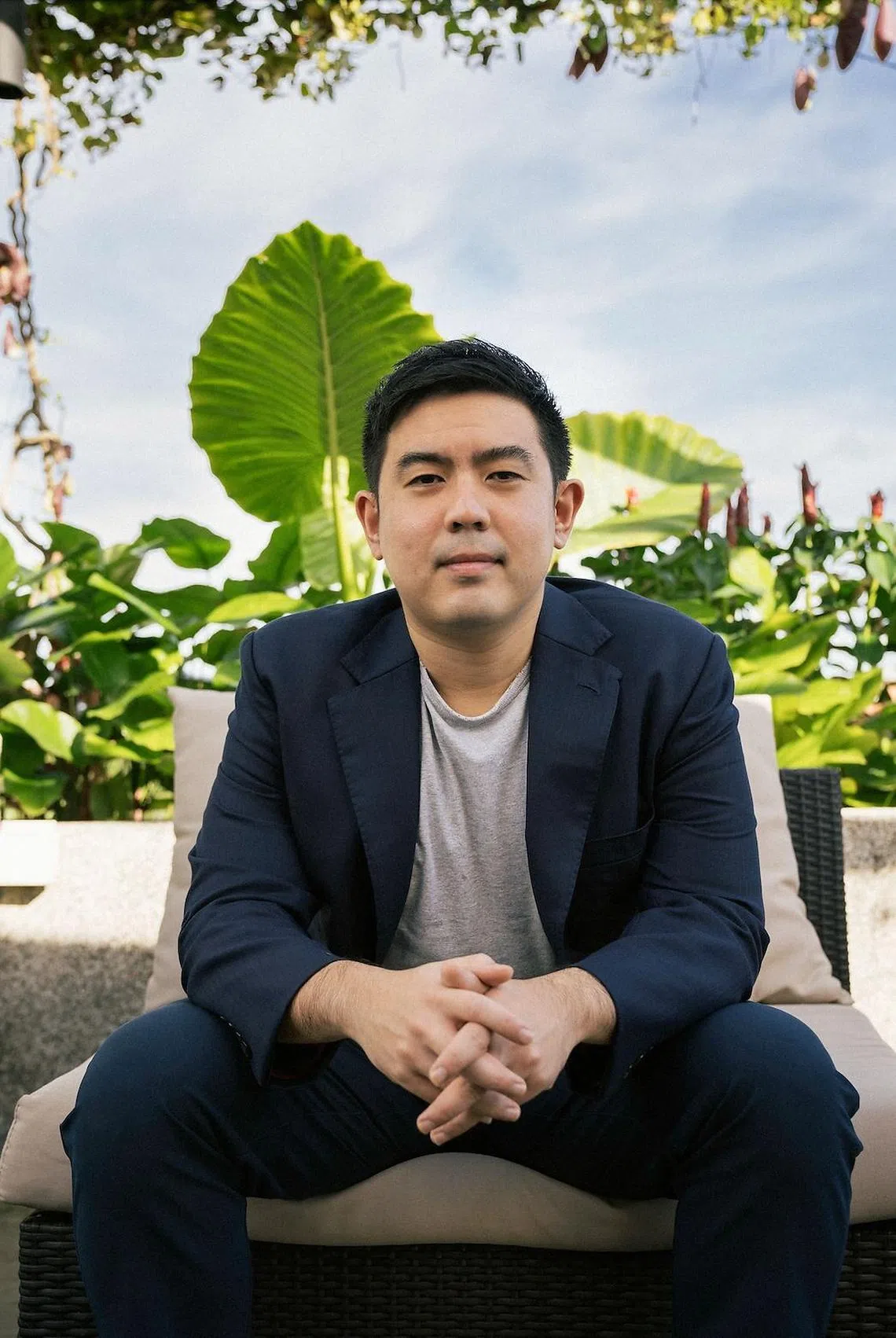
“In hindsight, the move added significant complexity to our operations and required capabilities outside our core expertise,” he adds.
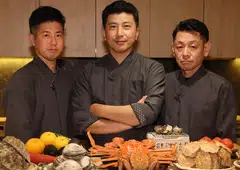
“It’s a very resource-intensive business with low margins, and you have to be extremely good at it to succeed. It’s better for us to take our licks earlier rather than many years down the road.”
The plan is to continue to source responsible produce, but not as a wholesaler or retailer.
Instead, the 8,000 square foot (sq ft) space – formerly occupied by French bistro Atout, which moved to the second floor of the Harding Road building – will be converted into a Mediterranean-inspired restaurant.
Featuring vegetables, grains, seafood and wood-fired cooking, the concept is awaiting approval by the Singapore Land Authority. If they get the green light, the project will be a collaboration with Antonio Miscellaneo – the chef behind La Bottega Enoteca who also created the casual pizza chain Casa Vostra with Ebb & Flow.
Lim hints that other “exciting” chefs will be involved in the restaurant which he hopes will open in the third quarter, subject to approvals and renovation timelines.
Lim is also busy with the revamp of Air CCCC, a sprawling 40,000 sq ft sustainability-focused dining enclave also in Dempsey.
Opened in 2024, Air was helmed by American chefs Matt Orlando and Will Goldfarb with the co-owner of Bali-based Potato Head Ronald Akili, until Ebb & Flow took over the management in January.
The two chefs are no longer involved in the business, says Lim, but sustainability will still be a core pillar of the new concept.
“Air has always served contemporary Asian food with a European touch. We’re not completely changing the direction – just refining and elevating the offering to better reflect its core Asian identity.”
As for why he wanted to take on such a big project in the current economic environment, he says: “It’s a beautiful venue that we can create a great concept around.”
The current restaurant will close at the end of July and reopen in October, with more details to be confirmed later.
Ebb & Flow currently owns and operates 10 restaurants, including Casa Vostra, Chin Mee Chin, and upscale outlets Willow, Temper and Firebird.
“Closures are really painful and difficult, but we view it as the cost of doing business,” says Lim.
“This is a really unforgiving industry and from experience, it is better to pivot hard and fast rather than drag out a concept that does not resonate with customers. We’ve done this a few times successfully before, such as when we converted Tribal to Temper.”
Lim is also betting big on artificial intelligence, with plans for the group to become fully AI-native by 2027.
“The team has been working with AI since 2021, but improvements in the past year have started to compound and we have a suite of tools developed for hospitality operations,” he says.
“We can’t share details yet, but the direction is to build a more structured hospitality group with stronger restaurant brands and the operational backbone to support long-term growth.”
67 on Scotts
Four years after opening in Singapore, the members-only private wine club 67 Pall Mall is opening to the public. Or rather, not the club itself, but the new events-centric and all-day-dining concept 67 on Scotts, which has opened in the same location as the original club.
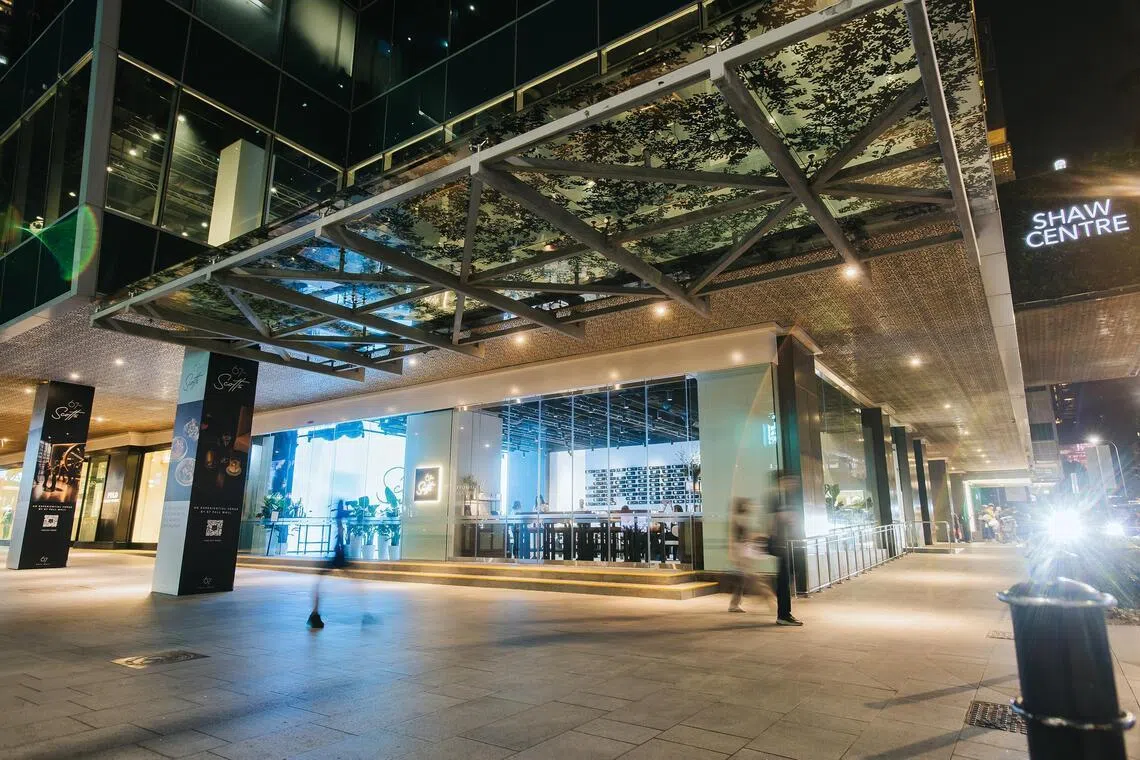
Spanning 6,700 sq ft on the first two levels of Shaw Centre, 67 on Scotts is the first concept of its kind in the world for the group, says its UK-based founder Grant Ashton.
Having started in London in 2015, 67 Pall Mall now has clubs in Verbier and Hong Kong, with new openings in cities such as Shanghai, Melbourne and Bordeaux.
“The strategy was simple: to host more events with larger capacities and brand partnership activations that would otherwise be hosted elsewhere,” says Ashton.
They already saw potential in the increasing number of queries to hold events at 67 Pall Mall itself, and when a prime location became available, they took the plunge.
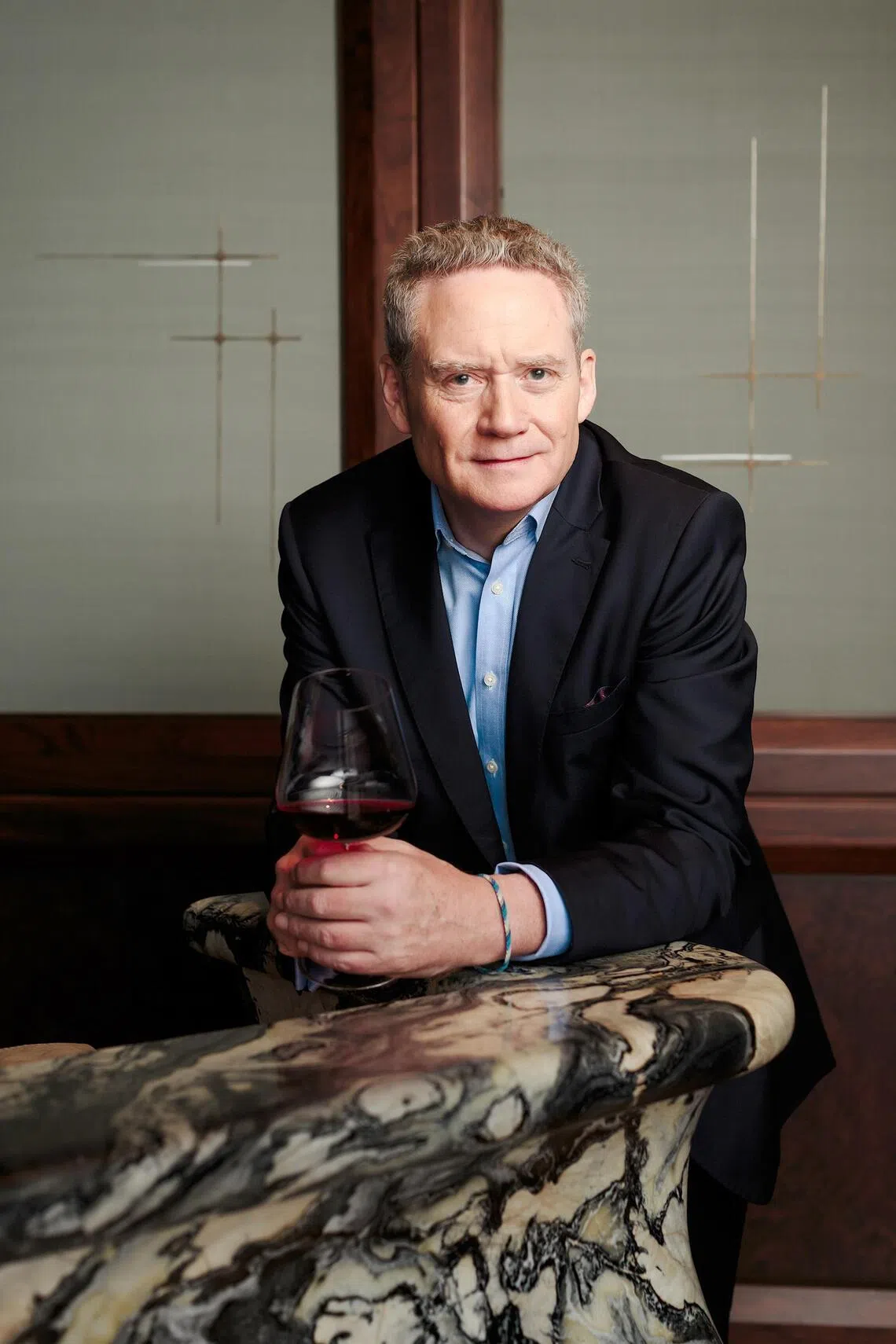
“Orchard Road is one of Singapore’s most prominent locations, yet there are surprisingly few premium venues with prime street views that are flexible with LED visual technology. So this was an opportunity to do what we do well on a larger scale.”
A 9-metre tall LED wall now takes centre stage, connecting the two levels which can be configured for everything from art installations to gatherings for up to 250 people.
It is also open for regular all-day dining, featuring a Mediterranean menu devised by chef Balaji Vijayachandran, who has worked in DB Bistro Moderne and Artemis Grill.
Given 67 Pall Mall’s wine origins, there is an extensive by-the-glass menu. Members enjoy preferential pricing on wines and access to an exclusive “black book” selection.
Ashton feels that 67 on Scotts complements rather than takes away the exclusivity of 67 Pall Mall, which remains private and boasts 10,000 members worldwide – 2,500 in Singapore alone. He even projects an increase, as more footfall and curiosity lead to natural conversions.
The confidence is rooted in constant demand for new and exciting spaces by luxury brands looking to engage clients through conferences, networking events or private dinners.
It has already signed on car marque Porsche for an event in late June, “to showcase two of their iconic cars on the premises, alongside our food and wine”.
There are no plans to grow the concept in other countries at the moment, as the priority is to make the Singapore outpost a success first, and developing its clubs overseas.
“We’re offering more reasons to visit and engage with the club, and show that we want to invest more in Singapore as a next-level hospitality destination,” says Ashton.
Willin Low, Casa Mori
After closing his nearly two-decade-old burger brand Relish at the end of March, Willin Low’s main priority was to find a new place for his staff – some of whom had been with him for just as long – to work in.
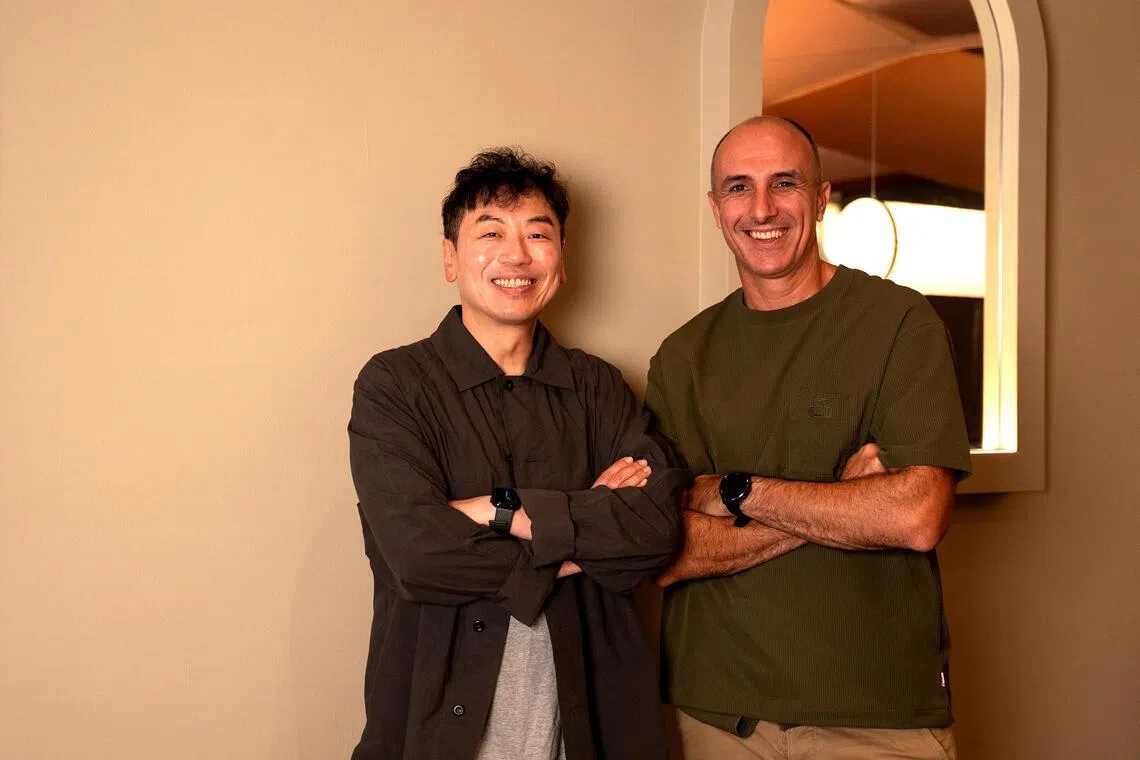
Business had been stable at the Cluny Court eatery, but the landlord wanted the space for a new tenant who made an offer they couldn’t refuse.
Low’s original intention was to reopen Relish in a smaller location, until Jose Alonso of AC Concepts came calling.
The two long-time friends had always toyed with the idea of working together but “the timing was never quite right”, says the Spanish chef-restaurateur behind concepts such as Kulto, Cenzo, Nomada and Il Toro.
But when Relish closed and Alonso was offered a space in Dempsey vacated by Mexican eatery La Salsa, the stars finally aligned for Casa Mori, a hybrid Spanish-mod-Singaporean eatery.
Among the opportunities that he considered, “this was the most attractive one”, says Low, especially in the current market. The odds have always been stacked against independent players who struggle not because their food or service is lacking, but because they lack strong operating systems.
With narrowing margins and even less room for error, indie operators “barely have time after dinner service to close the accounts, comply with legislation, clean the restaurant and be creative all at the same time, much less put systems in place”, he says.
“But whether it’s understanding consumer behaviour, finding economies of scale or watching the numbers, you need those back-end systems to survive.”
Which is why it makes sense to team up with a partner like AC Concepts, with their proven track record in those areas. It also helps that “the two founders are friends of mine who understand and appreciate what my restaurants are about and my motivations”, Low adds.
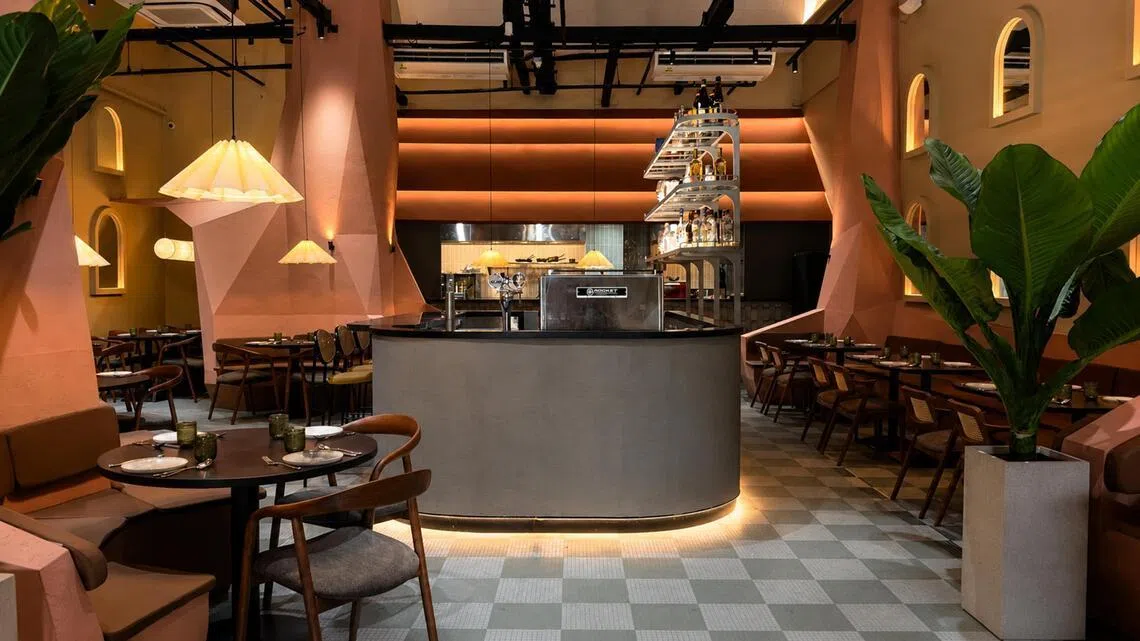
It also marks a comeback of sorts for Low – who pioneered the concept of “mod-Sin” cuisine when he opened Wild Rocket in 2005.
He currently owns Pastaro in Chancery Court and spends four months a year running Roketto Niseko at a ski resort in the Hokkaido town famed for its powder snow. Casa Mori is a nod to his time in Japan.
While he considers himself semi-retired, he jokes that he is now “fully tired” as he is deeply involved in Casa Mori, personally cooking there for 10 days a month when he is in Singapore.
While the food is loosely described as Spanish and modern Singaporean, “the cuisine is a culmination of our life journeys”, says Low.
“Both chef Jose and I love our traditional cuisines, respectively, yet we spend quite a lot of our lives away from our homeland, and that has shaped how and what we eat today.”
Still, he has no plans to open any more restaurants for now. “I still want my semi-retired life back and continue spending half my time outside Singapore,” he says.
And after running Roketto Niseko for nine years, Low plans to close the restaurant after this winter season, due to “new visa restrictions which make it impossible for us to renew”.
He still plans to return to Niseko in the winter, albeit not for so long. For now, he is busy with Casa Mori, “having fun learning how another group runs its operations” and seeing where life takes him next.
Decoding Asia newsletter: your guide to navigating Asia in a new global order. Sign up here to get Decoding Asia newsletter. Delivered to your inbox. Free.
Copyright SPH Media. All rights reserved.
TRENDING NOW

Government to bring forward raising of retirement age, give employers more financial support to create flexi-load jobs

If Europe goes to war, the fallout will be felt in East Asia

Indonesia stocks suffer worst plunge in nearly 30 years as MSCI proposes standalone status

Vietnam’s northern provinces, not Hanoi or Ho Chi Minh City, are powering near 10% GDP growth

