

The future of Orchard Road rests on having a cohesive vision
Singapore’s famed shopping belt is losing ground to its regional rivals

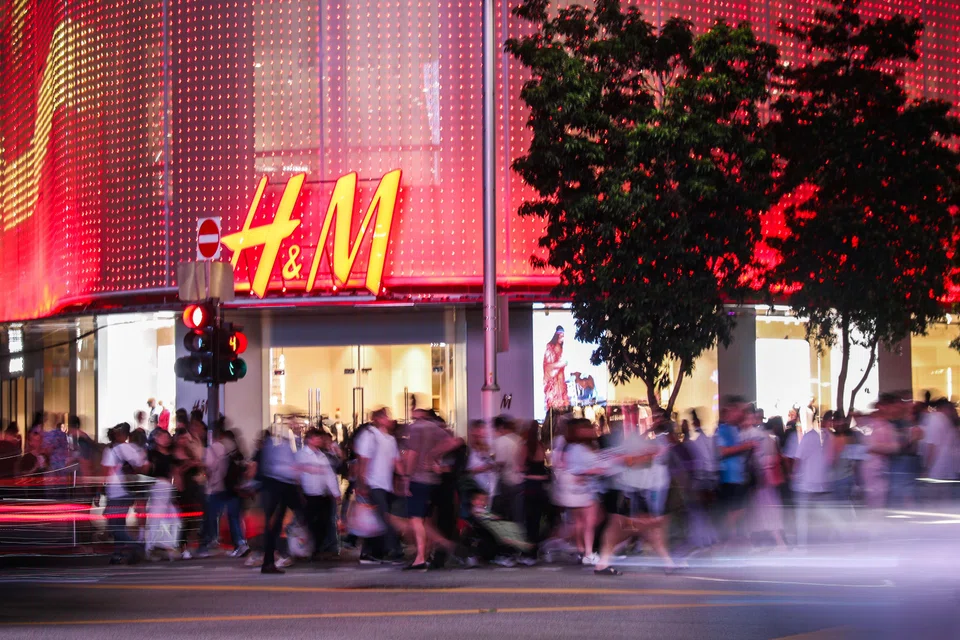
[SINGAPORE] Rejuvenating Orchard Road has been the subject of much vigorous debate over the years, as online shopping drew customers away from the belt and retail rivals emerged around the region.
There is no shortage of plans and projects to boost the shopping belt.
The latest, announced in May, involves transforming Orchard Road with ready-to-use pop-up spaces, niche hotel concepts and heritage developments. These are scheduled to be rolled out from 2026.
Even though weekdays may appear quiet, with only a handful of customers in the shops, crowds throng Orchard Road on Saturdays and Sundays.
The numbers are in part supported by the healthy number of visitors to Singapore.
But for tourists and shoppers, the must-see destination has for some time been Marina Bay Sands. Orchard Road is now more of a nice-to-visit or good-to-know place.
The question, then, is whether Orchard Road can regain its lustre as one of the region’s prime shopping districts.
Competition is fierce in the regional capitals near Singapore. IconSiam in Bangkok, for instance, is a towering mixed-use 525,000 square metre development boasting more than 300 shops.
Also in Bangkok is the stunning Dior Gold House.
Set amid lush gardens with a facade that is apparently meant to echo the Parisian town house where Christian Dior set up his maison – or fashion house – in 1946, the store attracts well-heeled customers.
These destinations are successful because they have the luxury of space to create differentiated offerings and experiential elements that shoppers nowadays seek. Singapore’s lack of space, however, is a key factor that works against its retail scene.
Other places lure shoppers with elements of history and heritage.
For example, in Seoul, South Korean beauty line Sulwhasoo has an outlet housed in a refurbished traditional Korean residence – typically built during the 1930s – located in a neighbourhood near the royal palaces.
Adapting to new paradigms
So, it is a welcome sign that the proposed Orchard Road revamp includes heritage elements, with plans to redevelop the Emerald Hill site that previously housed Singapore Chinese Girls’ School.
But heritage and history in spades do not always deliver the goods. Look at London: Even though Oxford Street is lined with Victorian and Edwardian buildings, it still went from an iconic shopping street to a stretch with many boarded-up units and tacky shops.
The pandemic and the growing popularity of online shopping were among the reasons for the exit of household names such as BHS, Debenhams and House of Fraser.
That is the fate of retail strips that do not adapt to new paradigms. Even sections of New York’s Fifth Avenue struggled after the pandemic, as tourists emptied out.
That said, apart from having the foresight to develop fresh retail concepts, another key factor underpinning the success of a country’s main shopping belt is undoubtedly the broader economy.
If a country thrives and its neighbouring economies do well, visitors will stream in and spend. Demand for new concepts will be there, and retailers will respond accordingly.
What is heartening in Singapore’s case is that the authorities have both the financial wherewithal and the commitment to prevent Orchard Road from declining into an obscure shopping belt.
Having a vision for the overall stretch and being able to work with stakeholders to formulate a collaborative and cohesive plan will go a long way in keeping Orchard Road vibrant.
TRENDING NOW

Once staunchly pro-China, Malaysian Chinese businesses are now distancing themselves from Beijing

Britain’s mansion tax shows the difficulty of targeting wealth

Three hats, one goal: How Ng Kian Swan runs sustainability at NUHS

COE review: The gap between luxury and mass-market cars isn’t the only one worth bridging

