

The truth about how Gen Z likes to drink
Young people are having less alcohol than their forebears, but rumours of a ‘dry generation’ are overstated
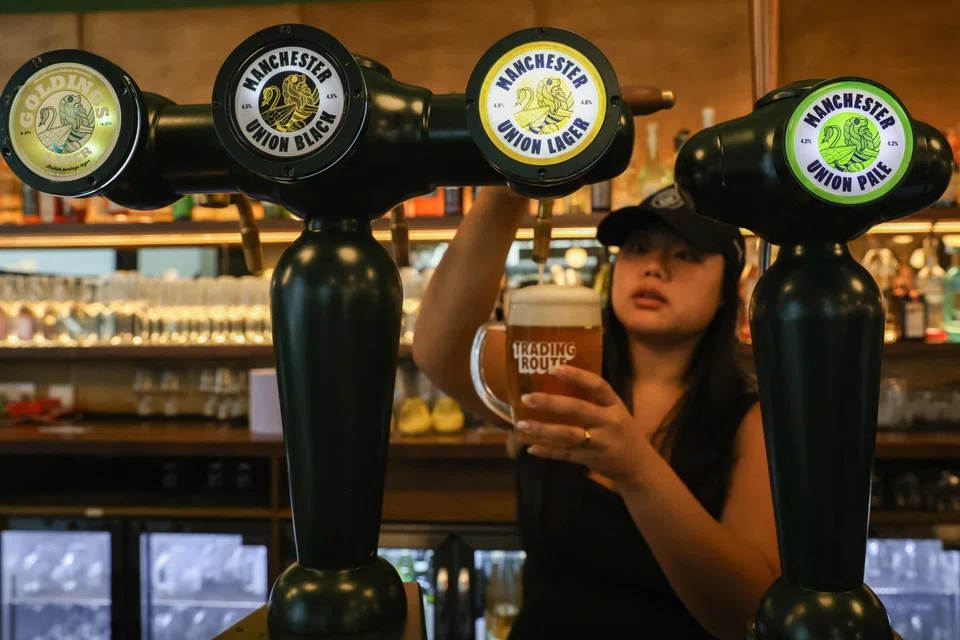
“I THINK young people need to drink more,” professor and pundit Scott Galloway said during a podcast interview earlier this year.
Members of Generation Z should not ignore issues of alcohol addiction in their families, he noted, or let drinking get in the way of their responsibilities. But “the risks to the 25-year-old liver are dwarfed by the risks of social isolation when you’re not drinking”, he added.
Plenty of commenters called this argument from Prof Galloway, who is not a medical doctor or therapist, irresponsible, noting the research suggesting that even light drinking comes with health risks.
Yet, he gave voice to a notion that has played out in headlines, on social media and in concerned Reddit threads: that today’s young people are a generation of sober shut-ins, swapping margaritas for mocktails and ragers for “wellness darties”, or daytime parties.
The underlying message is that alcohol consumption has taken a nosedive among Gen Z. Just how true is it?
Researchers say that young people in the US really are drinking less than previous generations were at the same age. But the decline has been less drastic than some coverage suggests – more of a dip than a dive. And to be clear, plenty of Zoomers are still drinking.

“I wouldn’t say it has plummeted,” said Katherine Keyes, a professor of epidemiology at Columbia University. “It has declined. And it has declined across many age groups.”
A new analysis from Gallup, provided exclusively to The New York Times, underscored that decline. From 2015 to 2017, 71 per cent of people ages 18 to 29 said they had drunk alcohol in the past week. When researchers asked the same age group that question from 2024 to 2026, the share of people who drank in the past week had fallen to 55 per cent.
Over the past three years, 18 to 29-year-olds were less likely to have had alcohol in the past week than any other age group.



The data shows “a very clear signal of a shift among young people”, said Lydia Saad, director of US social research at Gallup, though she added: “We’re talking about a matter of degree, not a wholesale rejection of it.”
Binge drinking is down among young people, too, according to Monitoring the Future, an annual survey of substance use among American adolescents and adults conducted by researchers at the University of Michigan.
In 2025, nearly 24 per cent of 19 to 30-year-olds reported recent episodes of binge drinking – defined as at least five drinks in a row – compared with 31 per cent a decade earlier.
Awareness, timing or cost?
There are a raft of theories as to why the shift is taking place.
It may be that young people are more attuned to the health risks of alcohol, especially after the last surgeon general Dr Vivek Murthy called for a cancer warning on alcoholic beverages in 2025.
“I’d rather not need to get my stomach pumped,” said Tyler Wilson, 23, an auto detailer in Raleigh, North Carolina.
He has a beer or two when he is watching basketball or performing on the stand-up comedy circuit. But he does not think that downing shot after shot is an essential part of young adulthood. “How many generations can you watch suffer from alcoholism, or suffer from health issues from alcohol, and be like, ‘Oh, this is still a cool thing to do’?”
Researchers have explored the possibility that young people are replacing alcohol with cannabis. But “there has not been a significant enough increase in marijuana use among young adults to explain this”, Saad added.
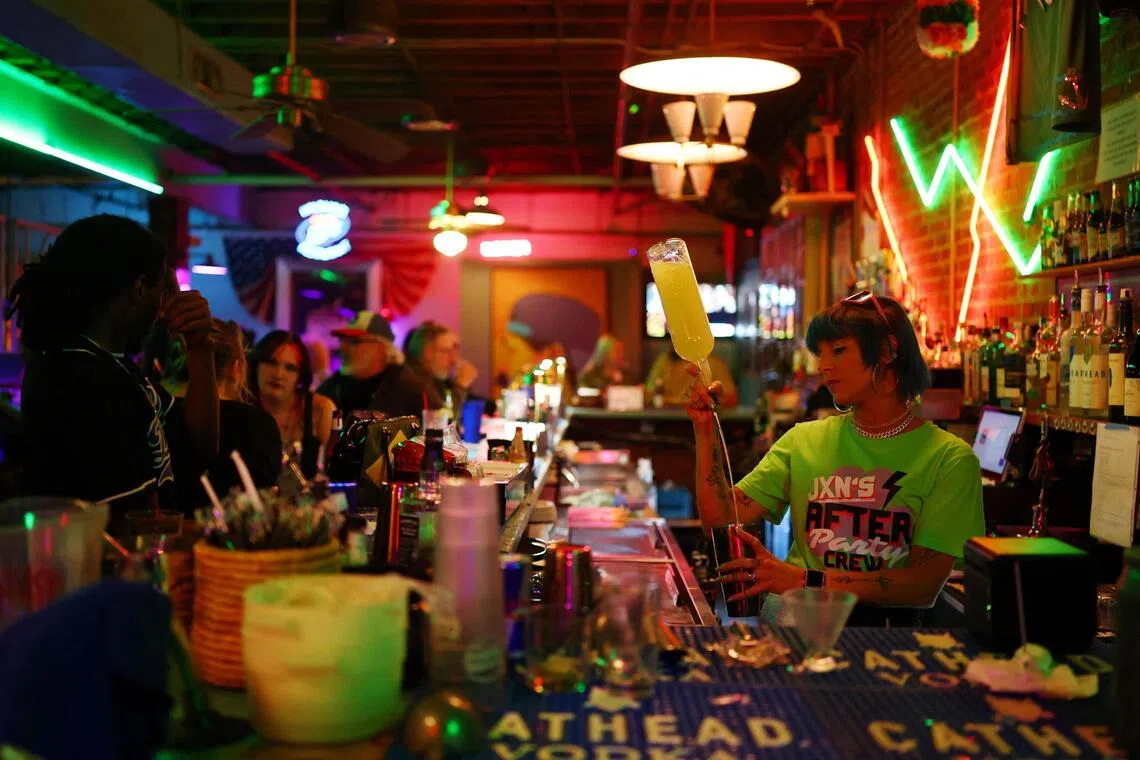
Others argue that because so many members of Gen Z were in high school and college during the Covid-19 pandemic, stuck at home instead of out with friends, they got a late start on drinking.
A survey from IWSR, a British research firm with clients in the beverage industry, suggests that drinking among Gen Z individuals in 15 international markets rebounded in the past three years, levelling out at about the rate of the total population.
In the US, however, Gallup’s data shows that drinking among young people has been on a long-term, gradual decline, with the most steep fall occurring after 2022.
“It’s been this shift over time,” said Megan Patrick, a professor at the University of Michigan and the principal investigator of the Monitoring the Future panel survey. “It’s not a sudden decline. And it’s not a pandemic story.”
Young people interviewed for this article tended to offer the same explanation for why they think drinking has declined: the high cost of a night out.
Suzzy Ndiforchu, a 26-year-old event producer, typically sees cocktails priced at US$16 to US$20 at bars in Washington, DC, where she lives. She and her friends love to socialise, she shared, but most don’t have the budget for more than a few beverages per weekend.
“We’re looking at these drink prices and we’re like: ‘I could be using that money for something more productive,’” she explained.
IWSR data shows that sales of beer, wine and spirits fell in 2025 as prices of these beverages have increased. But young people are worried about other costs, too, including cover charges to enter a bar or club that can creep above US$20.
Abigail Wendling, 24, said she cannot rely on public transportation when she goes out with friends in Saratoga, New York. She either needs to stay sober or plan to spend US$60 on an Uber to get home safely.
Still, she bristles when she sees social media posts casting her entire generation as “puritanical” based on the slipping rates at which young people today drink and have sex. “Everyone I know that’s my age, nobody’s against drinking,” she said. “I think it’s being blown out of proportion.”
The shift towards moderation is not unique to young people; drinking has declined among other age groups, too. Youth alcohol consumption has been falling for four decades, said Prof Keyes of Columbia University.
Historically, when adolescents transition into early adulthood, their drinking accelerates: “What’s different about Gen Z is that you don’t see the same increase during the transition that we’ve seen in other generations,” she added.
Wilson, the auto detailer, said his drinking habits were influenced by the fact that people his age carry a recording device everywhere they go. A single drunken outburst can easily become a part of one’s online footprint forever, he said. “People don’t want to get blacked out in public; that’s a scary thing now.”
Yet, there are still plenty of examples of today’s young people drinking one BuzzBall too many. Lower drinking rates do not mean that problem drinking is a thing of the past.
“Alcohol levels are still pretty high,” Prof Keyes said. “Even in Gen Z.” NYTIMES
Decoding Asia newsletter: your guide to navigating Asia in a new global order. Sign up here to get Decoding Asia newsletter. Delivered to your inbox. Free.
Share with us your feedback on BT's products and services
TRENDING NOW

Singapore commits S$143 million to fund R&D for industrial decarbonisation

Sheng Siong has fallen from its highs. Can its defensive appeal endure?

DBS, OCBC or UOB? Investors urged to be selective as Q3 reveals widening performance gap

Nvidia, CEO Jensen Huang sued over disclosures related to suspected Chinese spy

