

Range Rover Electric: The one weapon that could fend off Chinese tech
The brand’s first electric car fails to reinvent the wheel – and prospective buyers are thrilled
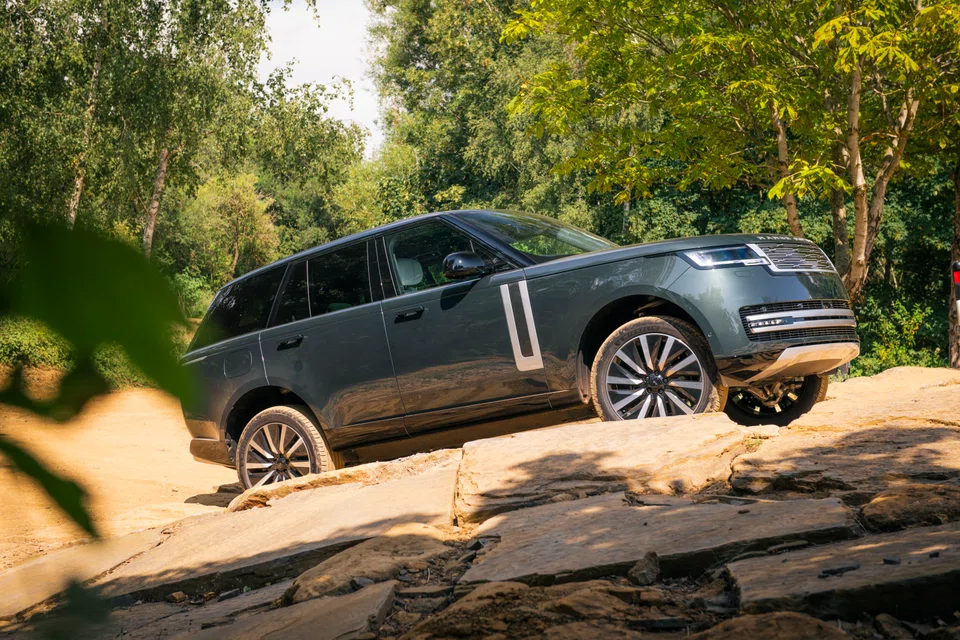
[GAYDON] My first glimpse of Range Rover’s first pure electric car at the brand’s headquarters made me scratch my head, even though Lynfel Owen, chief engineer of vehicle architecture for the venerable British marque, had braced me for it.
“You’re going to wonder why you came all this way to see a car that looks exactly the same (as the combustion Range Rovers),” he’d said, with a hint of relish.
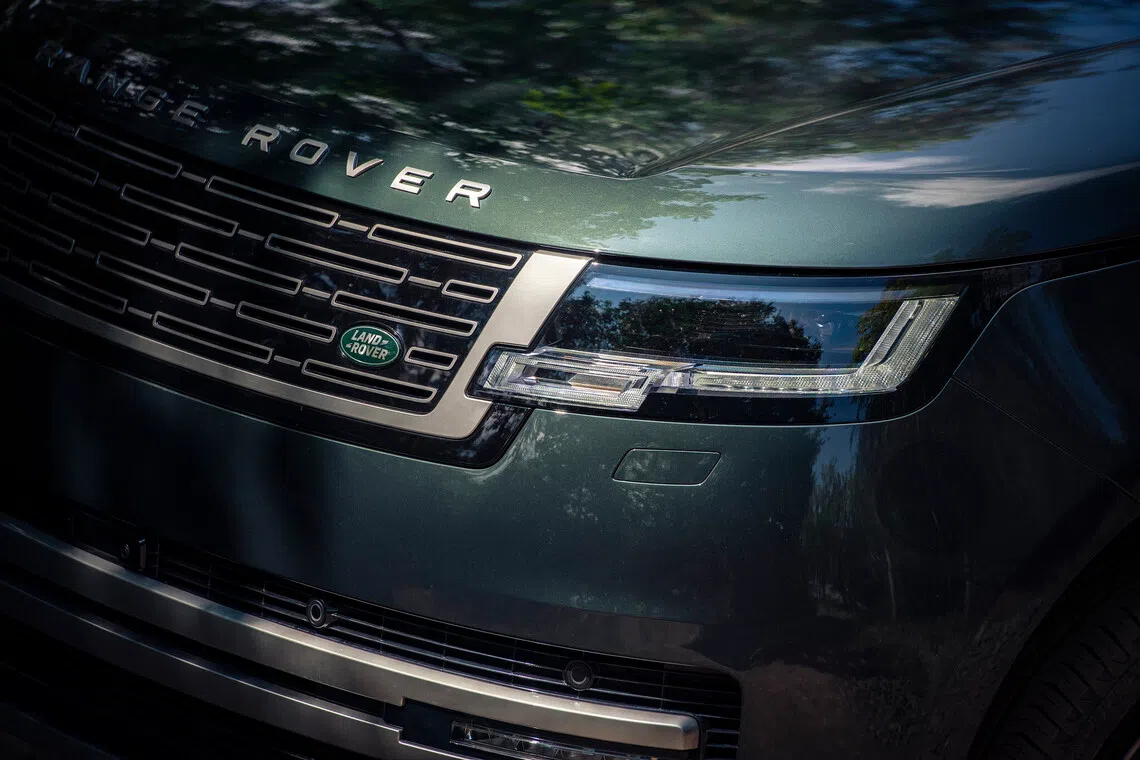
Sure enough, the Range Rover Electric is the spitting image of its combustion stablemate, a car that has been around since 2022. It feels uncannily similar to drive, as well, going by my short spin around parent company Jaguar Land Rover’s private proving grounds in Gaydon, about two hours north-west of London.
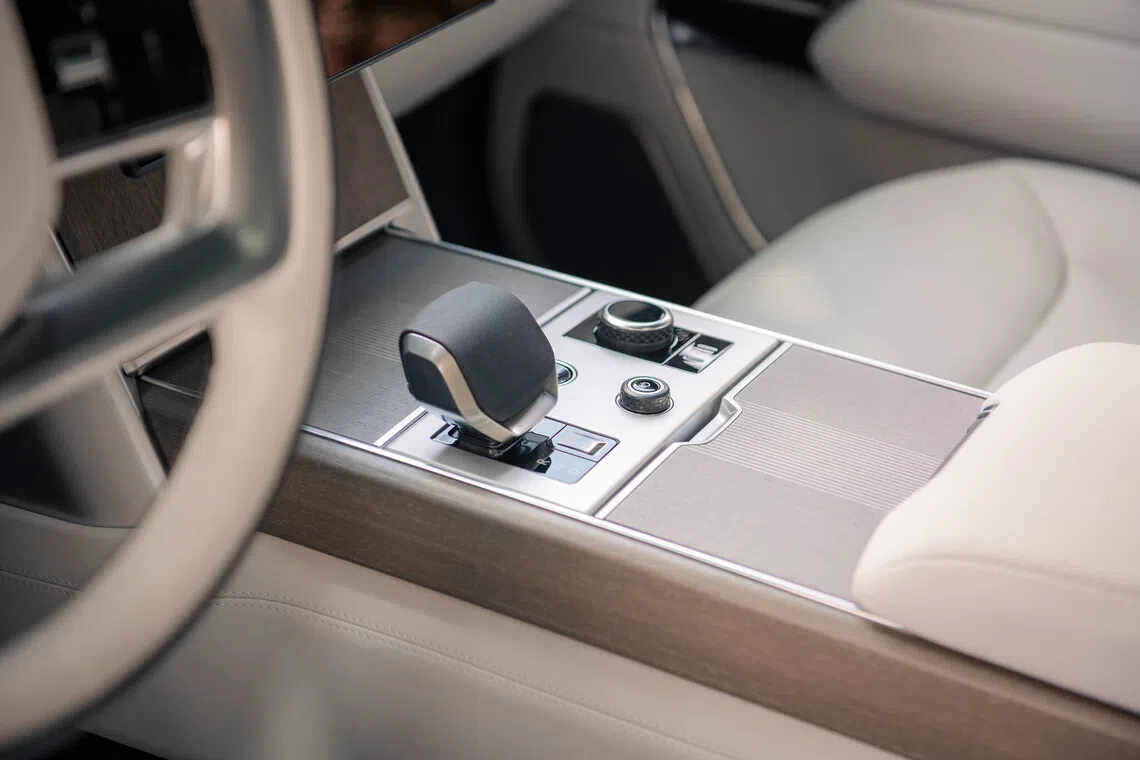
Tackling a boulder hill in the Range Rover Electric felt like bringing a laser gun to a knife fight. Its two motors doled out torque with total precision, while the air suspension lifted it above rocky terrain that I would've had to be part mountain goat to climb.
“From the carpet up, it feels the same,” Owen said. Perhaps not quite exactly the same, I would argue. The electric motors actually deepen the veil of civility that makes the Range Rover feel so refined.
Unveiled on Sep 2, the Range Rover Electric goes on sale this year after half a decade of development. While legacy car companies have rushed to go electric, with varying degrees of success, Range Rover has taken its time. It could have gotten to market sooner by partnering with suppliers but chose to develop its EV hardware in-house instead, according to Owen.
Three hundred patents and enough physical testing to circle the globe 38 times later, the brand now has an electric car that can wade through waters 90 cm deep, storm to 100 kmh in 4.5 seconds, and cover a claimed 600 km on a single charge.
Painful setbacks along the way include a late decision to scrap a front motor design and start over from scratch in order to switch to one that delivers more consistent performance.
Two small concessions to the car’s electric powertrain reveal themselves if you know what to look for. Wind-sculpted wheels with centre caps that read “EV” and a closed-off front grille make the car slip through the air more smoothly – by a tiny amount, but enough to add an entire 16 km of motorway range.
It’s a decidedly measured approach in the face of challengers from Chinese car companies, whose luxury sport utility vehicles can pull off amazing feats of engineering. The Yangwang U8 from BYD’s top-tier label can float on water for half an hour, for example, and pirouette on the spot in order to make it out of the tightest situation.
Range Rover isn’t concerned about such displays, Martin Limpert, the brand’s global managing director, told me. It would rather focus on things like preserving the car’s iconic design – its silhouette is so distinctive that it can be sketched with only six pen strokes. “Customers wanted an electric Range Rover to look like a Range Rover first and an EV second,” he said.
Limpert has good reason to bow to his clientele’s tastes. Range Rover’s customer retention rate hovers around 70 per cent, high above the industry norm. The Range Rover Electric’s fidelity to the existing car seems to have paid off, too. By August this year, the brand had collected expressions of interest from 80,000 people, 70 per cent of them new to Range Rover. It’s a huge number for a brand that sold 196,000 cars in its last fiscal year.
And while Chinese car companies regularly tout the superfast charging and self-driving capabilities of their machines, the Range Rover team chose to highlight its EV’s more rustic abilities. It can tow a horsebox with four horses inside, one engineer told me.
That nod to the Range Rover’s roots as a luxury car for gentleman farmers is also a taste of what gives the car its unique place in the motoring world. “We use our Britishness,” Limpert said. “Injecting Britishness into cars is something customers like.”
Decoding Asia newsletter: your guide to navigating Asia in a new global order. Sign up here to get Decoding Asia newsletter. Delivered to your inbox. Free.
Share with us your feedback on BT's products and services
TRENDING NOW

Once staunchly pro-China, Malaysian Chinese businesses are now distancing themselves from Beijing

Looking beyond looming CEO succession, should UOB potentially pursue a transformative merger?

Could stablecoins be the future of money?

Grab CEO’s wife Chloe Tong on life with Anthony Tan and finding her purpose

