On the northern China wine and food trail
Take a tour of Ningxia and Shanxi for a fresh travel perspective
MENTION Chinese wine and any wine aficionado weaned on more familiar old and new-world varietals may well turn up his or her nose.
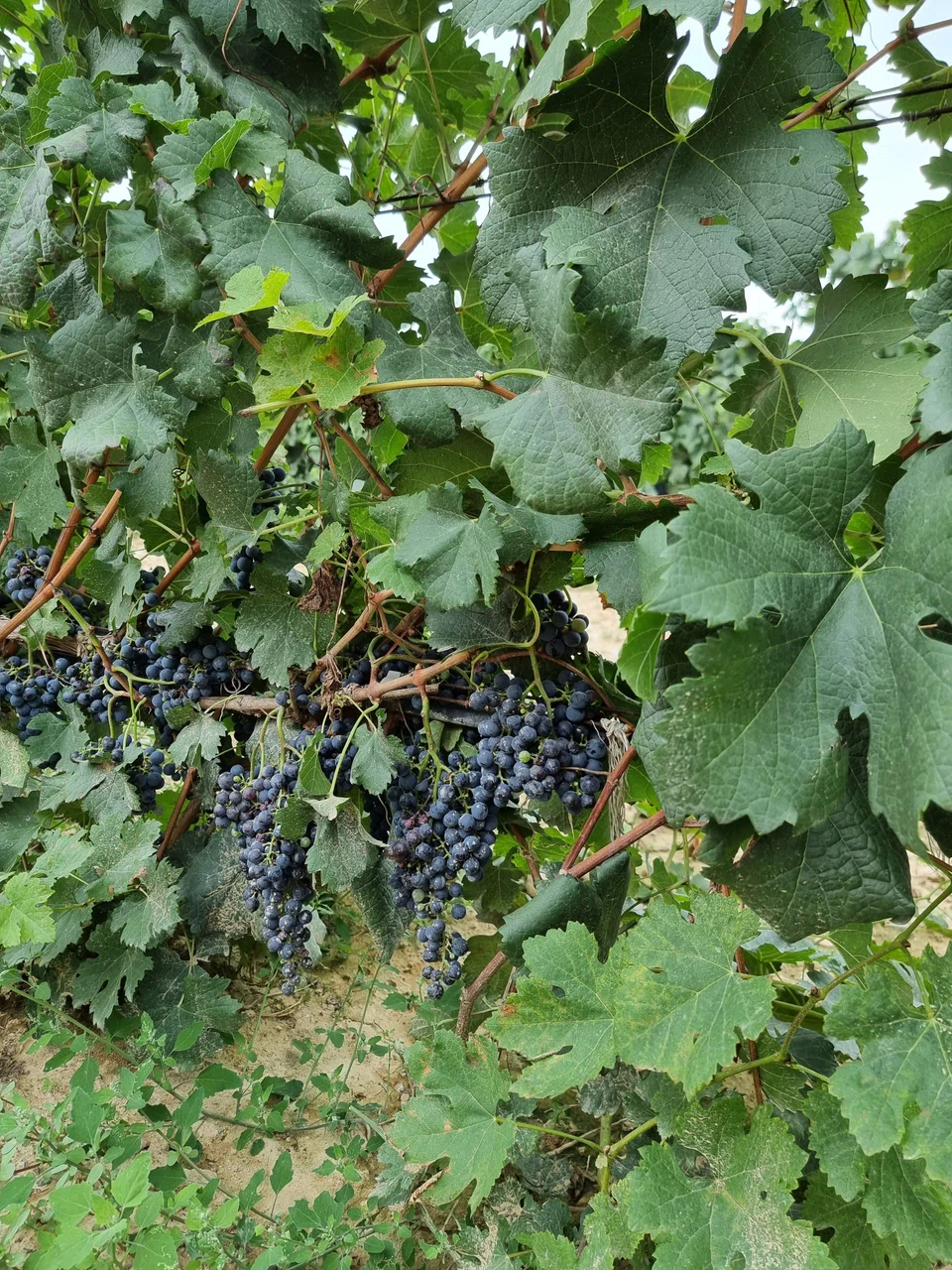
China’s winemaking traditions go back thousands of years, but it has only been in recent years that the country has made a mark on the global wine map. Chalk that up to a growing number of award-winning wineries that have sprung up in regions such as Shanxi and Ningxia, where terroir, climate and passionate vintners combine to produce sterling wines well worth discovering.
For curious bon vivants looking for a China experience beyond the likes of Beijing or Chengdu, venture off the beaten track to the rustic countryside where you’ll find not just a different world of wine, but distinct culinary experiences and sights to behold.
Ningxia – home of putao jiu
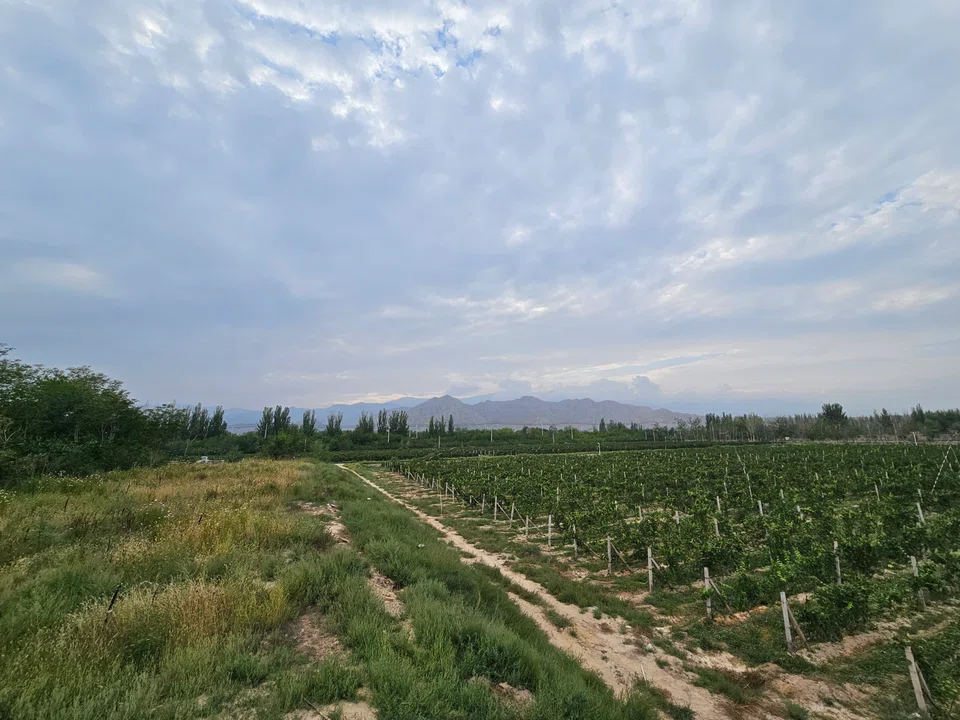
Located on the border of Mongolia and referred to as the oasis of the Gobi Desert, Ningxia’s hot summers and cold winters – plus irrigation from the nearby Yellow River – have made it one of China’s top wine-growing regions.
In China, wine is referred to as putao jiu or grape wine, to differentiate it from other wines that the country is known for, such as the more familiar baijiu or huangjiu. There are over 200 wineries in the country, but the industry started to earn global attention when names like Helan Qingxue, Kanaan Winery and Silver Heights came to the forefront.
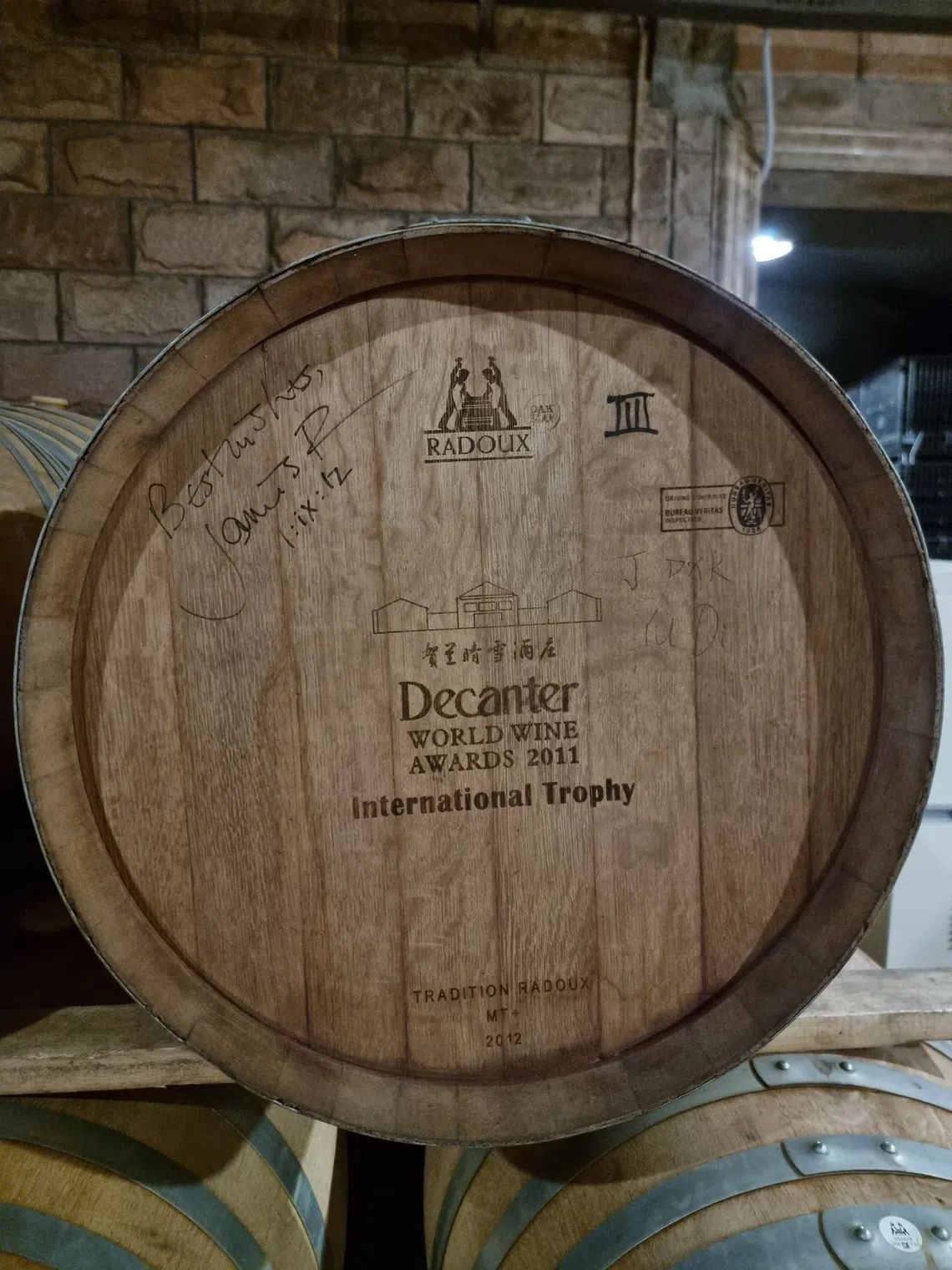
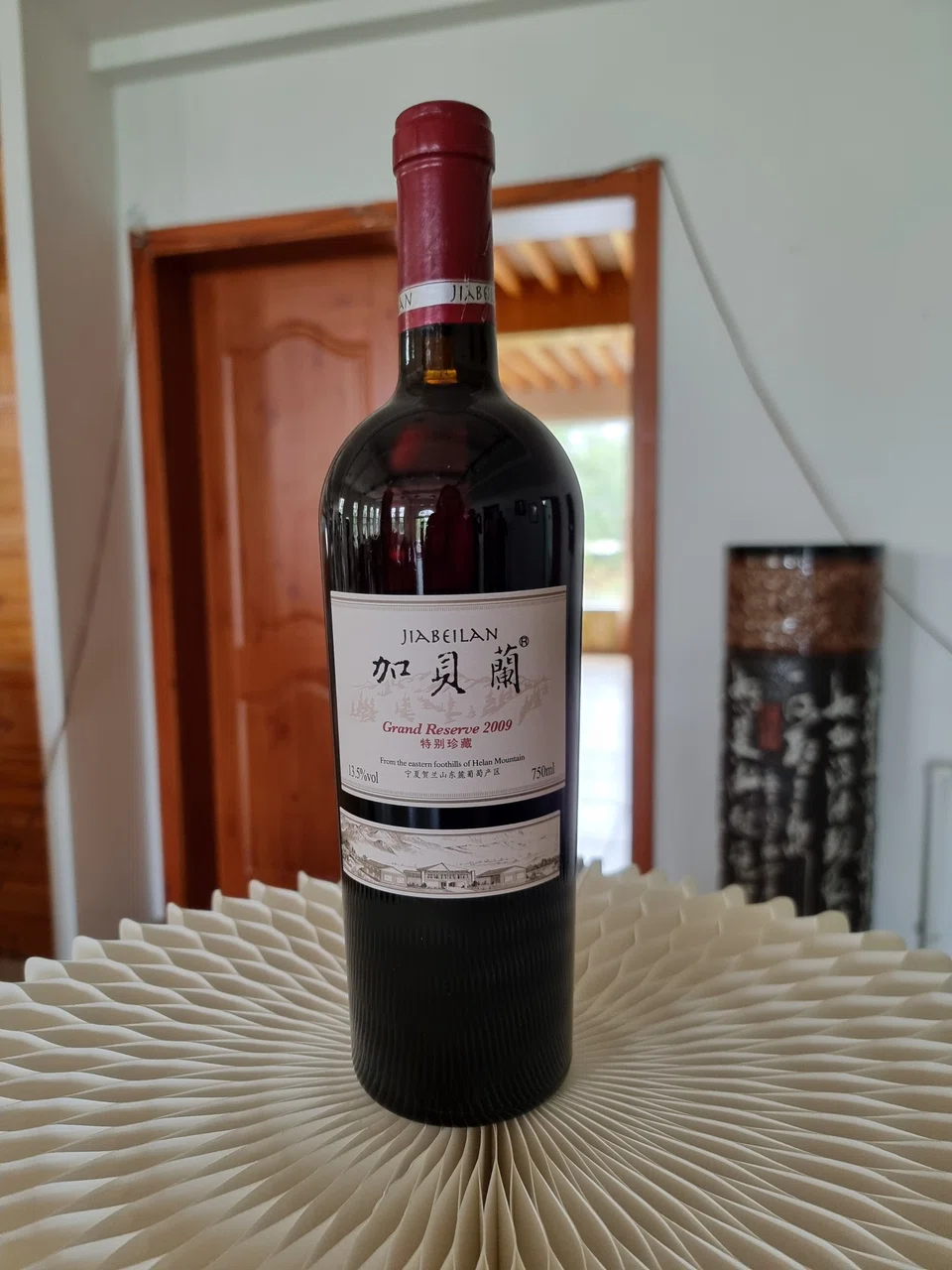
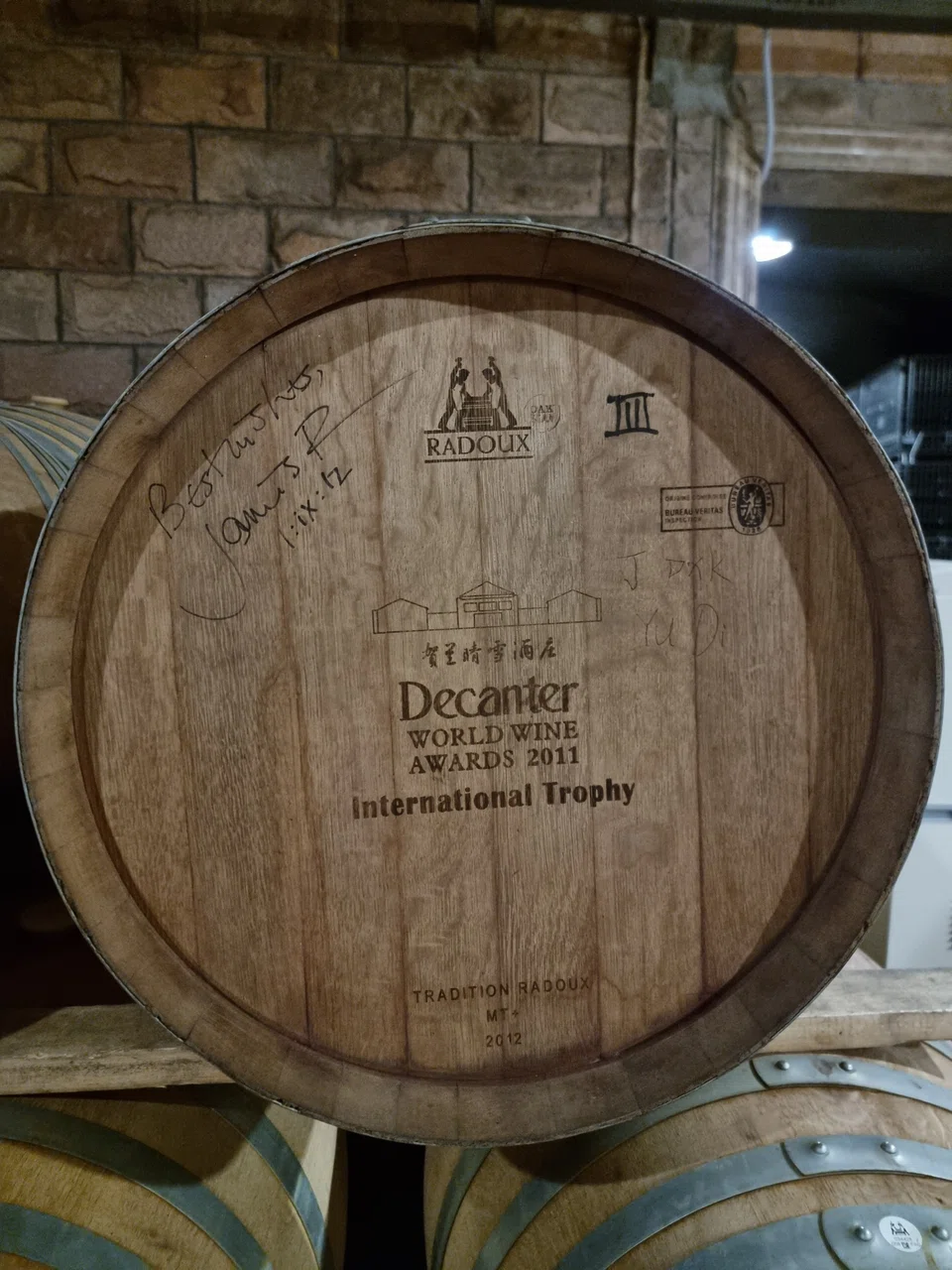
One landmark moment took place in 2011, at the prestigious Decanter World Wine Awards, when Helan Qingxue’s Jia Bei Lan 2009 Cabernet blend won the Red Bordeaux Varietal International Trophy, beating labels from France, Australia, South Africa and California.

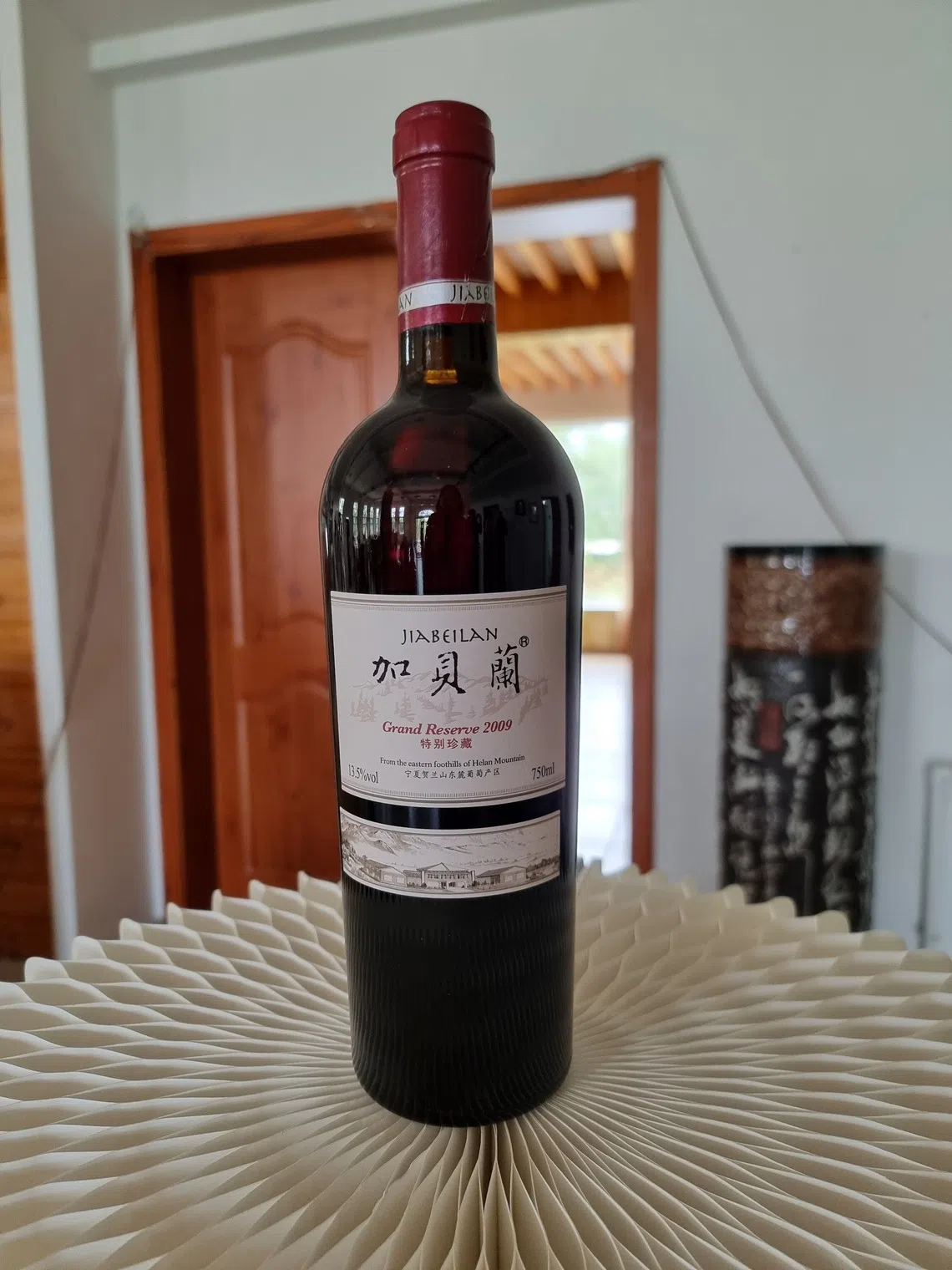
It drew the spotlight on China, but the achievement was no fluke, given how many wineries have defied expectations to create vintages with successful appeal. And on a recent tour of wineries in Ningxia, it’s clear to see how it’s possible, given the passion and determination of the people behind them.
Helan Qingxue, for example, is led by its trailblazing female winemaker Zhang Jing, who co-founded the winery in 2005. With its picturesque location at the foot of the Helan mountains, Helan Qingxue became known for its Jia Bei Lan series, but it was the 2009’s success that sealed its global status.
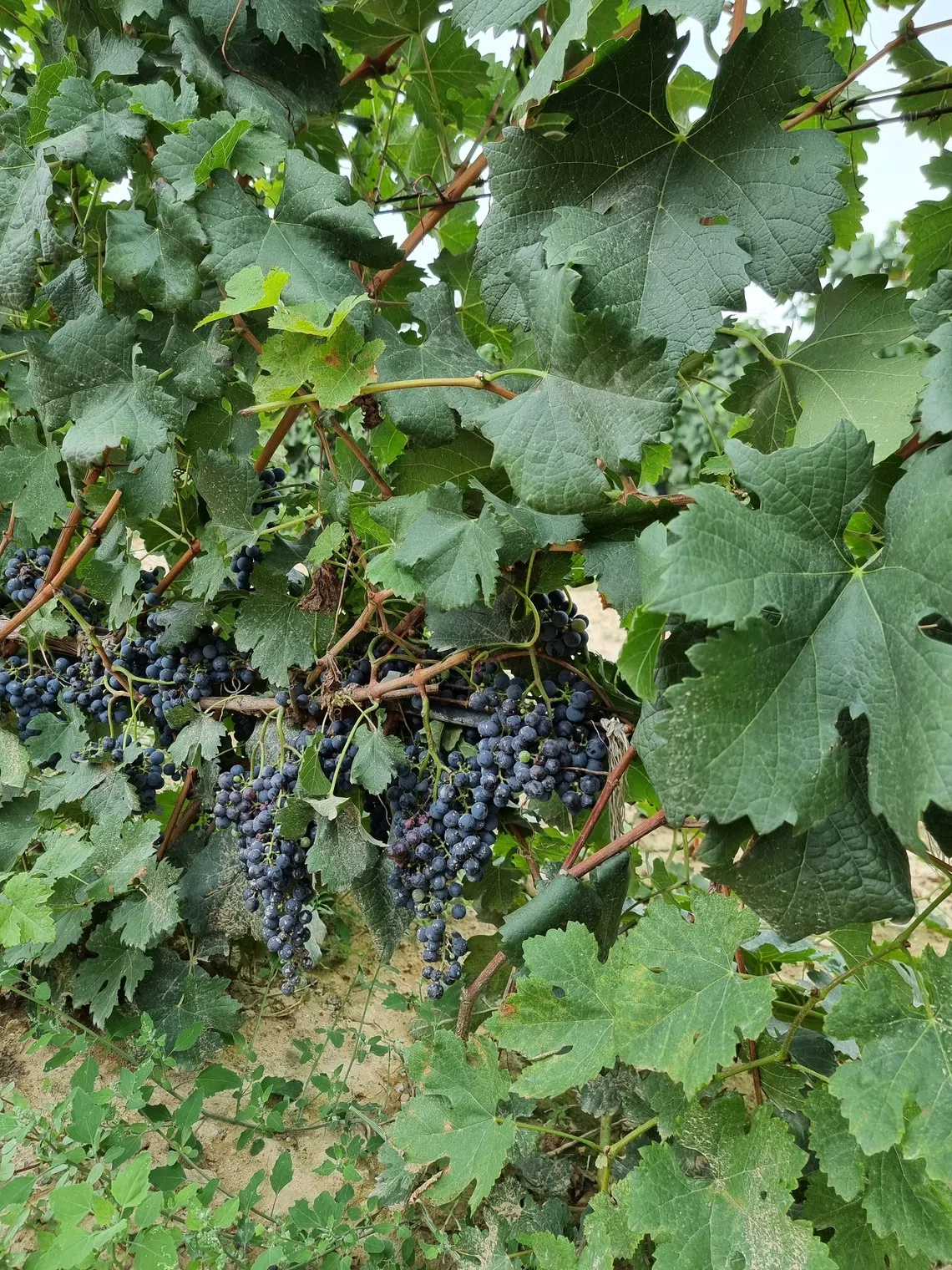
Zhang is just one of several women who, interestingly enough, dominate China’s winemaking scene. Another is Wang Fang, who heads Kanaan Winery, also located in the Helan mountains.

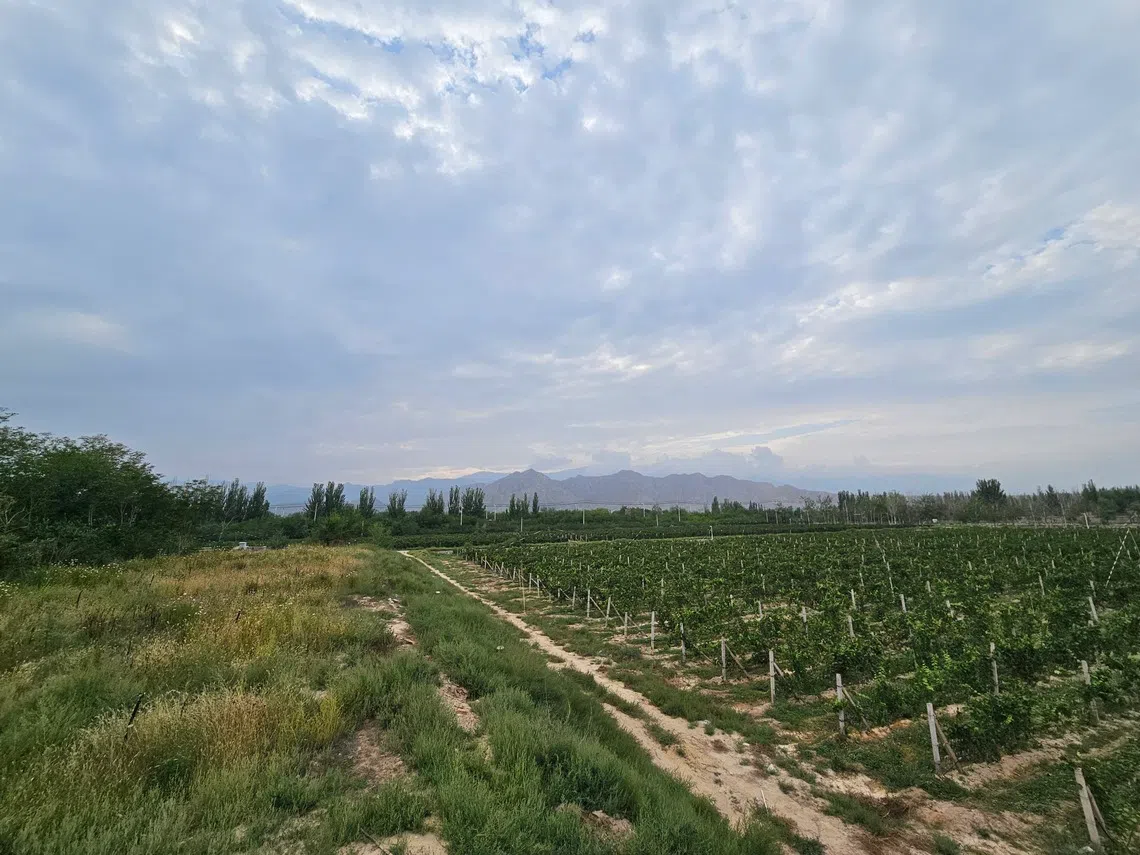
Wang, who lived in Germany for 13 years before returning home, started the winery in 2011 with her father Wang Fengyu, one of the pioneers of the Chinese wine industry. Nicknamed “Crazy Fang” for her determination to create a winery with no prior experience, she’s also fiercely proud of her success in growing riesling grapes despite the region’s tough climate conditions.
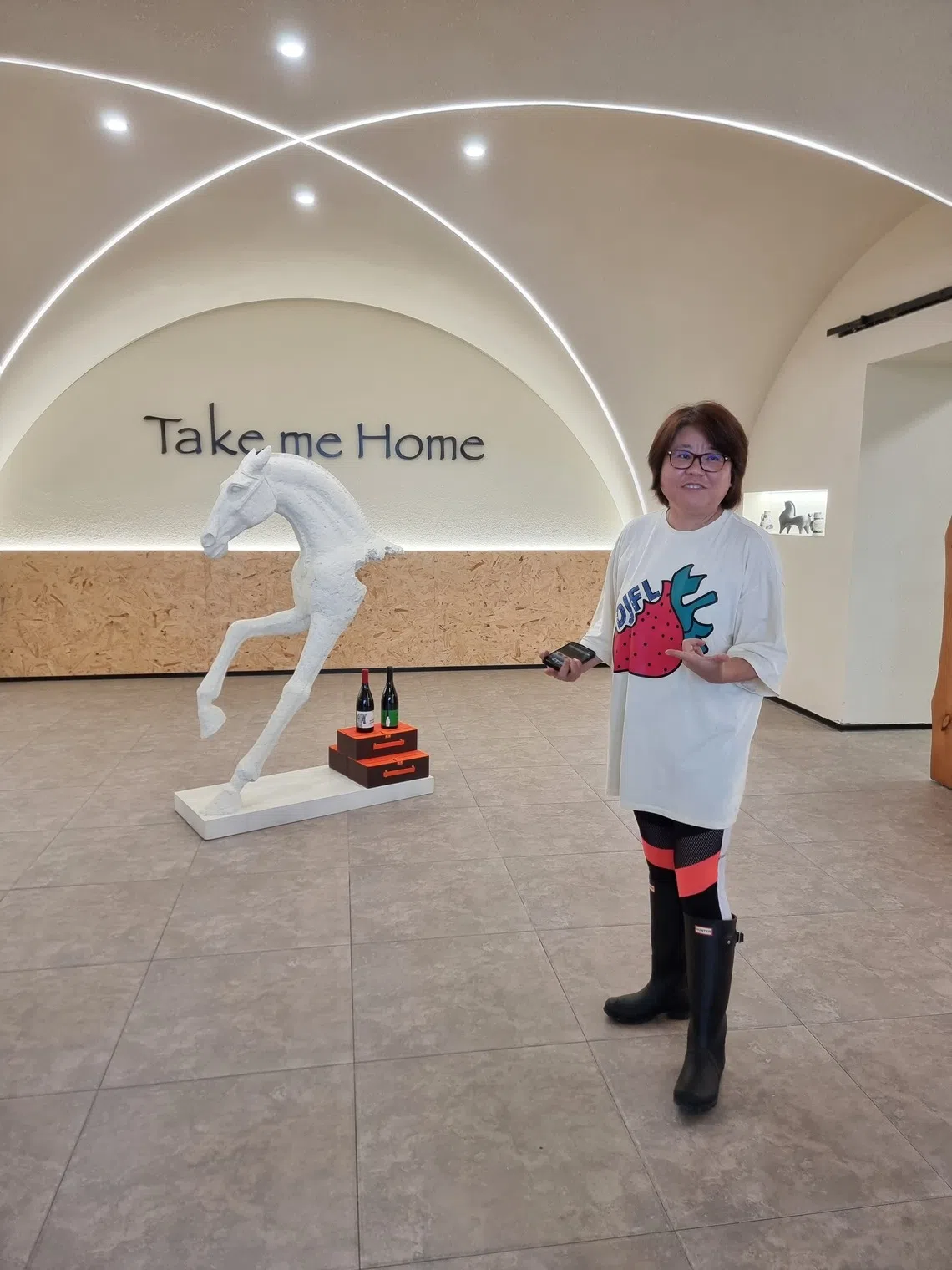
Fluent in German, her affinity for the country is evident when you visit Kanaan’s (“the land of milk and honey”, in a nod to the Wangs’ Christian faith) tasting room and guest rooms, which reflect strong German-inspired design.
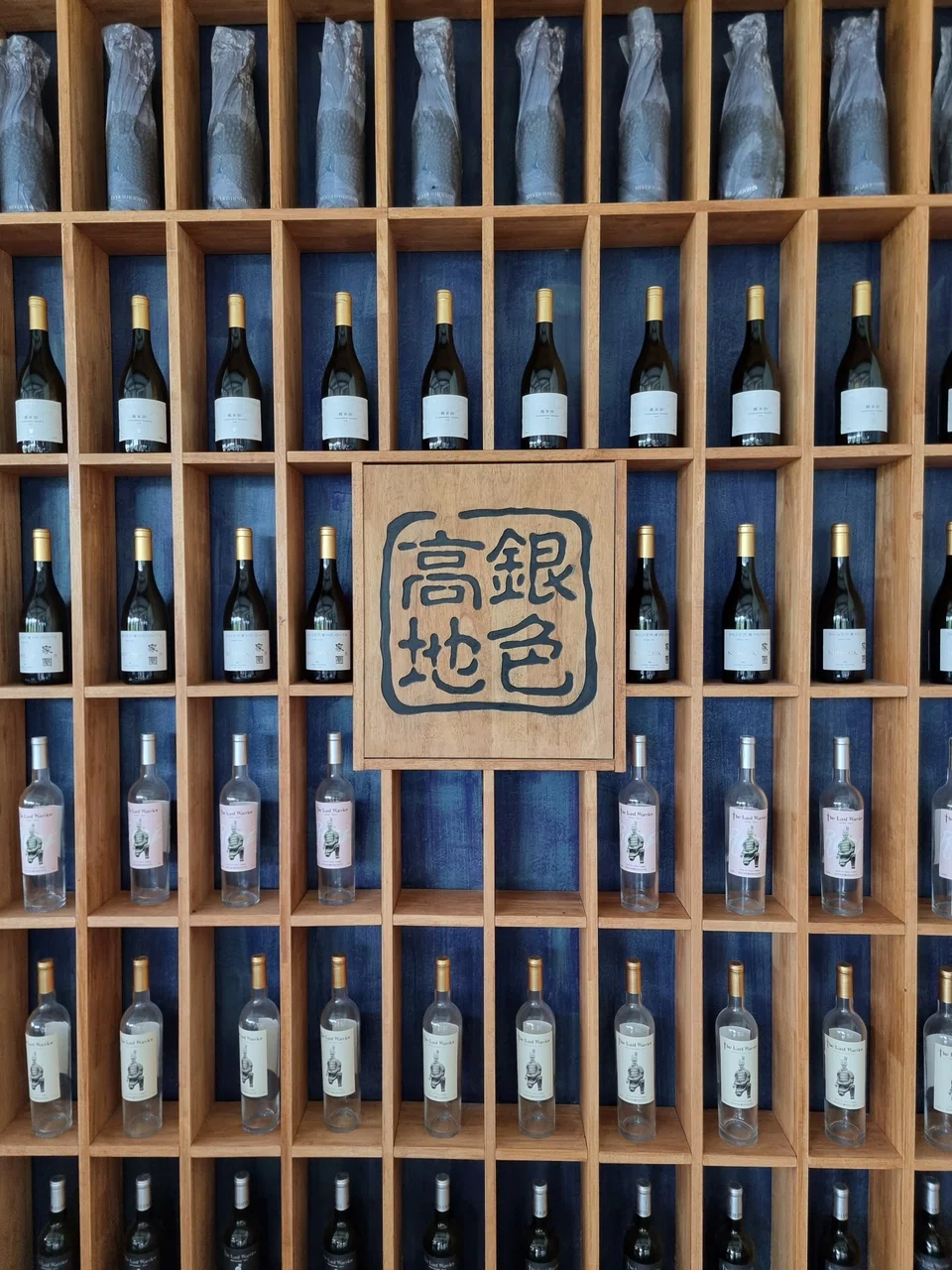
Rounding out the trio of female winemakers is Emma Gao, whose father Lin Gao started planting cabernet sauvignon grapes in Ningxia in 1999 and founded the boutique winery Silver Heights in 2007. They’ve since opened a new tasting room with a hospitality and cultural centre that’s open to visitors.
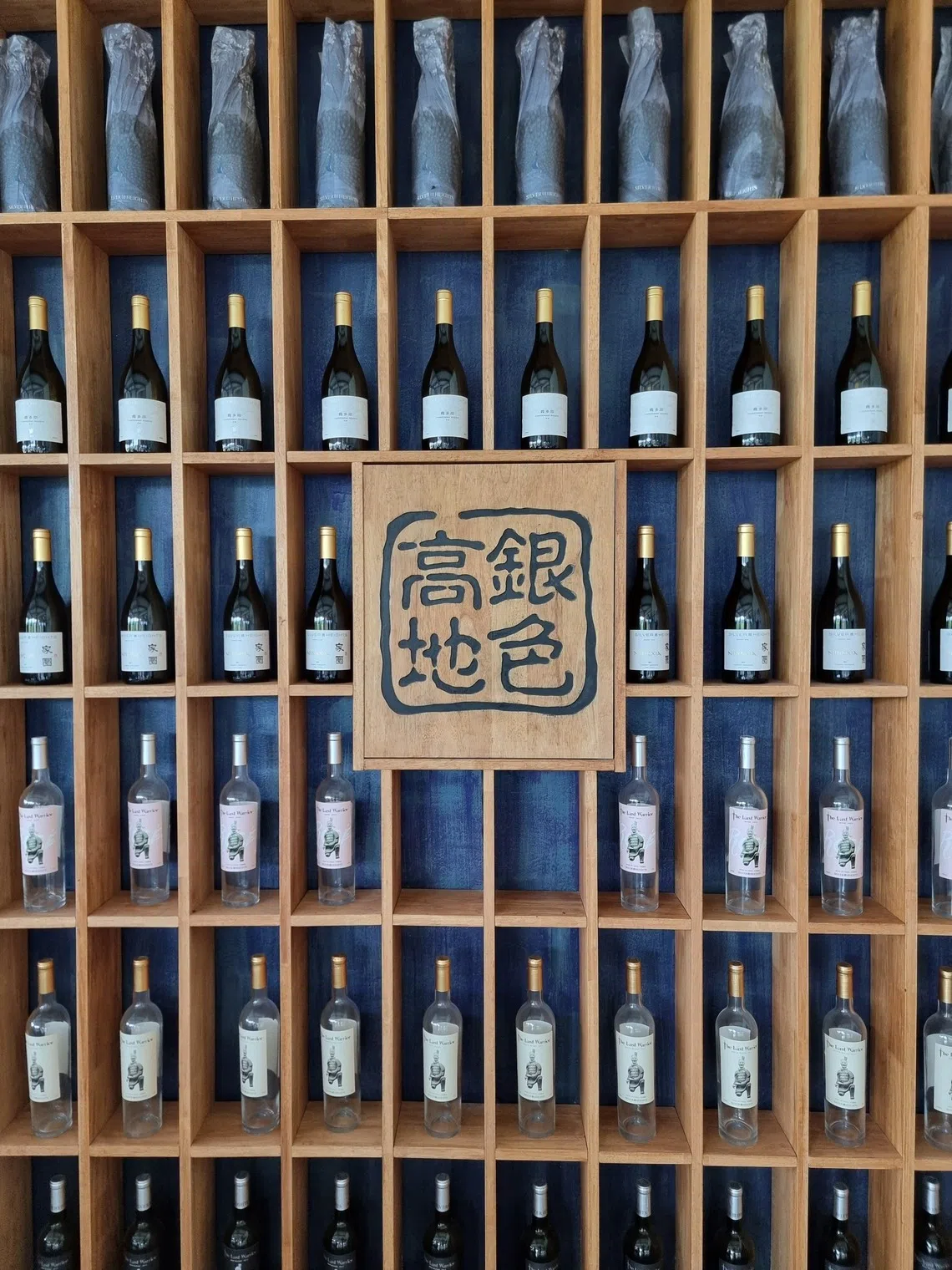
Emma Gao, who was trained in Bordeaux, won recognition for her first 2007 vintage, aptly named Emma’s Reserve – a 100-per-cent cabernet sauvignon, from estate-grown grapes. She’s now experimenting with her first naturally sparkling wine Pet-Nat (Petillant Naturel) called Bloom.
Silver Heights has had a strong record of success, with international recognition from wine critics such as Jancis Robinson and Robert Parker.
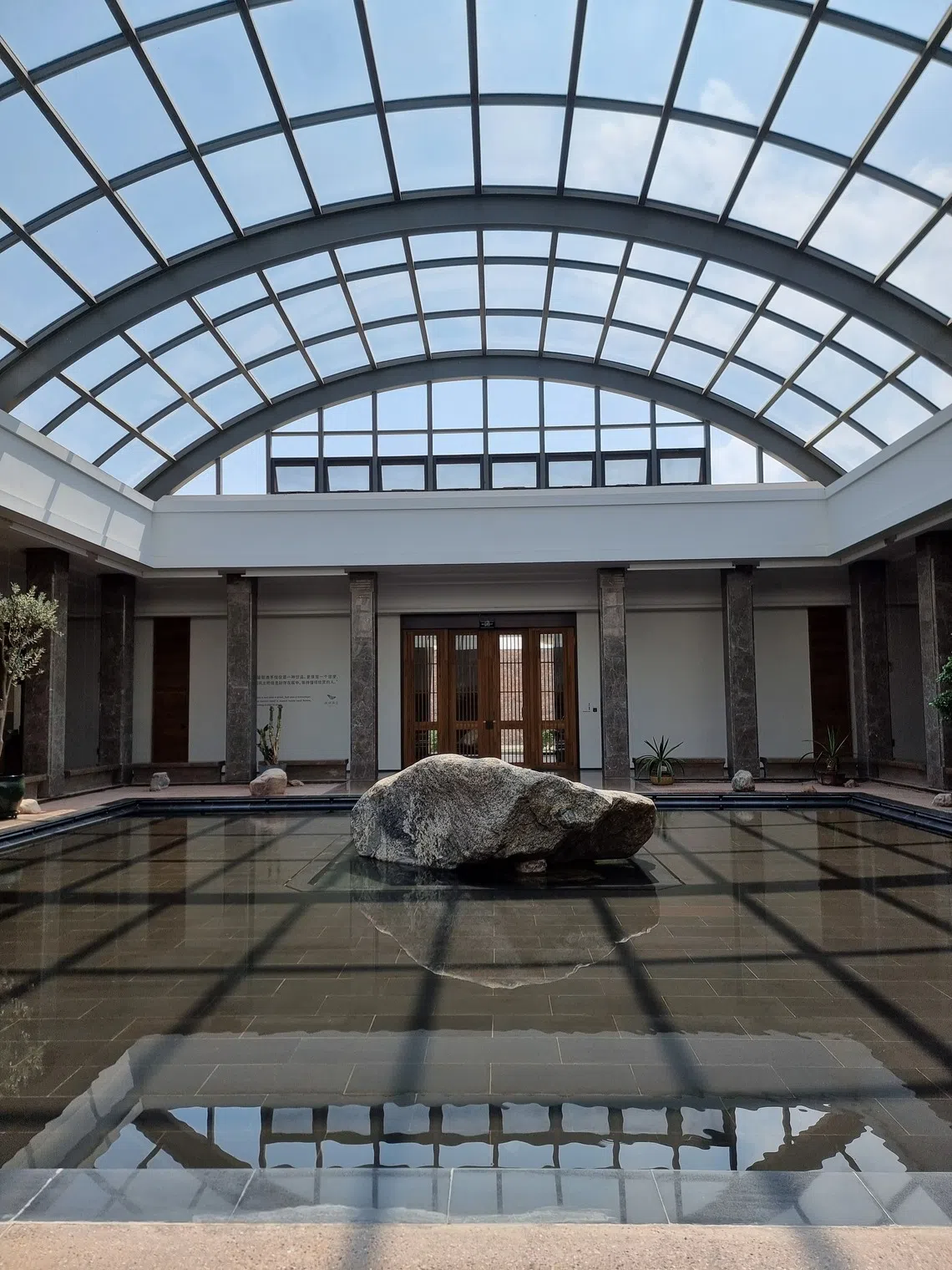
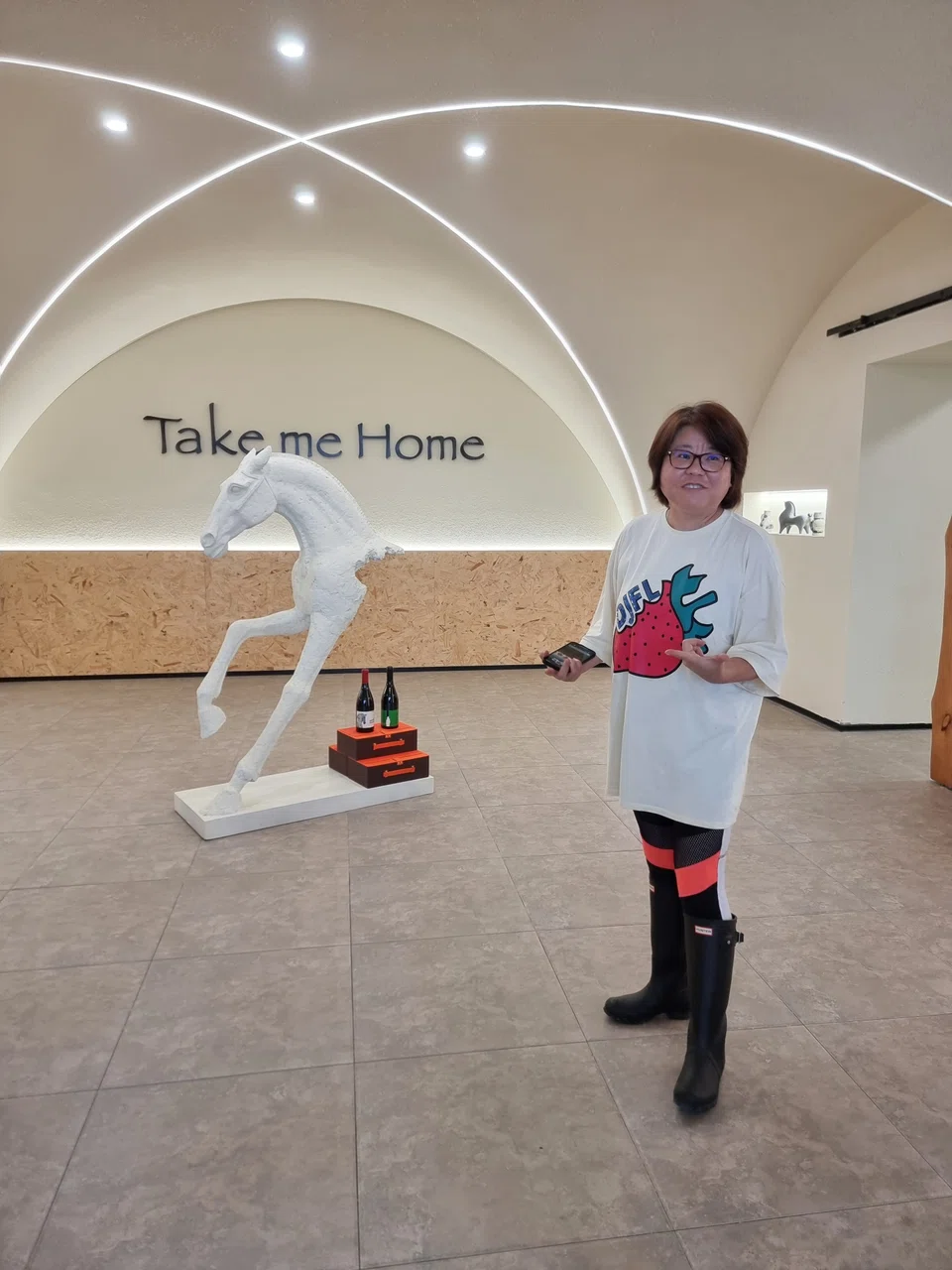
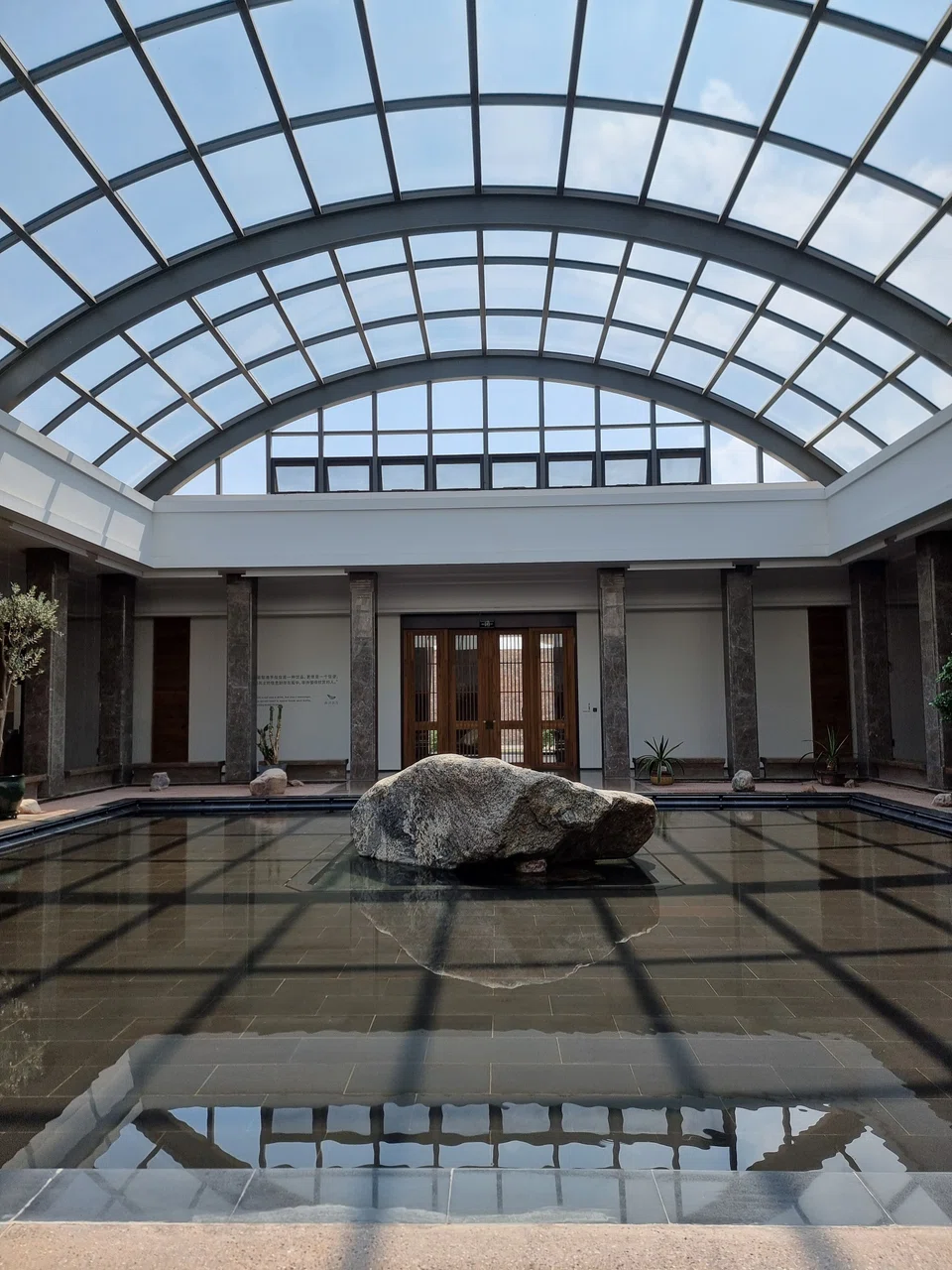
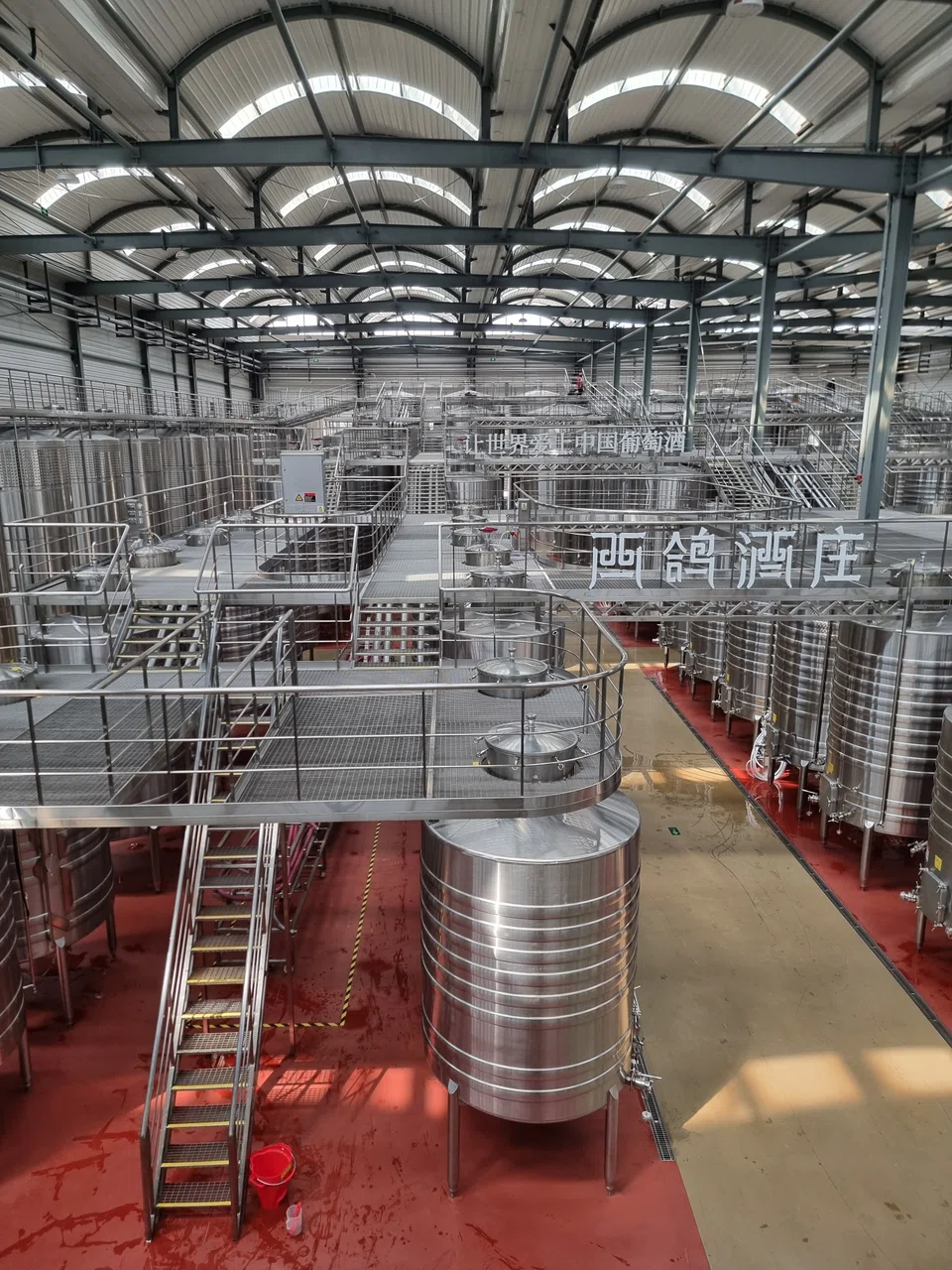
But perhaps the strongest visual cue that Ningxia is rising up in the wine world is the magnificent Xige Estate at the foot of Pigeon Hill. Architecturally stunning with a dramatic stone wall facade, the lobby alone looks like that of a mega art museum with an imposing skylight and a massive stone sculpture on display. Even the high-tech facility with its rows of massive steel fermentation tanks is a jaw-dropping sight.
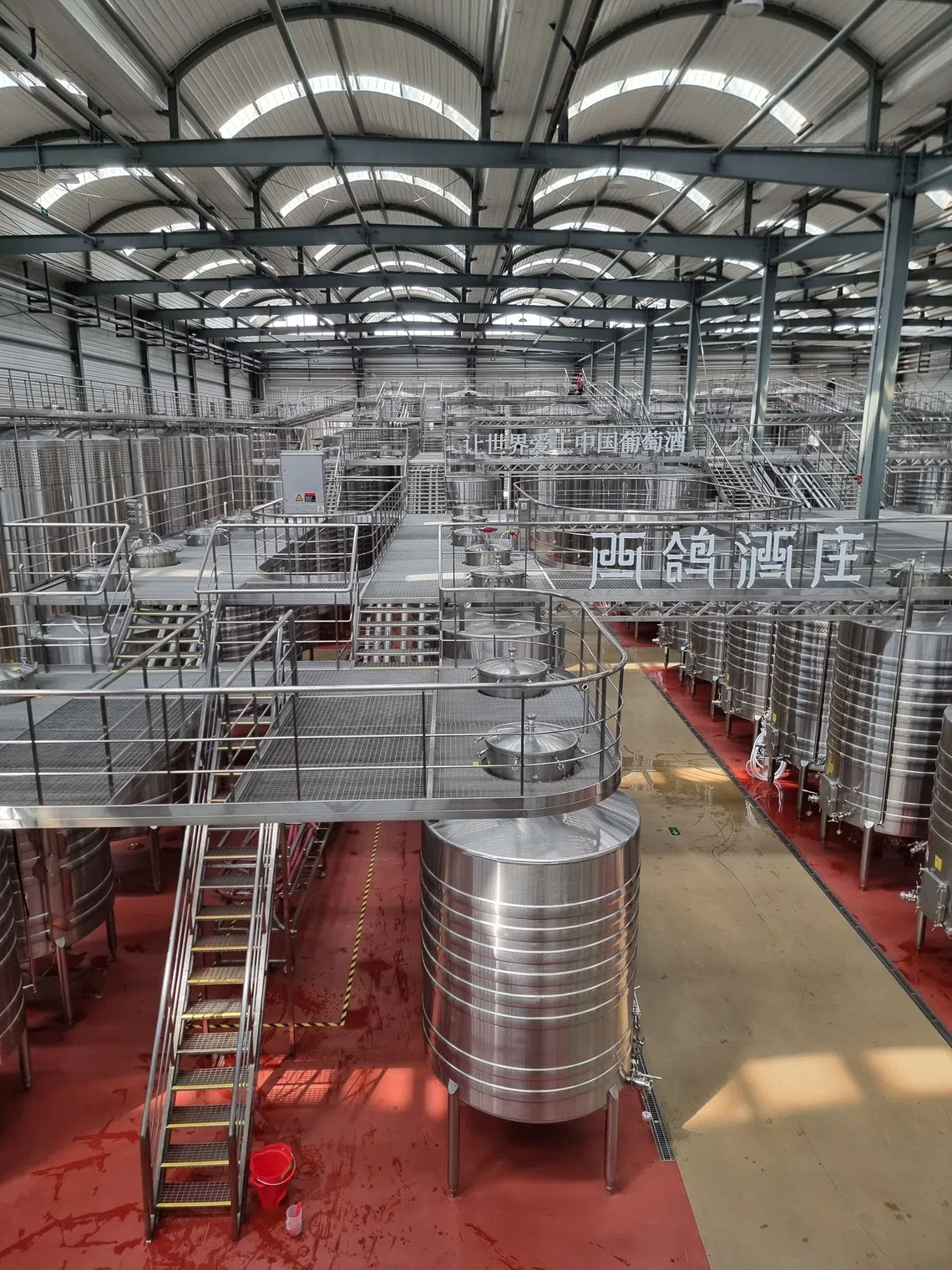
At 25,000 sq m, Xige is run by chief winemaker Liao Zusong, using the most advanced techniques and equipment to produce millions of bottles of fine wine per vintage. Among all the wineries, this is a must-visit.
Natural beauty
Wine aside, Ningxia has some spectacular scenery to boast of, thanks to its proximity to the shifting sands of the Gobi Desert and the majesty of the Helan mountains.
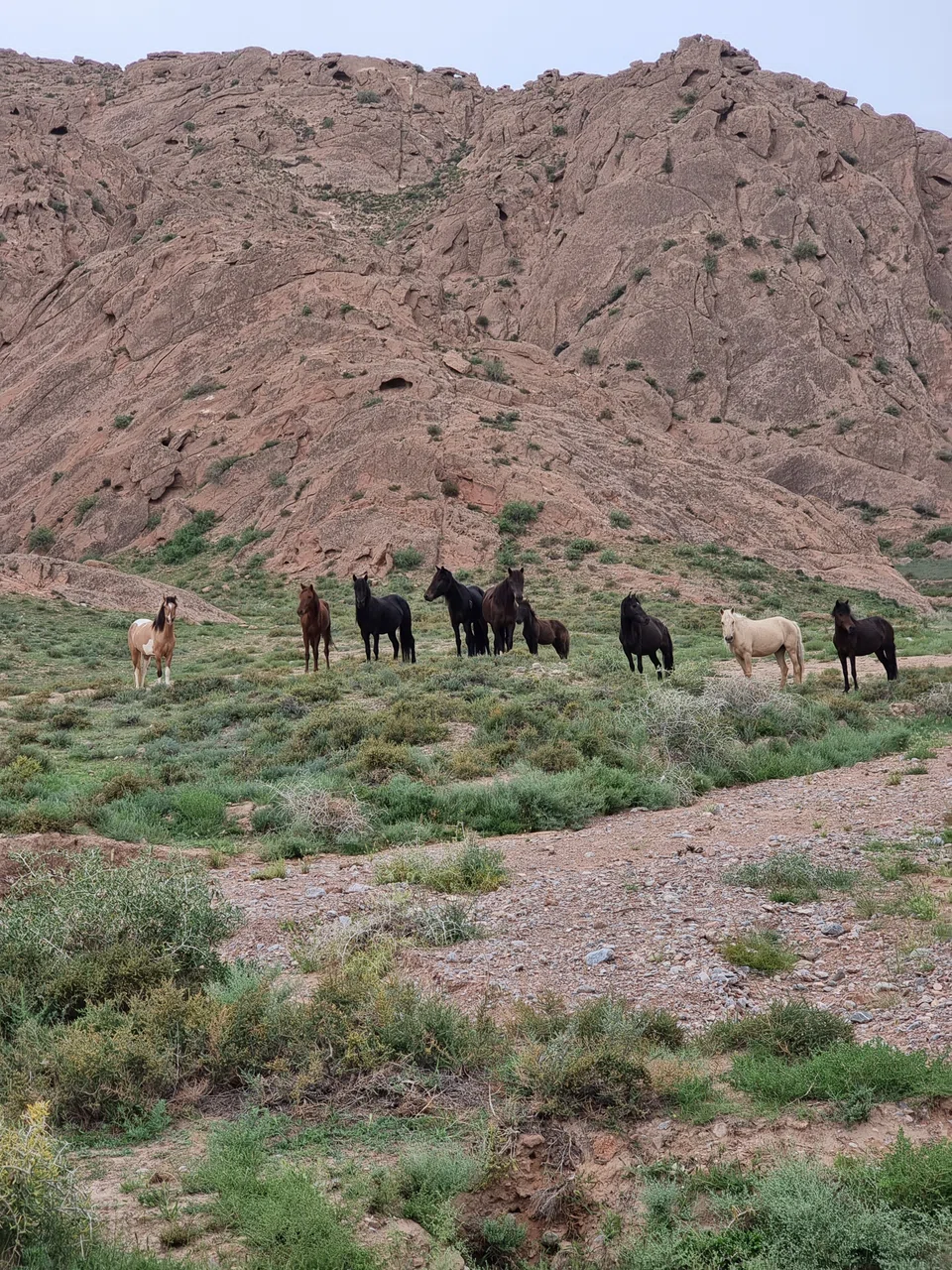
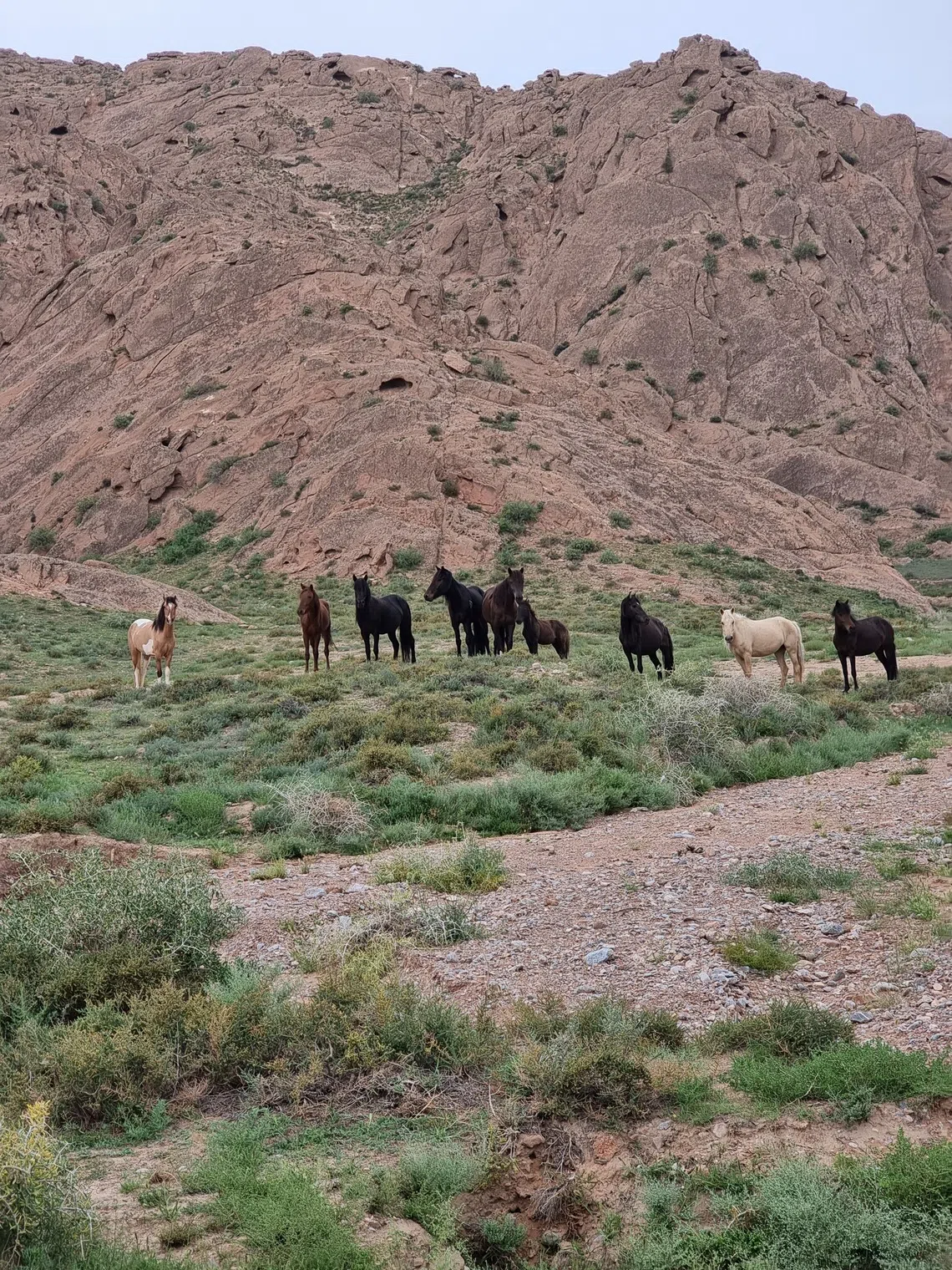
Spanning 200 km from north to south, the mountains form a boundary between Ningxia and Inner Mongolia. You can view the remains of the Great Wall or go off-roading in the rugged Hooke Off Road Trail Park, where you can watch horses and sheep in their natural environment.
Make a stop at Yinchuan World Rock Art in Helankou, right at the foot of Helan mountains, which are famous for their ancient rock carvings.
Here, in a well-organised place which does not require physically exploring rugged mountain terrain, you can comfortably admire more than 6,000 rock carvings created by prehistoric artists some 10,000 years ago. Mostly images of human figures, animals, plants and hunting scenes, they were likely done by some of the last nomadic tribes living in the area.
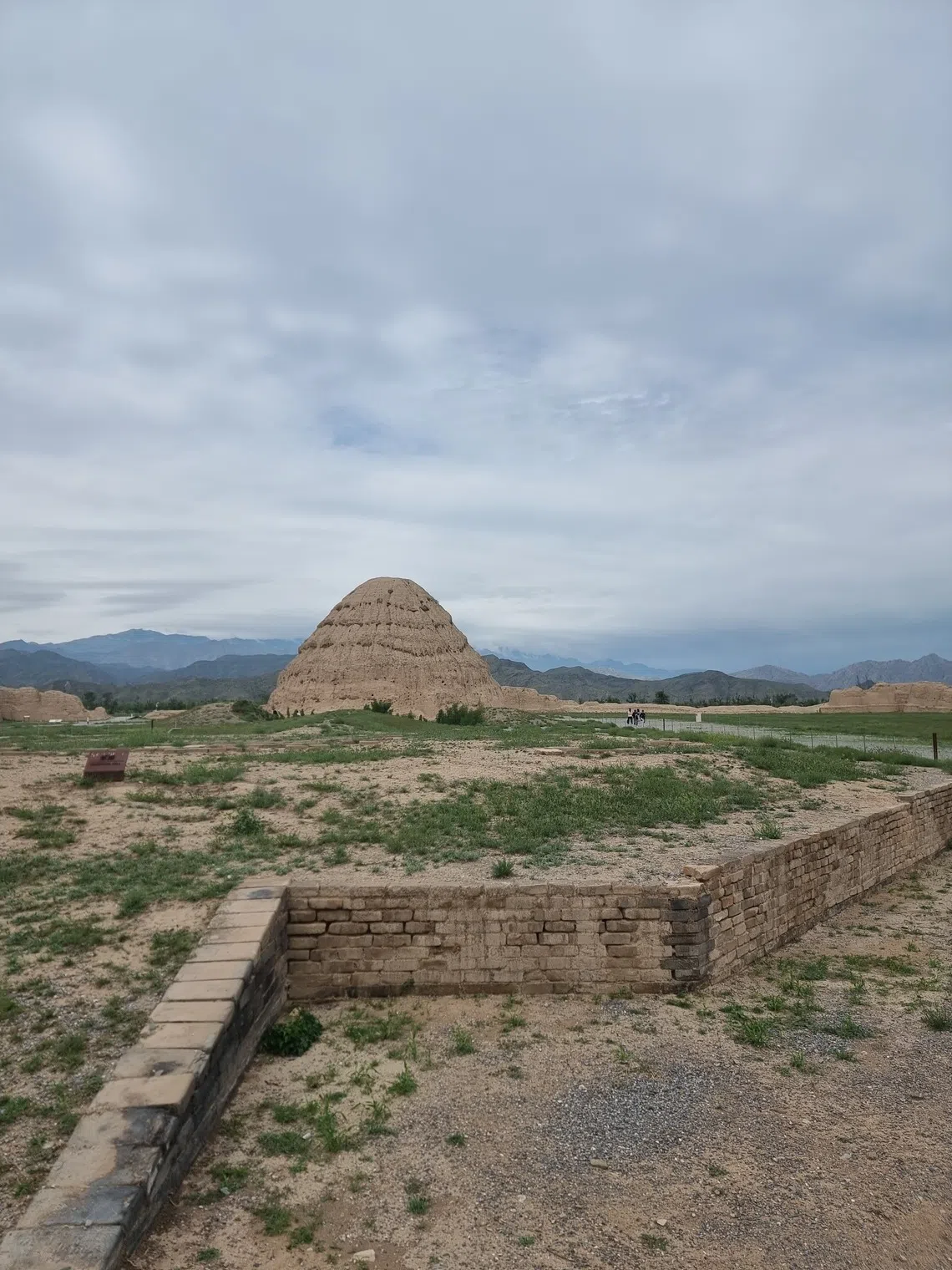
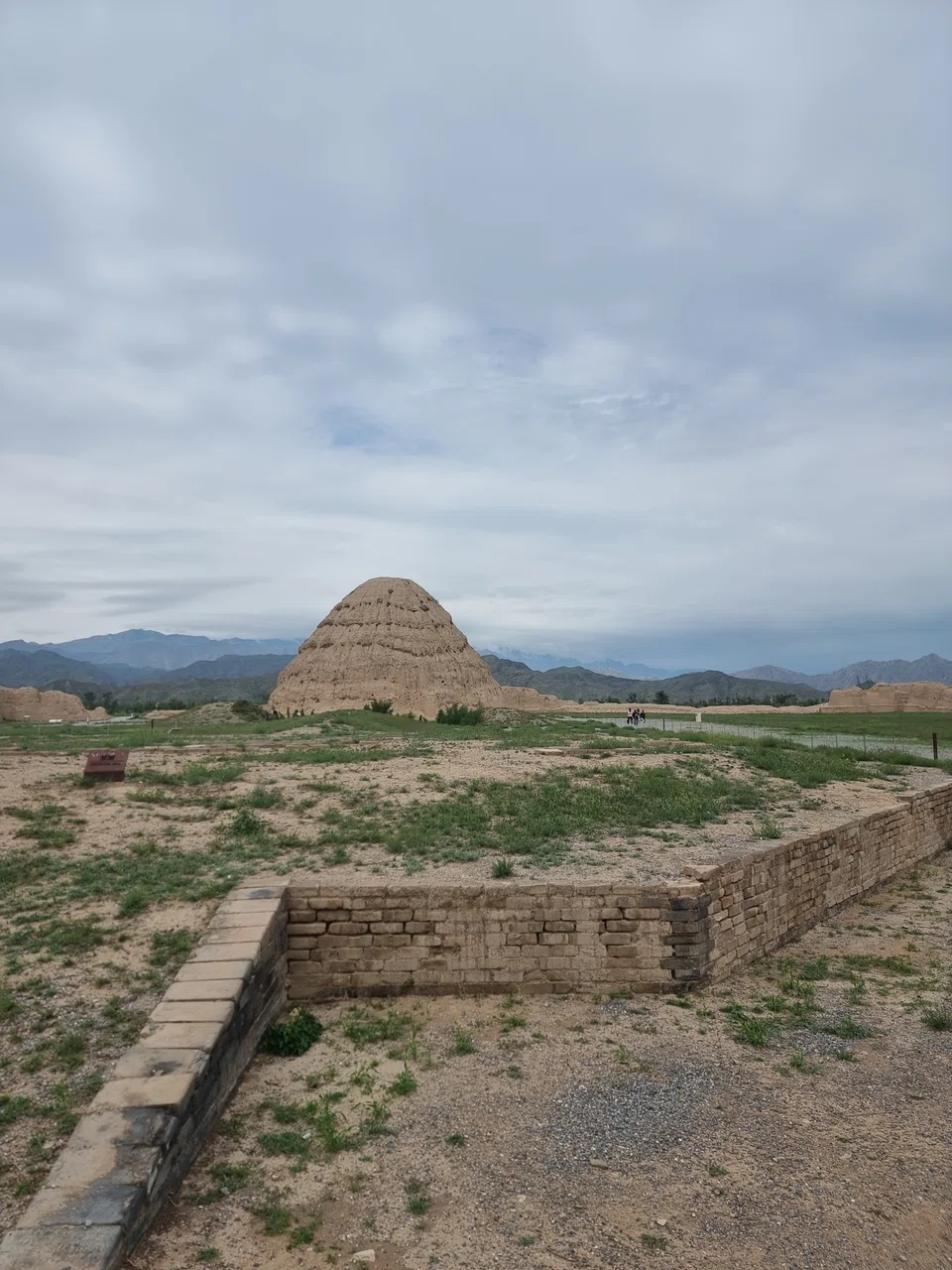
For something slightly more modern than rock carvings, there are the Western Xia Tombs, the Chinese equivalent of Egypt’s Great Pyramids. Against the backdrop of the Helan mountains, the massive beehive-shaped tombs hold the remains of imperial emperors from the once powerful Western Xia kingdom (1038 to 1227).
There’s also a modern museum beside the tombs for deeper insights into western Xia history, and absorbing the rich heritage of ancient China – whose people were the first to invent paper.
When you’ve had enough history for the day, check into the Amnor Resort, a contemporary hotel inspired by its Helan mountain surroundings. Interestingly, it has a Singapore connection – it was designed by Eco.id Architects – and boasts breathtaking mountain and vineyard views. Its heritage-influenced interiors even include a wine art space and red wine spa treatments, so you might want to relax for a bit before the next step of your journey.
Shanxi – wine, vinegar and history
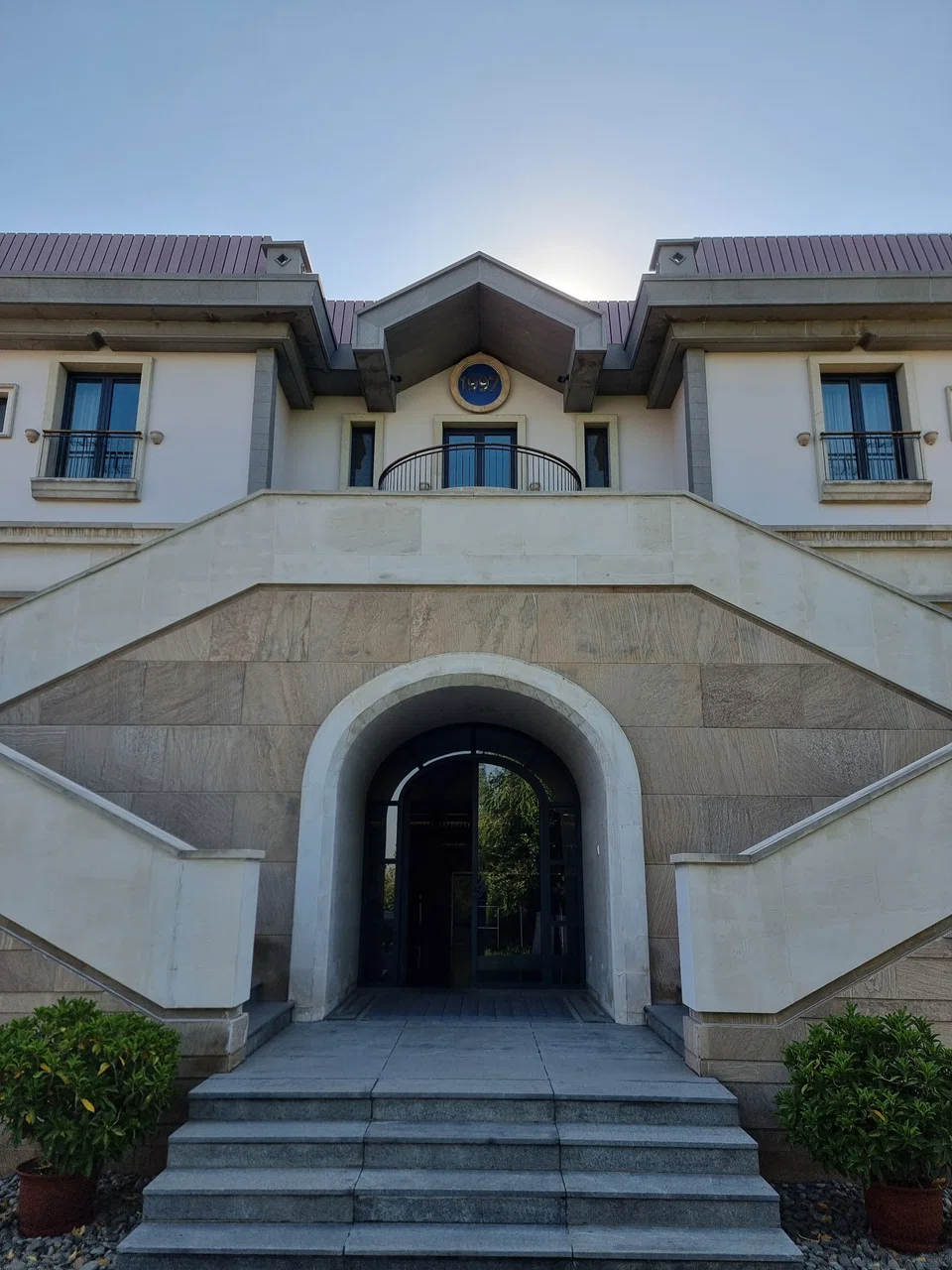
Shanxi may not have the same pedigree as its neighbour Ningxia, but it’s also an important wine-growing region thanks to its own award-winning wineries. In fact, it had an earlier start in the late 1990s when its famed Grace Vineyard was founded in 1997.
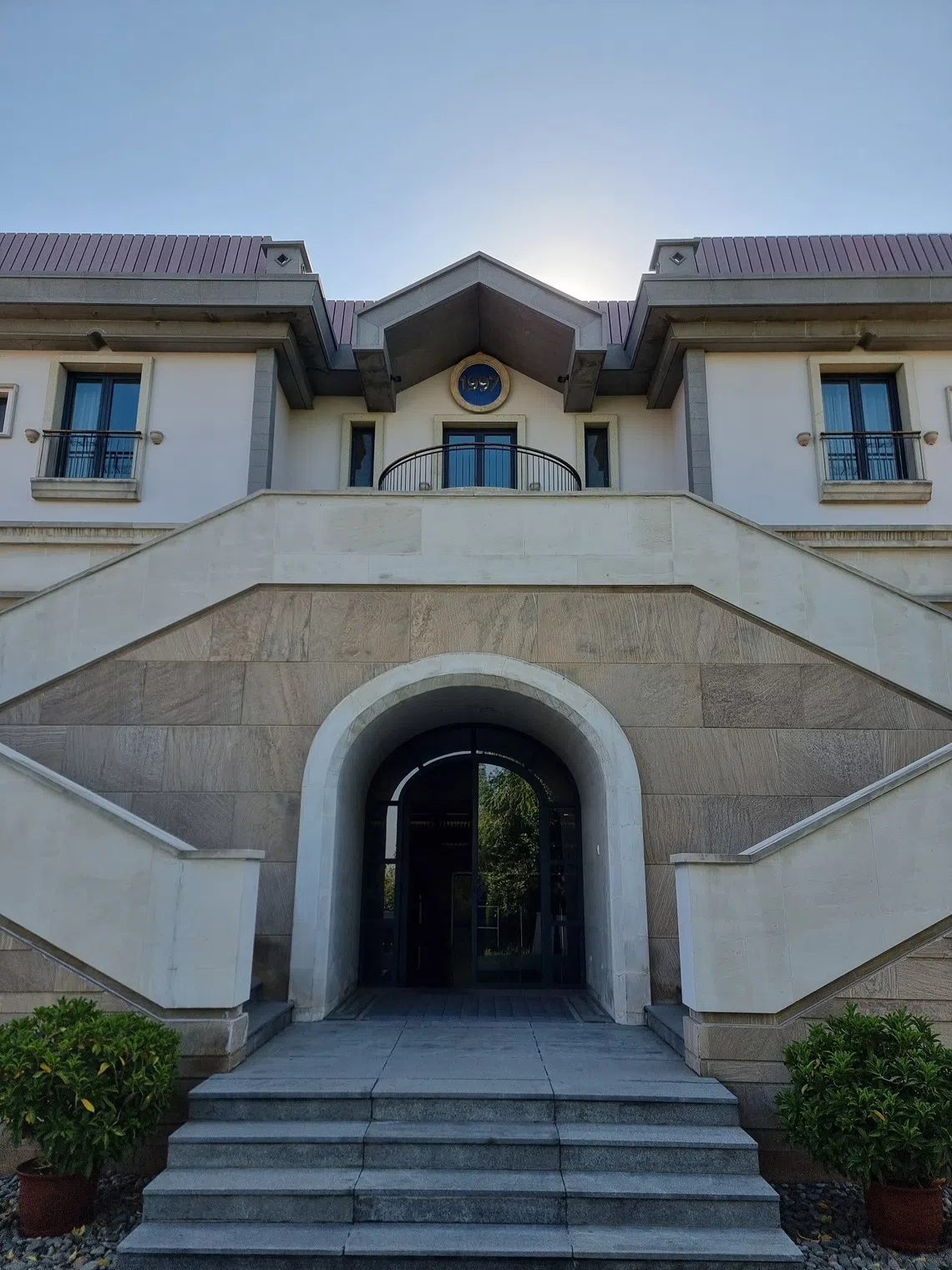
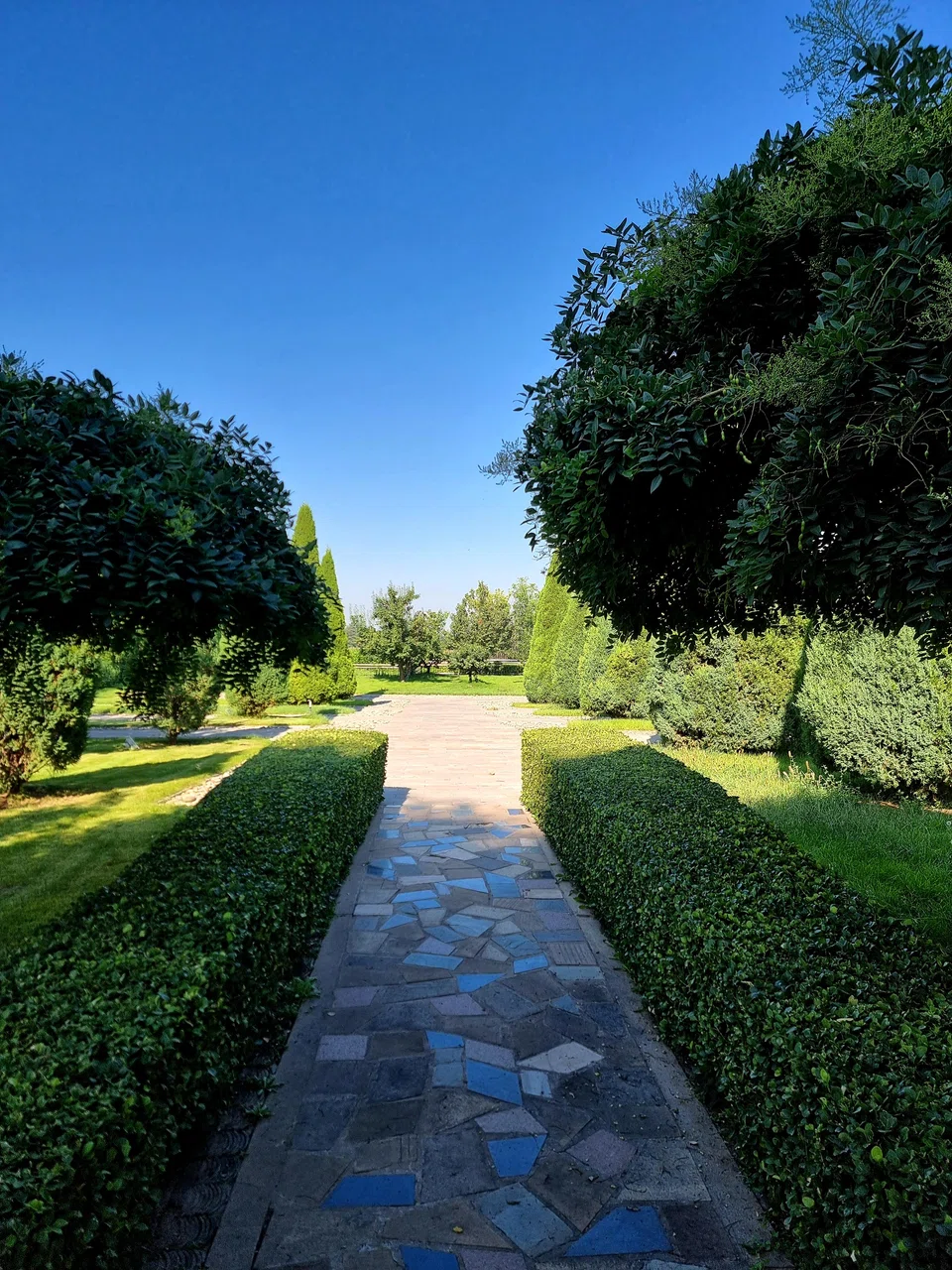
Located in Taigu County just an hour’s drive from Taiyuan, this beautiful winery – which features beautifully manicured lawns and rustic, French chateau-like buildings and a guest house – is owned by businessman Chan Chun Keung and managed by his daughter Judy Chan, a vivacious and charismatic mother of two.
A former investment banker, Judy Chan continues her father’s vision of producing high-quality Bordeaux-inspired wines, which include its Chairman’s Reserve flagship label. Its Deep Blue series can also be found on first and business class flights on Cathay Pacific, and remains one of China’s most prestigious labels.
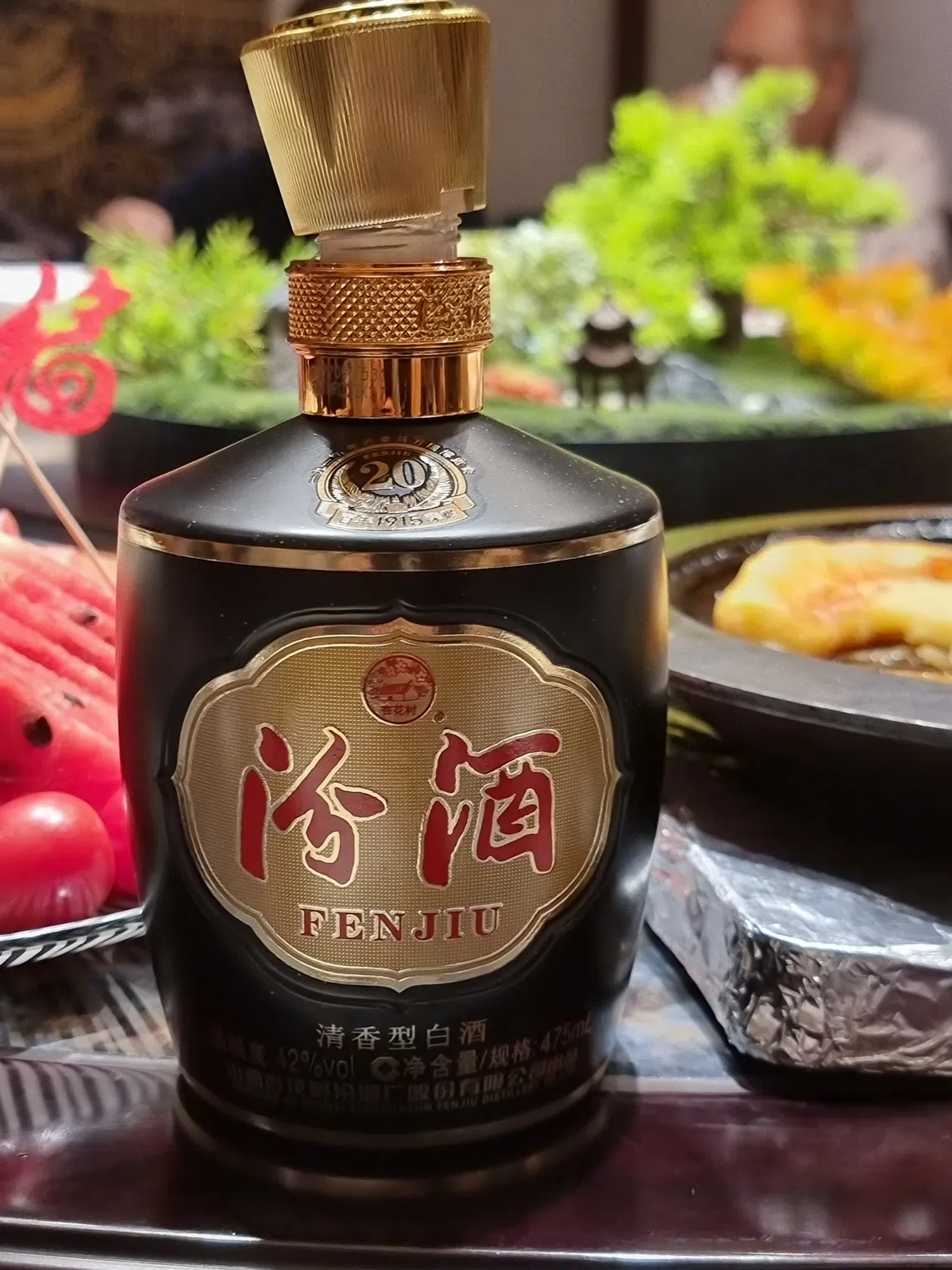
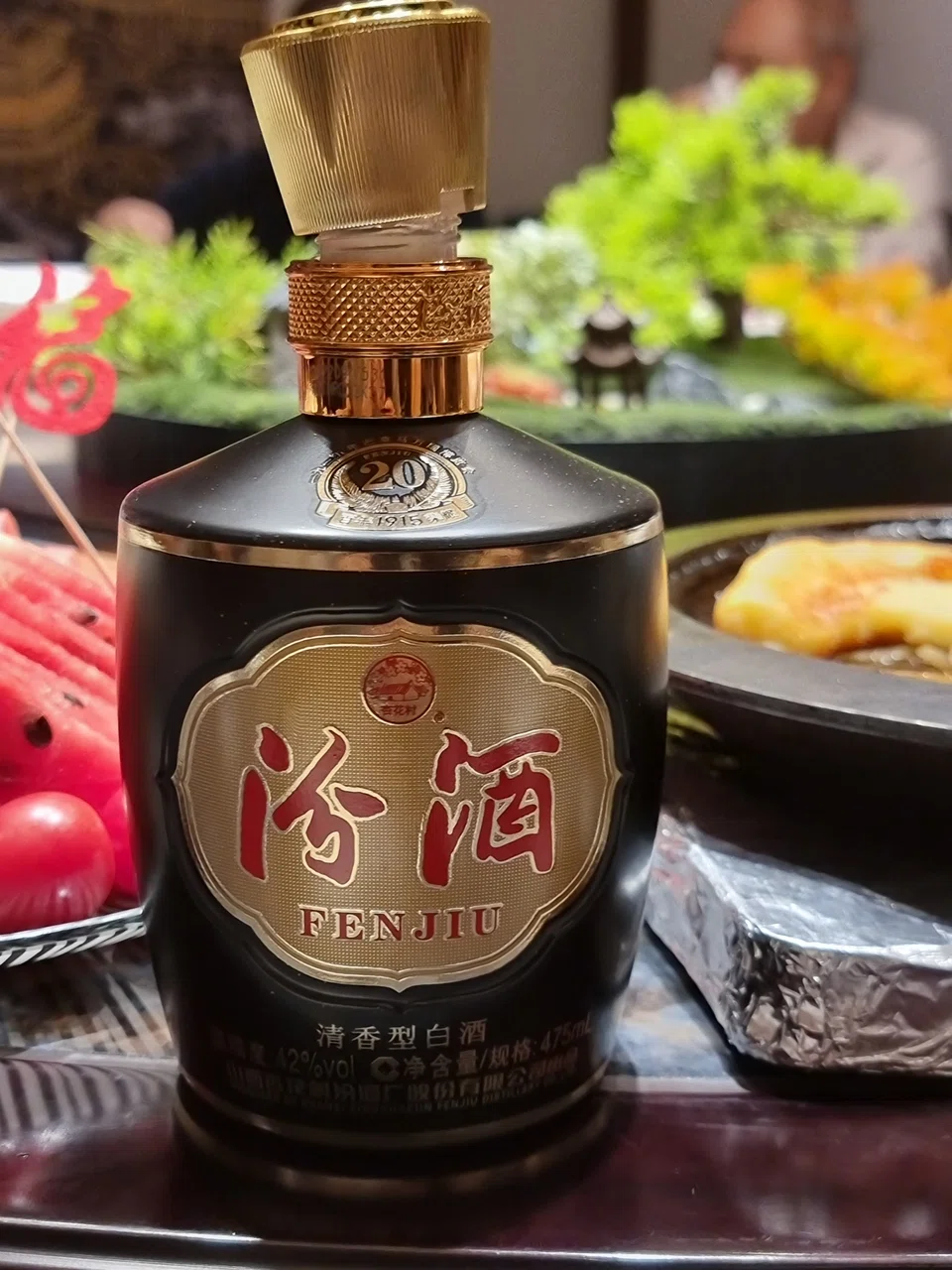
But Shanxi isn’t only famous for its grape varietals. It’s also home to fenjiu, a distilled Chinese spirit best appreciated in mini glasses, although it’s not as intoxicating as you might expect. It’s lighter and more refreshing than the more familiar baijiu, and is said to be the cleanest of Chinese spirits with the least impurities. That means it’s less likely to cause a hangover.
If wine and spirits are the heart of Shanxi, vinegar is its soul, as a visit to the Shanxi Vinegar Cultural Park will show. This is where you’ll learn the captivating legend of a general’s wife who refused to let him accept a concubine from the emperor. The emperor threatened her with poison if she refused, but when presented with it, it turned out to be vinegar.
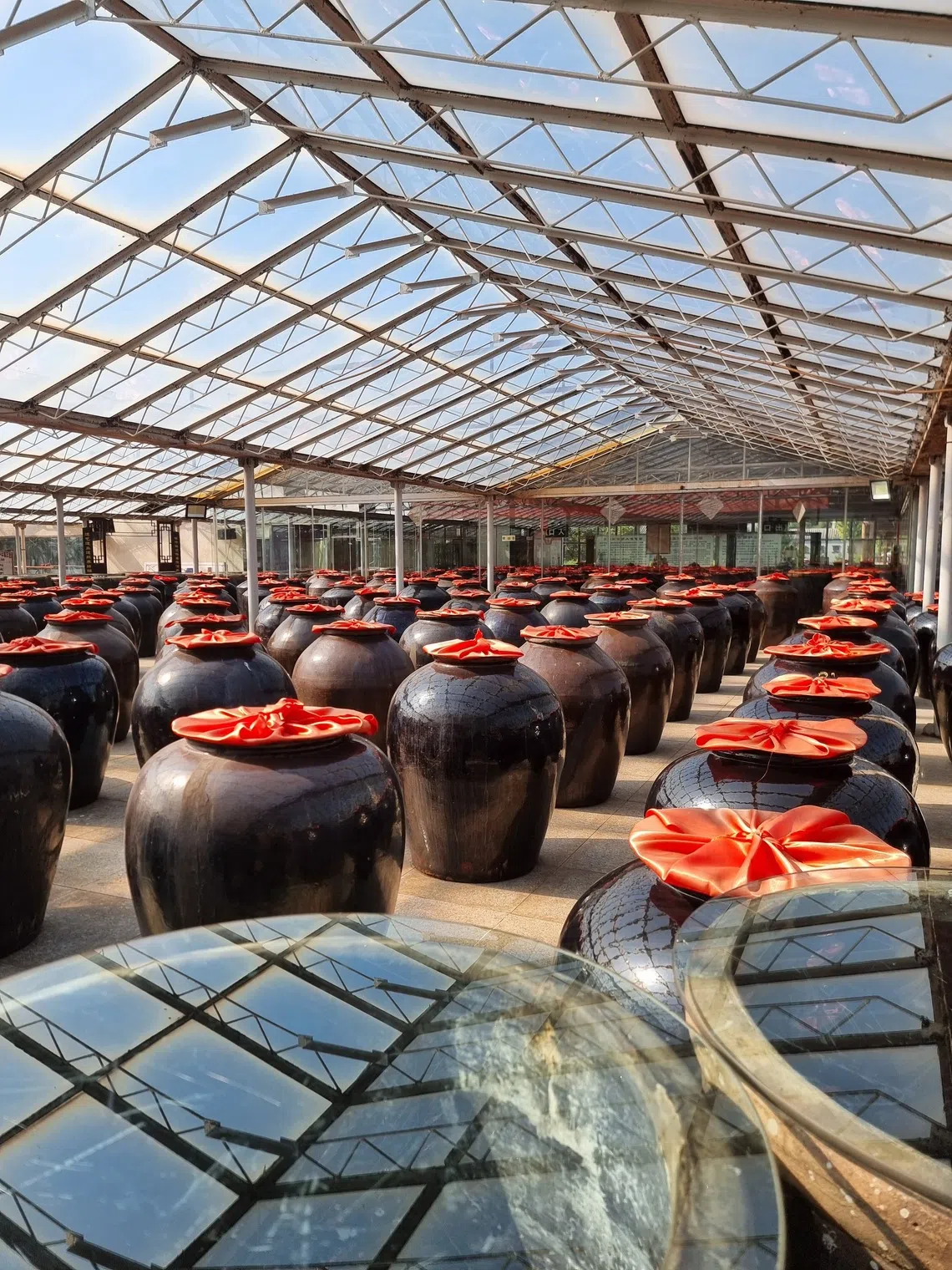
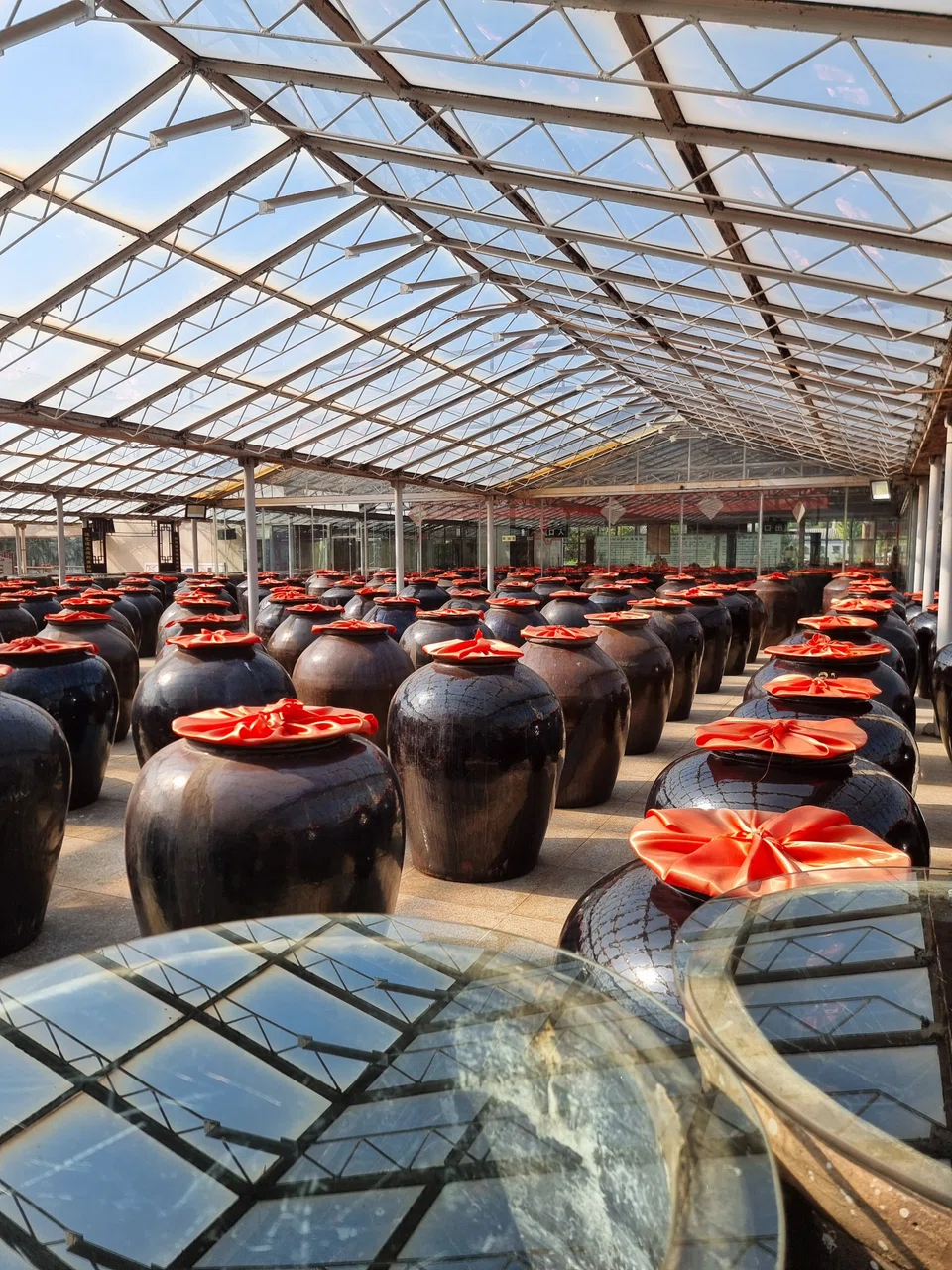
At the park, you’ll get to experience the 3,000-year-old vinegar-making process and be exposed to the unforgettable acidity and pungent aromas. Often compared to Italian balsamico, Shanxi vinegar is made from grains like sorghum and barley, and aged in large clay jars to give it its unique depth of umami and richness.
From the delicate three-year-old vinegar to the complex, aged 30-year version, the build-up in texture, density and flavour is an eye-opener. A daily teaspoon is said to offer similar health benefits to apple cider vinegar, so bringing home a bottle or two of the aged potion is a no-brainer.
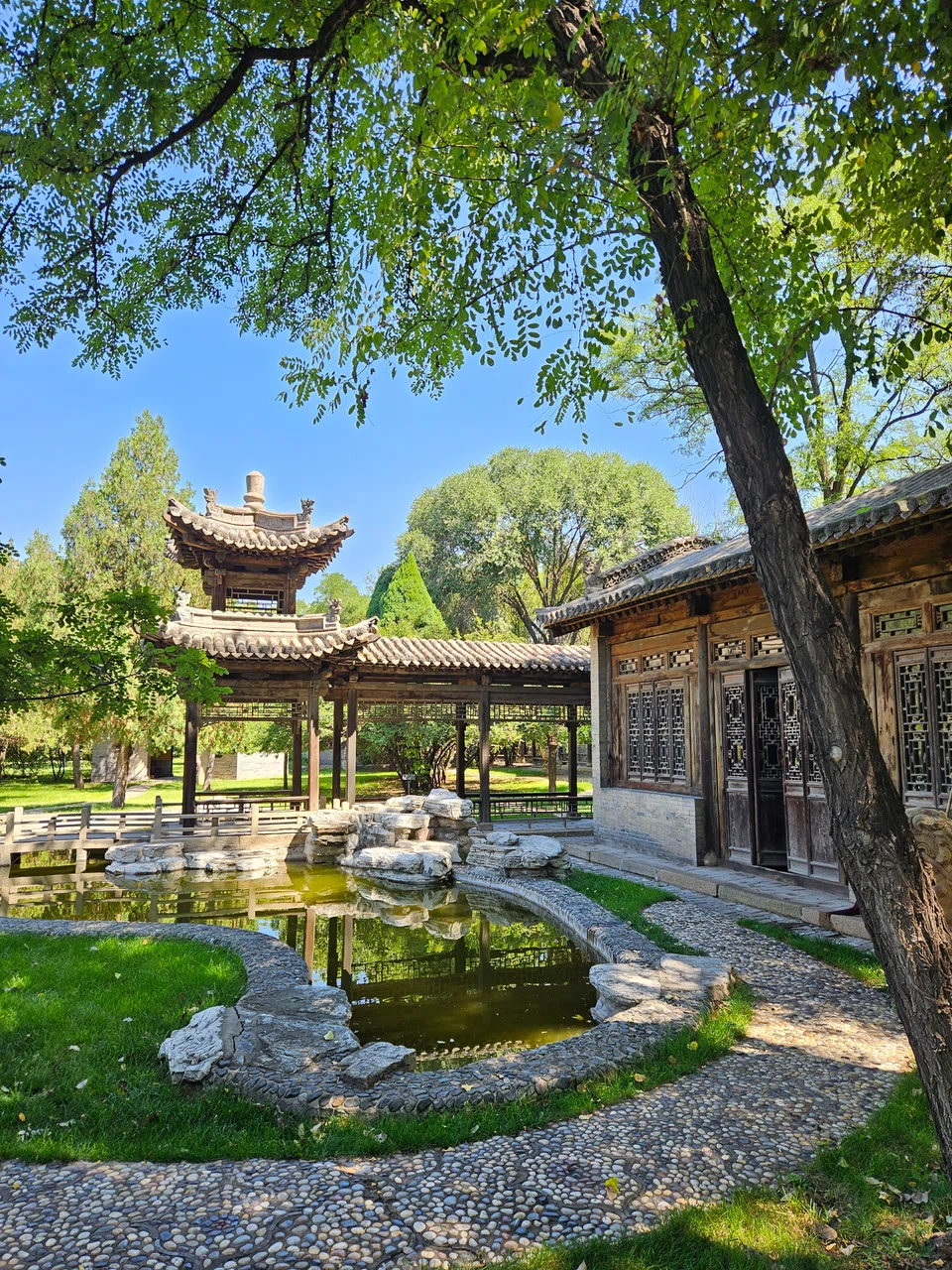
But if you’re still in the mood for some sightseeing, step back in time at the Chang Family Manor, a Qing Dynasty-era villa that could easily pass for the film set of the TV series Story of Yanxi Palace.
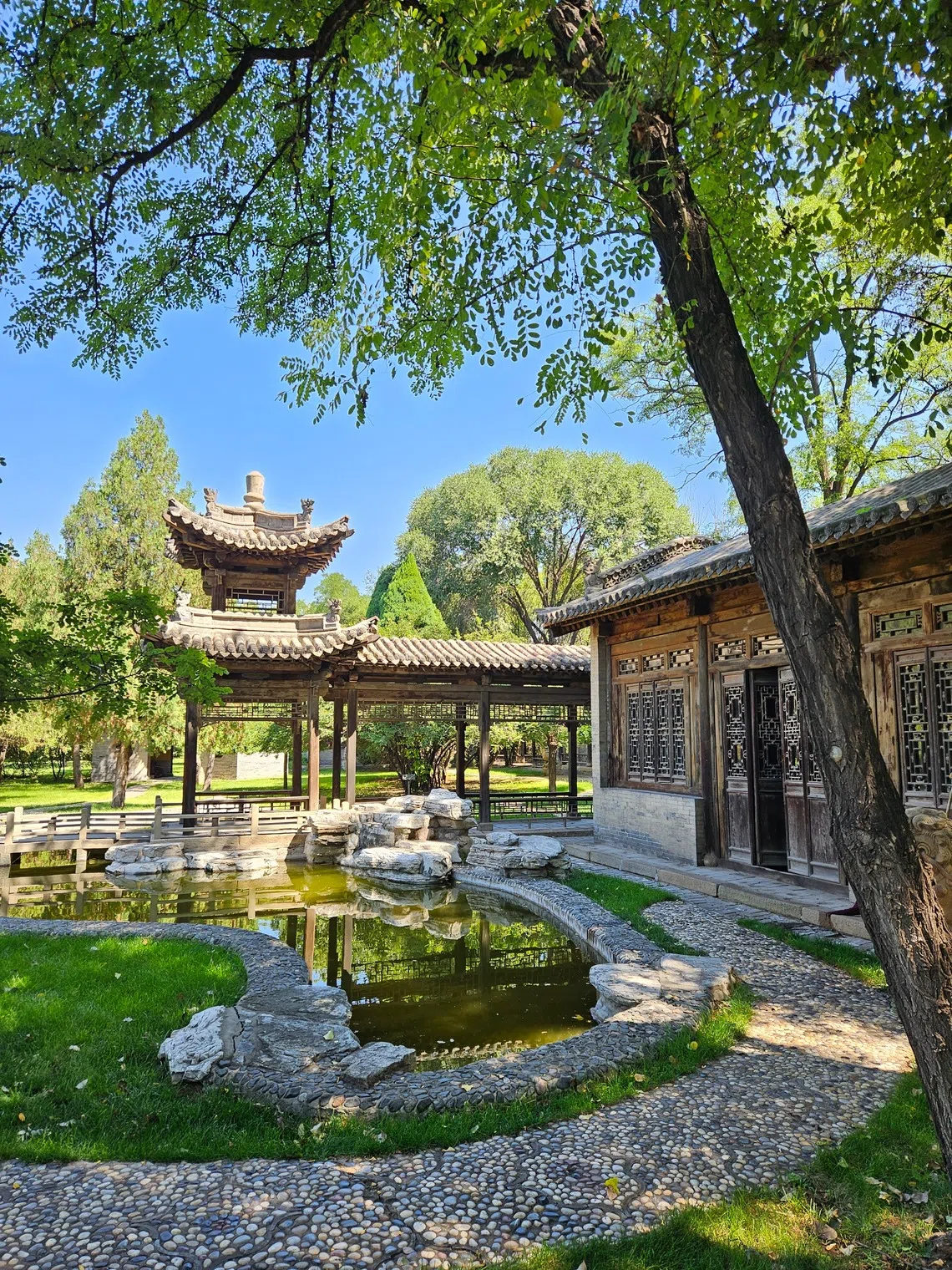
Lose yourself as you wander through courtyard after courtyard and savour the lovely landscapes, and sip tea to the strains of an erhu being played. The attention to detail in the architecture even shows how the height of a building’s roof dictates the rank of its occupants. Sprawled over 12 hectares, this living history lesson is a great show-and-tell.
The food of Ningxia and Shanxi
Dining in the north of China means that over a five-day period, not a single bowl of rice is served. Carbs are primarily noodles or wheat-based dishes, and while most of the cooking is spicy, it’s balanced enough that you don’t go into a mala-induced stupor.
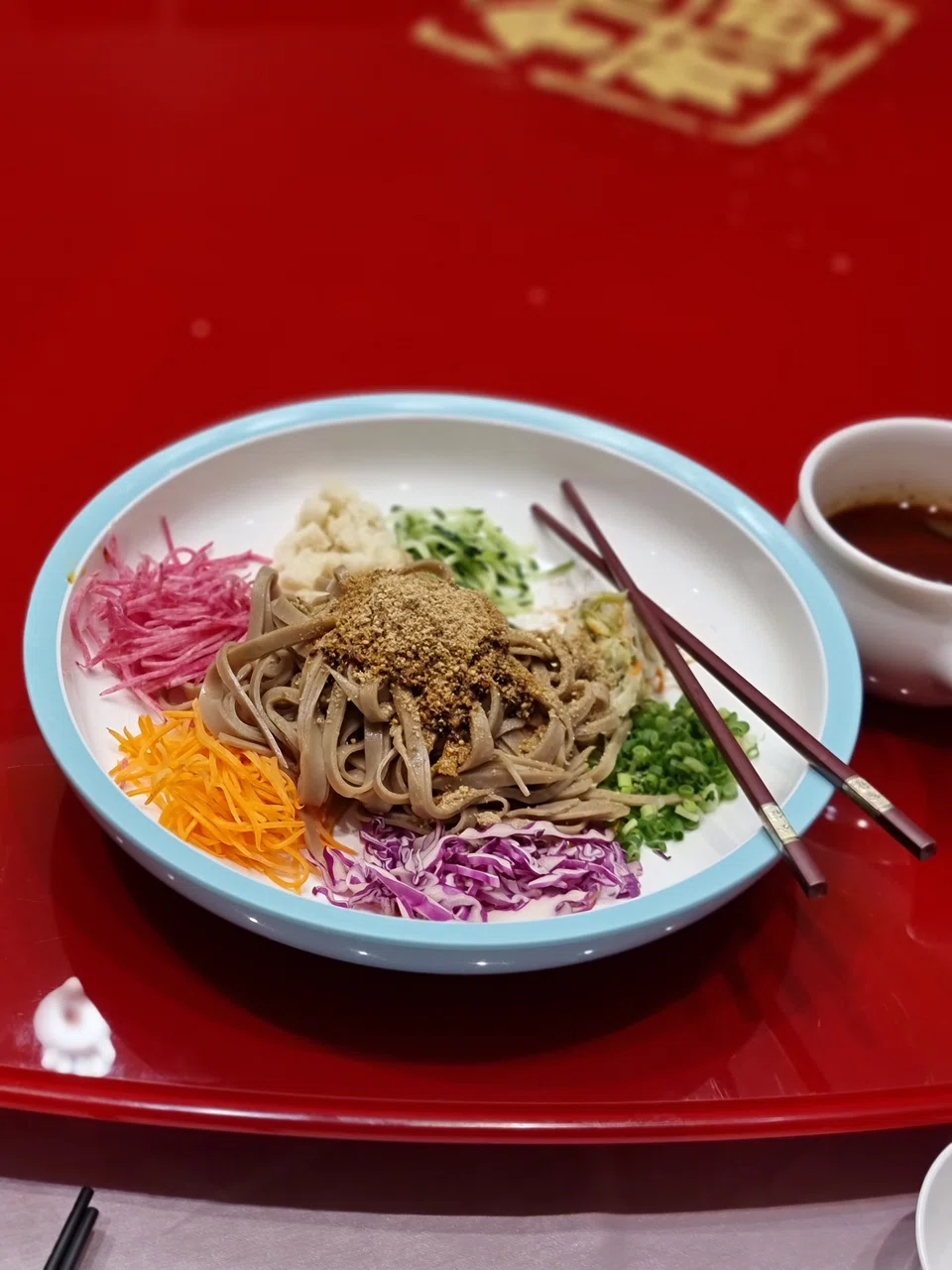
Instead, you’ll enjoy watching diaoxiaomian or knife-cut noodles prepared a la minute, while a bowl of mao er duo, or cat’s ear pasta, in a tomato broth makes you wonder how much influence Marco Polo had on Chinese cuisine. For salad lovers, fenpi is a cluster of cold noodles tossed in a piquant dressing of sesame sauce, vinegar, garlic and chilli oil.
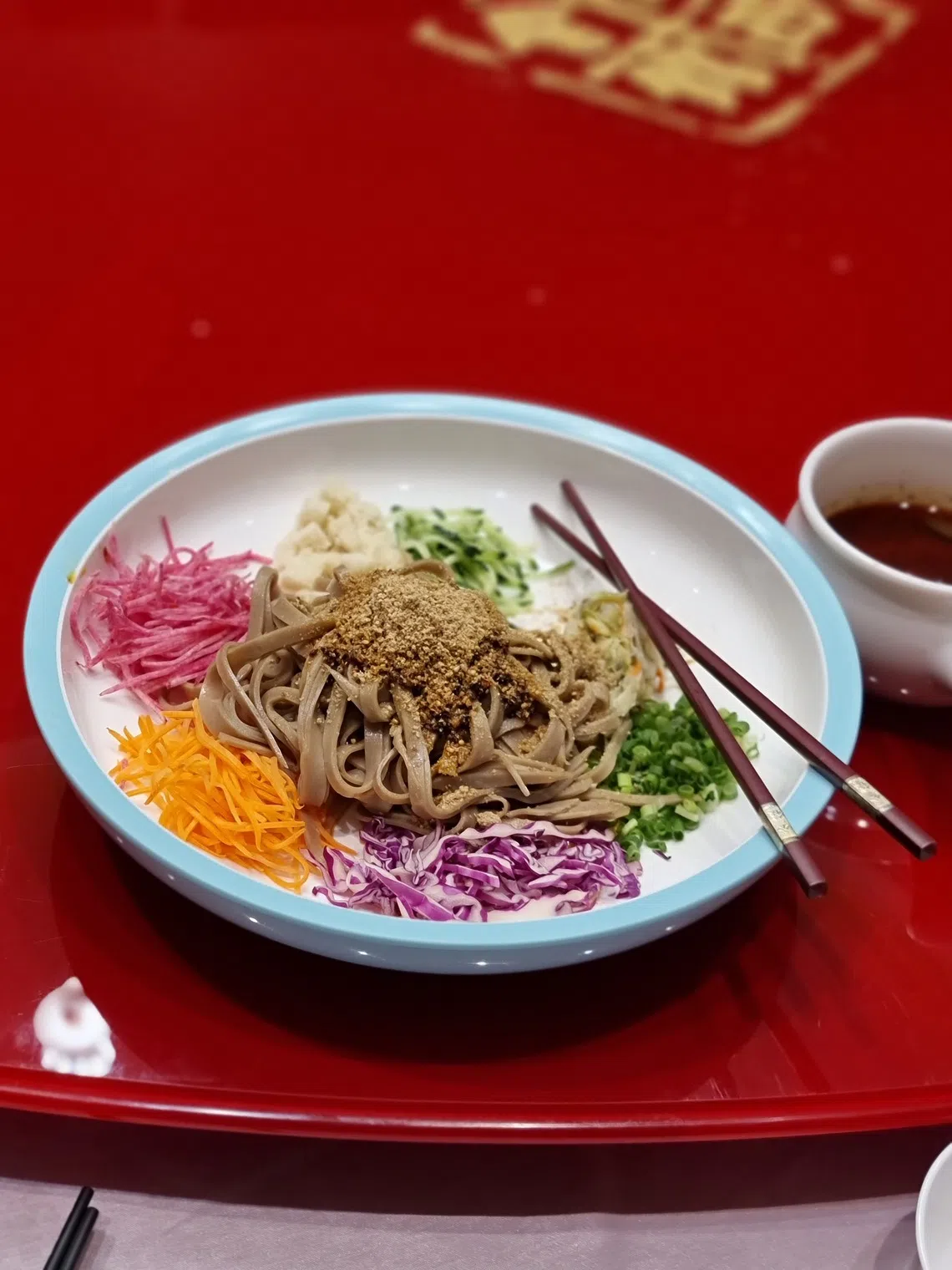
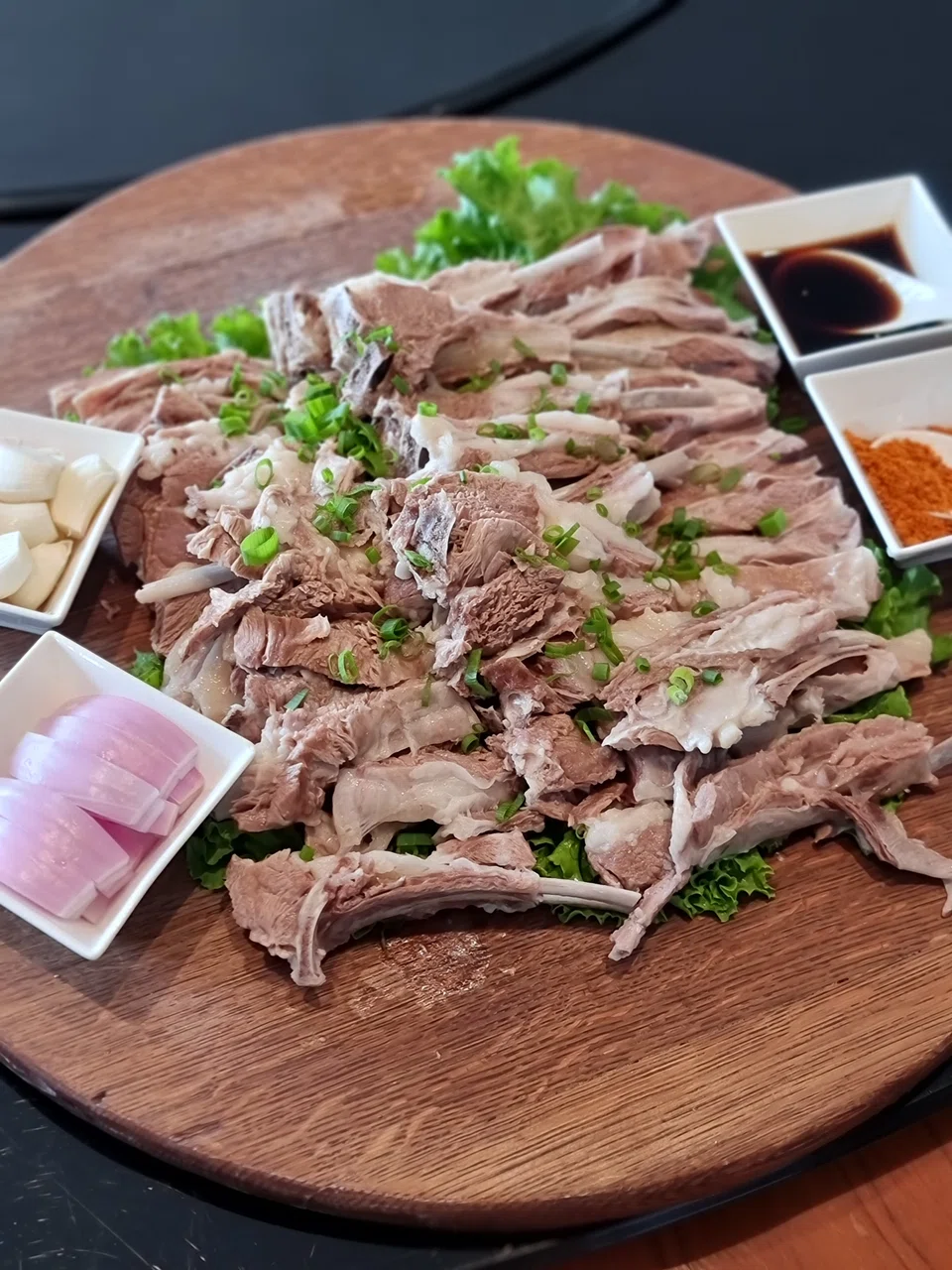
Even lamb sceptics might be converted by Ningxia lamb – pasture-raised animals which have a distinct flavour. Here, it’s served cold, thinly sliced and with a vinegar dip.
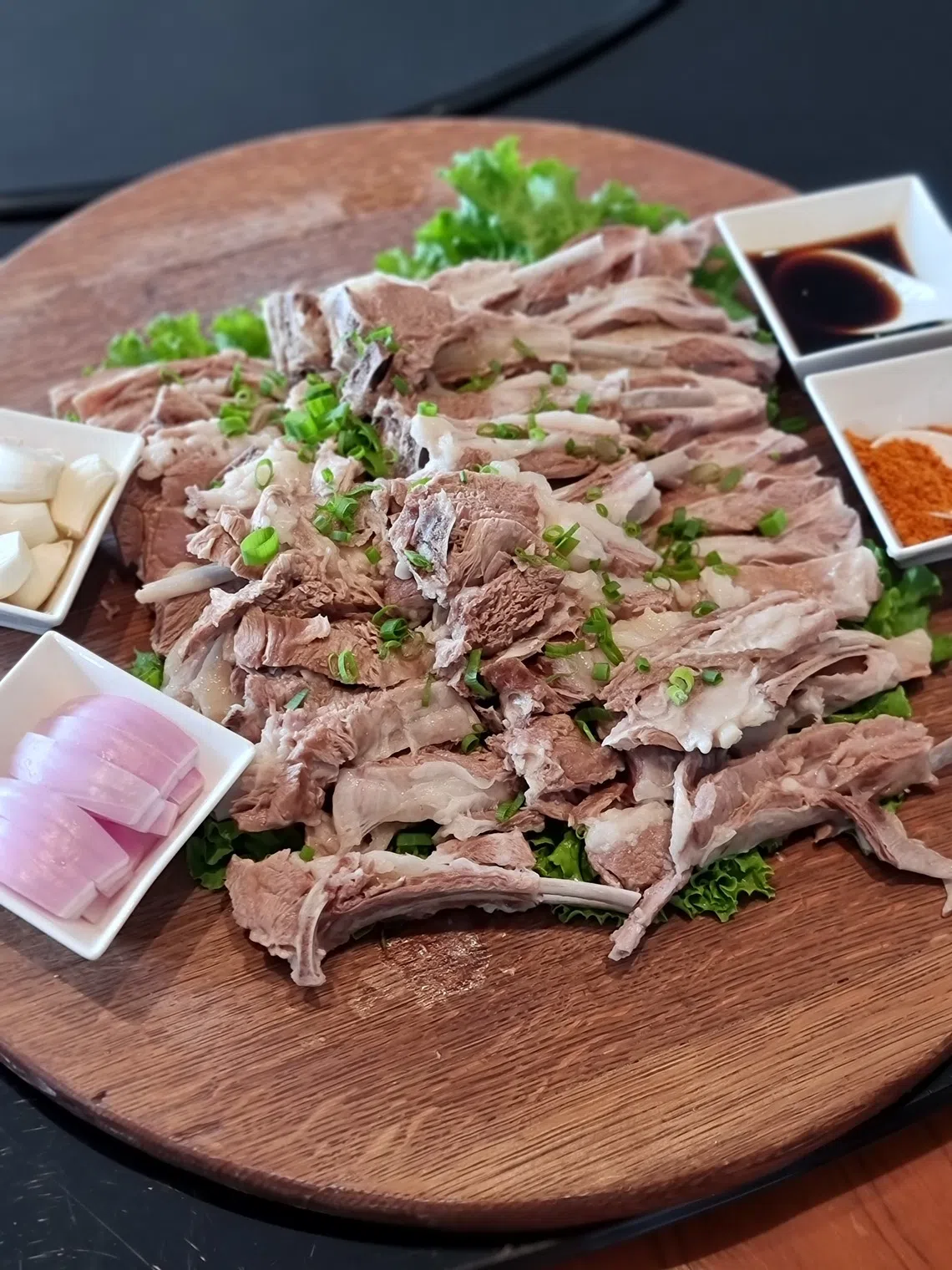
Potatoes are popular up north. Feast on sweet potato fries with a spicy kick, roasted potatoes sauteed in a claypot with local spices, or a Chinese version of rosti – a potato pancake made with grated potatoes, fried until crispy and often served with vinegar.
For breakfast, a warm bowl of comforting millet porridge is enjoyed with tea eggs and dumplings. There’s even their version of prata, except that it’s served on its own without any curry. If you’re being health-conscious, don’t leave Ningxia without their famous wolfberries or goji berries.
With beautiful scenery, food, wine and a rich history, northern China is well worth the adventure. And the next time someone offers you a glass of putao jiu, say yes, definitely.
Decoding Asia newsletter: your guide to navigating Asia in a new global order. Sign up here to get Decoding Asia newsletter. Delivered to your inbox. Free.
Share with us your feedback on BT's products and services