Paving the way to greener wardrobes
The latest IPCC report indicates that time is running out to save the planet; here’s how some brands are stepping up in the fashion industry

THE run-up to this year’s Earth Day feels, as always, a little more sombre than the last.
In March, the Intergovernmental Panel on Climate Change (IPCC) released its annual report, described by United Nations Secretary-General Antonio Guterres as “a clarion call to massively fast-track climate efforts by every country and every sector and on every timeframe”.
Chief among the report’s recommendations was a renewed call for all industries to halve their greenhouse gas emissions by 2030, to limit global warming to 1.5 degrees Celsius – a key goal of the Paris Agreement.
Fashion has been abuzz with sustainability-related targets and commitments for several years now. But critics note that significant change has yet to materialise. In 2020, McKinsey and Global Fashion Agenda found that the industry’s annual emissions are set to rise to some 2.7 billion tonnes by 2030. Fashion for Good and Apparel Impact Institute further estimate that there remains a funding gap of more than US$1 trillion to decarbonise the industry.
At the start of this year, The Business Times (BT) ran a story on how fashion is tackling the increasingly real problem of climate change, and how efforts towards sustainability – including those by Singaporean brands – will drive the industry forward. Now, with Earth Day just around the corner, perhaps it’s time for a progress check.
Baa, baa, green sheep
It is easy to find examples of failures among brands to meet their green goals. But it would be an injustice – and certainly a downer – to entirely discount fashion’s stabs at sustainability over those duplicitous black sheep.
Across both luxury and non-luxury segments, brands have started moving the needle. It’s certainly worth taking a closer look at those that are at the forefront of impact.
Kering is one example. Grants from the conglomerate’s Regenerative Fund for Nature have helped farming groups, project leaders and non-governmental organisations “test, prove and scale regenerative practices” in agriculture, with a focus on cotton, leather and wool. Projects that have received grants thus far represent 840,000 hectares of farmland.
Over at luxury house Louis Vuitton, efforts have already cut its greenhouse-gas footprint by a quarter. Among other initiatives, it has committed to fully using renewable energy at its production sites and logistics warehouses; as at the end of last year, it had met 71 per cent of this target.
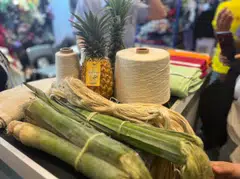
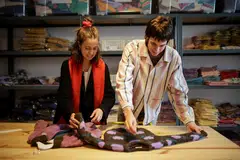

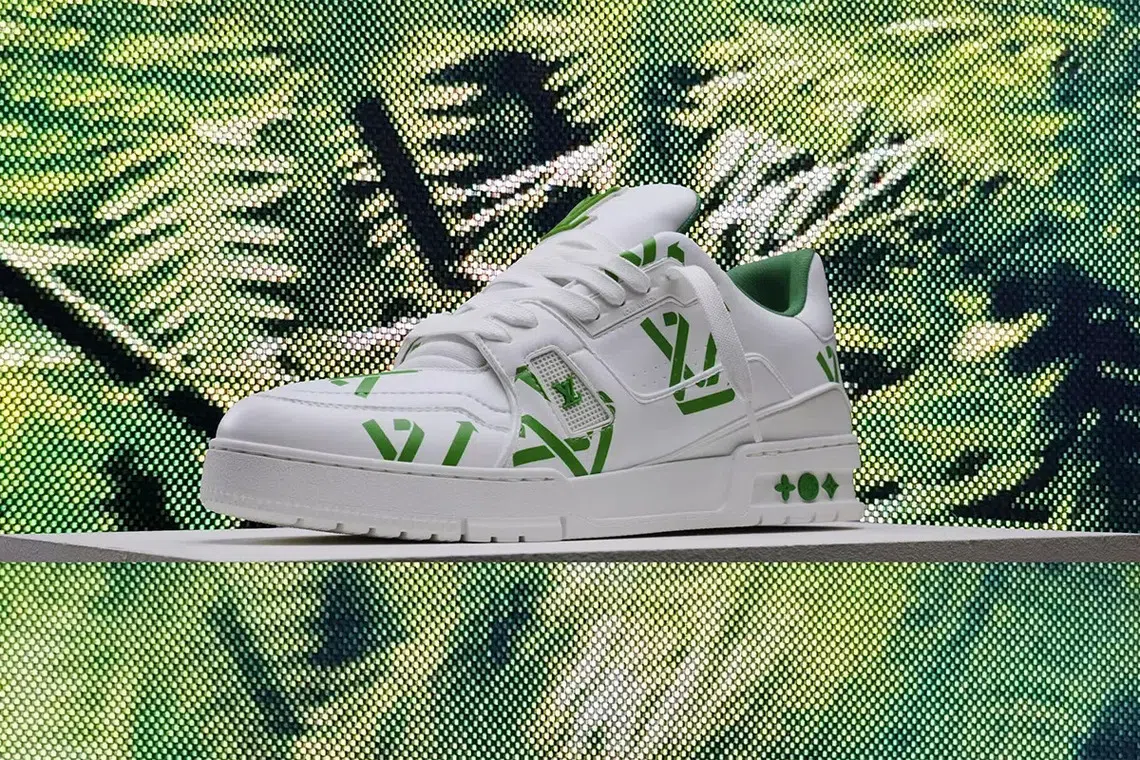
Louis Vuitton has also moved towards using sustainable materials in its products. Nearly 80 per cent of its raw materials are responsibly sourced, with 70 per cent of its cotton either having been recycled or organically grown. Last July, it launched an updated version of its LV Trainer, made of 90 per cent recycled and bio-based materials.
Christelle Capdupuy, the brand’s global head of sustainability, tells BT that the impacts of such changes go beyond environmental sustainability. “This is doing social good, as it’s directly supporting the farmers who are transforming their agriculture from conventional to organic practices, regenerating soils and decreasing carbon emissions.”
When it comes to implementing sustainability goals, venturing on the path less travelled is part of being an industry leader, she adds.
“The responsibility that comes with being an important actor of the luxury industry is to take the lead on some environmentally virtuous projects, such as structuring recycling process ecosystems, and to share positive impact within the luxury ecosystem.”
Another sustainable material that Louis Vuitton has incorporated into its products is Econyl, a nylon fabric regenerated from ocean- and landfill-sourced plastics. Pillow bags from its 2022 ski collection featured the material in linings and padding.
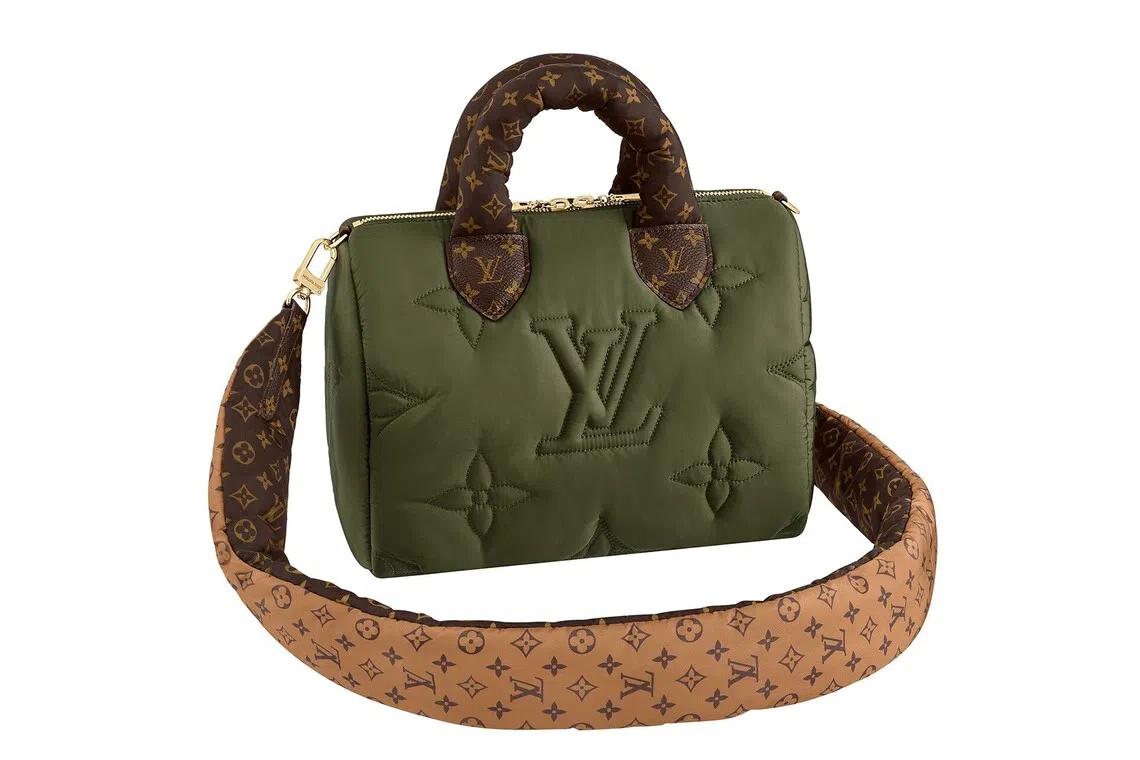
Econyl is among a flurry of innovations that have come about as a result of fashion’s endeavours in sustainability. Aquafil, the company behind the material, says it can be recycled “infinitely”. While it is still a non-biodegradable plastic material that can shed microplastics when washed, the fact that it comes from landfills and oceans means no fossil fuels are needed to produce it, unlike its virgin counterpart.
Sustainability, the Singaporean way
And it’s not just a niche or novelty product, either. Econyl has made its way into products from companies around the world, including Singapore. Home-grown athleisure specialist Outfyt has been using Econyl in its apparel for years now, after founder Stephanie Colhag Yeo decided it was time to turn the brand green.
It started with the mounds of single-use plastic bags she used to receive her wares in. Seeing those piles on the floor of her Haji Lane store made her rethink her business model, with an emphasis on minimising waste in Outfyt’s supply chain.
Today, the brand works exclusively in recycled and eco-friendly materials, including Econyl, as well as organic cotton and hemp fibre.
The safari to sustainability hasn’t been an easy trip, though. “It was like starting a company from scratch,” Colhag Yeo tells BT. “We had to search for a new manufacturer and fabric suppliers.”

Changing up how the company approached sustainability also entailed overhauling her design process. “The biggest challenge was probably doing all the research, to make sure that we would do things right and not greenwash unknowingly,” she says.
“Now, when I design something, I stop and think – will people still want to wear this in five years?”
It’s important to consider, too, that rapidly shifting gears to full-throttle sustainability may not be viable for a brand, given the logistical and cost implications, as well as the risk of alienating existing customers.
For Outfyt, costs have been a major hurdle; after all, to the average customer, sustainability simply isn’t as sexy as low prices. “It’s so tough when you have big fast-fashion players like Shein tempting consumers,” Colhag Yeo says.
“Many consumers still think of sustainable fashion as expensive – and it is, if you’re comparing it to fast fashion.”
Despite the challenges, though, she has pressed on and cultivated a loyal group of customers, many of whom share the same values as the brand.
Tomorrow beckons
The countdown to Earth Day this year has, in all, been difficult for the world to contend with. All signs in this year’s IPCC report point to our running out of time to save the planet, and it’s all too easy to feel like there’s little hope left. The naysayers among us might even say hope went out the window years ago.
While fashion – as with just about every other industry – still has a long way to go before it can truly be green, one can take heart in knowing that at least some brands are taking on the challenge head first. Impact may have yet to materialise on a massive scale, but there are at least signs that change is on the way.
Here’s hoping that it’s not too late, and that more brands step up before it is.
Decoding Asia newsletter: your guide to navigating Asia in a new global order. Sign up here to get Decoding Asia newsletter. Delivered to your inbox. Free.
Copyright SPH Media. All rights reserved.