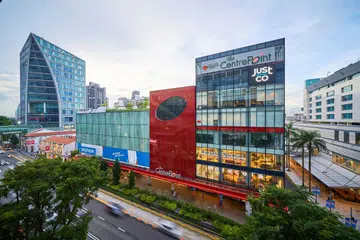
Is Pokemon card trading ‘a crazy stupid hobby where you can make stupid money’?
The hype is fuelled by the game’s 30th anniversary but prices can swing wildly
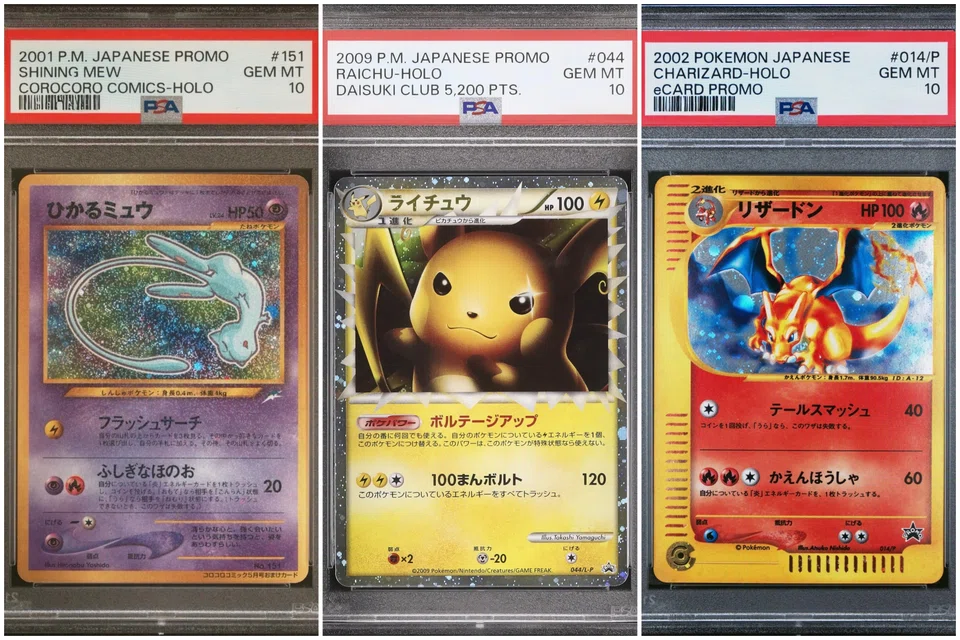
[SINGAPORE] One Friday evening late last month, about a dozen people – children included – sat quietly in a hotel function room, some with bid paddles in hand. They were joined by an unknown number of online bidders at British collectibles dealer Stanley Gibbons’ first Asia-based trading card auction.
By the time it ended, sales had exceeded estimates to reach S$473,450 on the hammer, including a pair of cards that attracted the highest bid of S$230,000.
Welcome to the world of trading card game (TCG) collectibles and specifically, that of Pokemon – the wildly successful Japanese media franchise involving fictional creatures with special powers that humans catch, train and battle.
What started in 1996 as an electronic game series from Nintendo has become a global phenomenon that includes a TCG, official tournaments, manga, animated television series, movies, video and augmented reality mobile games.

Pokemon has reportedly generated revenues of about US$147 billion, making it the world’s most valuable entertainment franchise.
Within the TCG space, new generations of Pokemon, limited-edition releases and rare cards are continually introduced. Meanwhile, millennials who first played the game in their childhood reacquainted themselves with it during the pandemic – now with adult money to spend.

Then there are the high-profile transactions, such as the record US$16.5 million paid in February for an ultra-rare Pokemon card. The seller, American social media influencer and pro wrestler Logan Paul, banked a huge profit, having acquired it for US$5.3 million in 2021.
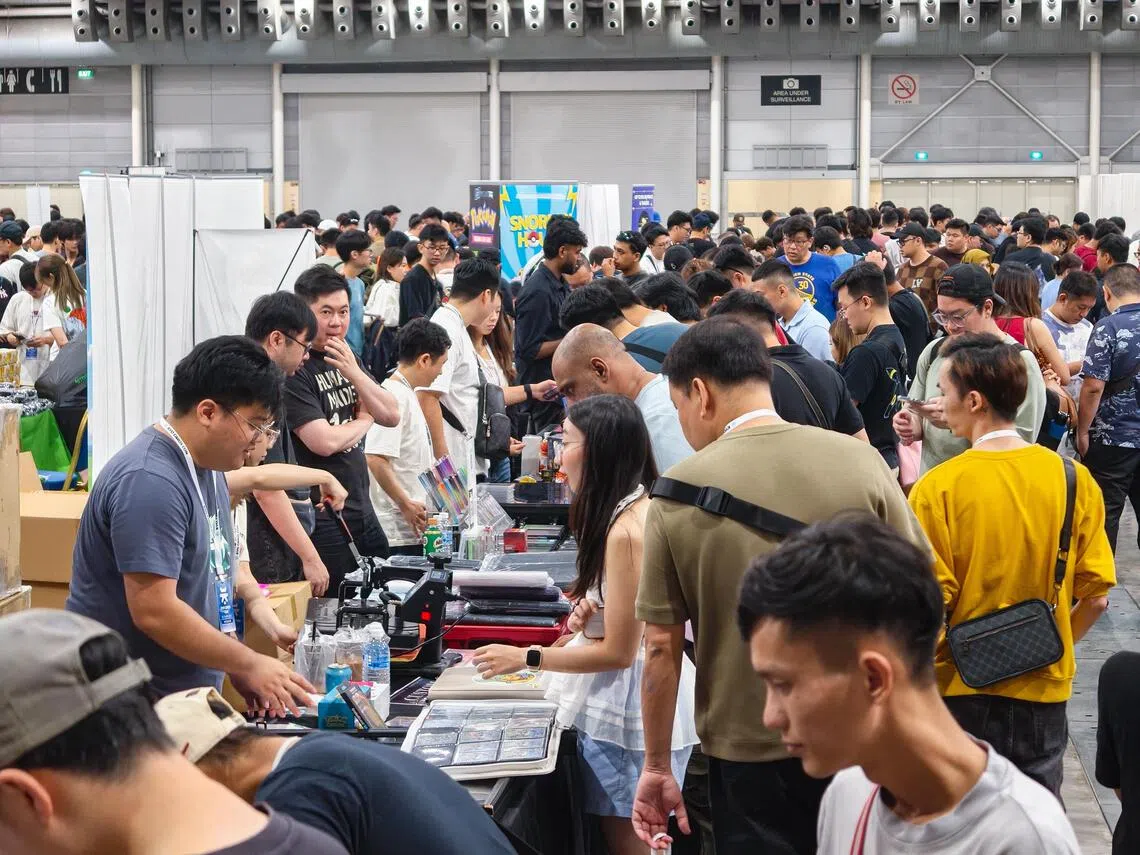
With money to be made, card shows are regularly held on weekends here.
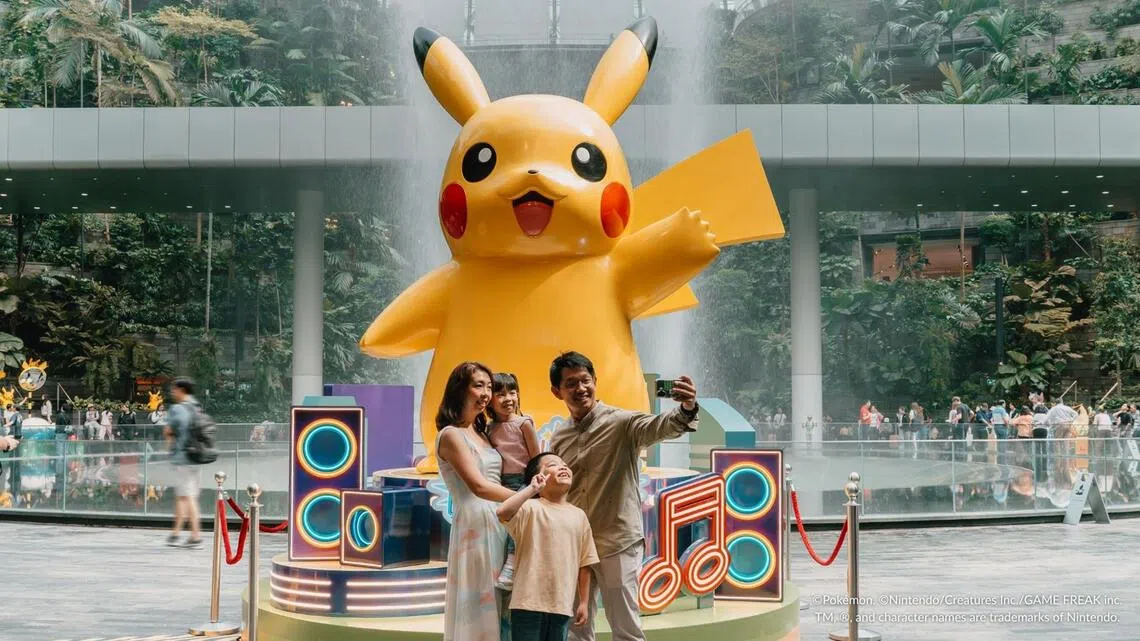
And as the beloved franchise marks its 30th anniversary this year with the release of a special expansion set, there are brand collaborations and large-scale events including installations and activations at Jewel Changi Airport.

The fervour will continue next year, when the massively popular Pokemon World Championships takes place in Singapore – the first time the nation plays host.
What drives prices
The value of Pokemon cards is driven by several factors. Iconic illustrations, first-edition prints and cherished franchise characters are in demand. The usefulness of a card in competitions – which changes due to a rotation system – also comes into play.
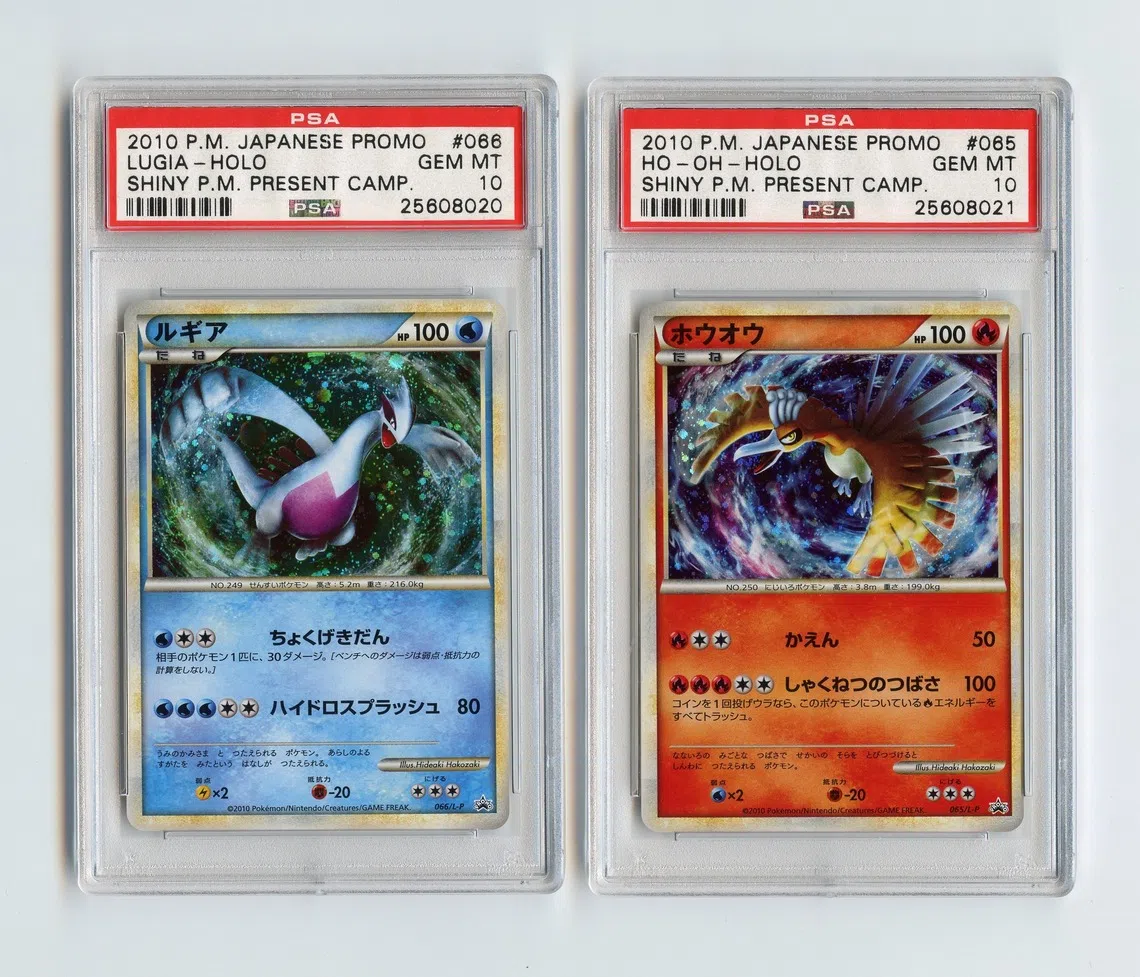
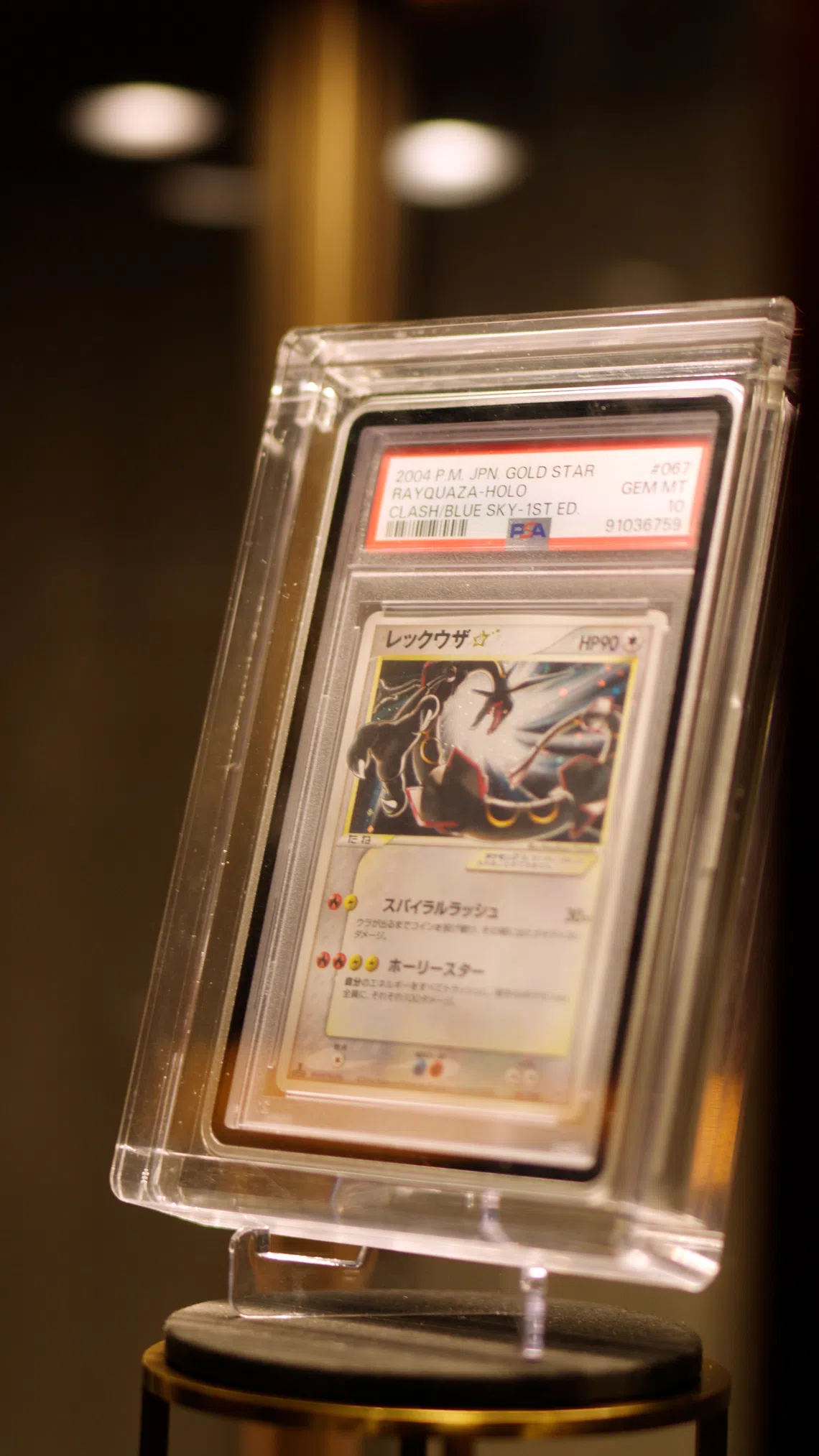
Crucially, the cards’ condition – determined by a third party such as Professional Sports Authenticator, which validates and grades cards on a 10-point scale – heavily dictates prices.
Ungraded cards are called raw cards while graded ones are encased in hard, tamper-evident plastic cases called slabs. Collectors’ most coveted targets – exceptionally rare, expensive or hard to track down varieties – are dubbed grail cards.
Collector and trader Jean Loh says Pokemon fulfills all the metrics for a very successful intellectual property. “Anyone can indulge in it; kids, adults, guys and girls. It’s very cute, family friendly, and adults not only get nostalgic over it but see it as a form of art; a slice of the franchise’s history that they can buy into.”
The cards he sells cost anything from a few dollars to six figures, with buyers ranging from teenagers to doctors, lawyers, bankers and business owners.
Given how the hobby has evolved into a sophisticated secondary market, there is now even a Pokemon TCG boutique positioned as a premium experience and collector’s destination in Singapore.
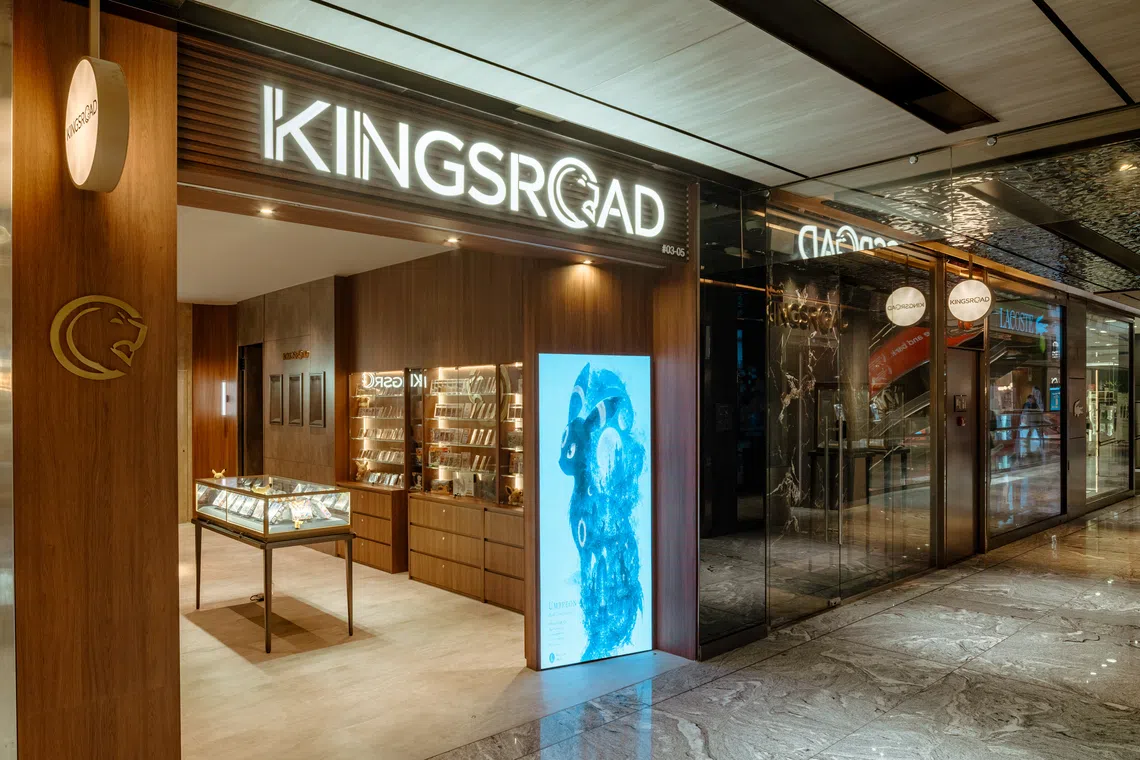
Kingsroad Vault opened in July at Wisma Atria and combines a retail gallery with a plush, private lounge.
“We saw an opportunity to bring greater professionalism, transparency and trust to the buying, authentication, grading and trading of high-value cards,” says CEO and co-founder Laura Wu.

Enthusiasts can trade graded cards, access pre-grading services, consign their collections and sell cards back to Kingsroad.
Indeed, card traders like Loh fly all over the world to buy cards, taking advantage of arbitrage across geographical borders and access to different seller markets.
Collector Seth Lim, for instance, sources on behalf of high-net-worth clients including Malaysian royalty. He focuses mostly on vintage cards – which he defines as those from 1996 to 2007 – where supply is low and those in pristine condition are even rarer.
Deliveries of high-value cards – typically worth a few hundred thousand US dollars each – can involve business class flights and armed security, such as when he brought them to a buyer in the Middle East.
The highest Lim has spent is between S$350,000 and S$400,000 for a trophy card – something awarded to winners at TCG championships. And the top sale price he achieved at auction was “in the S$1.8 million to S$2 million range”.
An alternative asset or a gamble?
There are claims that Pokemon cards outperform the S&P 500. But those refer to card indices that track rare, high-grade and authenticated items – not common cards of low value.
Typically, Pokemon cards are sold as part of a box set containing a bundle of packs. Several new sets are released every year, with most of them having a print run of about two to three years. Those who hang on to their sealed boxes can sell the entire box after its print run ends and prices go up.
Crucially, collectors work with the pull rate – estimated odds of getting a highly sought-after card of a specific rarity from each box. Once a box is opened and a chase card found, the remaining packs are sold as loose packs which will have significantly lower or zero odds of containing valuable cards. And these are packs “only kids will buy because they don’t know” says a former collector, who started out as a player.
“Because pull rates are so absurdly horrible, at some point, buying the individual, very rare card for maybe one or two thousand dollars could still be cheaper than buying cartons of these boxes.”
Lim concurs: “If you’re buying packs to open, that’s obviously gambling because it’s based on luck. It’s like going to the casino or buying 4D. That’s not investing.”
Calling it a “big wormhole”, Loh says those who make money in the hobby are people with a lot of knowledge and understanding of the history, relevance and “many different factors” that help determine the price of a card.
“Collecting cards is very expensive, volatile and involves extremely high risk,” he stresses. There are also market makers who “literally dictate prices because they own the supply”, he adds.
“Prices are solely determined by how much someone is willing to pay for them. You can buy a card for S$10,000 and all it takes is for one guy to sell it low at an auction and you can lose everything.
“People need to understand that they’re not stocks, they’re not democratised.”
Besides, cards pay no dividends and face grading, authentication and storage risks. Their values are also subject to shifting demand in the community. Even though there are valuation platforms like Card Ladder and PriceCharting that also track the population – or number of copies of a specific card certified at a given grade – it’s still hard to assess a card’s worth.
“Investing in TCGs is basically investing in the secondary market, where all the demand and prices are entirely driven by people who know the community and game state well, and what will be hyped up,” says Loh, a former investor. “They have an easier time predicting prices, what will sell and what won’t.”
The truth is, the vast majority of cards are not highly coveted varieties that can command impressive premiums. Those from the modern era – which some collectors see as hailing from 2010 onwards while others define as those from 2017 – are already suffering cooling prices due to greater supply.
The dark side of the craze
Every five years, Pokemon cards go through a bull and bear market cycle when it marks its milestone anniversaries. There will be speculative fever as scalpers scoop up special sets, hoping to make a quick buck by reselling them at high markups. But following heavy print runs and higher pull rates, many get burnt as well.
For instance there were 30th anniversary sets being sold for S$210, but prices have since fallen to around S$130.
Lim’s advice to would-be buyers is to stick to graded cards, while keeping tabs on their population. Even then, many have fallen for e-commerce scams, allegedly paying deposits for cards that never arrived. On top of fake cards, there are now real cards encased in slabs with a grading label that is higher than the cards’ true condition.
In addition, people are offering to help others invest in rare cards via funds. But most of them inflate the value of acquired cards, whose future price trajectories are also unpredictable, says Lim.
Besides, TCG collectibles can be targets for money launderers who will pay cash for the most liquid cards.
“People are just so willing to part with hundreds of thousands of dollars without doing any form of due diligence or legal contracts. That’s crazy,” says Loh, who admits he loves the dopamine rush of card trading. “I’m a dude in a crazy stupid hobby where you can make stupid money, but I’m not stupid.”
Going forward, he thinks a consolidation is likely.
“There’s X amount of dollars that will flow into the card collecting economy. So we’re starting to see some cards that were doing very well drop in prices. People are picking what they think will be the winners instead.”
Others, like the former collector, wanted out of Pokemon as it felt too competitive.
Loh said: “Pokemon is far ahead of every other card game, so the number of people who put in a lot more effort just trying to make a profit really pushes you away. It feels like you cannot just be a casual collector and will always be at the mercy of those who have been in it longer.”
Even Lim sees TCG collectibles not as an investment but a hobby that could make money over time. “All these are not assets, they’re just products in a game of patience.”
Decoding Asia newsletter: your guide to navigating Asia in a new global order. Sign up here to get Decoding Asia newsletter. Delivered to your inbox. Free.
Copyright SPH Media. All rights reserved.