

Robert Pattinson is the James Bond the luxury world wants
Critics say he’s too strange, eccentric and unconventional – but that’s increasingly what high-end brands embrace

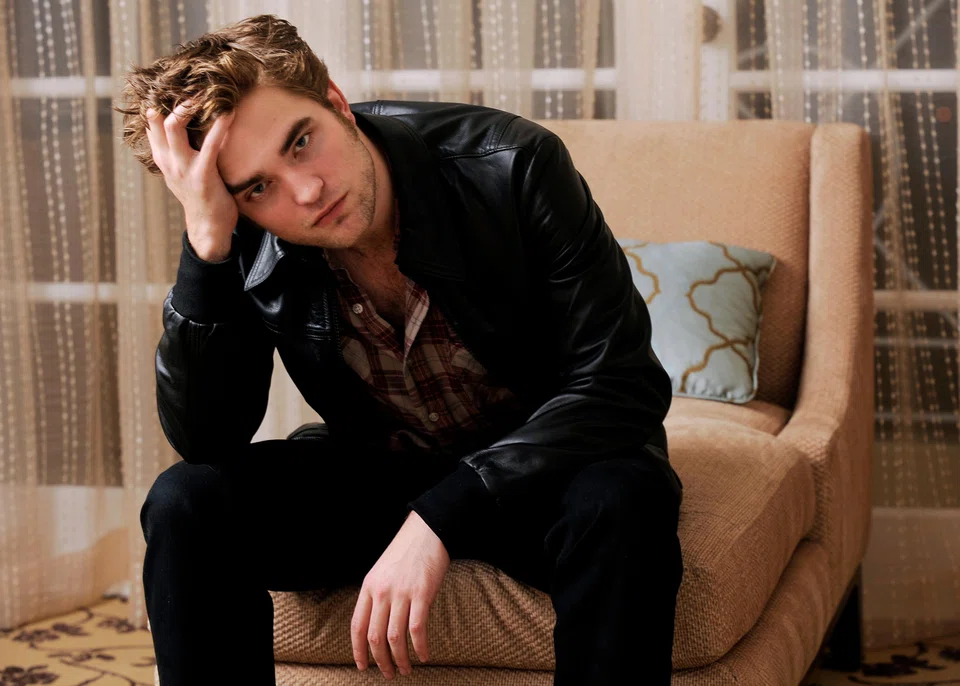
FOR more than six decades, James Bond has been a walking advertisement for luxurious living. He drives an Aston Martin, wears an Omega, drinks expensive champagne and stays in five-star hotels.
His suits are impeccably tailored, and his women are impossibly beautiful.
Which is why the announcement that Robert Pattinson will be the next Bond has caused such a stir. His online critics say he’s too “weird”, too “emo”, not “rugged” enough, not “stylish” enough, not “alpha” enough.
And perhaps they have a point – if their idea of Bond is rooted in the past.
Pattinson can look handsome in a dinner jacket. But in interviews, he often appears awkward, self-deprecating, scruffy or downright eccentric, making up funny anecdotes which he later admits are untrue.
He has spent much of his career playing psychologically troubled men in films such as Good Time, The Lighthouse and Mickey 17. And even his Batman was a miserable brooder who didn’t seem to enjoy his billions half as much as his predecessors Ben Affleck and Christian Bale.

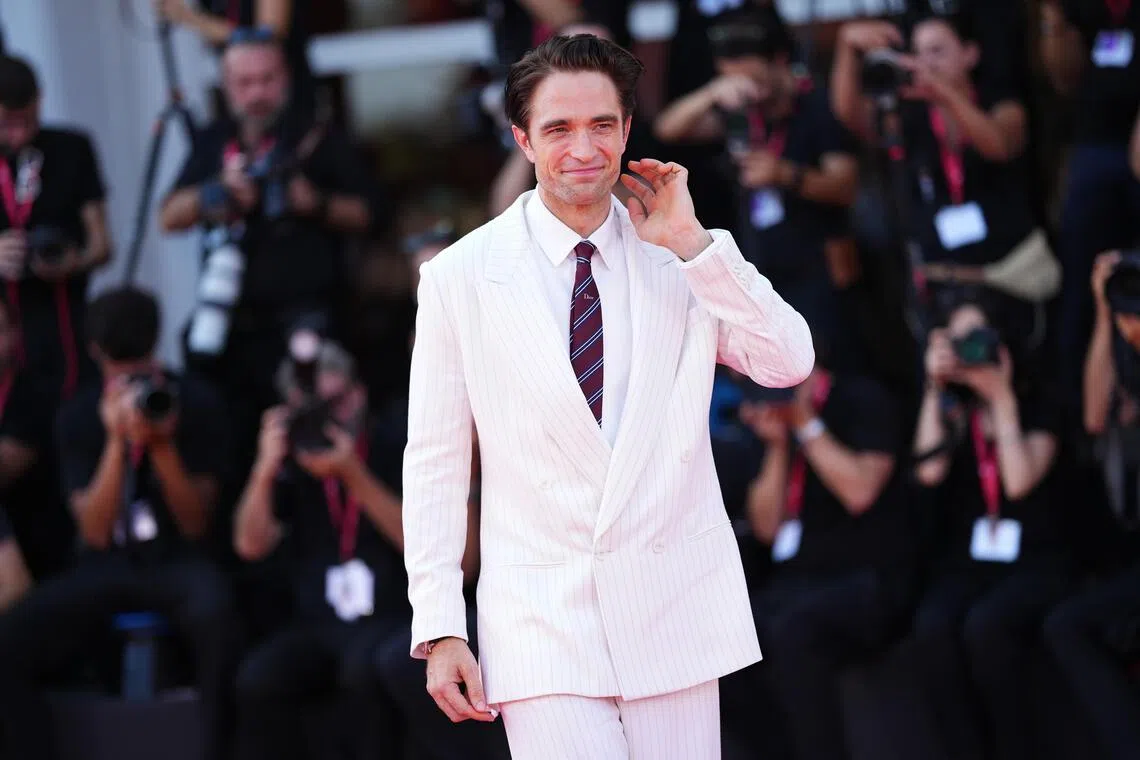
So how is such an actor supposed to sell the fantasy of the good life?
The answer may be that the fantasy of luxury itself has changed. While Bond embodies a particular image of refinement and masculinity, the meaning of luxury – as you may have noticed – is undergoing a significant transformation.
“Eccentricity” as cultural power
In a world where the good life is routinely flaunted on social media, simply being wealthy is no longer enough to make someone stand out. Instead, a distinction has emerged between being wealthy and being interesting. And for younger consumers, the latter can be just as attractive as the former.


There is evidence of this shift. According to McKinsey and The Business of Fashion’s State of Fashion 2026 report, 81 per cent of luxury customers under 35 cite design and creativity as their primary purchase driver.
Another McKinsey study this year also found that emotional connection has overtaken factors such as craftsmanship and heritage as a leading driver of luxury-brand desirability among consumers surveyed in the US and China.

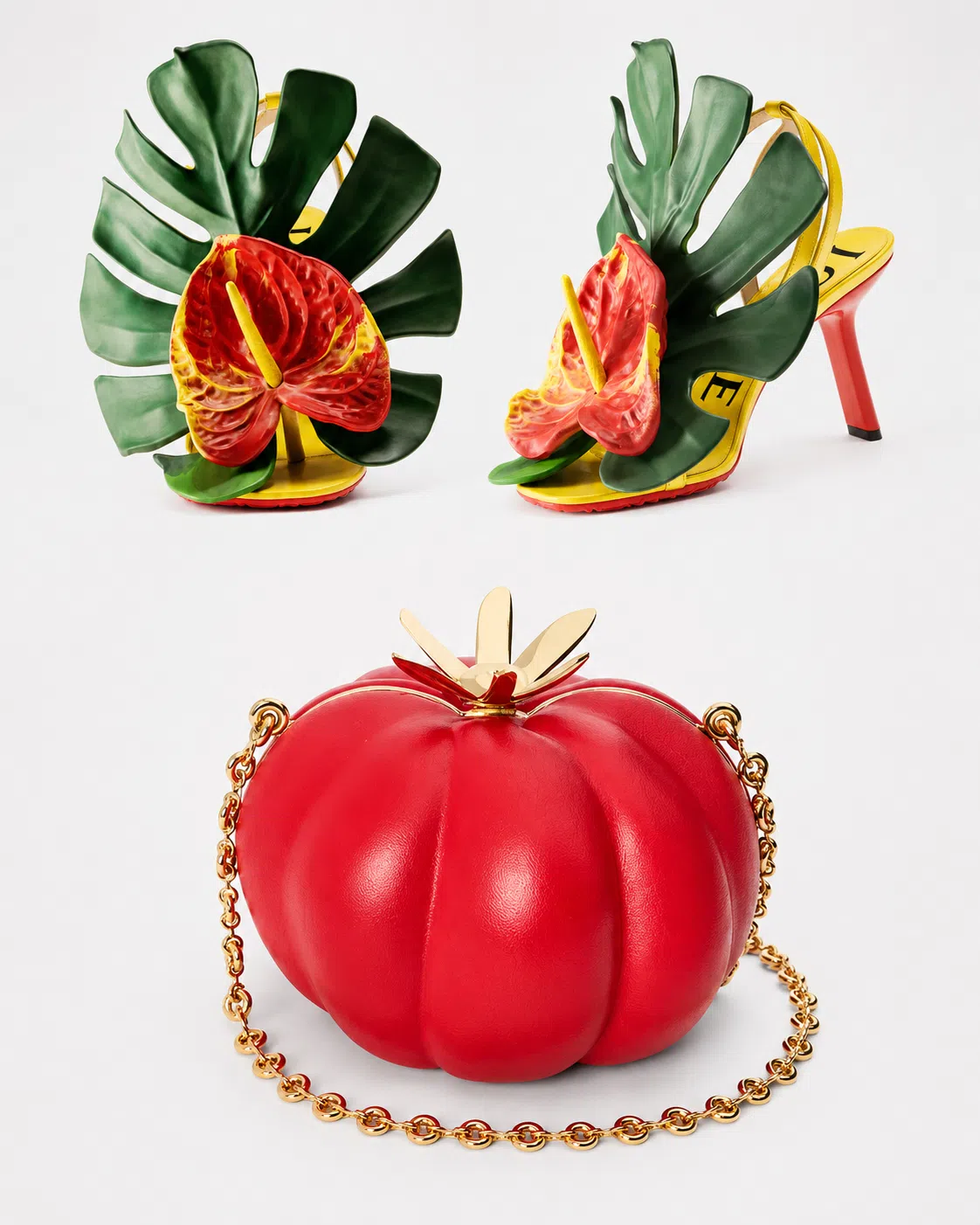
For a colourful illustration, just look at Jonathan Anderson’s meteoric rise from Loewe to Dior, and his meme-minting designs such as handbags shaped like tomatoes and pigeons, and shoes resembling balloons and flowers.
At his Dior menswear presentation in January – where Pattinson was a front-row guest – Anderson told The Guardian that he was exploring the idea of “a new aristocracy”, one that “ignores the aspect of money” and focuses instead on “their eccentricity”.
Elsewhere in the fashion world, Demna introduced a cast of strange, dysfunctional characters in his La Famiglia collection for Gucci. Prada put Scarlett Johansson in a series of surreal advertisements no one understands. Burberry asked Olivia Colman to play four eccentric Londoners.
And it’s not just the fashion houses. The famously conservative world of Swiss watchmaking has sometimes embraced whimsy – from Rolex’s multicoloured jigsaw-puzzle dial for its Day-Date to Audemars Piguet’s collaboration with Kaws on a 200,000 Swiss franc (US$238,000) tourbillon watch.
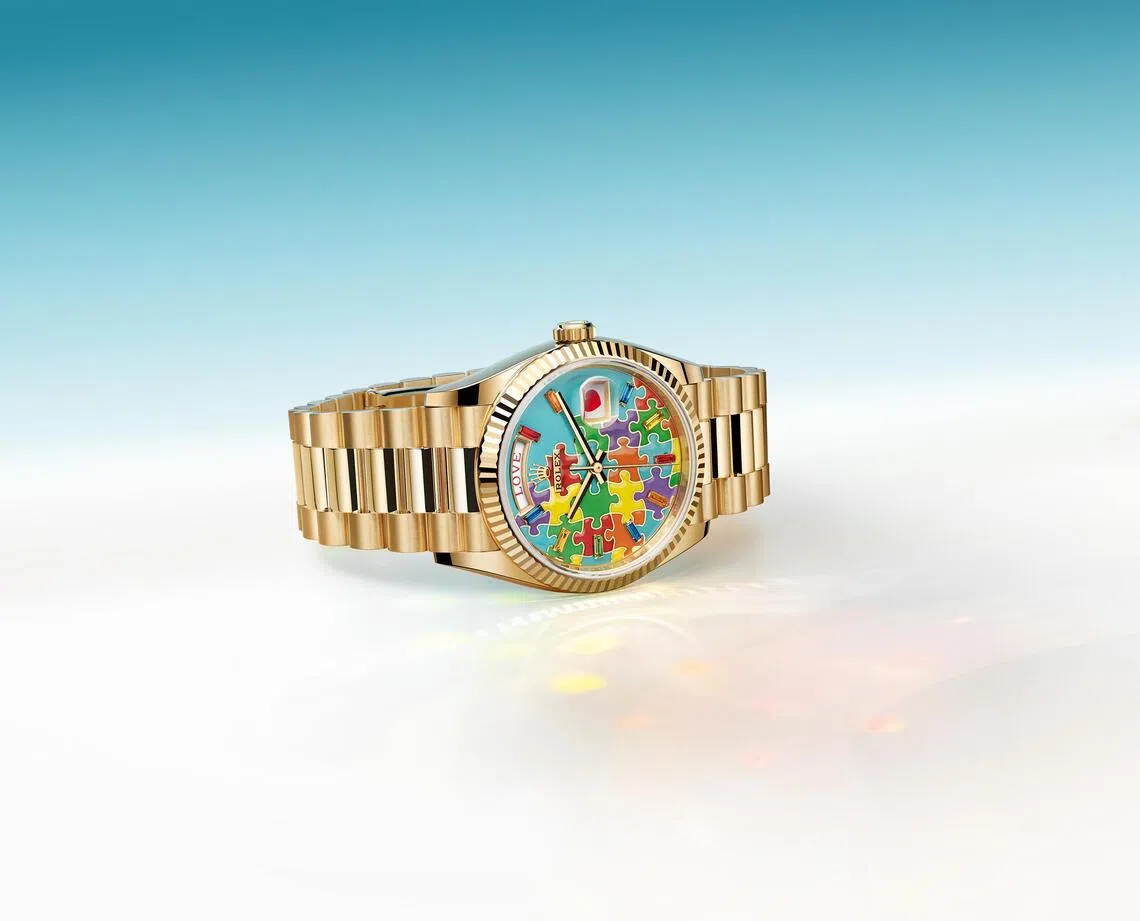
What might once have seemed too strange or frivolous for a luxury brand is now a source of fascination for young consumers drawn to the humorous, unconventional and unexpected.
An antidote to AI
Of course, eccentricity has always had a place in luxury fashion. Designers such as John Galliano, Alexander McQueen and Marc Jacobs have long understood the commercial value of humour, theatricality and irreverence.
What’s different today is the urgency with which even the most established luxury houses, including Dior and Chanel, are turning to distinctive creative voices to stand out from their competitors – more so than ever in the age of artificial intelligence.
As AI floods our screens with images of impossibly beautiful people, immaculate interiors and breathtaking holiday destinations, much of this glossy perfection is being dismissed as “AI slop”.
Against this backdrop, the unusual, imperfect and recognisably human have acquired a fresh appeal. One of fashion’s most sought-after photographers, Szilveszter Mako, turns cardboard boxes, painted paper and scraps of fabric into surreal, handcrafted worlds populated by celebrities such as Olivia Rodrigo and Sandra Bullock.
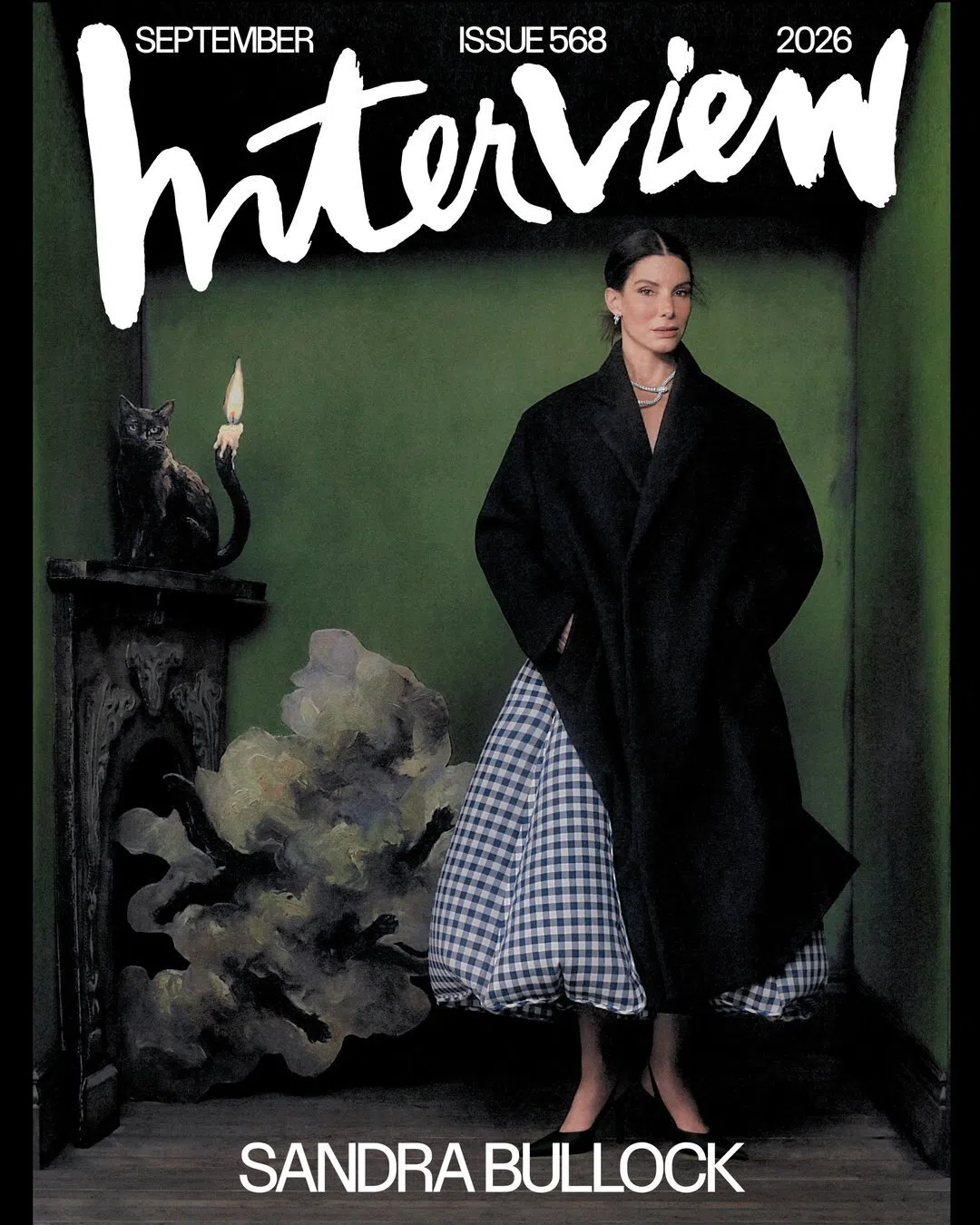
For Christmas 2026, Prada enlisted veteran Disney animator John Pomeroy to create hand-drawn cartoons. For summer 2026, Hermes commissioned French illustrator Sarah Martinon to transform its website into a whimsical world of hand-drawn illustrations.
What money can’t buy
Which brings us back to Pattinson.
Few A-list Hollywood stars have made individuality such a defining feature of their careers.
After becoming a global heart-throb through the Twilight films, he could easily have pursued a more conventional Hollywood career, playing handsome leading men in big blockbusters.
Instead, he gravitated towards unconventional film-makers and peculiar characters, often in independent films with modest budgets.

He doesn’t seem to mind looking dumb, pathetic, grotesque or unlikeable – or that his films might bomb at the box office because they’re simply too strange, as Bong Joon-ho’s Mickey 17 did.
Yet none of these choices has diminished his commercial appeal.
Pattinson has a longstanding relationship with Dior and became a global ambassador for Swiss watchmaker Jaeger-LeCoultre in September. Announcing the partnership, the watchmaker’s chief executive Jerome Lambert praised his “artistic depth, curiosity, and authenticity”.
Hours after the new Bond identity was revealed, Sotheby’s posted a video interview of Pattinson in 2022 when he guest-curated the artworks for the Contemporary Curated auction in New York.
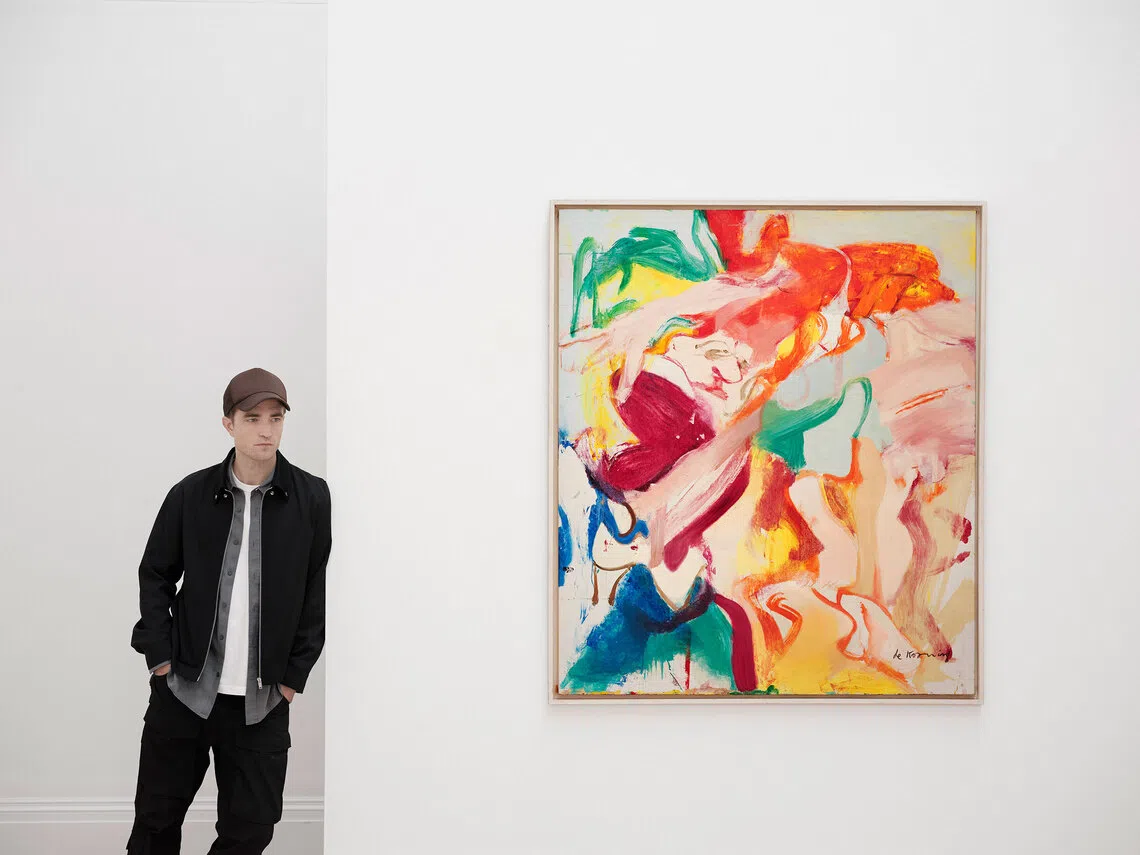
In it, he speaks knowledgeably and humorously about modern and contemporary art, as he links his previous movie characters to artists they might like, such as Francis Bacon, Cy Twombly, Marlene Dumas and Willem de Kooning.
Pattinson has a curiosity that extends beyond his profession. He represents a different kind of luxury ideal – one defined less by the expensive things he owns than by the individuality, curiosity and taste he brings to them.
And perhaps that is what makes Pattinson such an interesting choice for 007.
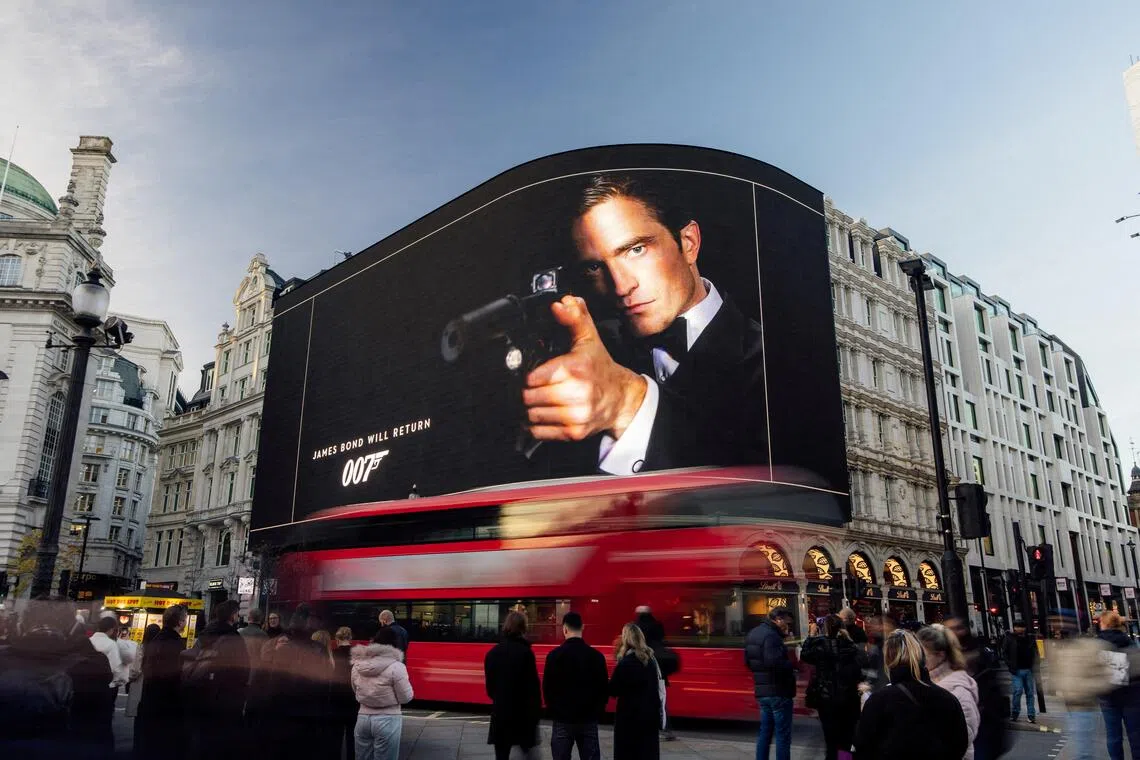
Bond, after all, is not simply a fictional spy. He is one of cinema’s most lucrative assets, supported by decades of associations with luxury cars, fine watches, fashion and travel.
And if the tastes and aspirations of luxury consumers are changing, surely the fantasy that Bond represents cannot remain entirely unchanged.
That doesn’t mean Bond will necessarily be eccentric or unconventional. Nor does it mean Bond will abandon his expensive cars, watches and suits. But perhaps the ultimate fantasy of the good life now means more than having all the money, objects and women one could wish for.
With Pattinson as Bond, 007 may now have not just a licence to kill – but also a licence to be entirely himself.
Decoding Asia newsletter: your guide to navigating Asia in a new global order. Sign up here to get Decoding Asia newsletter. Delivered to your inbox. Free.
Copyright SPH Media. All rights reserved.
TRENDING NOW

South-east Asia has lost Nvidia’s best salesman

UN says Singapore’s Penguin International broke Libya arms embargo; company disputes panel’s findings

Is Singapore still South-east Asia’s headquarters haven?

CapitaLand, Far East, Sing Holdings team up for S$1.82 billion bid for Jurong Lake District site

