

Why the nostalgia for Tamagotchis, the needy little virtual pets, won’t die
Millennials are answering the beeping call of the pocket-sized game; analogue-craving Gen Zers are, too
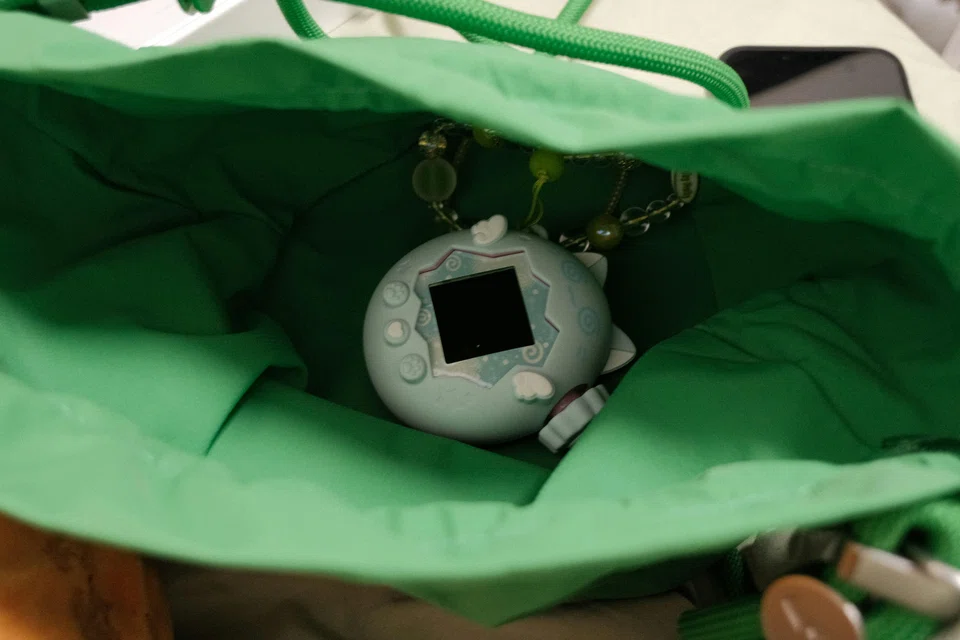
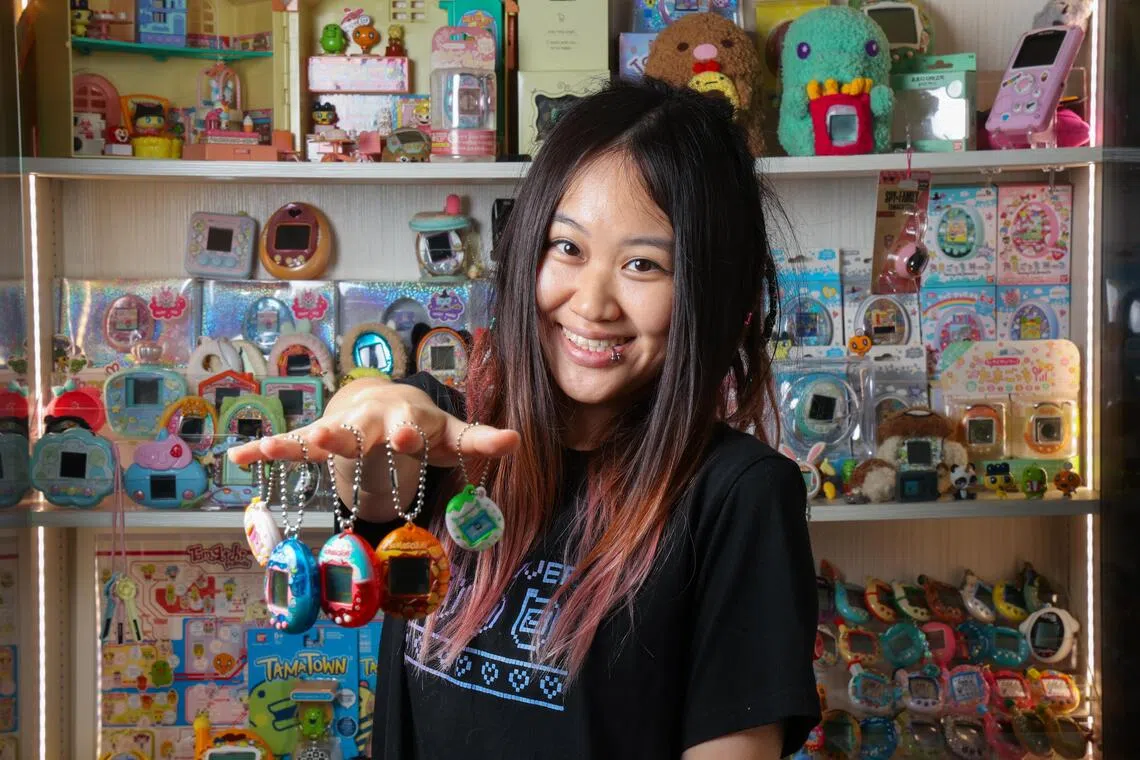
RACHEL Liew started collecting Tamagotchis in 2013, shortly after she graduated from university. Now 36, with a job in human resources, she owns more than 200 of the virtual pets.
“I love being able to be in a group of people who have the same interests as me,” said Liew, who lives in Singapore and considers herself part of Tamagotchi’s global online fan community. “I can’t get that in real life.”
When Akihiro Yokoi had the idea for the toy in the mid-1990s, he didn’t know it would be a hit. Yokoi, who owned and operated Japanese toy design studio Wiz Co, told The New York Times in 1997 that he had seen a commercial with a boy trying to take his pet turtle along on a trip.
How nice it would be, Yokoi thought, if people had portable pets.
The pocket-sized digital gadgets, which mimicked newborn chicks, required continuous care, feeding and attention and were among the first video games to be, initially, marketed primarily to girls.
The Japanese edition of the Tamagotchi instruction manual was even made to resemble the health records mothers used to track their babies’ growth, Anne Allison wrote in Millennial Monsters: Japanese Toys and the Global Imagination (2006).

More than 100 million Tamagotchis have been sold since they first appeared in Japan in 1996 – more than 33 million of those in the US, where they debuted a year later, said the toy’s maker, Bandai Namco.
That number has continued to tick upward as the addictive egg-on-a-keychain gadget has enjoyed a resurgence in popularity, particularly among millennial and Generation Z women.
TikTok creator Charli D’Amelio has been a global ambassador, and K-pop group BlackPink recently collaborated on a limited-edition version. Around 40 per cent of Tamagotchi owners are adults, according to a 2020 company survey.
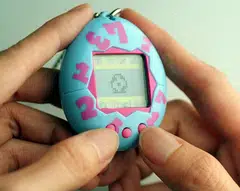


Julie Woodward, who with Sarah Serrano-Esquilin runs the NYC Tamagotchi Club, said: “Something I hear quite often from people in New York City – who, like me, often live in very small apartments – is that they like nurturing virtual pets.”
The 28-year-old, who is also a content creator, added that the club will “get together and hang out and connect our devices”.
Staying power
What is remarkable about Tamagotchi is not only its cross-cultural appeal, but also its longevity. While other virtual pets such as Neopets and Webkinz have had comebacks, Tamagotchi will not die.
In 2025, its 38th model, Tamagotchi Paradise, debuted with 51 characters across 12 species in nine languages. It still requires two AAA batteries to work.
Tamagotchis were available in dozens of countries in North America, Europe and Asia by May 1997. They proved so distracting that some schools banned them. Many mothers became de facto Tamagotchi moms, tasked with keeping their kids’ beloved pets alive while they were in class. (Tamagotchis die without proper care, but they can be reset.)
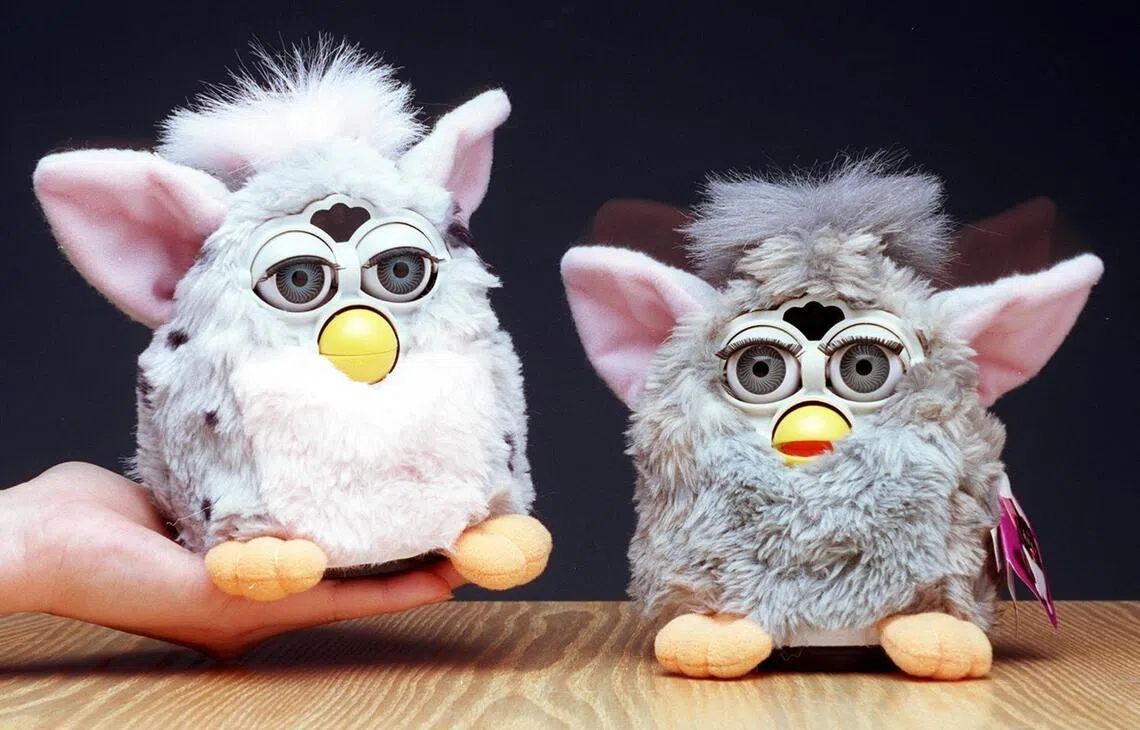
Tamagotchi would spend the next few years navigating the trend cycle and shifting consumer obsessions. By 1998, the virtual pets were already trying to fend off a fuzzy robot called Furby, and sales were cooling from the staggering 70 million worldwide orders in 1997 alone.
But Bandai rolled out a new model, Tamagotchi Connection, in 2004. It featured built-in infrared sensors that allowed owners to face off in minigames, send messages, exchange gifts and even fall in love and get married.
“It’s driven by nostalgia, but when you add on today’s technology capabilities, I think they’ll actually end up being almost more fun today than they were 30 years ago,” said Peter Fader, a marketing professor at the Wharton School of the University of Pennsylvania, who focuses on consumer behavior.
Luke Williams, 40, a graphic designer for the National Health Service in Birmingham, England, appreciates the analogue gameplay. “It helps me stay grounded and focused, not distracted by notifications popping up on my screen all day.”
Coming together
In recent years, a passionate online community has sprung up around the toys. Content creators on Instagram, TikTok and YouTube review new models, showcase massive collections and share video tutorials on painting, bedazzling and creating custom shells.
More than 60 in-person clubs have also formed, with chapters in Chile, Japan, Mexico, the Philippines, Singapore and the US.
“It’s a fun way to connect with people all over the world,” said Twoey Gray, 31, the founder of the Toronto Tamagotchi Club, which has attracted as many as 100 people to its in-person meetups.
Bandai Namco marked the toy’s anniversary in New York City with a Times Square takeover on Sunday (Nov 22). A free pop-up party with photo booths, product demonstrations and giveaways was capped by a half-hour evening takeover of digital billboards across the area.
Woodward, the NYC Tamagotchi Club organiser, said she would attend.
“I’m excited to see everyone having a real-life encounter with Tamagotchi, all at once,” she said. “That’s going to be such a cool experience.” NYTIMES
Decoding Asia newsletter: your guide to navigating Asia in a new global order. Sign up here to get Decoding Asia newsletter. Delivered to your inbox. Free.
Share with us your feedback on BT's products and services






