What’s the true cost of America’s shutdown politics?
The real-world impact of government shutdowns is often lost in the political manoeuvring
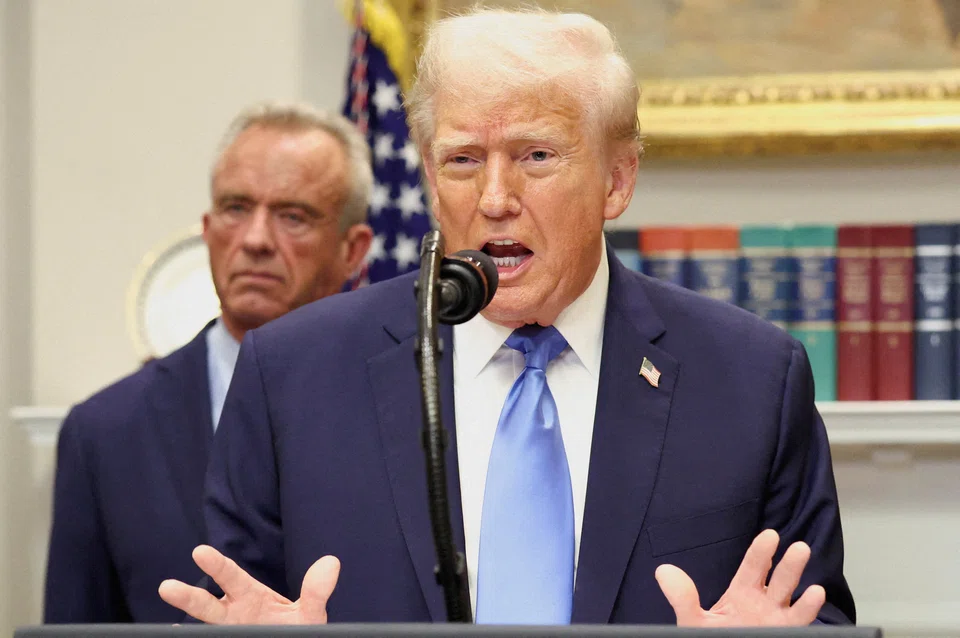
AS THE US federal government hurtles towards a potential shutdown on Oct 1, Americans once again find themselves watching a political drama that has become all too familiar.
With the Senate having rejected competing funding measures and only days remaining before the fiscal year deadline, the current impasse represents more than just another budgetary disagreement – it reflects deeper, structural problems in how the government operates.
The immediate trigger for this potential shutdown stems from Congress’ failure to pass appropriations Bills for the new fiscal year. The House passed a Republican-backed stopgap funding measure that would keep the government running through Nov 21, but the Senate has rejected both this proposal and Democratic alternatives.
The sticking point is not just about spending levels; it is about priorities, with Democrats demanding action on expiring healthcare subsidies and Republicans focusing on what they view as core funding issues.
This stand-off illustrates a troubling pattern: using the basic function of government as a bargaining chip. When Senate minority leader Chuck Schumer calls for negotiations with US President Donald Trump, and Republicans accuse Democrats of making unreasonable demands, we see the same tired playbook that has fuelled numerous shutdowns for decades.
What often gets lost in the political manoeuvring is the real-world impact of government shutdowns. Federal employees – from park rangers to food safety inspectors – face the prospect of working without pay or being furloughed entirely.
Essential services continue, but many government functions that citizens rely on daily come to a halt. Research projects are suspended, national parks close, and small businesses waiting for federal approvals or loans find themselves in limbo.
A longer funding lapse could also hamper economic growth. Bloomberg Economics estimates that a month-long shutdown could lower “quarterly gross domestic product growth by 0.4 percentage point as a rule of thumb”.
The irony is stark: While lawmakers continue to receive their pay cheques, the very people who keep the government running for the American people face financial uncertainty. This disconnect between those who create the crisis and those who suffer its consequences undermines public trust in governing institutions.
The recurring nature of these shutdown threats reveals a fundamental breakdown in America’s political system. The reliance on continuing resolutions rather than proper appropriations Bills demonstrates Congress’ inability to perform one of its most basic constitutional duties. Beyond this particular moment, it is a pattern of governing by crisis that has become normalised in Washington.
The current situation shows how partisan polarisation has made even basic government functions hostage to political calculations. When keeping the lights on becomes a high-stakes political gamble, as one recent analysis described the Democratic strategy, it is clear that something has gone seriously wrong with America’s democratic processes.
While Congress will likely find a last-minute solution – as it usually does – the deeper problem remains unaddressed. The threat of government shutdowns has become a routine tool of political leverage, creating unnecessary uncertainty and undermining effective governance. Other democracies manage to fund their governments without these recurring crises, suggesting that the US system’s dysfunction is not inevitable but chosen.
The stakes are too high, and the consequences too real, for governing by shutdown threat to remain an acceptable feature of US democracy. It is time for lawmakers to remember that their job is to govern, not to engage in political theatre at the public’s expense.