

After 30-by-30: Singapore’s regenerative food story
Our next chapter must shift from security to sovereignty, yield to healing
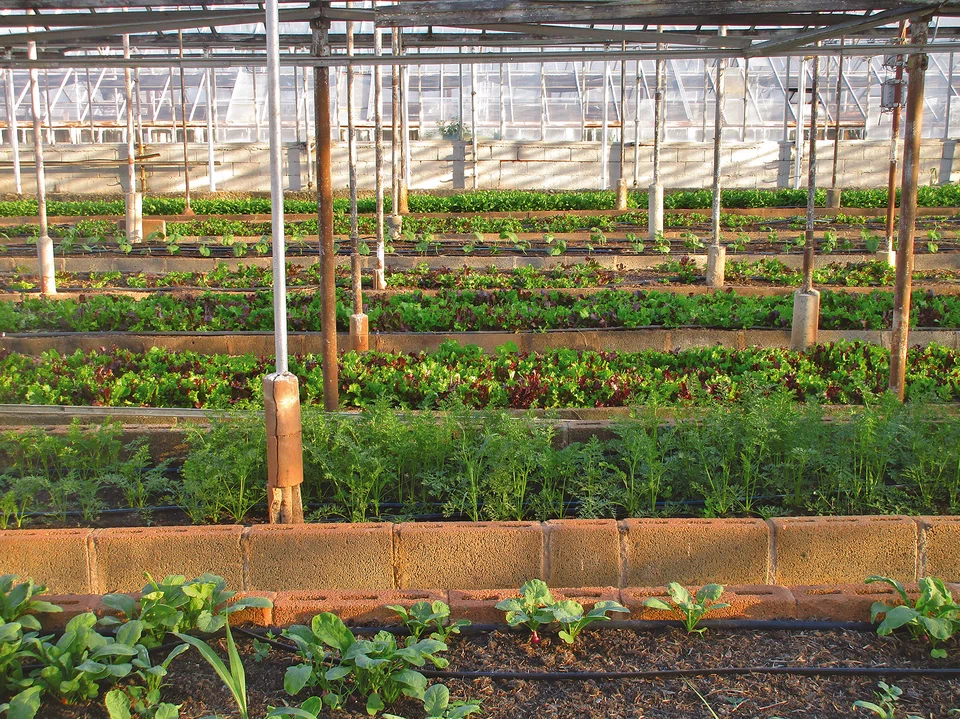
AS SINGAPORE resets its food security ambitions, the failures of high-tech farming offer valuable lessons on what truly sustains a city.
When Singapore announced in 2019 its goal to produce 30 per cent of the nation’s nutritional needs locally by 2030, it captured the imagination of many. With only 1 per cent of our land, about 720 hectares, dedicated to food production, the ambition was bold and inspired investment in new agri-technologies and vertical farming systems.
Six years on, reality has forced a rethink. At the 2025 Asia Pacific Agri Food Innovation Summit, Minister for Sustainability and the Environment Grace Fu unveiled a major revision of the strategy. The “30 by 30” goal will be replaced with more targeted objectives: 20 per cent of local fibre (such as from vegetables and mushrooms) and 30 per cent of local protein (eggs, seafood) by 2035.
This recalibration is pragmatic. It recognises both progress, such as a 50 per cent increase in egg productivity since 2019, and persistent challenges. Rising energy costs, labour shortages and farm closures have slowed growth. High-tech vertical farms that once promised to revolutionise local food production have instead revealed the limits of a purely technological approach.
The mirage of tech farming
Vertical farming once looked like the perfect answer for a land-scarce city. Stacked systems with LED lights and automated climate control promised efficiency, water savings and pesticide-free greens. However, closures of local farms such as IFFI and LivFresh underscore a hard truth: technology alone cannot overcome biology and economics.
Farming is not software. It is a biological process that demands deep ecological understanding, not just engineering precision. Controlled environment systems that promise control can, paradoxically, amplify pest and disease risks. Energy often accounts for more than half of a farm’s operating expenses, while high capital costs and multidisciplinary expertise make profitability elusive.
High-tech farming often optimises for yield and automation while neglecting the human and ecological dimensions of food production such as community participation, biodiversity and cultural connection. In doing so, it risks eroding the very resilience it seeks to build.
As these ventures falter, Singapore’s next chapter in food resilience must look beyond hardware to the networks, people and places that make food possible.
Food Story 2: Building a hybrid future
Acknowledging the earlier limitations, Singapore’s refreshed strategy, “Food Story 2”, builds on four pillars: growing local, diversifying imports, stockpiling and global partnerships. It marks an important evolution from focusing solely on self-sufficiency to designing systems that are resilient, adaptive and collaborative.
The proposed multi-tenanted agri-food facilities could lower barriers to entry by providing shared utilities and plug-and-play infrastructure. But the real opportunity lies in hybrid systems, including community-supported agriculture that integrates appropriate technology with regenerative design and circular resource flows.
Many Singaporeans are already taking ownership of their food supply. Whether driven by harvest or hobby, they are growing vegetables along HDB corridors, balconies and allotment plots. Instead of just creating new infrastructure, we could develop community-driven food systems that activate existing green spaces and strengthen local participation.
Regenerative food systems
To move forward, we must expand our definition of success beyond kilogrammes and yield percentages. Emerging frameworks such as the Urban Food Sovereignty Index and Landscape Nutrition Index call for measuring not just output, but also factors like equity, inclusion, environmental impact and community well-being.
Across Singapore, edible community gardens, allotment plots, care farms and rooftop food forests already show that small-scale, community-based models can be both productive and restorative. These spaces double as hubs for social connection, elderly wellness and youth engagement, producing food while cultivating care.
Singapore’s goal of greening 2,000 hectares of rooftops and vertical spaces offers a powerful opportunity to reimagine them as productive, edible and biodiverse landscapes.
These areas, which currently serve aesthetic or climate-mitigation functions, could be transformed into food forests through farming methods like agroforestry and syntropic agriculture. Such approaches integrate trees and crops to enrich biodiversity, drawing inspiration from natural forest ecosystems.
By using diverse native, nutrient-dense food plants that also match ornamental standards, we can turn maintenance-heavy rooftops into regenerative assets that nourish both people and ecosystems.
From food security to food sovereignty
Fu noted that strengthening food supply resilience “calls for us to learn from experience, to innovate and to take collective action”. This is precisely what is needed: a shift from a security-driven mindset to one of sovereignty and stewardship.
Our next chapter in food resilience is not just about chasing yield, but about producing food in a way that heals the social and ecological systems that sustain us.
If Singapore’s Water Story was built on engineering ingenuity, its Food Story must be built on ecological imagination that empowers every citizen to be a steward of nourishment.
Just as we transformed scarcity into strength through water innovation, we can now lead the world through a Food Story rooted in care, creativity and collective action.
The writer is an urban farmer, social entrepreneur and advocate for sustainable food systems. He is co-founder of Edible Garden City in Singapore, an Ashoka Fellow and lecturer at the department of architecture, National University of Singapore
TRENDING NOW
China Investment Corp, PGIM’s 50% stake in Nex mall up for sale; asking about S$1.2 billion

Higher rates, weaker spending: Is the Philippines entering stagflation?

Singapore tech stocks plunge as Nasdaq bloodbath spills into region
OCBC wealth clients turn defensive amid market volatility as Q3 profit rises 3%

