

The art of no deal: Why the US-Iran stalemate may be structural
Both sides say they want an agreement, and neither is creating the conditions for one
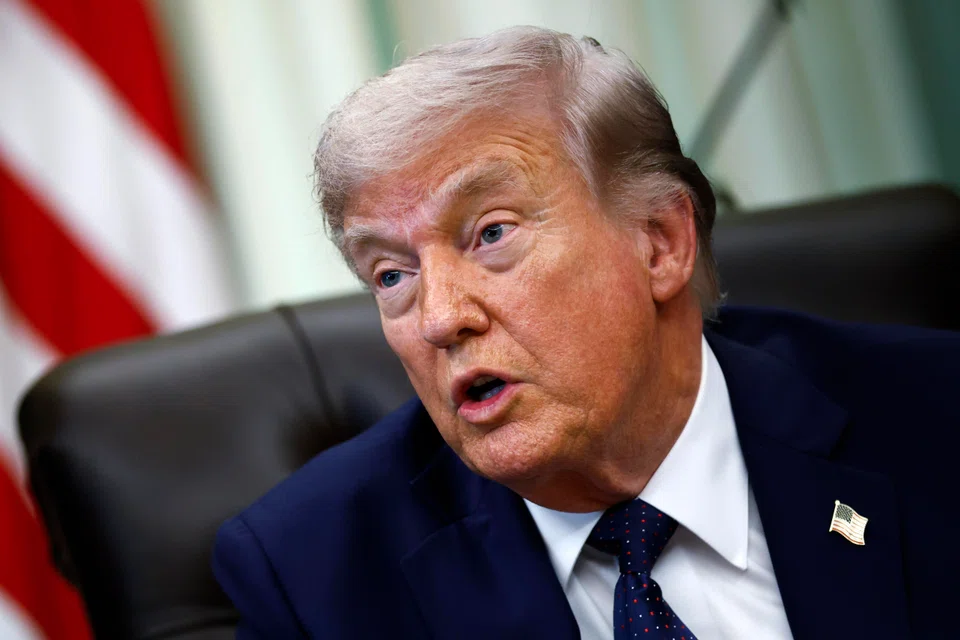
NEARLY two months have passed since US and Israeli strikes shook Teheran and killed Iran’s Supreme Leader Ali Khamenei.
The war that was supposed to end in decisive victory has instead settled into a grinding diplomatic stalemate, one that exposes fundamental contradictions on both sides.
The first round of talks in Islamabad on Apr 11 ended without a breakthrough.
A fragile ceasefire, which US President Donald Trump extended without setting a firm deadline, is holding, but barely.
Iran has blamed Washington’s “breach of commitments, blockade and threats” for stalling negotiations, while the US continues to enforce a massive naval operation that Teheran considers a stranglehold rather than a negotiating tool.
The result is a paradox familiar to anyone who has watched modern conflict diplomacy – both sides say they want a deal, and neither is creating the conditions for one.
The core problem is the enormous gap between what each side is willing to accept.
The US position has been “zero enrichment”, a demand Iran has consistently rejected.
Abbas Araghchi, Iran’s foreign minister, said a deal was “just inches away,” but criticised “maximalist demands” from US negotiators.
That is a telling pair of statements – close enough to see the finish line, but miles apart on the terms to get there.
Compounding matters is a profound uncertainty about who, exactly, speaks for Iran.
US officials have suspected a significant divide between Iran’s negotiating team and the country’s military leaders in the Islamic Revolutionary Guard Corps, raising questions about who can ultimately sign off on a deal.
The situation is made murkier by Iran’s new supreme leader.
US officials believe Mojtaba Khamenei’s efforts to remain hidden have disrupted internal Iranian government discussions, leaving negotiators potentially guessing about his wants rather than executing a clear mandate.
A negotiating partner who cannot make binding commitments is no partner at all.
On the American side, the contradictions are equally glaring.
Trump has oscillated between declaring total victory, claiming on Mar 9 that “the war is very complete, pretty much” even as Iran continued missile strikes, and threatening to bomb Iran “back to the Stone Age”.
On Mar 6, he wrote that only Iran’s “unconditional surrender” would be acceptable, yet weeks later called Iran’s 10-point peace proposal a “workable basis on which to negotiate”.
This rhetorical whiplash may play well domestically, but it makes coherent diplomacy nearly impossible.
The unresolved question of the Strait of Hormuz is also there. Its reopening is a major issue in the Pakistan-mediated talks, and both sides have weaponised the choke point.
The US is using its naval blockade to squeeze Iran economically; Iran is using the strait’s closure to squeeze the global economy and maintain leverage.
Neither side wants to blink first.
Analyst Ali Vaez of the International Crisis Group said the key hurdle is “whether the US is willing to ease pressure enough to make diplomacy credible, and whether Iran is willing to curb its leverage enough to keep talks alive”.
Pakistan, to its credit, has been an earnest and energetic mediator. But even Islamabad cannot bridge a gap this wide through goodwill alone.
For meaningful progress, “there needs to be compromises on both sides, because at the moment there is too much of a gap”, one analyst told Al Jazeera.
That is diplomatic understatement at its finest.
What we are witnessing may not be a negotiation in any conventional sense. It may be two parties managing the optics of diplomacy, while each waits for the other to collapse internally.
The US is betting that economic pressure and military devastation will fracture the new Iranian leadership. Iran is betting that time, the strait closure and regional entanglements will erode American resolve.
History suggests both bets carry enormous risk, and that when wars are settled this way, the human cost continues mounting while the cameras are focused on the negotiating table.
The tragedy of the current stalemate is not that peace is impossible. It is that the structure of incentives on both sides makes compromise feel more dangerous than continued conflict.
Until that changes, the ceasefire will remain fragile, the talks will remain performative, and the war’s final chapter will be written not in Islamabad, but on the battlefield.
TRENDING NOW

Once staunchly pro-China, Malaysian Chinese businesses are now distancing themselves from Beijing

Cliff Tan has 7 million followers and a 4-month waitlist. Why won’t he expand his business?

Could stablecoins be the future of money?

Grab CEO’s wife Chloe Tong on life with Anthony Tan and finding her purpose

