

Executive condo prices may be dampened by new measures, but don’t expect a sharp fall
Strengthening the housing system helps boost social cohesion
 Add BT as a preferred source
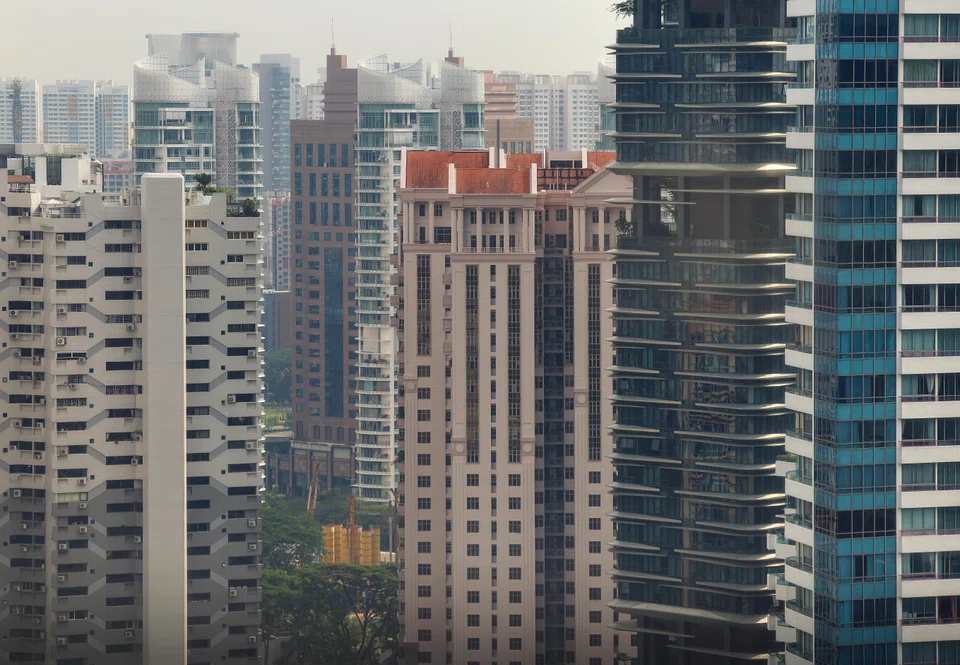
[SINGAPORE] Prices of new executive condominiums (ECs) have risen sharply of late. Now, potential new buyers may have some reprieve as the latest changes to the EC scheme, which will apply to all EC government land sale sites with tender closing dates from Friday (May 8), could help lower new prices.
Among the changes, buyers of new ECs will need to fulfil a minimum occupation period (MOP) of 10 years instead of five years before they can rent out their whole unit, purchase another home or sell their EC unit to Singapore citizens and permanent residents. After the 15th year, EC owners can sell their unit to any buyer.
Applying a longer MOP will dampen demand for new ECs. Some potential buyers may focus on new condos instead of new ECs as condo buyers are not subject to MOP.
Meanwhile, some potential EC buyers who meet the eligibility criteria to buy a Housing & Development Board (HDB) Build-To-Order (BTO) flat may focus on getting that instead.
BTO flats are sold at subsidised prices. The MOP for a Standard BTO project is five years while that for Plus and Prime projects, which are in choicer and choicest locations, respectively, is 10 years.
Another change that will dampen demand for new EC units is the prohibiting of developers from offering the deferred payment scheme (DPS) for uncompleted projects. The normal payment scheme where progressive payments are made based on construction milestones will apply to all EC buyers.
DPS is popular with new EC buyers, including second-timers who are upgrading from an HDB home. Under the DPS, buyers pay 20 per cent of the purchase price upfront, with the remaining 80 per cent paid when the project obtains its temporary occupation permit.
Expect some potential buyers to be more cautious in committing to purchasing an uncompleted EC unit because the option to pay 80 per cent of the unit’s price about three years later when the unit is completed will no longer exist.
Indeed, one cannot have the advantage of using DPS when buying an uncompleted EC unit instead of an uncompleted condo home any more.

Impact on developers
Certainly, some developers may gripe about how the new measures crimp new EC demand.
Developers are also hit by the increase in priority given to first-time buyers in new EC projects. Instead of having to reserve 70 per cent of units for first-timers in the first month after the launch of a new EC development, developers will have to reserve 90 per cent of units and the priority period will be two years.
With the above changes, developers cannot sell out and de-risk an EC project as quickly as before.
For one, if the take-up by first-timers is significantly below the quota reserved for them, a developer will have to wait much longer before it is able to sell the said unsold stock to all eligible buyers, including second-timers.
Still, developers should have little to complain as the changes to the EC scheme do not apply to sites bought before Friday. In short, developers at upcoming state tenders for EC sites can calibrate their bids to incorporate the latest changes to the EC scheme.
Arguably, developers with sites bought before Friday who are yet to launch their projects could receive an unexpected windfall from the latest scheme changes.
Expect potential buyers to make a beeline for upcoming EC projects where they can still buy a new home with a five-year MOP and use the DPS.
New EC affordability
For sure, some moderation in new EC prices due to the new measures should largely be welcomed.
Built and sold by developers, with design features and facilities similar to condos, ECs, which are priced at around 20 to 30 per cent lower than condos, were introduced to provide a more affordable option for Singaporeans who aspire to own private housing.
Various criteria govern the eligibility to buy an EC unit from a developer, including the monthly household income ceiling of S$16,000.
Take a local couple whose monthly income is S$16,000 or S$192,000 per annum. The couple cannot buy an HDB BTO flat as they bust the monthly household income ceiling of S$14,000 to be eligible to buy a home directly from HDB.
The said couple might find affordability of a new EC home problematic. Assuming a selling price per square foot of S$1,800, a new EC unit of 960 square feet costs S$1.73 million, or nine times the annual income of S$192,000.
The changes to the EC scheme rolled out by the Ministry of National Development aim to further support first-time homebuyers.
A young couple earning S$16,000 a month buying their first home, who do not have access to additional liquidity, say from parental financial assistance or gains from financial investments, will benefit should new EC homes become more affordable due to the changes to the EC scheme.
Still, do not expect the changes to drive a sharp fall in new EC prices.
For first-time homebuyers who are buoyed by additional liquidity, buying a new EC home with a 10-year MOP can still make plenty of sense as this is a cost-effective route to achieving condo ownership. This is especially as developers put much effort into building high-quality developments.
For second-timers eyeing a new EC unit, such as people upgrading from an HDB home, the cost-effectiveness of getting into condo ownership through the EC route is equally compelling. This is especially so given escalating new condo prices.
Moreover, even with first-timers receiving more priority, second-timers can still have ample opportunities to snare new EC units, particularly if first-timers do not take up the share of units which developers have to set aside for them.
Add to the above, the pool of potential new EC buyers could grow should the household income ceiling applicable to such buyers rise in the near future.
Singapore’s housing system works. Buyers have a range of choices. Still, what works can be improved. The latest changes to the EC scheme help strengthen the housing system, which is a key pillar of social cohesion.
Decoding Asia newsletter: your guide to navigating Asia in a new global order. Sign up here to get Decoding Asia newsletter. Delivered to your inbox. Free.
Copyright SPH Media. All rights reserved.
TRENDING NOW

Asia-Pacific aviation: is up really the only way?

Russia’s ‘pivot to Asia’ takes a turn as it prioritises ties with isolated regimes over bigger economies

Why disciplined stewardship matters when managing wealth in uncertain markets
More than 15,000 sign up for national accounting body’s AI programme in two months

