Digital US stocks are coming – be worried
There are few benefits and many risks in tokenising equities
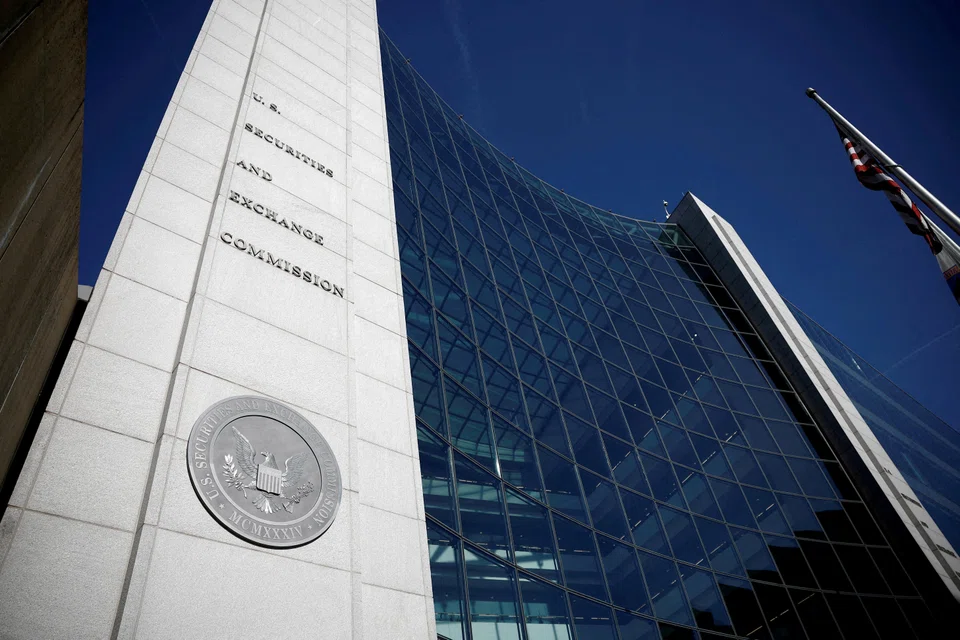
THE accelerating drive to turn listed company stocks into digital tokens risks introducing crypto-like dangers into the US equity market with few benefits.
The potential drawbacks include money laundering, insider trading and even theft – as the recent US$6.3 billion Binance hack showed. The only winners would be trading platforms hunting for extra income.
The Securities and Exchange Commission (SEC) ploughed ahead with efforts to promote tokenised securities – digital entries of rights or ownership in shares, recorded on a blockchain or distributed ledger – in September, suspending many rules and investor protections for firms trying to develop the market.
Overseas exchanges already allow a version of the product, offering digitised US stocks that are typically derivatives designed to track a company’s market value without corresponding rights to dividends or voting rights.
By contrast, the US versions will be matched one-for-one with a share held in custody. The point, such as it exists, is to make 24/7 trading and instant settlement easier.
But if US investors and institutions want extended trading hours and faster processing, that can happen without involving the blockchain.
At the very least, America’s watchdogs need to make their guidelines around this initiative much more robust; otherwise, investors, companies and law enforcement could all suffer.
The right to object
The first big effort seems to be floundering for now. Under the SEC order, crypto platforms must give companies 30 days to object to having their shares turned into tokens.
Many have already said “no” to a new US-based joint venture between crypto firm Okx and Intercontinental Exchange, which runs commodity and futures markets.
In October, this new exchange, OKXICE, listed 63 US companies that it planned to tokenise.
Fifty firms have objected, including several that were not on the original list. The dissenters include tech companies such as Alphabet and Nvidia, banks including JPMorgan Chase and consumer names such as Nike and Coca-Cola, OKXICE said.
The firms yet to object include several listed crypto businesses and Elon Musk’s companies SpaceX and Tesla, alongside Home Depot and Boeing.
It is not clear how many days these companies have left to decide, or what happens if they simply missed the request. Okx did not answer my questions about this, or other aspects of its business.
Random missives from unknown trading venues to general corporate addresses are rarely treated with urgency. A much more robust process with a longer notice period is an immediate industry request, so that listed companies do not get taken by surprise.
Better still would be requiring direct approvals – rather than an absence of objections – from the companies concerned.
The issues around notice and consent are on a long list of worries identified by the traditional finance industry.
In October, the Securities Industry and Financial Markets Association (Sifma), a lobby group, sent a letter with seven pages of questions to the SEC about how this new field would operate, covering topics including ownership and governance issues, illicit finance and liquidity.
The risk of illicit traders
There is a risk that trading activity gets divided between traditional cash markets and a string of unconnected tokenised securities venues (as these platforms are to be called).
That could make trading more costly and lead to price discrepancies between normal exchanges and their crypto equivalents.
There are also questions about whether tokenised stocks can leave a trading venue and be bought and sold between individuals, as many other crypto products can.
If so, what is to stop them falling into the hands of criminals, sanctioned regimes or unscrupulous corporate raiders? Imagine North Korea accumulating a digital stake in a strategic US company, for example.
Even if they can only be traded on a platform such as OKXICE, will surveillance be strong enough to spot manipulative or insider trading?
Okx says in its public notices that it will monitor activity on its exchange, but it has no apparent history or expertise in doing that for stocks.
Ultimately, the same paradox exists here that I think most crypto assets exhibit: If these markets are centralised and sufficiently knitted into the existing rules and protections to make them popular, many of the reasons for going digital disappear.
The Senate has already voted down the Clarity Act, a Bill that would have covered a host of crypto products, prompting the SEC to grant a so-called innovation exemption to fast-track market development.
Sifma and others are right to demand further details before tokenisation is introduced in the US. Traditional companies and investors need to be alive to the risks of shifting yet more financial trading to the blockchain. BLOOMBERG