

Hedging or realigning: mapping the West’s China policy since Trump 2.0
The West is not breaking – it is modularising
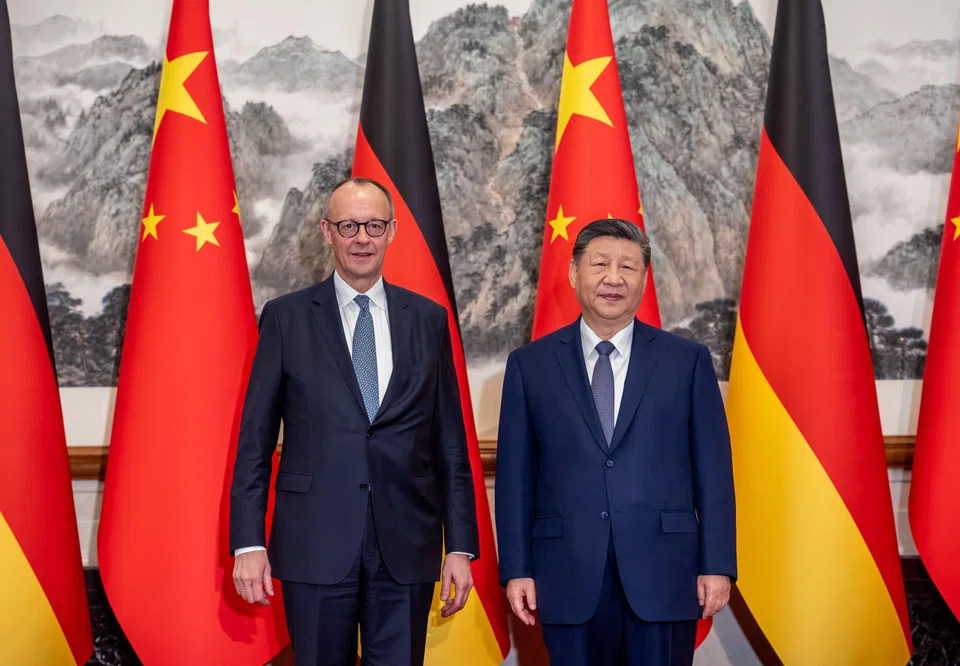
LAST week, German Chancellor Friedrich Merz visited China with a business delegation – his first since taking office. He becomes the latest in a growing line of Western leaders returning to Beijing. From London to Ottawa, Paris to Seoul, the optics draw media attention. America’s alliance system appears to be fraying, and the West seems to be pivoting towards China.
Yet, such headlines prove too neat. What we are witnessing is not defection, but risk management. It is tactical, selective and modular. The wave of China visits and Canadian Prime Minister Mark Carney’s message at Davos about middle-power autonomy reflect tactical diversification under a more transactional US. They do not indicate a structural unravelling of American-led alliances.
Instead of the West versus China, the real story concerns how middle powers, especially a distinct group of hedgers, are widening their economic options under Trump-era volatility while keeping their security anchoring intact.
TRENDING NOW

DBS, OCBC, UOB rout lops billions off STI as inflation, rate concerns spook investors

Grab CEO’s wife Chloe Tong on life with Anthony Tan and finding her purpose

OCBC sheds S$8 billion in value as shares close nearly 6% down; analysts cautious on banks

Deal between tycoon friends sparks scrutiny of Philippine power sector

