

India on Iran war: the costs of sitting still
New Delhi’s calculated neutrality has ignited a debate over the limits of its foreign policy
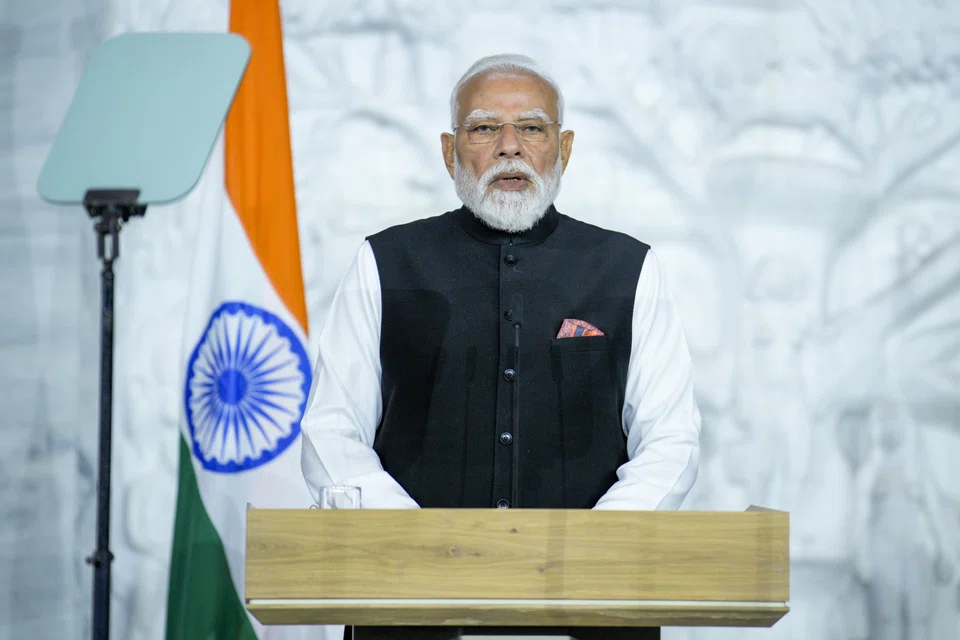
On MAY 11, Indian Prime Minister Narendra Modi did something unusual. He asked Indians to drive less, work from home when possible, and ease off on gold purchases.
The country’s strategic petroleum reserves were under strain; fuel prices had ticked up and the rupee was wobbling. None of it was supposed to happen this way. India was meant to be a rising power navigating the world on its own terms, not a country rationing energy because of someone else’s war.
The war in question began on Feb 28, when the US and Israel launched joint air strikes on Iran, killing Supreme Leader Ali Khamenei and triggering a regional conflagration that has since drawn in Lebanon, Bahrain, Qatar, the United Arab Emirates, Saudi Arabia and points beyond.
TRENDING NOW

ComfortDelGro appoints two new independent directors

Once staunchly pro-China, Malaysian Chinese businesses are now distancing themselves from Beijing

NoonTalk needs continued financial support from CEO Dasmond Koh, auditors warn

DP Architects sets the benchmark for sustainability disclosure and design

