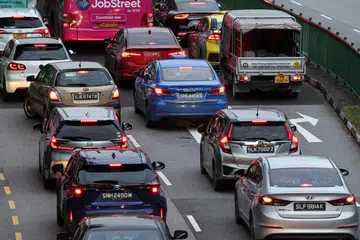
India hikes fuel prices for the first time in four years amid Iran war crude spike
The move follows a cut in fuel taxes in March that gave refiners some relief, but will not offset losses
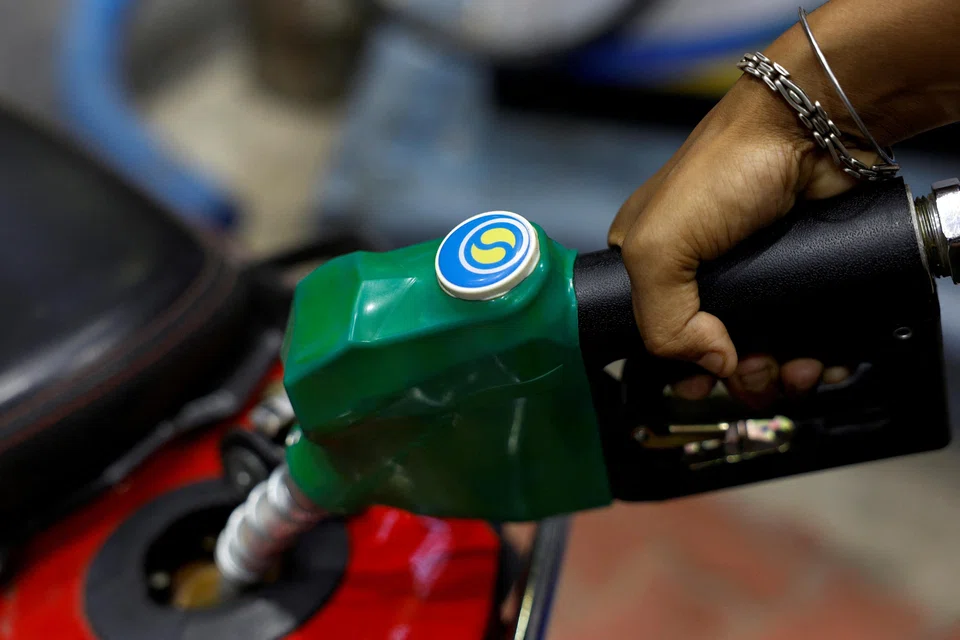
[NEW DELHI] India’s state-run refiners have raised fuel prices for the first time in four years, as New Delhi yields to crude prices pushed higher by Iran war, and to the resulting financial pressures battering its processors.
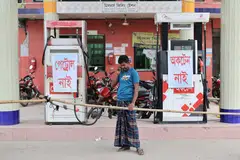
Diesel and petrol prices rose by over 3 per cent – a modest increase in the context of an almost 50 per cent increase in Brent crude since the conflict began. Diesel will cost 90.67 rupees a litre, petrol will be priced at 97.77 rupees a litre in New Delhi. Prices are now the highest since May 2022.
India is the world’s third-largest oil importer, heavily dependant on global markets and energy flowing out of the Persian Gulf. In a crisis, the government typically prioritises the protection of its 1.4 billion, price-sensitive consumers and containing inflation – but Friday’s (May 15) increase suggests it is begin to restore a balance as fiscal and market pressures grow.
The increase still falls short of expectations for the country’s largest state names – Indian Oil, Bharat Petroleum, Hindustan Petroleum – which have been losing 10 billion rupees (S$133.3 million) daily on fuel sales. Fuel retailers will still face a gap of 15 to 20 rupees per liter on fuel sales, said Radhika Piplani, economist at Motilal Oswal Financial Services.
Shares of the refining giants fell in early trading in Mumbai on Friday. Hindustan Petroleum declined as much as 2.9 per cent, while Bharat Petroleum and Indian Oil traded more than 1 per cent lower.
On the private side, petrol is sold at Shell fuel stations at over 110 rupees and diesel at nearly 120 rupees.
'%3e%3cpath%20d='M12.1475%2025.5262C13.7713%2025.4295%2014.94%2023.913%2014.94%2021.8832C14.94%2019.5359%2013.474%2018.093%2011.5917%2018.093C11.3745%2018.093%2010.9582%2018.093%2010.8393%2018.1413V25.2086L11.8891%2025.5745C11.8891%2025.5745%2012.207%2025.5262%2012.1475%2025.5262ZM11.4934%2017.6281C13.2567%2017.6281%2014.3843%2016.4292%2014.3843%2014.4501C14.3843%2012.372%2013.275%2011.2973%2011.4339%2011.2973H10.8393V17.6305H11.4934V17.6281ZM6.66078%2025.6482L7.39265%2025.5492C8.02617%2025.4502%208.26403%2025.3053%208.26403%2025.1097V11.6149C8.26403%2011.4193%208.1451%2011.3709%207.23484%2011.249L6.68137%2011.173L6.6219%2010.7588H11.9508C15.7153%2010.7588%2017.0624%2012.0797%2017.0624%2014.1578C17.0624%2015.9666%2015.7748%2017.1909%2013.4969%2017.6305V17.7041C16.111%2017.948%2017.6571%2019.5382%2017.6571%2021.7636C17.6571%2024.3318%2015.8937%2026.0417%2012.1109%2026.0417H6.60132L6.66078%2025.6482Z'%20fill='%232B2B2B'/%3e%3cpath%20d='M20.6287%2025.6505L21.5596%2025.5515C22.1725%2025.4779%2022.4104%2025.3076%2022.4104%2025.112V11.249H21.9346C20.073%2011.3479%2018.982%2013.0095%2018.408%2014.6227L18.1907%2015.5018H17.6555L18.1701%2010.7588H29.3837L29.6421%2015.4787H29.1664L28.9491%2014.6227C28.3728%2012.8645%2027.3047%2011.2743%2025.5002%2011.249H24.9856V25.1856C24.9856%2025.3812%2025.1251%2025.4548%2025.9965%2025.5515L26.7695%2025.6505L26.829%2026.0417H20.5693L20.6287%2025.6505Z'%20fill='%232B2B2B'/%3e%3c/g%3e%3cdefs%3e%3cclipPath%20id='clip0_5242_21648'%3e%3crect%20width='24'%20height='16.8'%20fill='white'%20transform='translate(6%2010)'/%3e%3c/clipPath%3e%3c/defs%3e%3c/svg%3e)
State fuel retailers in India control 90 per cent of the countries’ outlets, and are on paper free to set rates. Yet government is a majority shareholder and has kept pump prices frozen since March 2024.
Diesel accounts for about 40 per cent of India’s total fuel sales, while petrol’s share is more than 17 per cent. Retail rates vary from state to state due to the local value added tax.
Friday’s move follows a cut in fuel taxes in March that gave refiners some relief, but will not offset losses. Integrated refiners need world prices closer to US$80-US$85 a barrel to break even, according to Macquarie Research. Brent was trading on Friday at US$107 per barrel.
A modest increase of just three rupees a litre is partly about containing inflation, already a major concern with a weak rupee and oil above US$100 a barrel. The country’s balance of payments may stay in deficit for a third straight year, economists estimate.
It may also be about beginning to prepare the ground for subsequent, and more significant increases – a pattern frequently seen in India.
“The hikes are not enough but could be the start of multiple staggered hikes,” Madhavi Arora, economist at Emkay Financial Services, said. “Still, we believe five rupees per liter could have been a good level to start with,” she said, adding that oil marketing companies may still face volatility.
The market had been anticipating a hike in diesel and petrol prices after the conclusion of regional elections at the end of last month – a fear that stoked buying and led to fuel outlets in some states running dry, even after Prime Minister Narendra Modi appealed to citizens to cut back consumption. BLOOMBERG
Decoding Asia newsletter: your guide to navigating Asia in a new global order. Sign up here to get Decoding Asia newsletter. Delivered to your inbox. Free.
Share with us your feedback on BT's products and services