

Investors need to brace for a higher-rate world
The macro forces exerting upward pressure on bond yields are unlikely to let up

[SINGAPORE] US Treasuries are supposed to be the safest among sovereign bonds. The 10-year Treasury note is widely used as the risk-free benchmark by which the risk of all other assets are measured.
But in the light of the recent rise in yields, investors may well feel the bonds are more volatile and risky than they’ve bargained for.
Bonds are typically seen as the conservative allocation in portfolios, a stabiliser against equity volatility. But in the past few weeks, Treasury yields have climbed, roiled by the ongoing Iran war, higher oil prices and uncertainty over whether the US Federal Reserve is behind the curve in getting inflation under control.
To recap, the 30-year Treasuries peaked at 5.37 per cent and the 10-year at 5.04 per cent in September, both two-decade highs.
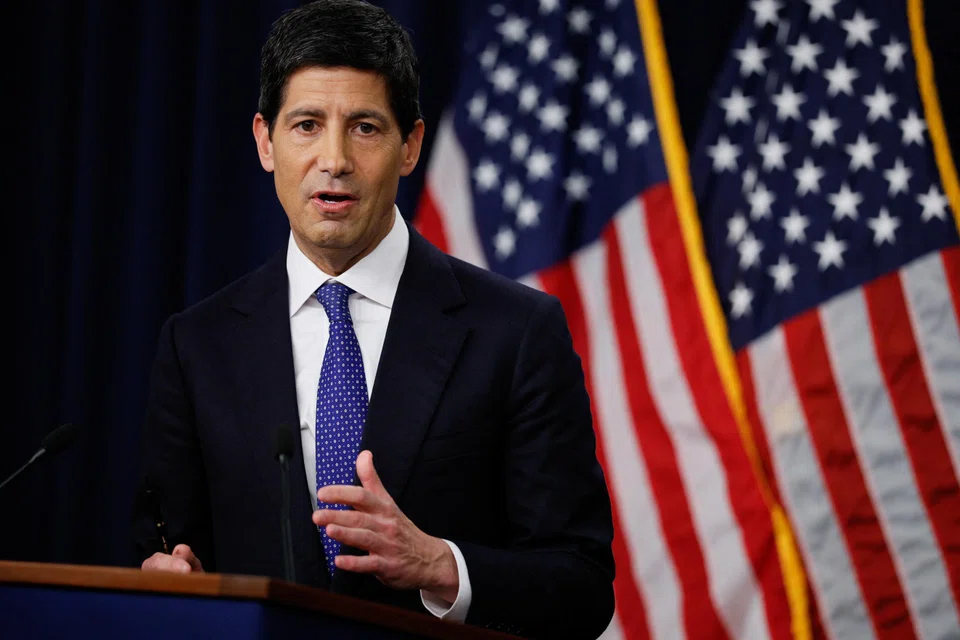
The yields have since edged lower to around 4.99 per cent and 5.32 per cent for the 10 and 30-year Treasury bonds, respectively, as markets seemed to take some comfort from Fed chair Kevin Warsh’s apparent resolve to quell inflation.
Last week the Fed funds rate was raised by 25 basis points, and expectations are for another hike this year.
But the macro forces exerting upward pressure on yields are unlikely to let up. The US government’s national debt now exceeds US$40 trillion, doubling since 2016.
Higher rates raise the interest burden, widening the budget deficit. Economic growth is running hot, which raises inflation risks.
Competition for capital
But yet another factor, as Warsh himself pointed out, is competition for capital. “The so-called hyperscalers are out in the market raising funding,” he said.
Competition means yields will have to rise to keep attracting capital. This is occurring amid the desire among governments and sovereign wealth funds to diversify away from the US.
This hit home recently when Norway’s US$2.3 trillion sovereign wealth fund, the largest in the world, proposed cutting back its weighting to government bonds to 50 per cent from 70 per cent, with US Treasuries expected to suffer the biggest cut.
Morningstar says US Treasuries’ share of the bond portfolio would drop to 21.9 per cent, from 34.1 per cent currently. According to Dow Jones Newswires’ calculations, this is a reduction of US$80 billion. The fund also plans to reduce eurozone and Japanese government debt.
China’s holding of US Treasuries has also fallen to its lowest level since 2008, falling to US$618 billion in July. At its peak China held as much as US$1.3 trillion in US government debt.
For bond investors, a rise in yields spells a loss in mark-to-market values of their holdings. Even Asian government and corporate bonds suffer knock-on effects as 10-year Treasuries yields rise; their yields tend to rise in tandem.
But investors would do well to avoid knee-jerk reactions. After all, those who hold bonds to maturity can ignore paper losses in the interim and continue to clip coupons, eventually getting their principal back as long as the credit quality remains good.
The silver lining is that they can invest new funds in bonds offering higher yields, giving their portfolios a cushion for volatility down the road.
Ultimately, however, investors need to adjust their expectations. We are firmly in a higher-rate world despite repeated nudges by US President Donald Trump for the Fed to lower rates.
Ten-year Treasuries are a convenient way to calculate assets’ risk premia. But they themselves aren’t risk-free; no asset truly is.
TRENDING NOW
DBS, OCBC, UOB rout lops billions off STI as inflation, rate concerns spook investors

Grab CEO’s wife Chloe Tong on life with Anthony Tan and finding her purpose
OCBC sheds S$8 billion in value as shares close nearly 6% down; analysts cautious on banks
Deal between tycoon friends sparks scrutiny of Philippine power sector

