

Larry Summers and Jeffrey Epstein’s deeply troubling ties
New documents demonstrate catastrophic lapses in judgment and raise questions about the impunity of elite networks
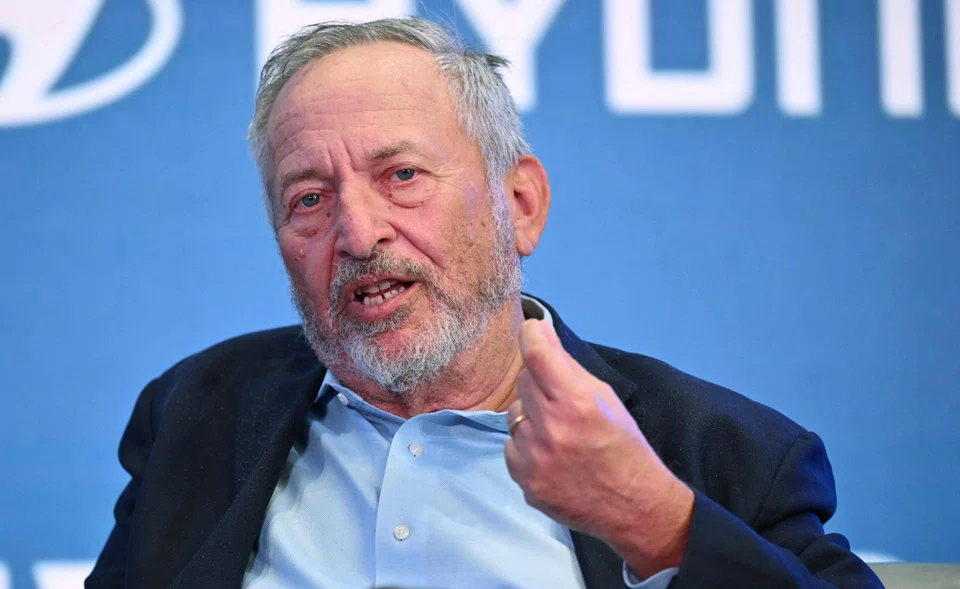
THE recently released documents relating to Jeffrey Epstein have triggered the unravelling of renowned economist Lawrence Summers’ professional standing.
More than 20,000 documents released by the House Oversight and Government Reform Committee on Nov 12 revealed extensive e-mail and text communications between Summers and Epstein. They had corresponded over many years until, remarkably, just one day before Epstein’s arrest on federal sex-trafficking charges in July 2019.
What makes these revelations particularly damaging is their intimate nature.
The messages showed Summers, a married father, seeking advice from Epstein about pursuing a romantic relationship with a woman he described as a mentee. In a message from 2018, Epstein described himself as Summers’ “wing man”. This reflects an extraordinary degree of trust placed in a convicted sex offender regarding deeply personal matters that involved professional power dynamics.
The timeline is especially troubling. These exchanges took place more than a decade after Epstein’s 2008 conviction for soliciting prostitution from an underage girl, during a period when his predatory behaviour was publicly documented.
Immediate consequences
The fallout has been swift and severe. Summers announced that he is stepping back from all public commitments, stating: “I am deeply ashamed of my actions and recognise the pain they have caused.”
The economist also resigned from the board of OpenAI, where he had played a key role in restoring stability during the company’s leadership crisis in 2023.
Summers has gone on leave from his directorship of the Mossavar-Rahmani Center for Business and Government at Harvard University, and will not complete his teaching duties this semester.
Additionally, Harvard has opened a new probe into Summers’ connections with Epstein, widening a 2020 review which reported Epstein’s financial contributions to the university.
The political response has been particularly pointed.
Senator Elizabeth Warren stated that Summers “cannot be trusted” with students, and called his judgment “monumentally bad”. She urged institutions affiliated with Summers to cut ties with him, arguing that his inability to distance himself from Epstein – even after public revelations about sex offences involving underage girls – disqualifies him from advising policymakers and teaching students.
Broader implications
These documents expose a fundamental failure of judgment by a man who has held positions of enormous influence – former Treasury secretary, Harvard president, and US presidential adviser. This raises difficult questions about elite networks, accountability, and how institutions handle associations with convicted offenders.
For Harvard, this is a significant institutional challenge. The university’s 2020 review is now being called into question by its faculty and students. An NBC report cited a Harvard law professor who questioned why the university hid Summers’ connection to Epstein.
The documents have ended what remained of Summers’ public career for the foreseeable future. His reputation as a policy expert is now overshadowed by revelations that demonstrate catastrophic lapses in his judgment: trusting a predator with intimate matters, years after Epstein’s crimes against vulnerable young women had been revealed.
TRENDING NOW

Britain’s mansion tax shows the difficulty of targeting wealth

Once staunchly pro-China, Malaysian Chinese businesses are now distancing themselves from Beijing

The only common thing in S-E Asia is that we all eat rice: Cisco’s Asean president

Singapore data centre operator DayOne opts for US IPO at likely US$20 billion valuation

