

Is South-east Asia ready for a security-driven nuclear revival?
Nuclear power fills a gap that other technologies cannot, but public acceptance across Asean remains an obstacle
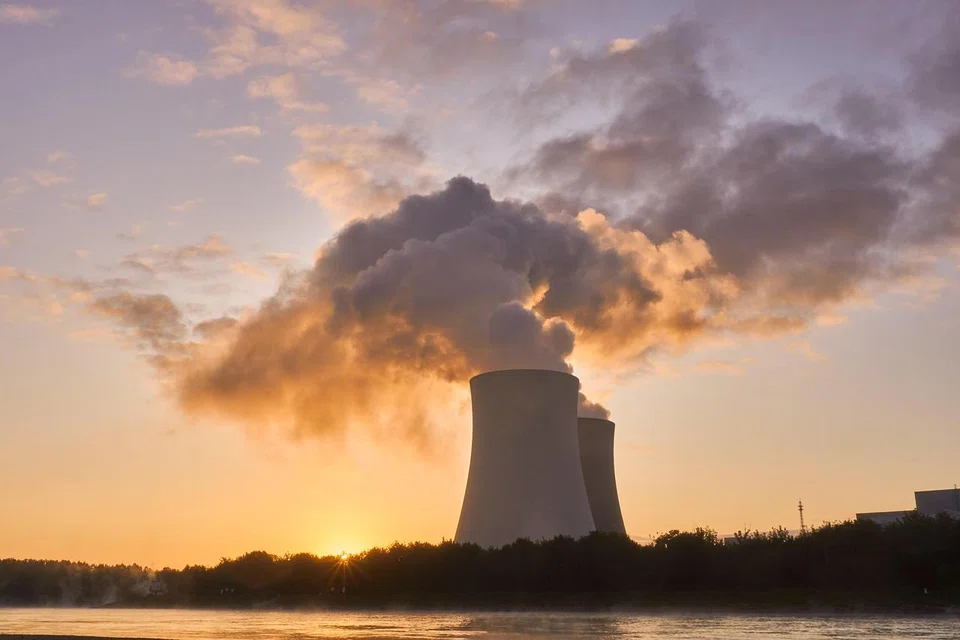
SOUTH-EAST Asia’s energy systems are entering a testing phase. Electricity demand is rising as economies urbanise, industries electrify and data centres expand. Meanwhile, governments are under pressure to reduce emissions and keep power affordable for households and businesses.
These competing demands are forcing policymakers to look beyond familiar solutions and reconsider options that once seemed politically or socially unviable.
Enter nuclear energy. Long treated in South-east Asia as a distant or theoretical possibility, nuclear power is quietly returning to regional policy discussions, as the risks of energy shortfalls, price instability and system fragility are becoming harder to ignore.
Globally, nuclear is simultaneously being reframed as a tool for reliability and energy security. The question now is whether Asean is prepared to engage with that debate in a serious and transparent way.
A global shift that Asean cannot ignore
Nuclear energy is experiencing a worldwide cautious but noticeable rehabilitation. In Europe, countries that once planned rapid phase-outs are reassessing nuclear’s role in maintaining grid stability as renewable capacity expands.
India is scaling up nuclear generation to support industrial growth and data-heavy sectors. In the US, major technology companies are backing nuclear projects to secure reliable, low-carbon electricity for data centres and artificial intelligence.
'%3e%3cpath%20d='M12.1475%2025.5262C13.7713%2025.4295%2014.94%2023.913%2014.94%2021.8832C14.94%2019.5359%2013.474%2018.093%2011.5917%2018.093C11.3745%2018.093%2010.9582%2018.093%2010.8393%2018.1413V25.2086L11.8891%2025.5745C11.8891%2025.5745%2012.207%2025.5262%2012.1475%2025.5262ZM11.4934%2017.6281C13.2567%2017.6281%2014.3843%2016.4292%2014.3843%2014.4501C14.3843%2012.372%2013.275%2011.2973%2011.4339%2011.2973H10.8393V17.6305H11.4934V17.6281ZM6.66078%2025.6482L7.39265%2025.5492C8.02617%2025.4502%208.26403%2025.3053%208.26403%2025.1097V11.6149C8.26403%2011.4193%208.1451%2011.3709%207.23484%2011.249L6.68137%2011.173L6.6219%2010.7588H11.9508C15.7153%2010.7588%2017.0624%2012.0797%2017.0624%2014.1578C17.0624%2015.9666%2015.7748%2017.1909%2013.4969%2017.6305V17.7041C16.111%2017.948%2017.6571%2019.5382%2017.6571%2021.7636C17.6571%2024.3318%2015.8937%2026.0417%2012.1109%2026.0417H6.60132L6.66078%2025.6482Z'%20fill='%232B2B2B'/%3e%3cpath%20d='M20.6287%2025.6505L21.5596%2025.5515C22.1725%2025.4779%2022.4104%2025.3076%2022.4104%2025.112V11.249H21.9346C20.073%2011.3479%2018.982%2013.0095%2018.408%2014.6227L18.1907%2015.5018H17.6555L18.1701%2010.7588H29.3837L29.6421%2015.4787H29.1664L28.9491%2014.6227C28.3728%2012.8645%2027.3047%2011.2743%2025.5002%2011.249H24.9856V25.1856C24.9856%2025.3812%2025.1251%2025.4548%2025.9965%2025.5515L26.7695%2025.6505L26.829%2026.0417H20.5693L20.6287%2025.6505Z'%20fill='%232B2B2B'/%3e%3c/g%3e%3cdefs%3e%3cclipPath%20id='clip0_5242_21648'%3e%3crect%20width='24'%20height='16.8'%20fill='white'%20transform='translate(6%2010)'/%3e%3c/clipPath%3e%3c/defs%3e%3c/svg%3e)
The common thread is not enthusiasm for nuclear per se but concerns about the reliability of other major energy sources. Wind and solar are expanding quickly, yet they remain dependent on weather and grid capacity. Battery storage is improving, but it is not yet sufficient to replace firm generation everywhere. Gas markets, meanwhile, remain exposed to geopolitical shocks.
Nuclear fills a gap that other technologies currently cannot. It offers large-scale and continuous power with low operational emissions. For governments under pressure to keep electricity affordable and dependable, these are key considerations.
S-E Asia’s energy dilemma
Asean economies are among the fastest growing in the world. Electricity demand is expected to rise sharply over the next two decades as manufacturing expands, transport electrifies and digital services grow. For now, many countries remain reliant on imported fuels, leaving them vulnerable to price volatility and supply disruptions.
Solar energy has become the region’s most popular clean technology, thanks to falling costs and abundant sunlight. Hydropower plays an important role in some countries, while gas remains a backbone of power generation in others.
Yet each of these options has limits. Solar strains grids without sufficient storage, while hydropower is vulnerable to changing rainfall patterns. Gas ties countries to global markets at a time of geopolitical uncertainty.
Against this backdrop, nuclear energy is resurfacing, not as an immediate solution, but as a strategic question.
Malaysia has been explicit in its reluctance, prioritising solar and regional grid integration instead. Indonesia and the Philippines periodically revisit nuclear feasibility studies, though political and public resistance remain strong. Vietnam paused its nuclear programme years ago and has yet to revive it decisively.
Singapore stands out as an outlier in Asean. While it has no near-term plans to build a nuclear plant, it is actively studying nuclear technologies, safety frameworks and regulatory requirements. International experts have noted that Singapore’s governance capacity and safety culture would place it among the more technically prepared countries, should it choose to proceed.
This divergence highlights a central issue for Asean: nuclear power is not only a technological challenge, but an institutional one.
Trust is the real constraint
Public sentiment remains nuclear energy’s greatest obstacle. Penta Group’s latest analysis on global sentiment towards energy drew on more than 16 million pieces of content across over one hundred languages, and found that the top concerns are around safety, waste disposal, cost overruns and long construction timelines. These anxieties are especially pronounced in countries without an existing nuclear industry.
Memories of high-profile energy-related accidents around the world still shape perceptions in South-east Asia. These concerns cannot be dismissed as irrational, as they reflect a deeper issue: trust.
Nuclear energy demands confidence in regulators, operators and governments, gradually developed over decades. Without that confidence, no amount of strategic justification will secure public acceptance.
What an Asean nuclear conversation must prioritise
The experience of other energy transitions offers a warning. Wind power, despite steady innovation, has stalled in many places due to local opposition. Hydrogen enjoys strong political and investor backing, yet consumers remain unsure what it means for their daily lives. Even solar, the most trusted clean energy source, can lose public support when policy changes increase household costs or strain infrastructure.
In each case, national ambition was prioritised over local consent. If nuclear power is to be part of Asean’s long-term energy plan, the approach must be deliberate and transparent.
First, governments need to be clear about why nuclear power is being considered. Energy security, not abstract climate targets, is likely to resonate most. Citizens want to understand how nuclear would improve reliability, affordability and resilience, and how it compares with alternatives.
Second, governance must come before commitment. Safety oversight, waste management, emergency preparedness and cost accountability cannot be afterthoughts. They are prerequisites for credibility.
Third, regional cooperation matters. Shared research, common safety standards and open information exchange could reduce mistrust, even among countries that ultimately choose not to pursue nuclear power.
Ultimately, public engagement must be treated as essential infrastructure. Trust is built slowly but lost quickly. Sudden policy shifts, opaque studies or dismissive messaging can derail years of groundwork.
A decision that cannot be rushed or avoided
Nuclear energy might not be right for every Asean country, and it may never move beyond the exploratory stage for some. But as energy security pressures intensify, it will not disappear from the conversation.
The deeper question at hand is whether the region is prepared to have an honest, informed and transparent debate about its future energy needs.
Energy security may be forcing the question, but it is public trust that will determine the answer.
The writer is a director at Penta, London
Decoding Asia newsletter: your guide to navigating Asia in a new global order. Sign up here to get Decoding Asia newsletter. Delivered to your inbox. Free.
Share with us your feedback on BT's products and services






