
The US-Iran deal is foreign policy realism at work
The agreement, however incomplete, is about achieving what’s possible
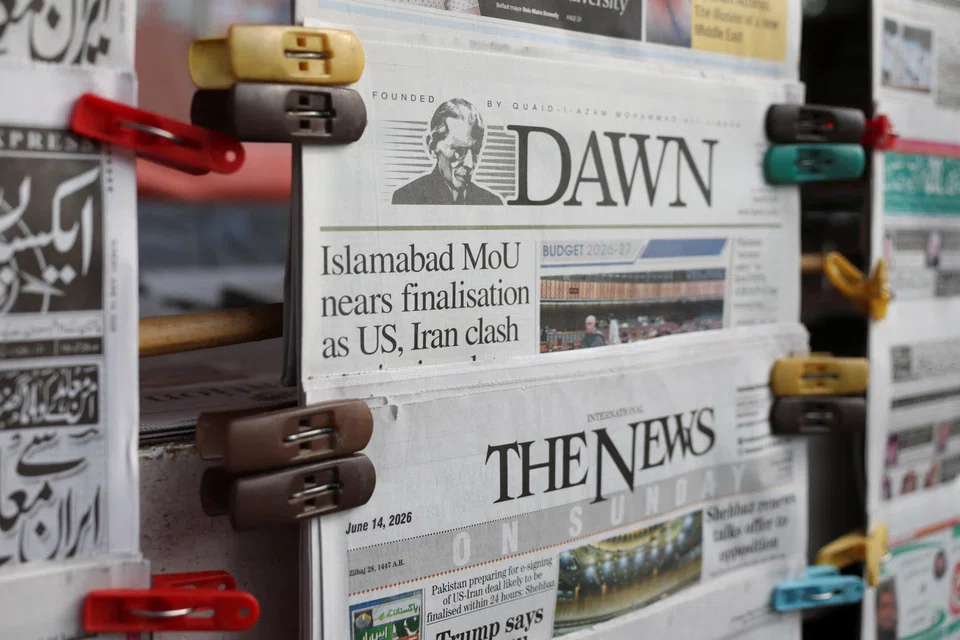
AFTER more than 100 days of war, skyrocketing energy prices and the real prospect of a nuclear-armed Iran, the US and Iran have reached an agreement.
On Sunday (Jun 14), US President Donald Trump announced that the two sides had finalised a memorandum of understanding (MOU), which would remove the US naval blockade of Iranian ports and extend the current ceasefire.
The formal signing is scheduled for Jun 19 in Geneva.
Critics will call it incomplete. They are right, but they are also missing the point. Realism in foreign policy has never been about achieving perfection, it is about achieving the achievable. Judged on those terms, this deal is a significant accomplishment.
Consider where things stood months ago. On Jun 22, 2025, the US intervened in the Israel-Iran conflict and attacked three Iranian nuclear sites. Iran responded by targeting a US military base in Qatar.
While this exchange ended in a ceasefire, a wider war broke out on Feb 28, 2026, when the US and Israel conducted a joint strike on Iran.
The Strait of Hormuz, through which roughly a fifth of the world’s oil and liquefied natural gas had flowed, was effectively closed. The global economy shuddered. Middle East stability, never robust, had collapsed.
The realist tradition, from Athenian historian Thucydides to Henry Kissinger, insists that states are driven by interests, not ideals, and that durable agreements must account for both sides’ core needs. The interim MOU does exactly that.
The agreement is designed to restore shipping through Hormuz and buy time for negotiations over unresolved nuclear questions. For the US, that means relief for global energy markets and domestic consumers.
For Iran, it means the end of a punishing naval blockade and a pathway to sanctions relief, the economic lifeline a country in severe financial distress desperately needs.
Early in the war, Iranian attacks on ships brought traffic in Hormuz to a near standstill. Trump implemented a blockade in response.
The closure of the strait, Iranian attacks on Gulf energy infrastructure and the blockade sent fuel prices soaring, with knock-on effects rippling through the world economy. Ending that cycle of escalation, even temporarily, is not a small thing.
The realist case for this deal also rests on the nature of the mediation.
Pakistan and Oman-mediated talks produced this interim framework. This is multilateral diplomacy functioning as it should: regional actors with relationships and credibility on both sides serving as honest brokers.
The US did not need to negotiate directly and unconditionally with Teheran; it used the international architecture available to it.
What about the unresolved nuclear questions? Here, too, the realist lens is clarifying. The agreement extends the ceasefire for 60 days to create a framework for future negotiations about Iran’s nuclear programme, sanctions and regional security.
Demanding a complete, verified and permanent nuclear settlement as a precondition for any agreement at all, the maximalist position, would have guaranteed continued war.
The realist alternative is sequencing: Stop the bleeding first, then address the harder questions from a position of relative stability rather than active conflict.
The fate of Iran’s nuclear programme will be negotiated but remains unresolved for now. That is an honest description of where things stand, and where diplomacy between adversaries almost always begins.
None of this is to say the hard work is done. It has barely begun. The structural incentives in Washington, Teheran and Jerusalem that make a permanent deal difficult are real. The domestic political pressures on all sides are formidable.
And the MOU does not appear to resolve the core issues surrounding the mechanics of the Strait of Hormuz, Iranian nuclear concessions, or Iranian financial incentives and sanctions relief.
But the realist tradition has always understood that a second phase only becomes possible when you survive the first.
The US and Iran are no longer shooting at each other. Ships are preparing to move through the Strait of Hormuz again. A diplomatic framework exists where none did before.
That is not idealism. It is not triumphalism. It is the art of the possible, which is, and has always been, the art of statesmanship.



