US-Saudi ties pivot to tech: AI chips and a US$1 trillion pledge
The true measure of success will be whether the new tech-for-security model can withstand the volatility of the Middle East
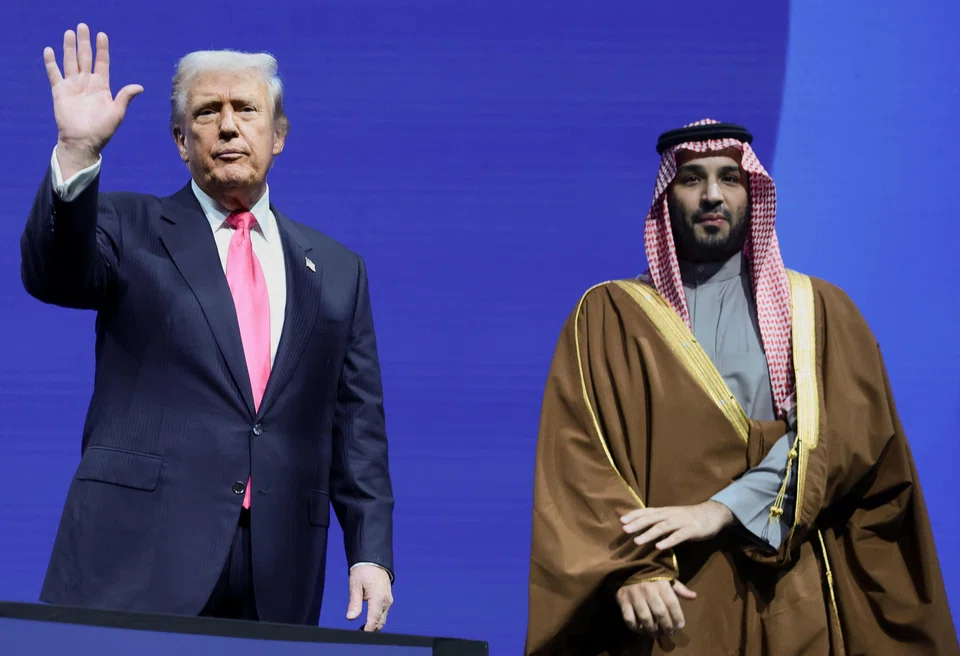
CROWN Prince Mohammed bin Salman’s return to Washington after seven years signalled a fundamental recalibration of US-Saudi relations around economic pragmatism and strategic necessity. While the alliance was forged on security for oil, this visit cements a pivot towards technology as the new cornerstone of the partnership.
The strategic shift regarding artificial intelligence (AI) is central to this new chapter. Saudi Arabia secured access to 600,000 advanced Nvidia AI chips through the government-backed firm Humain, alongside commitments for major data centre development, including a 500-megawatt joint venture with Elon Musk’s xAI.
This pivot serves multiple purposes. For Saudi Arabia, it advances the kingdom’s ambition to position itself as an AI hub, leveraging its abundant land, energy resources, and strategic geographic location. For the US, it represents an effort to counter China’s dominance in critical technologies while creating a Gulf alternative to Chinese partnerships.
The new critical minerals framework signed during the visit reinforces this. The agreement to develop processing capabilities – including MP Materials’ planned refinery in Saudi Arabia – aims to diversify supply chains away from Beijing’s control.
The trillion-dollar question
Saudi Arabia increased its investment pledge from US$600 billion (announced during US President Donald Trump’s May visit to Riyadh) to nearly US$1 trillion. At the Nov 19 investment forum at Washington’s Kennedy Center, leaders announced US$270 billion in immediate agreements across AI, defence, energy, critical minerals, and financial services.
Yet, these numbers warrant scrutiny. Many of these commitments take the form of non-binding memoranda of understanding rather than finalised contracts. Given Saudi Arabia’s already strained finances – with Vision 2030 megaprojects running over budget and scaled back – the feasibility of delivering on such massive investment promises remains an open question. The kingdom’s ambitious domestic agenda, including hosting 2034 World Cup, competes for the same capital now pledged to American ventures. These pledges may be aspiration signalling rather than liquid capital.
The nuclear threshold and regional security
The civil nuclear cooperation agreement may prove the most consequential – and controversial – outcome. While the White House emphasised strong nonproliferation standards, the elephant in the room is uranium enrichment. Saudi Arabia possesses substantial uranium deposits and has been reluctant to forgo domestic enrichment rights – a capability that could theoretically enable weapons development if pursued to high purity levels.
US Energy Secretary Chris Wright stated the agreement excludes domestic enrichment, but the framework leaves room for future negotiations. This ambiguity reflects the delicate balance the Trump administration is attempting: providing Saudi Arabia with sufficient incentives to remain a US partner while managing nonproliferation concerns and Israeli anxieties about regional nuclear capabilities.
On defence, Saudi Arabia received “major non-North Atlantic Treaty Organization (Nato) ally” designation and secured approval for F-35 fighter jet purchases – notably without the performance downgrades typically required to maintain Israel’s qualitative military edge.
These security guarantees matter deeply to Riyadh following recent regional upheaval, including Israeli strikes in Doha and broader instability. Yet, they fall short of the Nato Article 5-style mutual defence treaty that Saudi Arabia reportedly seeks, leaving room for continued Saudi hedging through relationships with China, Russia and Pakistan.
Transactional politics and conflicts of interest
The visit laid bare the deeply transactional character of the Trump administration. Trump openly praised the Saudi crown prince in superlative terms, dismissing questions about Jamal Khashoggi’s 2018 murder – directly contradicting US intelligence assessments. This approach raises legitimate conflict of interest questions.
The blurred line between public diplomacy and private business – with Gulf investments flowing into Trump family ventures in crypto, real estate, and other sectors – represents a stark departure from traditional American foreign policy norms. Whether this approach ultimately serves US interests or compromises them remains the central tension of this presidency.
Winners and losers
For now, the immediate winners are clear. Saudi Arabia gains access to advanced military hardware, AI technology, and nuclear cooperation that advances its Vision 2030 transformation while securing enhanced (if not ironclad) security commitments. The Trump administration can tout massive investment figures and present itself as restoring American strength and dealmaking prowess.
The potential losers include advocates for human rights accountability, who see the Saudi prince’s rehabilitation as a victory of realpolitik over justice for Khashoggi’s murder.
Israel faces a more complex calculation: while the Abraham Accords remain out of reach without Palestinian statehood progress, the kingdom’s growing military capabilities and regional influence could shift Middle Eastern power dynamics in ways that complicate Israeli security planning.
Perhaps most significantly, China emerges as the implicit target and potential loser if US-Saudi cooperation successfully creates alternative supply chains for critical technologies and minerals. However, Beijing’s established advantages in rare earth processing and manufacturing will be difficult to overcome, even with major Gulf investments.
The implementation gap
This recalibration represents a bet that transactional partnerships can override traditional constraints such as human rights and nonproliferation principles.
However, the path forward is fragile. Implementation matters more than announcements; many previous Trump-era Gulf deals proved aspirational rather than operational. Success depends on translating MOUs into capital flows and whether the administration can broker stability in Sudan and Gaza to protect these investments. Domestic political reactions could also matter.
Ultimately, this partnership is built on personal relationships and financial incentives rather than shared values or treaties. The true measure will not be the signing ceremonies, but whether this tech-for-security model can withstand the volatility of the Middle East.
Can these deals deliver sustainable economic transformation for Saudi Arabia and meaningful benefits for American workers? Or will they prove to be another chapter in the long history of oversold Middle Eastern ventures that ultimately disappoint all parties involved? The world is watching.