

What Dad taught me about love
More than a respected cardiac paediatrician, Dr Cheng Heng Kock was a loving father whose door was always open
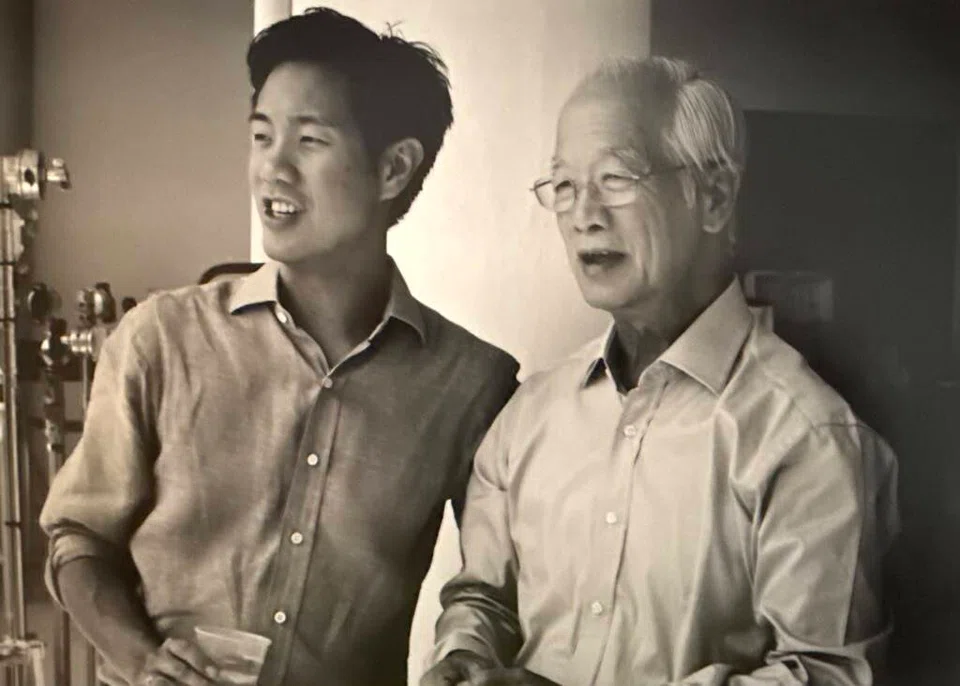
OVER 30 years, I have been to dazzling palaces and hidden bunkers, to boardrooms in the tallest skyscrapers and tasting rooms in the deepest cellars. I searched high and low for a home.
When my father died, I finally understood that, through it all, I actually had a home in Singapore this whole time, in addition to the ones I built in New York.
Dad held the door open when I needed to leave, gave me a key for whenever I wanted to come back and left the door open for me when he died.
When I was awarded the President’s Scholarship at 18, I felt like Dad was bursting at the seams with pride, at his son’s seizing a pinnacle recognition in the land, forever etched in gilt in the grand atrium of our alma mater, Raffles Institution, along with an aunt and a granduncle.
Imagine his heartbreak five years later when I insisted on a career on Wall Street instead of serving in government. I decided to terminate the scholarship after a disagreement concerning the branch of government in which I would serve.
As it turns out, points of principle are expensive – especially for Dad, who helped me repay the very generous government stipend I had received over five years, with interest compounded, doubling the cost of my degrees.
This must have been even more heart-wrenching for Dad because he knew principle was also pretext. I had to leave our country where, at the time, it was not okay for me to love another man.
Embodying an inter-millennial amalgam of ancient Confucian Han values, post-colonial Victorian reticence and late 1990s Hollywood masculinity, we never discussed how hard it would have been for me to live – really live – in Singapore back then, but he felt it.
To know a loved one has left, to accept it and to celebrate his departure, are three separate Herculean trials.
It is just so difficult to love someone and let them go. It seems even more impossible to metabolise the continuation of love for someone who is gone not as grief for what we have lost, but as joy for what he has gained.
Dad wore a seemingly light touch, concealing any agony, as he did all that for me. He unlocked the front door, gave me what I needed to pursue happiness, and tasted, fully, the bittersweet of pride as I left with my head held high.
Dad never shut the door. When I got married, my husband was welcomed into the fold. By then Dad was a senior member of the extended family. Too frail to travel, he sent cousins as emissaries to my wedding, on strict instruction, it seemed to me, to celebrate with gusto.
The next Chinese New Year, my husband and I came home. Following my dad’s lead, almost 100 Chengs introduced my husband to the rojak (salad) of Singapore food and the jubilant chaos that ensues at our convenings of the clan.
To Dad, it didn’t matter whom I chose. What mattered is that I had chosen. Or, as it turned out later, that I no longer chose.
Years later, when I came home, heart in pieces, confidence shattered, to tell Dad and Mom I was getting divorced, Dad deadpanned, voice shaking with Parkinson’s disease or in solidarity with me (probably both): “Can we throw away his pictures now?” I’m not the sort to forget the past, but in the moment that was just what I needed to hear.
One of Dad’s last great acts of loving kindness was to leave the door to my family home wide open for me.
I don’t just mean the physical estate, but also the metaphysical home he laboured to create with my mom and his siblings.
This even grander home is sustained by all of us who honour his legacy, the relatives who celebrated my 50th birthday recently in Singapore and the US, the cousins who are rightly not shy about coming to me for help for anything at all, the uncles and aunts whose wise counsel I still seek, and every family member who welcomes me at reunion dinner each Chinese New Year.
Dad was agnostic. It seems fitting that the Bible, Talmud, Mahabharata, Quran and Sutras contain similar ideas about the divinity of a home, as he created it.
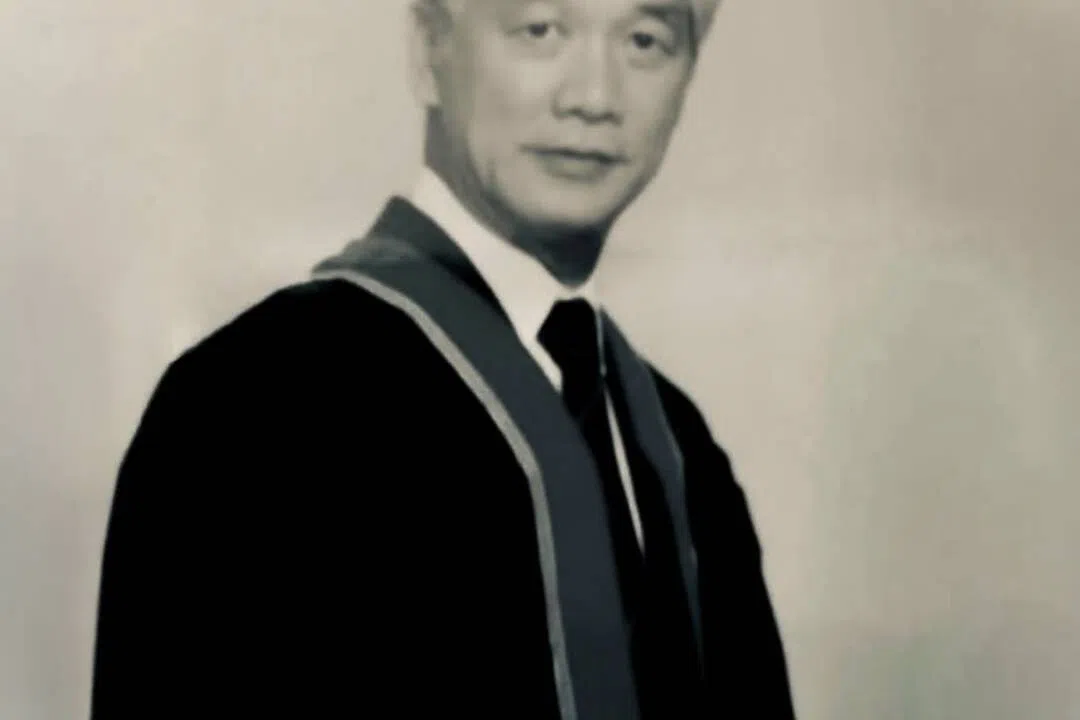
Now you know my father as I knew him. He was:
Not just a pioneering cardiac paediatrician who enabled generations of children – whether indigent Singaporeans or neighbouring royalty – to live the fullest expression of their lives;
not just the visionary who helped build the nation’s first and only women’s and children’s hospital in which most Singaporeans this century were born;
not just the feminist who, as the first medical chairman of KK Hospital, championed medical reproductive care for women (trust me, I know from the grand ward rounds each night at our dining table);
and not just the elder Mandarin who once acted as Permanent Secretary for Health but whose views were still sought by the nation’s highest leaders long afterwards.
I bet if you asked dad who he was most of all, he would say he was a father who created a home for his son for whom the gates will always open, where the meals are warm and rooms are cool, and that is filled with family who give me the audacity to try to make the world better – because I know there is a place I can always return to, where I am loved just like Dad loved me.
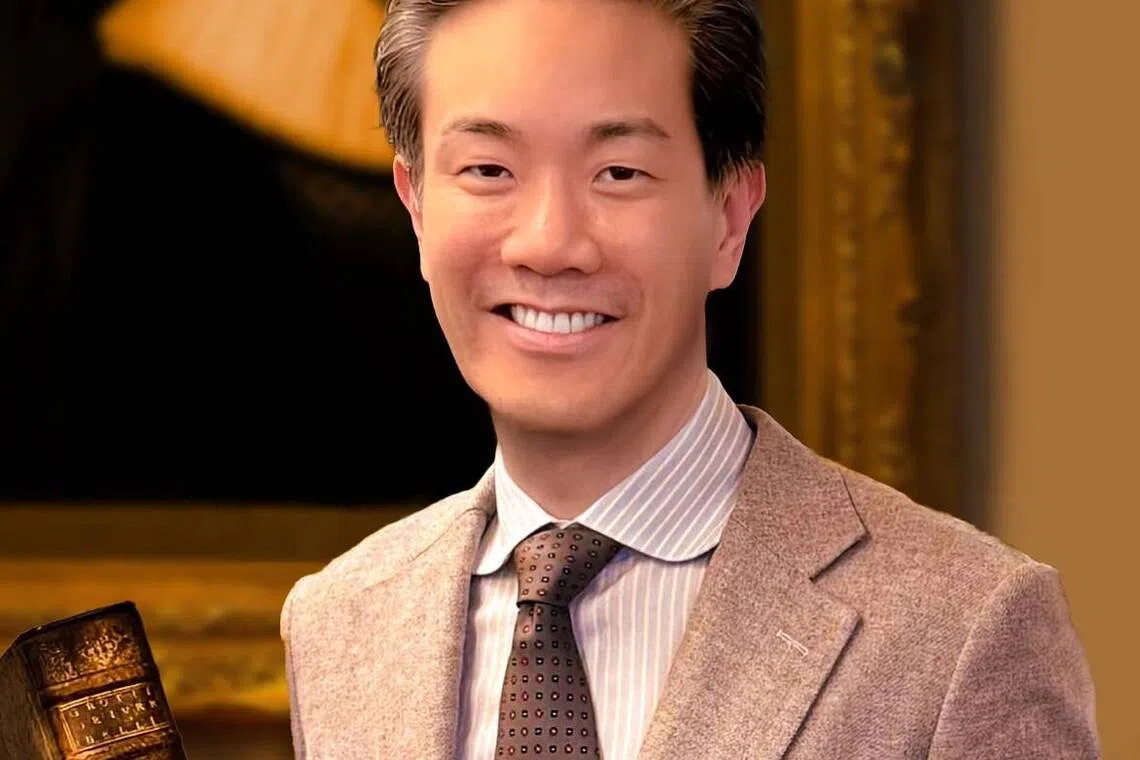
The writer is a pre-eminent international lawyer and global philanthropist
*Amendment note: An earlier version of this story misspelled Dr Cheng’s name in the photo caption.
Decoding Asia newsletter: your guide to navigating Asia in a new global order. Sign up here to get Decoding Asia newsletter. Delivered to your inbox. Free.
Share with us your feedback on BT's products and services
TRENDING NOW
8 public officers referred to police over property buys near unannounced MRT stations: Chan Chun Sing

Grab CEO’s wife Chloe Tong on life with Anthony Tan and finding her purpose
Retrenched PMETs who return on lower pay see median 25% wage cut
Hao Mart owner resisting OG’s mortgage foreclosure on his Tanglin GCB

