Why China’s Belt and Road Initiative will remain relevant despite growing competition
Rival infrastructural projects are forcing the BRI to evolve
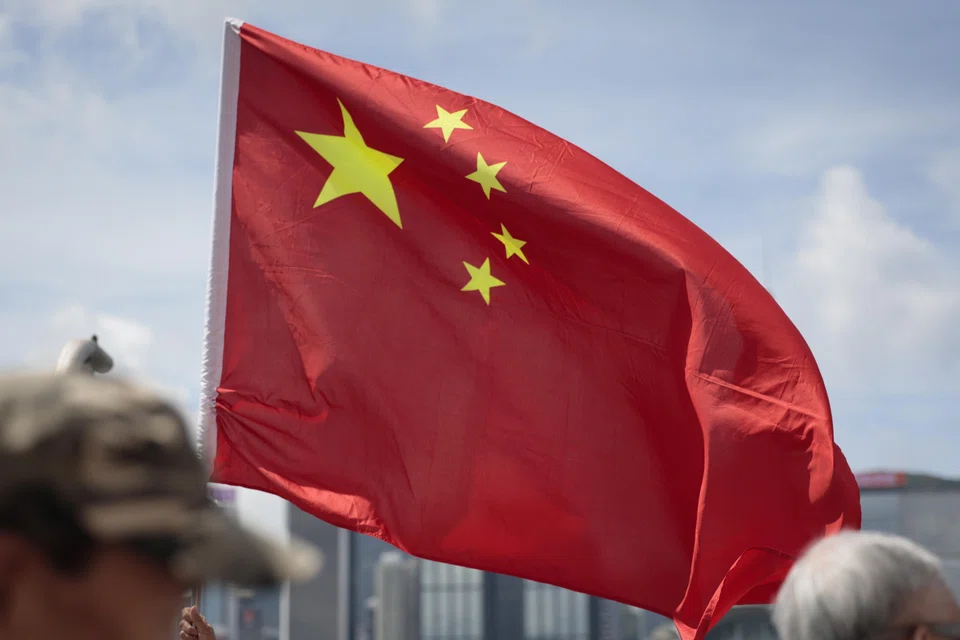
LAUNCHED by China in 2013, the Belt and Road Initiative (BRI) has evolved into the world’s most ambitious infrastructure and development programme. It spans 150 countries, encompassing ports, railways, energy pipelines, digital networks and industrial corridors.
While the BRI has helped close infrastructure gaps in many developing economies, it has also become synonymous with a host of controversies, such as mounting debt burdens, weak commercial viability and allegations of political leverage by China.
It is therefore no coincidence that rival infrastructure initiatives are now proliferating. The EU’s Global Gateway, the Group of Seven’s Partnership for Global Infrastructure and Investment (PGII) and India’s regional connectivity strategies did not emerge in a vacuum.