

Why the Houthis are striking Saudi Arabia
Attacks on Riyadh’s soil suggest the Yemeni civil war is spreading beyond its borders
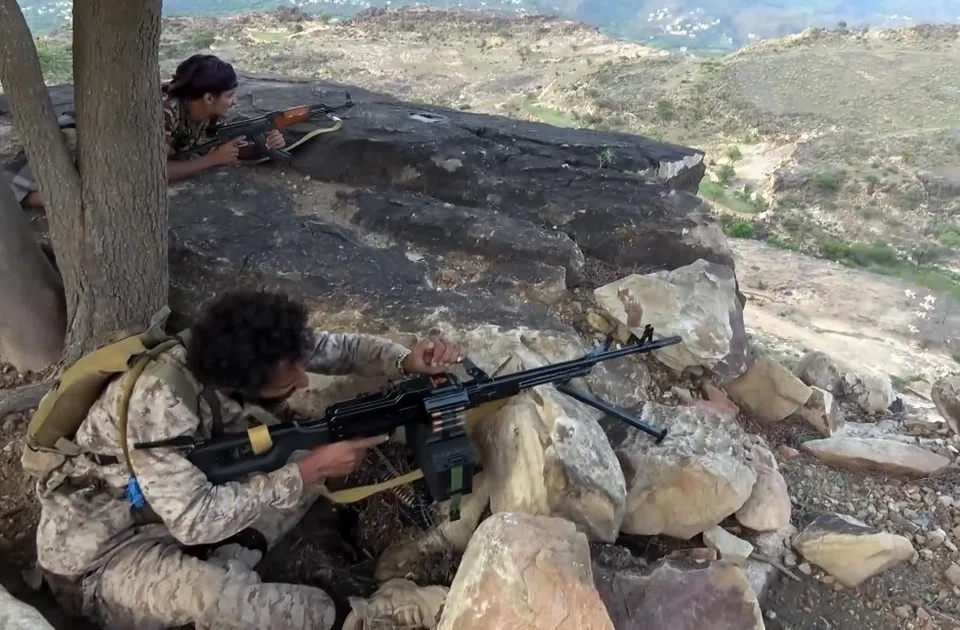
WHEN smoke rose over Saudi Aramco’s refinery south of Riyadh on Oct 3, it was more than another strike in a long-running feud between the Saudi-backed Yemeni government and the Houthis.
It showed that Yemen’s civil war – frozen for four years under a United Nations-brokered truce – has fully returned to Riyadh’s heartland. It also showed that the kingdom’s hopes of leaving the conflict on its own terms are fading.
The escalation did not come out of nowhere. The truce began to unravel in July, when Saudi jets attempted to prevent an Iranian aircraft from landing in Sanaa, said the Houthis, who then declared a naval ban on Saudi shipping in the Red Sea.
Since then, the stakes have risen steadily. In September, a wave of strikes on the Saudi cities of Jazan, Najran, Abha and Khamis Mushait wounded 73 people. In early October came the Houthi-claimed attacks on Riyadh’s oil facilities.
The week of Oct 5 to 11 brought drones and missiles aimed at airports and military bases, including a missile intercepted north of the capital, said the Saudi armed forces.
A civil war spills over
Three features of this campaign deserve attention.
First, the Houthis are deliberately targeting the Saudi economy. Striking Aramco is a choice to impose costs where Riyadh feels them most: in its oil revenue, and in its image as a stable place for investment and tourism.
With Iran’s blockade restricting the Strait of Hormuz, Saudi exports depend more and more on Red Sea routes. This gives the Houthis outsized pressure over those shipping lanes.
The markets noticed, and the Brent crude climbed to more than US$100 a barrel after the Riyadh strikes.
Second, the information war matters almost as much as the missiles. Riyadh dismissed the Houthi claim of a hit on the capital as an attempt to project an “illusory victory”, yet images and satellite data showed fires at the refinery.
Each side’s story is aimed at domestic audiences and foreign ones alike. The gap between official denials and visible damage makes it hard to judge soberly how vulnerable the kingdom really is.
Third, Yemen has again become one front in a wider regional confrontation. The Houthis present their attacks as solidarity with Iran in its war against the US and Israel. Saudi Arabia, a US ally, now pays for that alignment on its own soil.
The ground war has resumed. The Yemeni government has launched a “battle of liberation”; coalition-led forces are carrying out heavy strikes on Houthi-held areas and the Houthis have hit Aden airport.
With the Saudi Arabia-United Arab Emirates partnership in Yemen fracturing early this year, Riyadh carries more of this burden alone.
The deeper problem is that both the Houthis and Saudi Arabia believe escalation serves them. The Houthis gain leverage and prestige every time a drone reaches Riyadh; Saudi Arabia fears that restraint would be read as weakness.
Yet the record since 2014 suggests that neither air power nor cross-border raids can deliver a decisive result. Civilians in both countries pay the price, from prison inmates in Yemen’s Al-Jawf to residents of the Saudi city Khamis Mushait.
The 2022 truce showed that de-escalation is possible when outside powers, especially Teheran and Washington, have an interest to bring quiet.
Until that regional calculation shifts, the attacks on Saudi Arabia will remain a symptom of the wider war in the Middle East rather than a problem Riyadh can solve by itself.
TRENDING NOW

Once staunchly pro-China, Malaysian Chinese businesses are now distancing themselves from Beijing

Looking beyond looming CEO succession, should UOB potentially pursue a transformative merger?

Could stablecoins be the future of money?

Grab CEO’s wife Chloe Tong on life with Anthony Tan and finding her purpose

