

Why Trump’s new pick for Fed chair hit gold and silver markets
With Kevin Warsh’s nomination, investors appear to expect lower inflation and greater financial stability
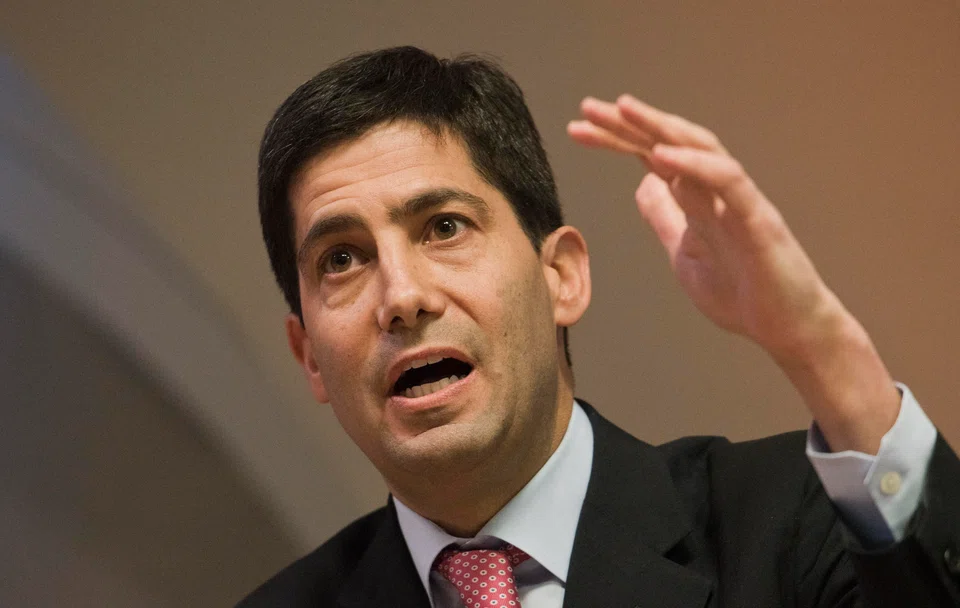
AFTER months of speculation, US President Donald Trump confirmed he will be nominating Kevin Warsh as the next chair of the Federal Reserve. The appointment has been closely watched in light of Trump’s ongoing conflict with the American central bank and its current chairman, Jerome Powell.
The immediate reaction to the announcement was a significant crash in gold and silver markets. After months of record highs and stretched valuations, spot prices for gold and silver dropped 9 per cent and 28 per cent, respectively, after the announcement.
The US stock market also fell, with major indices all reporting modest losses.
However, in the context of concerns over Trump’s interference with the Fed, the market crash can ironically be understood as an early vote of confidence in Warsh’s independence and suitability for the role.
The last year has seen Trump in an unprecedented conflict with the Fed.
Trump appointed current chair Powell in 2017. However, the relationship soured when Powell did not cut interest rates as quickly as the president wanted. In characteristically colourful language, Trump has called Powell a “clown” with “some real mental problems”.
Trump’s war with the Fed
The war of words descended into legal threats. Trump’s Justice Department (DOJ) announced an investigation into Fed governor Lisa Cook over alleged fraud in historical mortgage documents.
Then in January 2026, the DOJ opened a criminal investigation into Powell relating to overspending in renovations of the Fed offices.
Both sets of allegations are widely viewed as baseless. However, Trump has tried to use the investigation as grounds to fire Cook. The case is currently before the Supreme Court.
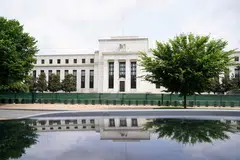
Powell has hit back strongly at Trump, saying the legal threats were a consequence of the Fed setting interest rates based on the central bankers’ best assessment of what will serve the public, rather than following the preferences of the president.
Powell received support from 14 international central bank chiefs, who noted “the independence of central banks is a cornerstone of price, financial and economic stability”.
Presidential interference with the Fed was a major cause of the stagflation crisis in the 1970s. More recently, both Argentina and Turkey have experienced significant financial crises caused by interference with central bank independence.
Warsh: Hawk or dove?
Previously a banker and Fed governor, Warsh has served as economic adviser to both Trump and former president George W Bush.
Originally, Trump seemed to favour the current director of his National Economic Council, Kevin Hassett, for the job. However, Hassett was widely viewed as being too influenced by Trump.
Warsh appears more independent and brings a reputation as an inflation “hawk” – a central banker who prioritises fighting inflation, compared to a “dove” who prioritises growth and jobs.
From Warsh’s previous time at the Fed, he established a strong reputation as an inflation hawk. Even in the aftermath of the global financial crisis of 2008, Warsh was more worried about inflation than jobs.
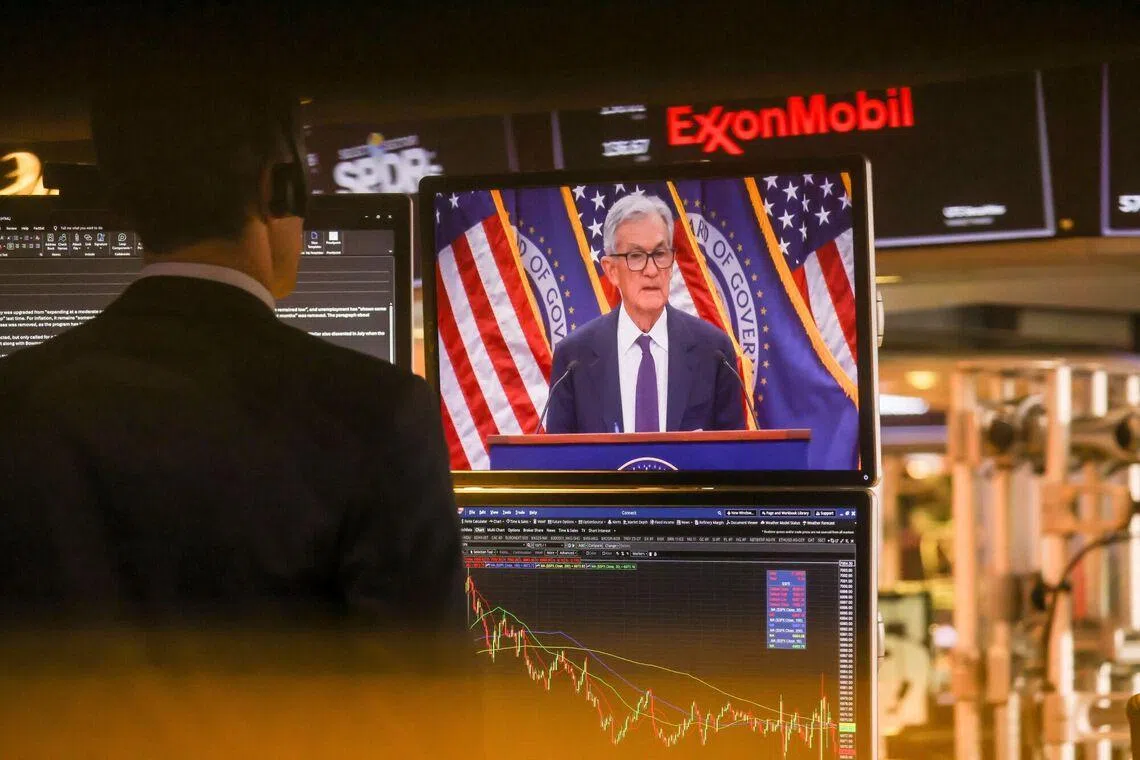
Given Trump’s past conflict with Powell around cutting interest rates, Warsh might seem a curious choice of candidate.
More recently, though, Warsh has moderated his views, echoing Trump’s criticism of the Fed and demands for lower interest rates. Time will tell whether this support will continue, or if his hawkish tendencies return – leading to future conflict with Trump.
The crash in gold and silver, and decline in stock markets suggest investors view interest rate cuts as less likely under Warsh than alternative candidates.
Gold and silver prices typically rise in response to instability or fears of inflation. The previous record highs were driven by many factors, including global instability, concerns over Fed independence and a speculative bubble.
The market correction in precious metals means investors expect lower inflation and greater financial stability. The US dollar trading higher also supports this view.
Fed credibility at stake
There has been much discussion of the changing world order in the past month. Canadian Prime Minister Mark Carney recently decried the end of the international rules-based order and called for a break from “American hegemony”.
The global dominance of the greenback is a crucial plank of US economic hegemony. Though Trump clearly remains sceptical of central bank independence, his appointment of Warsh suggests he recognises the importance of retaining the credibility of the American currency and Fed.
Whether Trump can temper the instinct to interfere with the setting of interest rates, however, remains to be seen. THE CONVERSATION
The writer is lecturer in politics at the University of Sydney’s government and international relations department
Decoding Asia newsletter: your guide to navigating Asia in a new global order. Sign up here to get Decoding Asia newsletter. Delivered to your inbox. Free.
Share with us your feedback on BT's products and services
TRENDING NOW

LTA proposes combining car COE categories, adding rebate-surcharge system

StarHub to acquire MyRepublic’s mobile business amid ongoing telco consolidation

DBS, OCBC, UOB rout lops billions off STI as inflation, rate concerns spook investors

Grab CEO’s wife Chloe Tong on life with Anthony Tan and finding her purpose

